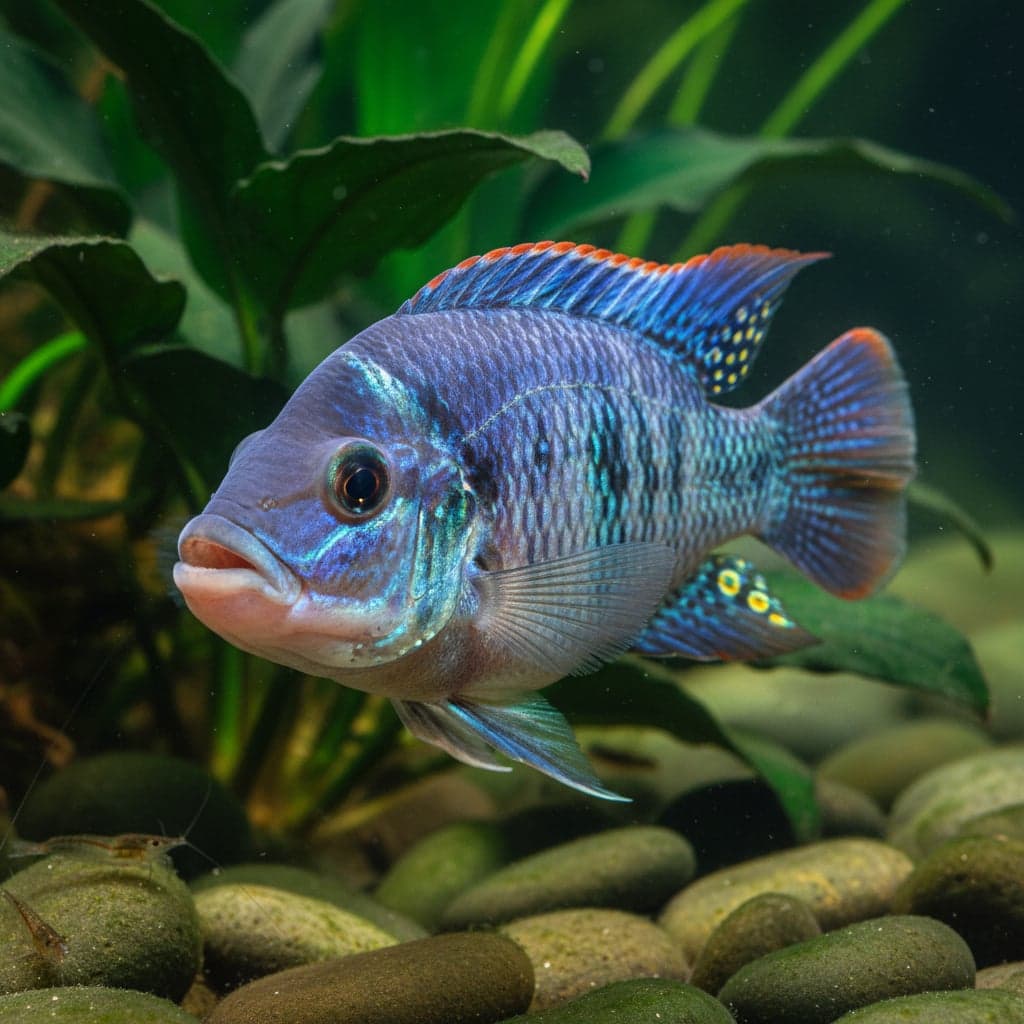
Yellow Peacock: Aulonocara baenschi
A stunning and regal cichlid from Lake Malawi, the Yellow Peacock is famous for the intense golden coloration of the males and their peaceful, sandy-bottom behavior.

Yellow Peacock
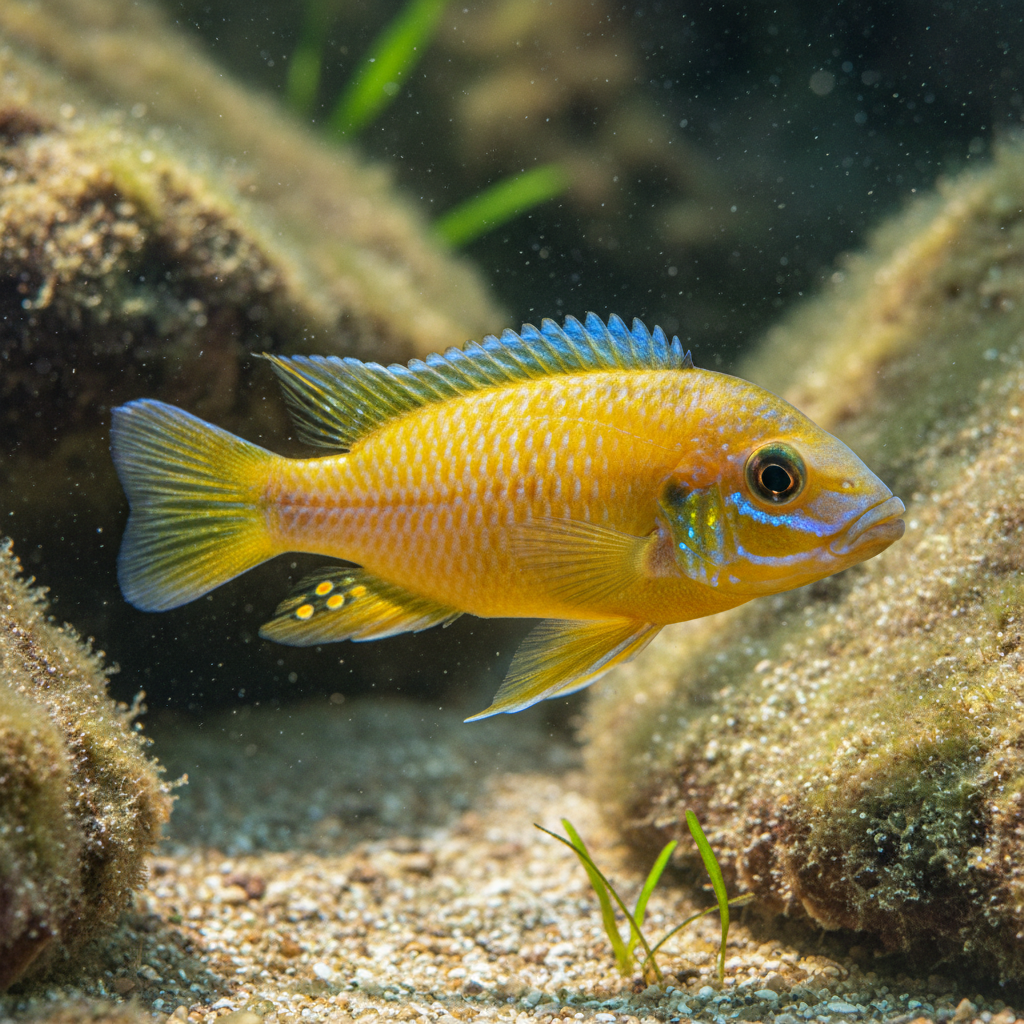
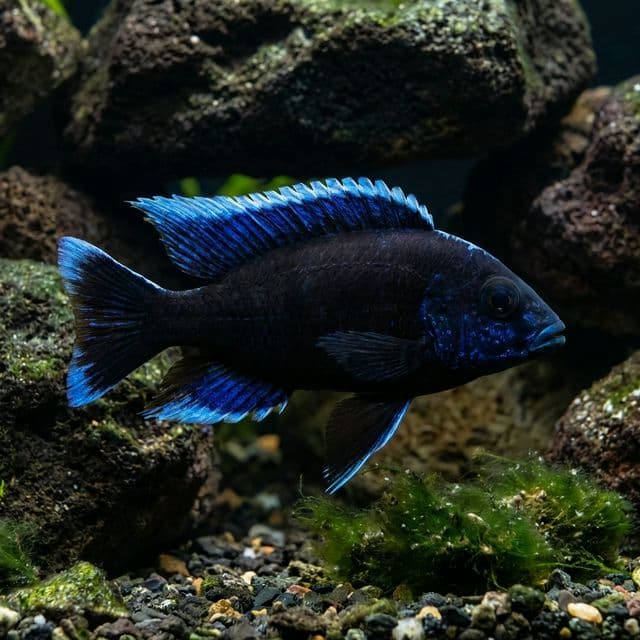
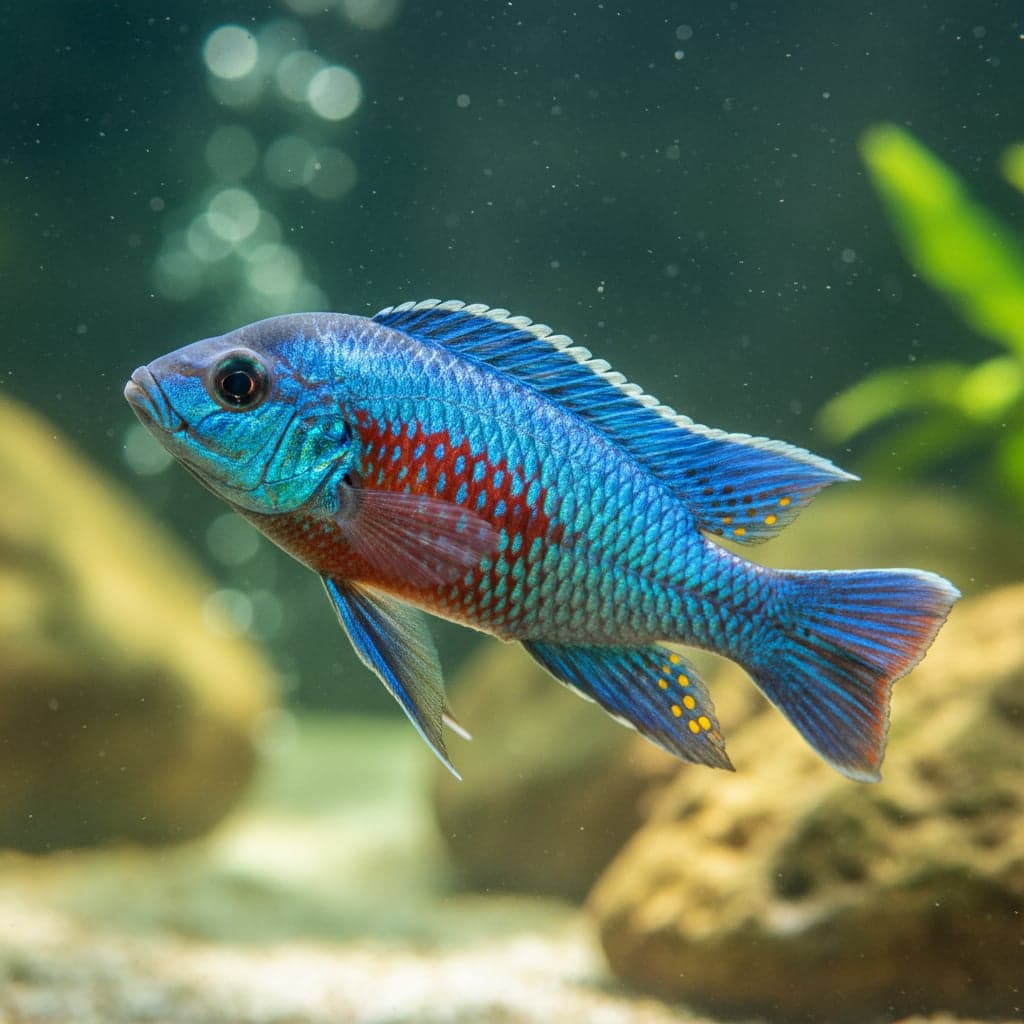
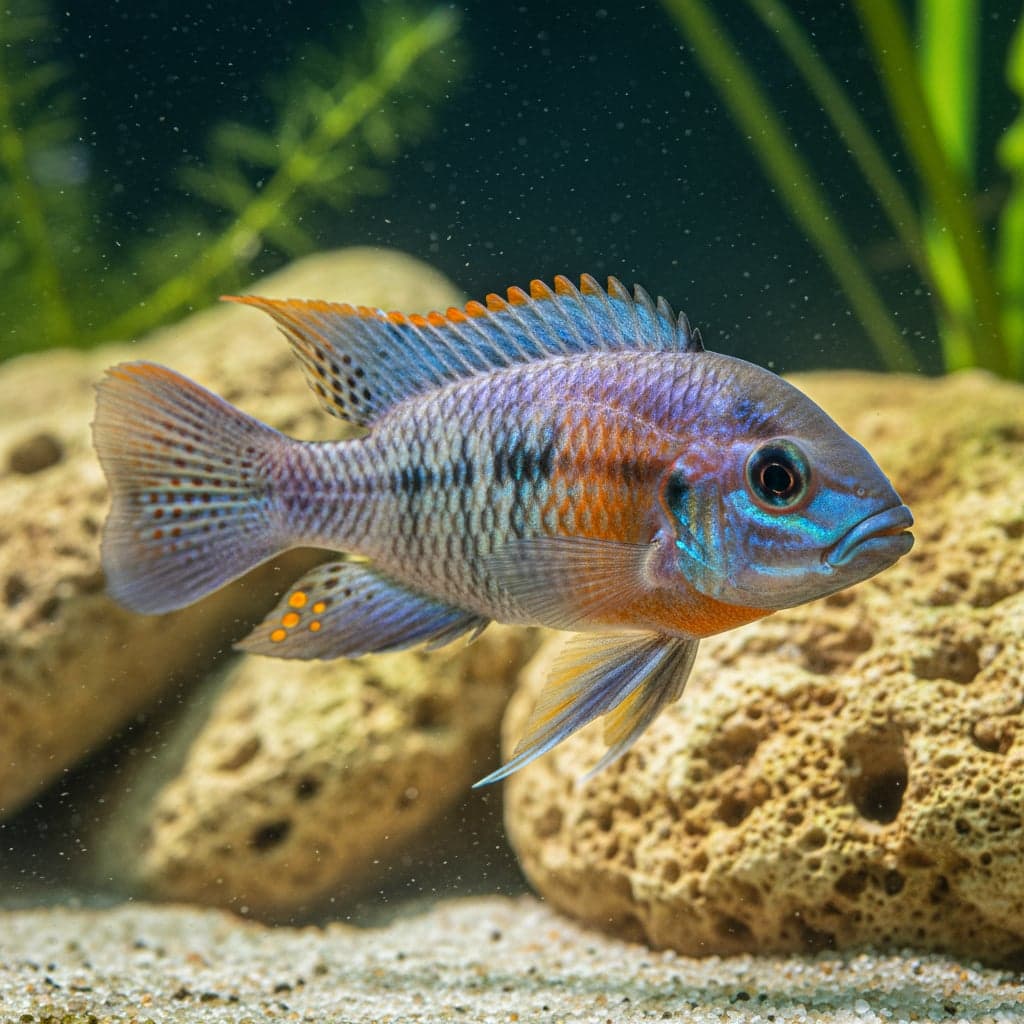
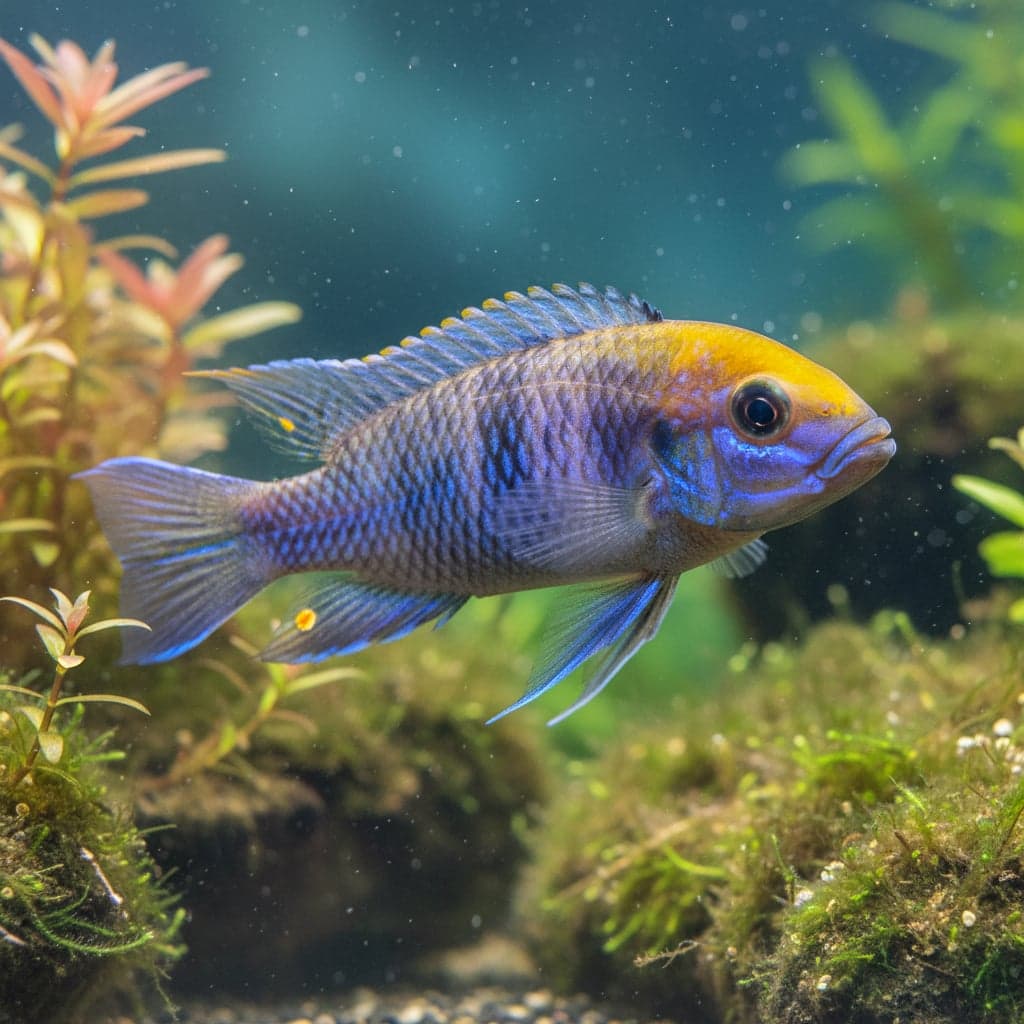
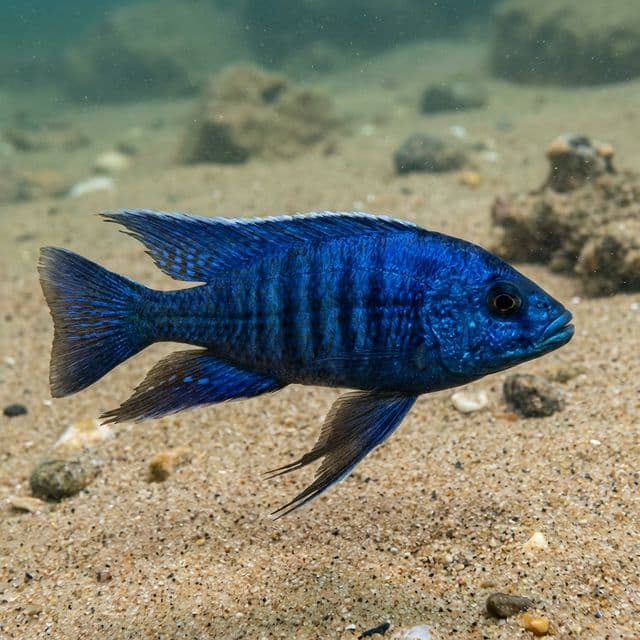
The Yellow Peacock, scientifically known as Aulonocara baenschi, is a stunning freshwater cichlid hailing from the eastern African Rift Valley, specifically Lake Malawi. This fish is revered for its vibrant coloration, exhibiting a brilliant mix of yellow, blue, and silver hues that can vary greatly among individuals. The males, in particular, flaunt an eye-catching yellow body with shimmering blue accents on the fins and face, making them an attractive centerpiece in aquariums. Their striking visual appeal and relatively manageable care requirements have made them a favorite among aquarists, contributing substantially to the aquarium hobby.
In addition to their beauty, Yellow Peacocks hold ecological and cultural significance in their native habitats. They play a vital role in the ecosystem of Lake Malawi, contributing to the delicate balance of its biodiversity. Their social behavior and complex interactions among species also captivate aquarists, making Yellow Peacocks not just visually appealing fish but also fascinating creatures to observe. As more enthusiasts seek to recreate their natural environments in home aquariums, the Yellow Peacock has become a canvas for showcasing aquascaping skills and breeding innovations.
Natural Habitat & Origin
The natural habitat of the Yellow Peacock is the rocky substrates and sandy areas along the shorelines of Lake Malawi, one of the largest and oldest freshwater lakes in the world. This lake is renowned for its incredible biodiversity, harboring hundreds of cichlid species. The water in which Yellow Peacocks thrive is generally clear and rich in minerals, providing an ideal environment that supports their health and behavior.
Geographically, the Yellow Peacock is native to areas characterized by a mix of shallow, rocky outcrops and deeper regions. The water conditions in their habitat usually feature a pH between 7.8 to 8.6, with a temperature range of 24°C to 28°C (75°F to 82°F). The sandy substrate offers ample hiding spots, while the rocky formations provide breeding areas, contributing to their comfort and security in a natural setting.
Care Requirements
To keep Yellow Peacocks thriving in captivity, it is essential to replicate their natural habitat as closely as possible. A minimum tank size of 75 gallons is recommended for a small group of these fish, allowing enough space for swimming and territory establishment. The ideal water parameters should maintain a pH between 7.8 to 8.6, temperatures between 24°C to 28°C (75°F to 82°F), and a hardness level around 10 to 15 dGH.
Setting up the tank requires a substrate that mimics their natural environment, like fine sand or smooth gravel, which facilitates digging without causing injury to their sensitive bodies. Incorporating rocky structures, caves, and ample swimming space will promote security and territorial behavior. Lighting should be moderate, enhancing the vibrant colors of the fish without stressing them. Adding live plants can help with water quality, but it is advisable to choose robust varieties as Yellow Peacocks may uproot softer plants during their exploration.
Diet & Feeding
Yellow Peacocks are classified as carnivores, but they also exhibit omnivorous tendencies in their natural diet. In the wild, their diet predominantly consists of small invertebrates, crustaceans, and plant matter. To ensure optimal growth and vibrant coloration in captivity, a varied diet should include high-quality pellets, flakes, and frozen or live foods such as brine shrimp, daphnia, and bloodworms.
Feeding them a mix of spirulina and protein-rich foods will mimic their natural diet and promote overall health. It is recommended to provide small meals 1-2 times daily, as these fish are prone to overeating, leading to health issues. Maintaining a balanced diet will not only enhance their colors but also support their immune system and overall vitality.
Behavior & Temperament
Yellow Peacocks are generally peaceful cichlids but can exhibit territorial behavior, particularly during breeding season. They thrive in a social environment and should be kept in groups, ideally with one male and several females to prevent bullying or aggression by the male towards other males. When placed correctly, they can coexist peacefully with other species but will establish territories within the tank.
In terms of vertical placement, Yellow Peacocks enjoy utilizing the entire water column. They are known to explore both the lower and upper regions of the tank, frequently swimming among the rocks and hovering near the surface. Providing varied tank levels and hiding spots ensures that all fish feel secure and lessens aggression.
Tank Mates
Finding the right tank mates for Yellow Peacocks can enhance the overall aquarium experience. Compatible species include other peaceful cichlids from Lake Malawi, such as the Yellow Lab (Labidochromis caeruleus) and other Aulonocara species. Additionally, hardy barbs and certain species of tetras can coexist well, providing dynamic movement in the tank.
Species to avoid include overly aggressive cichlids, such as larger Mbuna species, or any fish that might display fin-nipping behavior. Smaller, more frail species are also unsuitable, as they may become targets for the more assertive Yellow Peacocks. A careful selection of tank mates leads to a balanced community and prevents unnecessary stress.
Breeding
Breeding Yellow Peacocks in captivity can be a rewarding experience, though it requires careful attention to water parameters and tank conditions. These fish are mouthbrooders, meaning that females will incubate the eggs in their mouths after spawning. To encourage breeding, it is best to maintain a group of one male and multiple females in a spacious tank with plenty of hiding places.
Proper conditions include maintaining stable water quality, with a temperature slightly higher than usual—around 27°C to 29°C (80°F to 84°F)—and adjusting the pH to the higher end of their tolerance range. Once spawning occurs, the female will lay eggs in a safe area, which she will then collect and protect. After about three weeks, the fry will emerge, and providing suitable food like finely crushed flakes or small live foods is essential for their growth and development.
Common Health Issues
While Yellow Peacocks are relatively hardy, they may be prone to a few common health issues, such as ich (Ichthyophthirius multifiliis), fin rot, and bloat. Ich is often caused by stress or fluctuations in water quality, so maintaining excellent water conditions and minimizing stressors is crucial for prevention. Regular tank maintenance and monitoring fish behavior can help catch issues early.
Fin rot can occur due to bacterial infections often linked to poor water quality or injuries from aggressiveness. Ensuring a well-maintained aquarium environment will mitigate these risks. Bloat, on the other hand, may arise from overfeeding or dietary imbalances, emphasizing the importance of a varied and appropriate diet. Regular health checks and prompt attention to changes in behavior or appearance can significantly reduce the occurrence of these health issues.