Yellow Sand Cichlid: Xenotilapia flavipinnis
A graceful and unique Tanganyikan cichlid specialized for life on the open sands, featuring a slender body and beautiful yellow highlights.
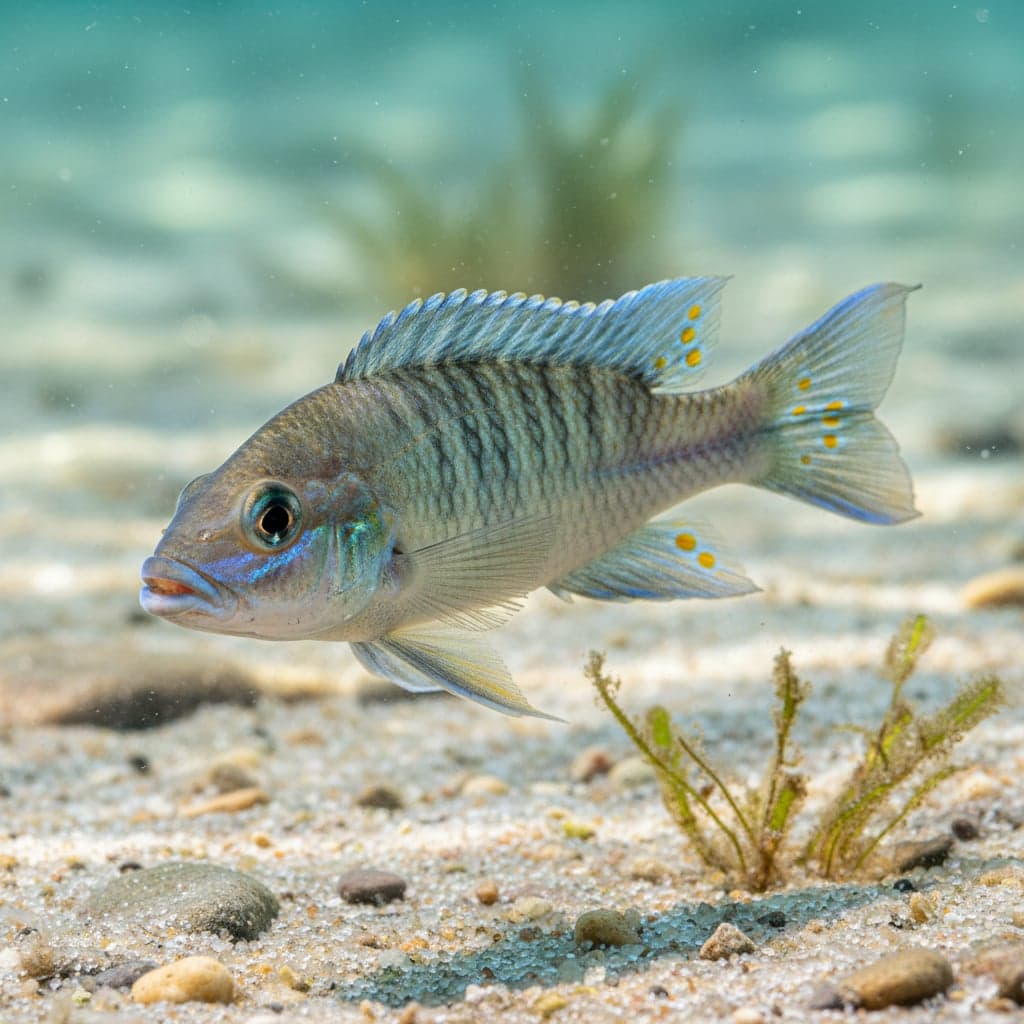
Yellow Sand Cichlid
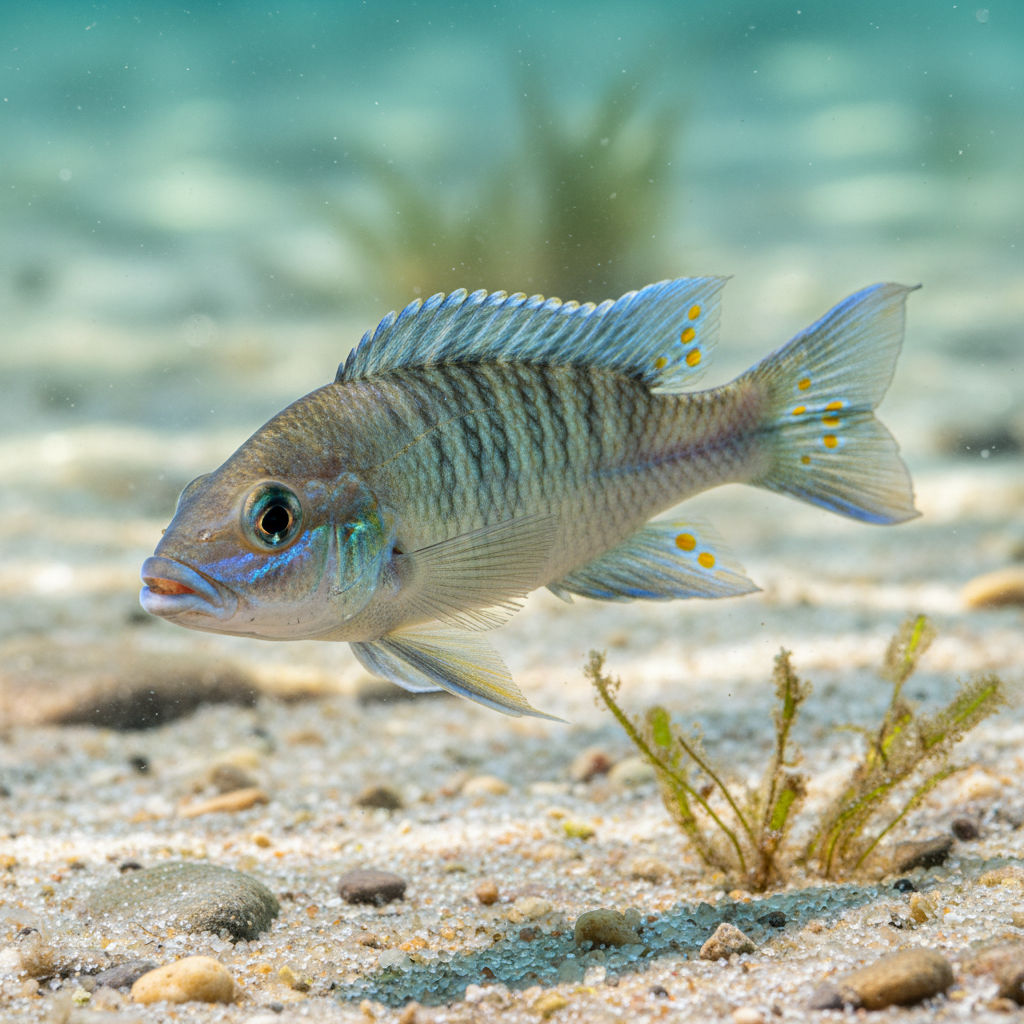
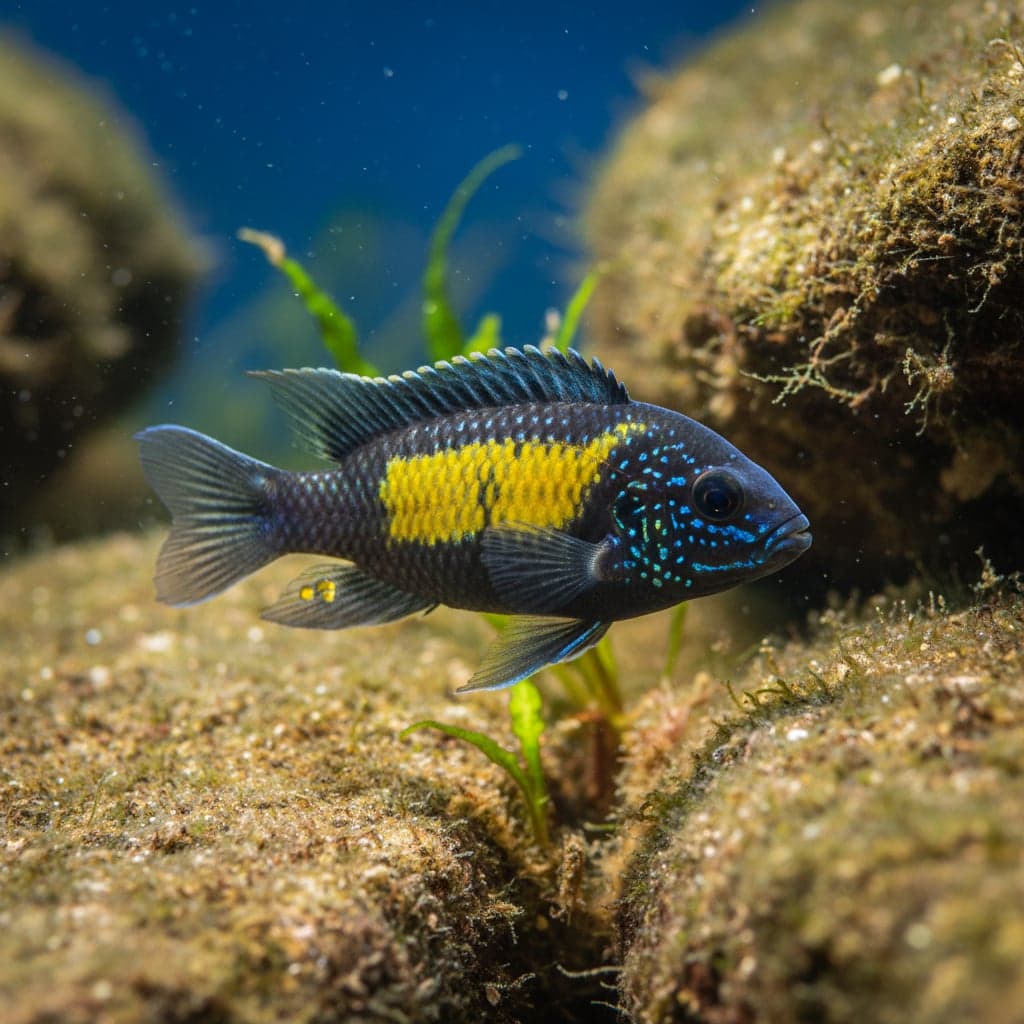
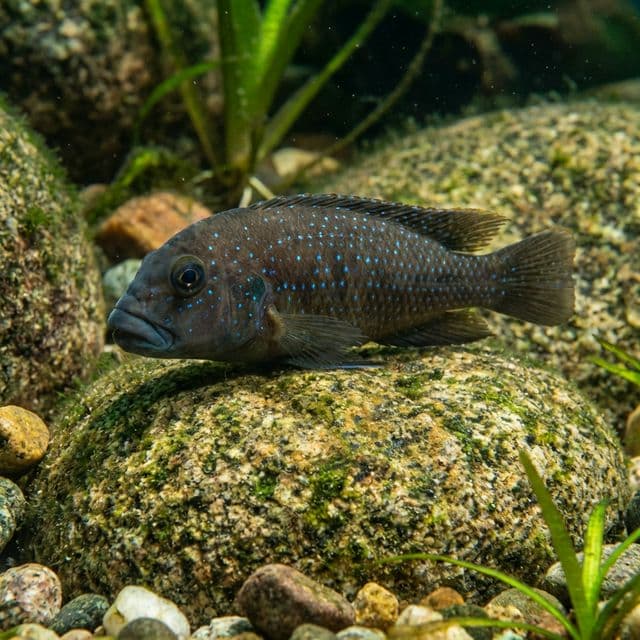
The Yellow Sand Cichlid, scientifically known as Xenotilapia flavipinnis, is a captivating species of cichlid native to the sandy lakebeds of Africa’s Lake Tanganyika. Renowned for its striking coloration, this species features vibrant yellow fins contrasting beautifully with its more muted body tones, creating a visually stunning specimen in any aquarium. This cichlid’s unique appearance and peaceful demeanor make it highly desirable among aquarium enthusiasts, allowing it to stand out as both a collector’s item and a living work of art.
In the aquarium hobby, the Yellow Sand Cichlid is often sought after for its engaging behavior and dynamic presence. As a substrate spawner, it displays fascinating courtship rituals that can be captivating for aquarists to observe. Additionally, its adaptability to a well-maintained tank further solidifies its status among cichlid aficionados. With the right conditions and care, the Yellow Sand Cichlid can thrive in captivity, offering a rewarding experience for both novice and experienced aquarists.
Natural Habitat & Origin
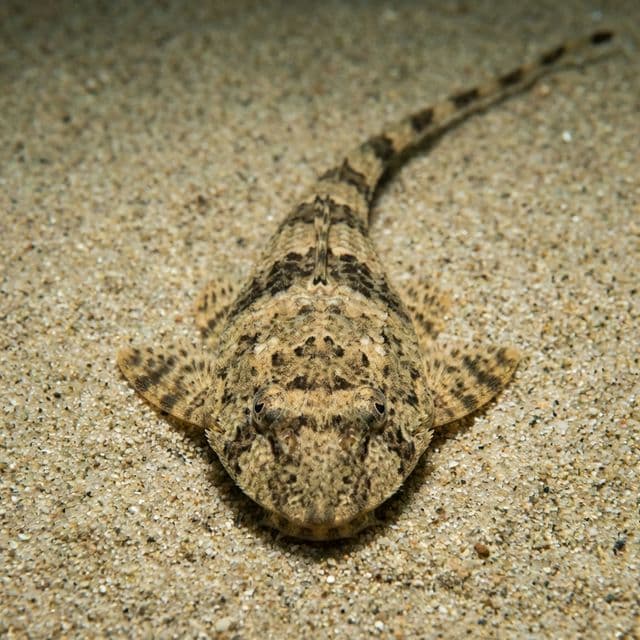
The Yellow Sand Cichlid is indigenous to the sandy shorelines of Lake Tanganyika, one of the oldest and deepest freshwater lakes in the world, located on the borders of four African countries: Tanzania, the Democratic Republic of the Congo, Burundi, and Zambia. This cichlid prefers clear, well-oxygenated waters with minimal current, typically found at depths ranging from 5 to 30 meters. The substrate is predominantly composed of sand, providing the ideal environment for its natural behavior of burrowing and foraging for invertebrates and detritus.
In its natural habitat, the Yellow Sand Cichlid enjoys a stable environment with specific ecological parameters, including a slightly alkaline pH of 7.8 to 9.0, a temperature range of 24 to 30 degrees Celsius (75 to 86 degrees Fahrenheit), and moderate hardness levels between 10 to 15 dGH. Understanding these environmental parameters is crucial for success in keeping this species in captivity, ensuring a healthy and stress-free aquarium setting.
Care Requirements
To maintain a thriving environment for the Yellow Sand Cichlid, meticulous attention to water quality and tank setup is essential. Ideal water parameters include a pH of 8.0 to 9.0, water temperatures between 24 to 30 degrees Celsius (75 to 86 degrees Fahrenheit), and hardness ranging from 10 to 15 dGH. Regular water testing and maintenance will help to ensure stability in these parameters, promoting the health and vitality of your Yellow Sand Cichlid.
When setting up the tank, a minimum size of 50 gallons is recommended to provide ample swimming space for this species, as well as to accommodate them in a community setup. A sandy substrate mimics their natural lakebed environment and allows them to display their natural behaviors such as digging and spawning. Lighting should be moderate, with places for retreat such as caves and rocky structures, while the inclusion of hardy plants can add to the aesthetic appeal and provide shelter without hindering the swimming space.
Diet & Feeding
The Yellow Sand Cichlid is primarily an omnivore, with a diet that consists of a variety of foods to foster optimal health. In the wild, they feed on small invertebrates, detritus, and algae that inhabit the sandy substrate. To replicate this natural diet in an aquarium, it is recommended to provide high-quality flake foods or cichlid pellets that are high in protein. Supplementing their diet with frozen or live foods like brine shrimp, bloodworms, and daphnia can also enhance their nutrition and promote natural foraging behaviors.
Regular feeding should be tailored to their needs, offering meals two to three times a day in small portions that can be consumed within a few minutes. This will help maintain water clarity and prevent overfeeding, which can lead to health issues. A diet enriched with vegetable matter, such as spirulina flakes or blanched leafy greens, will also support their overall health.
Behavior & Temperament
The Yellow Sand Cichlid is known for its peaceful nature, making it an excellent addition to community tanks with appropriately selected tank mates. This species exhibits a more solitary behavior than some other cichlid species, often establishing territories; however, it is generally less aggressive. They tend to thrive in groups, so keeping them in a small school can encourage a more natural social structure and help alleviate stress.
In terms of vertical placement, the Yellow Sand Cichlid prefers to dwell in the lower regions of the tank, where they can engage in digging and foraging activities. Providing a structured environment with plenty of hiding spots will promote security and reduce potential conflicts with other species. Overall, observing their social interactions and territorial displays adds a captivating dynamic to the aquarium.
Tank Mates
When selecting tank mates for the Yellow Sand Cichlid, it is crucial to consider species that share similar water requirements and temperaments to minimize aggression. Compatible species include other peaceful cichlids from the Tanganyika region, such as the Frontosa (Cyphotilapia frontosa) or the Eretmodus cyanostictus, as well as non-cichlid species like various types of peaceful catfish (e.g., Synodontis species) and haplochromine species.
Conversely, avoid keeping the Yellow Sand Cichlid with aggressive species or those known for fin-nipping, such as certain barbs or angelfish. Additionally, small fish that might be seen as food should not be housed with this cichlid, as it may exhibit predatory behavior. A well-planned community tank ensures harmony and enhances the beauty of the aquarium while allowing the Yellow Sand Cichlid to thrive.
Breeding
Breeding the Yellow Sand Cichlid in captivity can be a rewarding challenge for dedicated aquarists. This species exhibits mouthbrooding behavior, where the female incubates her eggs in her mouth after spawning. To encourage successful breeding, providing a spawning environment with a sandy substrate and flat rocks or caves is essential, as they are preferred spawning sites.
The breeding process begins with the courtship display, where males exhibit vibrant colors and perform elaborate dances to attract females. Once a pair has formed, the female will lay between 10 to 30 eggs, which the male fertilizes. The female will then pick up the fertilized eggs and carry them in her mouth for approximately three weeks until they hatch into fry. During this time, maintaining optimal water parameters and minimizing disturbances is vital to ensure successful fry development.
Common Health Issues
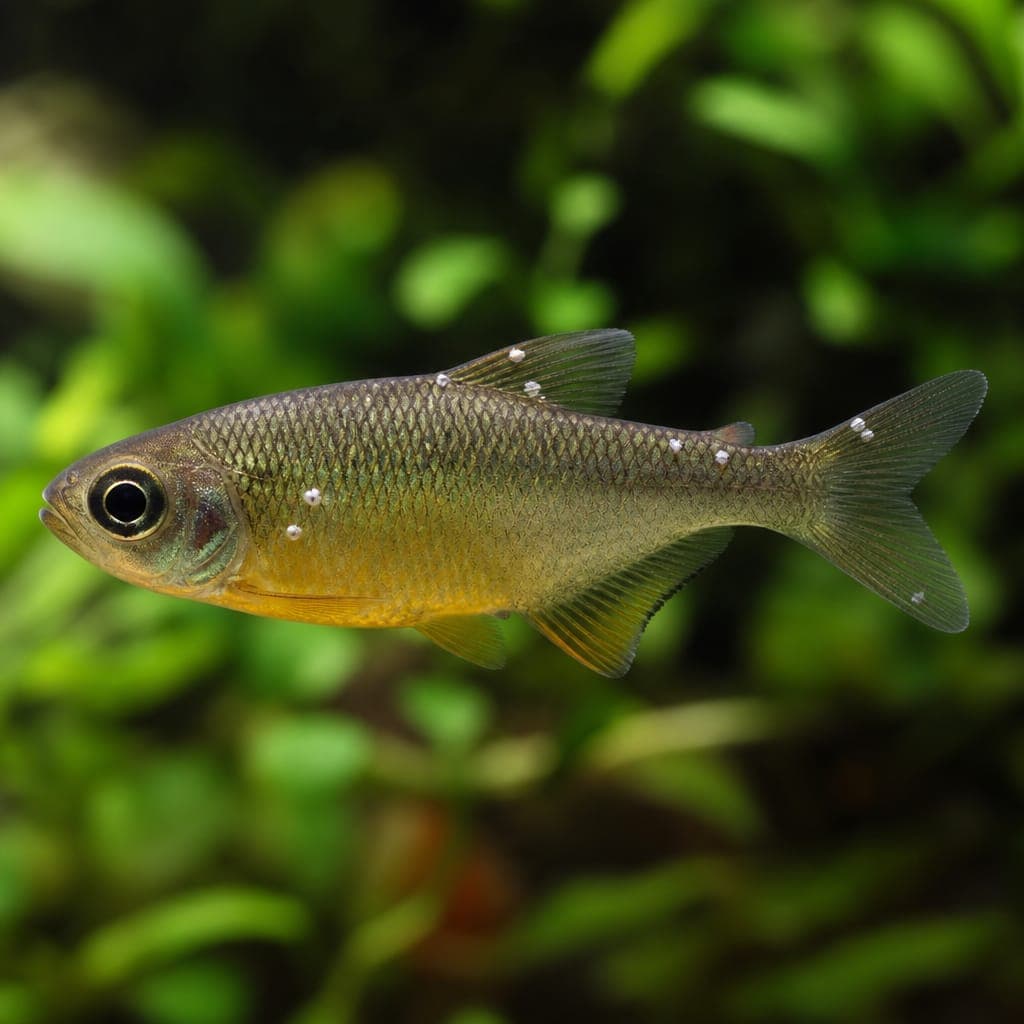
The Yellow Sand Cichlid can be vulnerable to several health issues, including ich (Ichthyophthirius multifiliis), fin rot, and gastrointestinal disorders. Ich is commonly triggered by environmental stressors, such as fluctuations in water temperature or poor water quality, leading to the appearance of white spots on the fish's body. Early treatment with appropriate medications can help eliminate the parasite.
To prevent health issues, maintaining pristine water quality through regular testing and water changes is crucial. Additionally, providing a varied diet and avoiding overcrowding can bolster their immune systems. Observing your fish regularly for any unusual behaviors or warning signs will aid in early detection of health problems, allowing for prompt intervention when necessary.