Yellow Tail Blue Damselfish
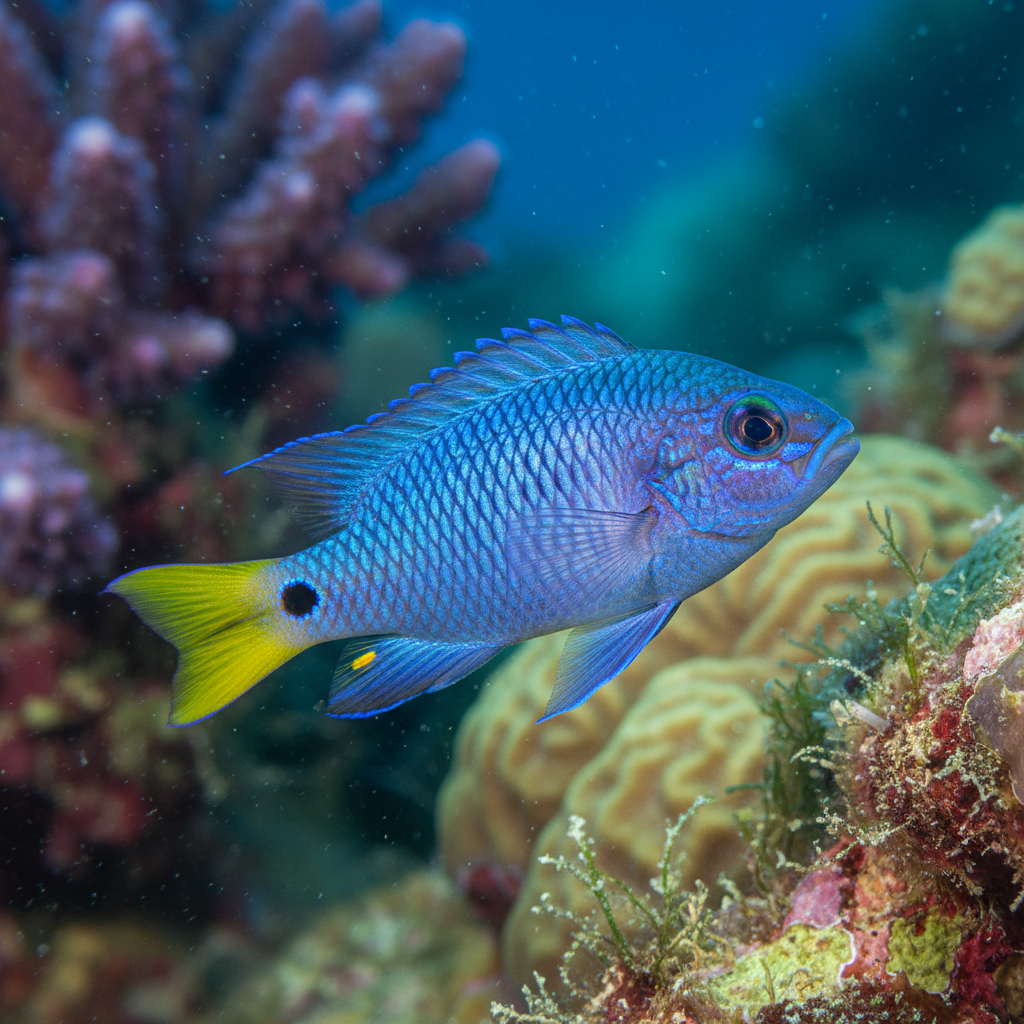
A 7cm damsel, blue with a yellow tail, and the most peaceful of the common damsels. Hardy and reef safe, but still territorial in a small tank.
Yellow Tail Blue Damselfish
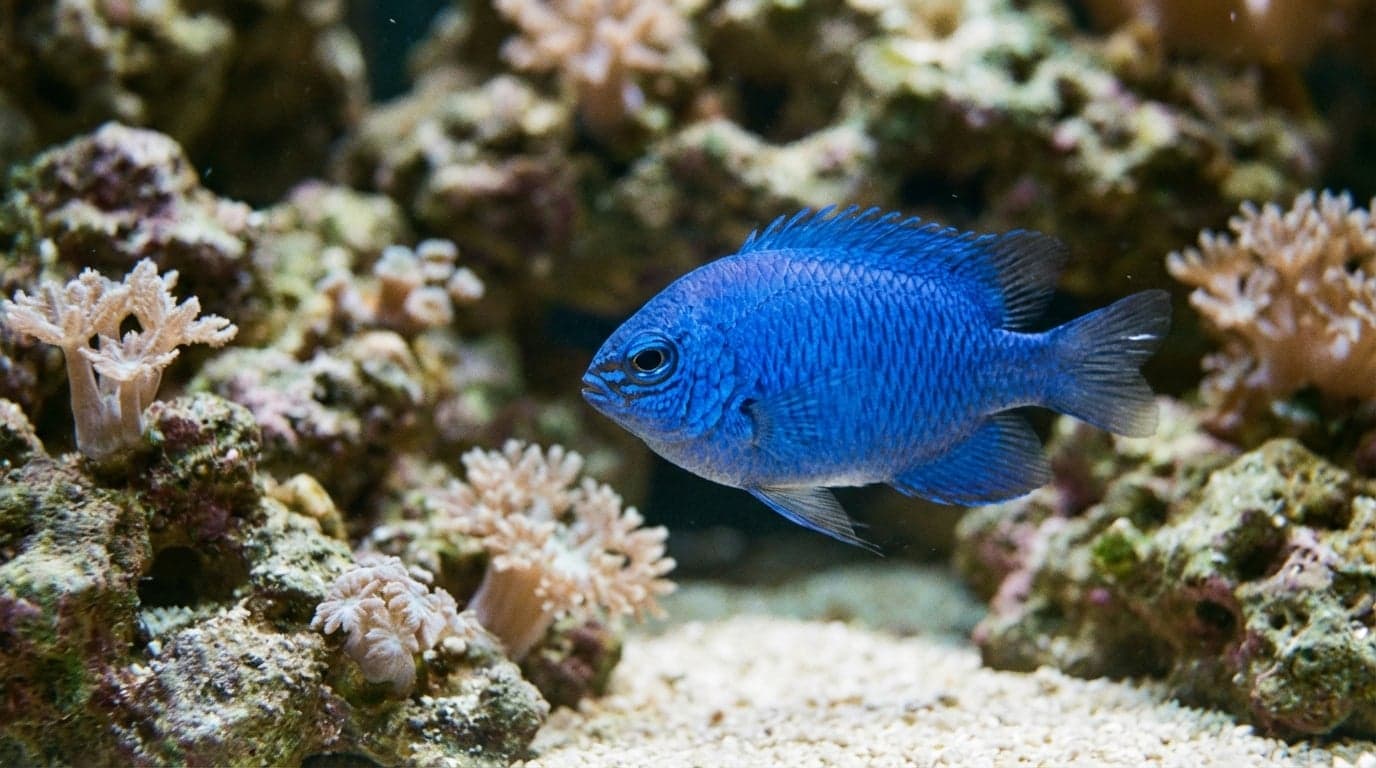
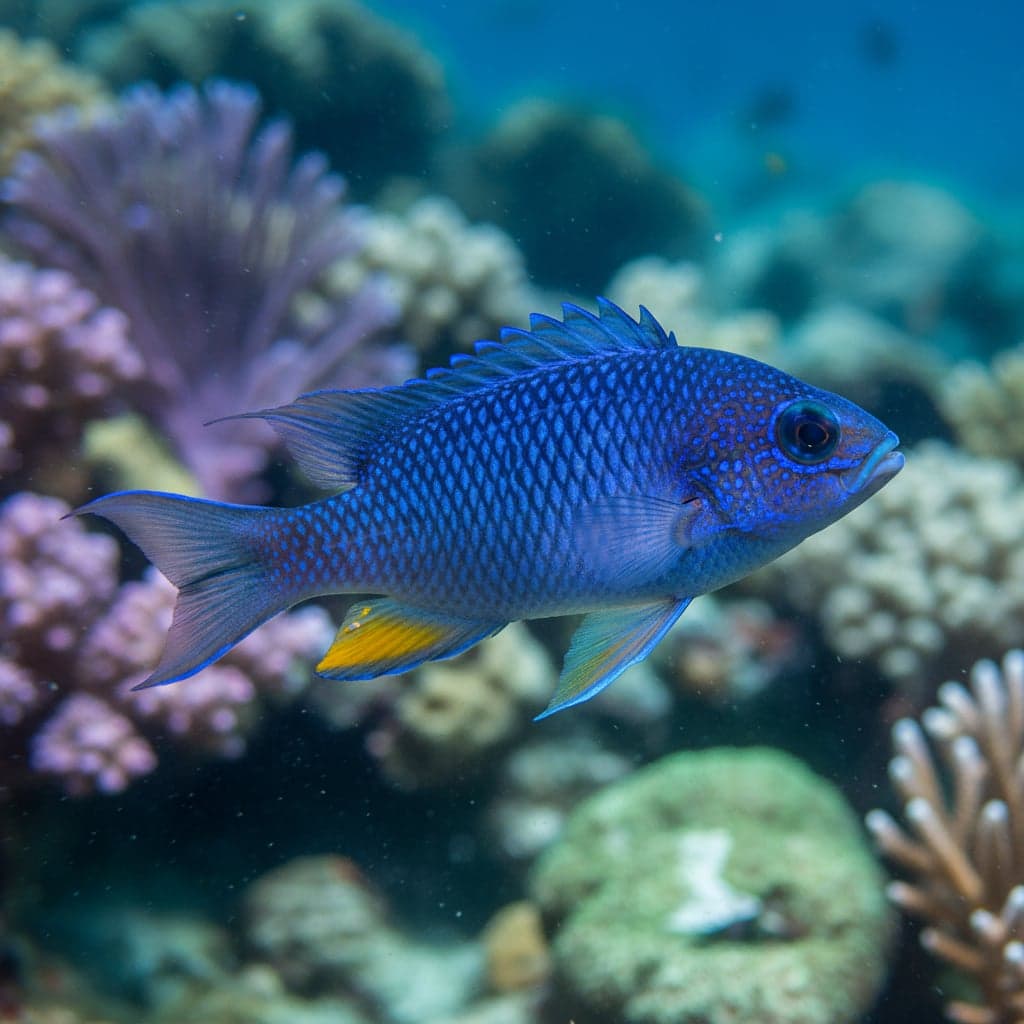
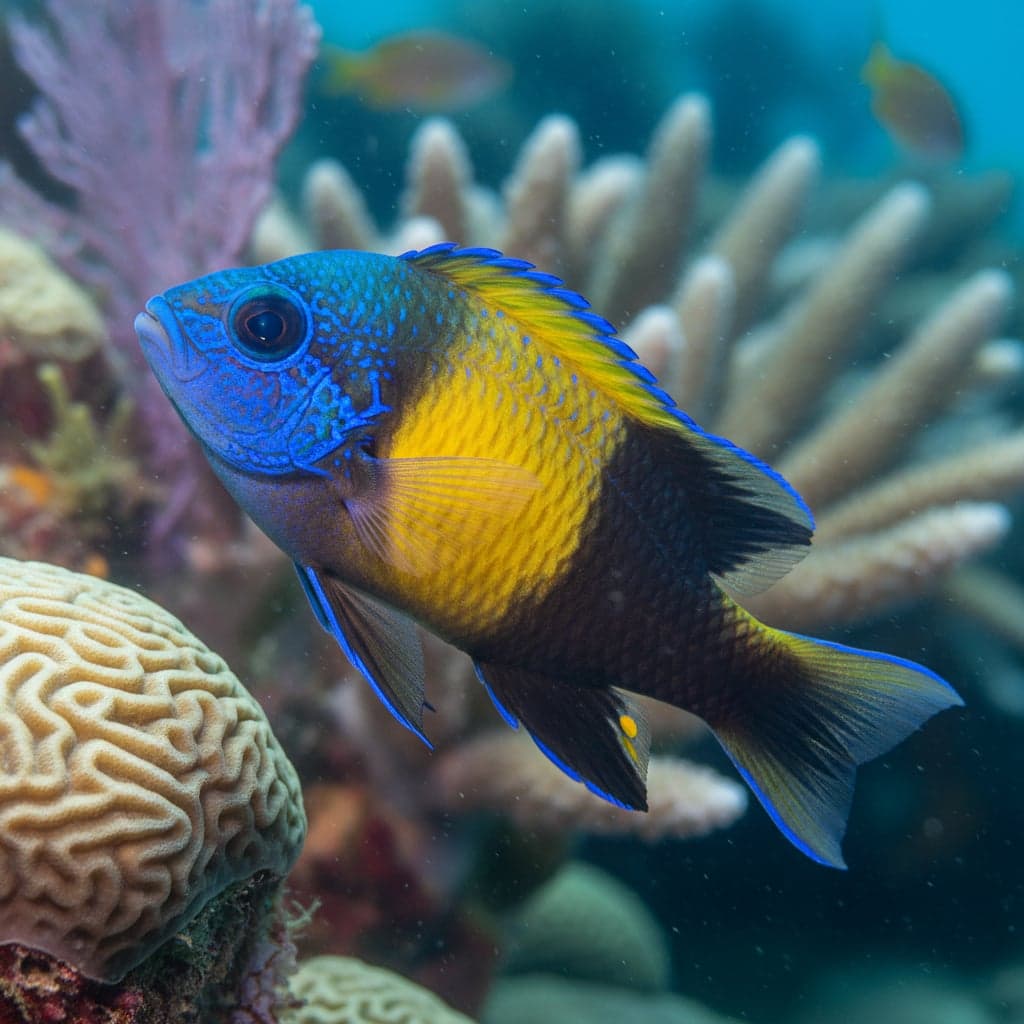
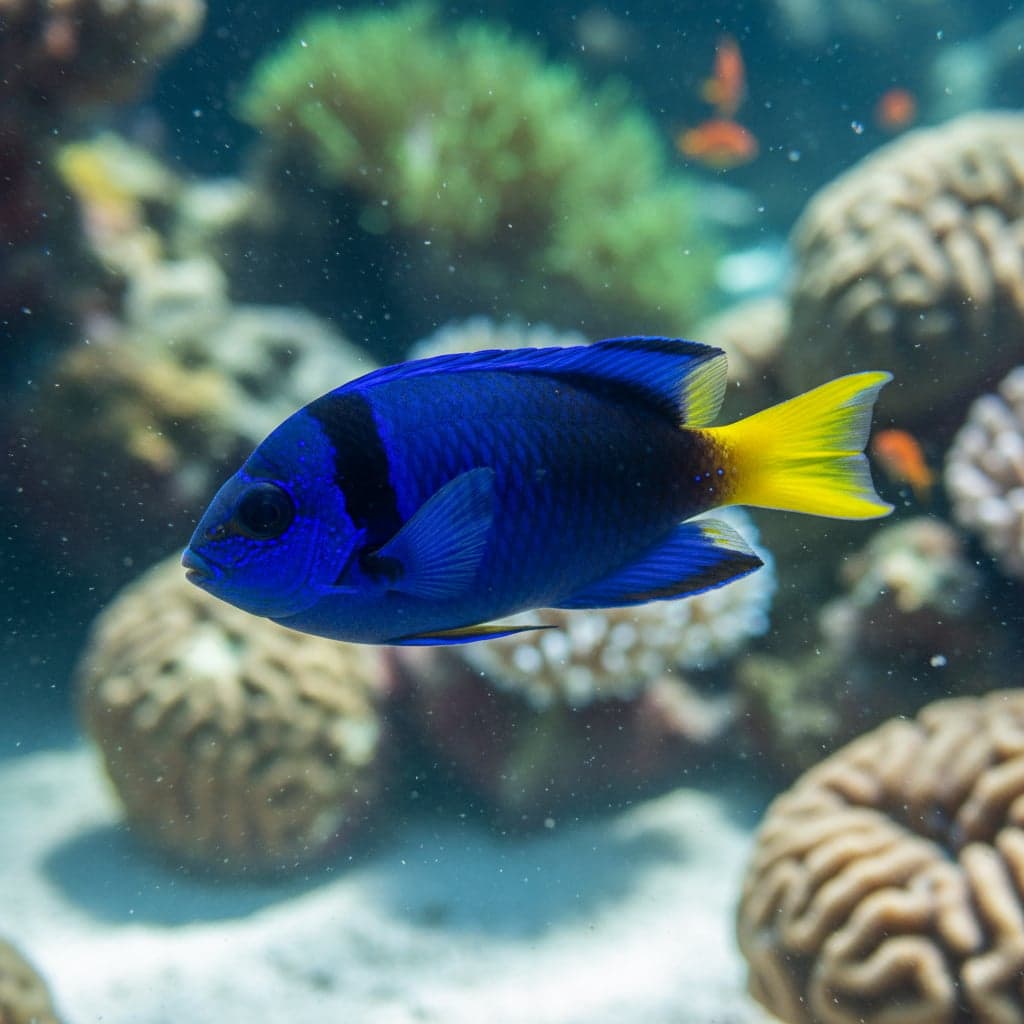
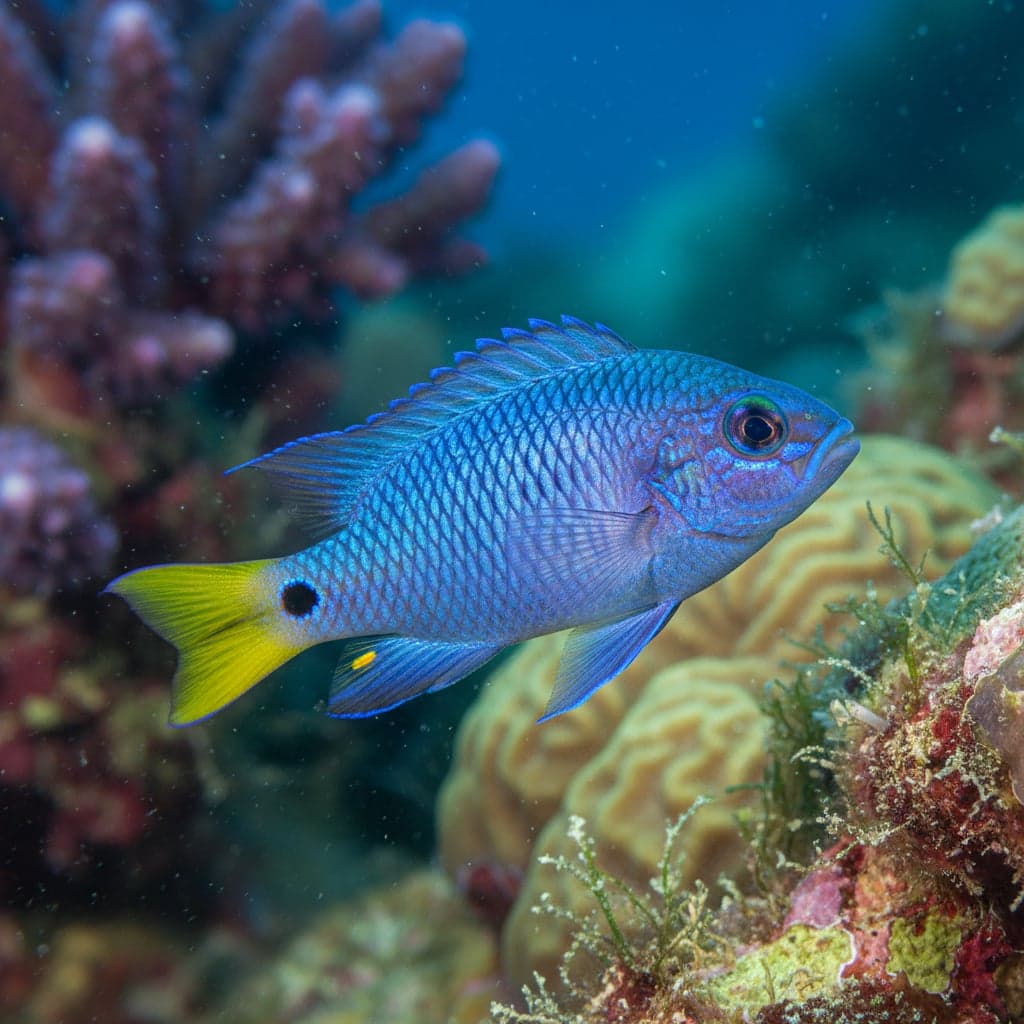
The Yellow Tail Blue Damselfish, scientifically known as Chrysiptera parasema, is a striking marine species popular among aquarium enthusiasts for its vivid coloration and hardiness. Adults typically display a vibrant blue body complemented by a brilliant yellow tail, which makes them stand out in both natural environments and tank settings. These fish grow to about 3 inches in length and are revered not only for their stunning appearance but also for their adaptability to various aquarium conditions. Their captivating colors and dynamic swimming patterns provide visual interest and liveliness, making them a staple in many marine setups.
In the aquarium hobby, the Yellow Tail Blue Damselfish holds significance as an entry-level fish for beginners as well as a staple for seasoned aquarists. Its resilience and ease of care make it an ideal choice for those venturing into the marine aquarium realm. In addition to their beauty, they have been known to exhibit engaging behaviors, such as establishing territories and pairing with other conspecifics. Their role in the aquarium ecosystem extends beyond aesthetics, as they contribute to the overall health and activity level of the aquatic environment they inhabit.
Natural Habitat & Origin
The Yellow Tail Blue Damselfish is native to the warm waters of the Indo-Pacific region, specifically found in areas surrounding the Great Barrier Reef, Fiji, and the Solomon Islands. It typically inhabits coral reefs and lagoon environments where it takes refuge among the thickets of coral and rock formations. This species prefers clear-water settings that provide ample visibility and abundant shelter. The natural habitat's complex structures foster opportunities for feeding and breeding, allowing these fish to thrive in their dynamic, biodiverse ecosystems.
In the wild, the Yellow Tail Blue Damselfish often resides in shallow waters ranging from 5 to 50 feet deep, where the vivid colors of both the fish and the surrounding reef make for a visually stunning environment. The ecological balance of these marine habitats is crucial for the well-being of these damselfish, as they rely on both the coral structures for protection and the diverse marine life for their varied diet.
Care Requirements
To successfully care for the Yellow Tail Blue Damselfish in a home aquarium, specific water parameters must be maintained. Ideal water conditions include a pH between 8.1 and 8.4, a temperature range of 75°F to 82°F, and a saltwater salinity of 1.020 to 1.025. The aquarium should have a minimum size of 75 litres (20 gallons) — this 7cm peaceful damsel still claims a small territory and needs swimming space plus hiding structure. A sandy substrate mimicking its natural habitat is recommended, along with live rock and coral elements to create a visually appealing and enriching environment.
Lighting in the aquarium should mimic the natural day-night cycle, preferably with full-spectrum LED or fluorescent lights that boost coral growth and provide a vibrant backdrop for the damselfish. While live plants are not a natural component of their habitat, they can still be included as they offer additional refuge. However, ensure that the tank has proper filtration to keep water parameters stable and oxygenated, enabling a healthy environment for the Yellow Tail Blue Damselfish.
Diet & Feeding
The Yellow Tail Blue Damselfish is an omnivore, thriving on a varied diet that includes both plant and animal matter. In captivity, they can be fed high-quality flakes, pellets, and frozen foods that are enriched with essential vitamins and nutrients. Offering a mix of marine-specific formulations that contain spirulina, brine shrimp, and mysis shrimp ensures the fish receives the necessary proteins and fiber for optimal health. Since they are active feeders, providing small portions multiple times a day encourages foraging behavior and keeps their metabolism in check.
Additionally, including live foods occasionally can stimulate their natural hunting instincts and enrich their diet. However, be cautious not to overfeed, as excessive food can lead to deteriorating water conditions and health issues. Maintaining a balanced diet with various food types will support vibrant coloration and enhance the overall vitality of the Yellow Tail Blue Damselfish.
Behavior & Temperament
The Yellow Tail Blue Damselfish exhibits lively and bold behavior that can significantly contribute to the activity level of the aquarium. Typically, they exhibit a semi-aggressive temperament, especially as they establish territories, particularly in smaller tanks. These fish are known for being mildly territorial, particularly in breeding conditions, but they can coexist peacefully with many species if sufficient space and hiding spots are available.
Though not a schooling fish, Yellow Tail Blue Damselfish can thrive in groups when housed in a large enough environment. They are usually found near the mid to upper sections of the tank, where they swim about actively. It's essential to monitor their interactions with other species to ensure a harmonious community within the aquarium.
Tank Mates
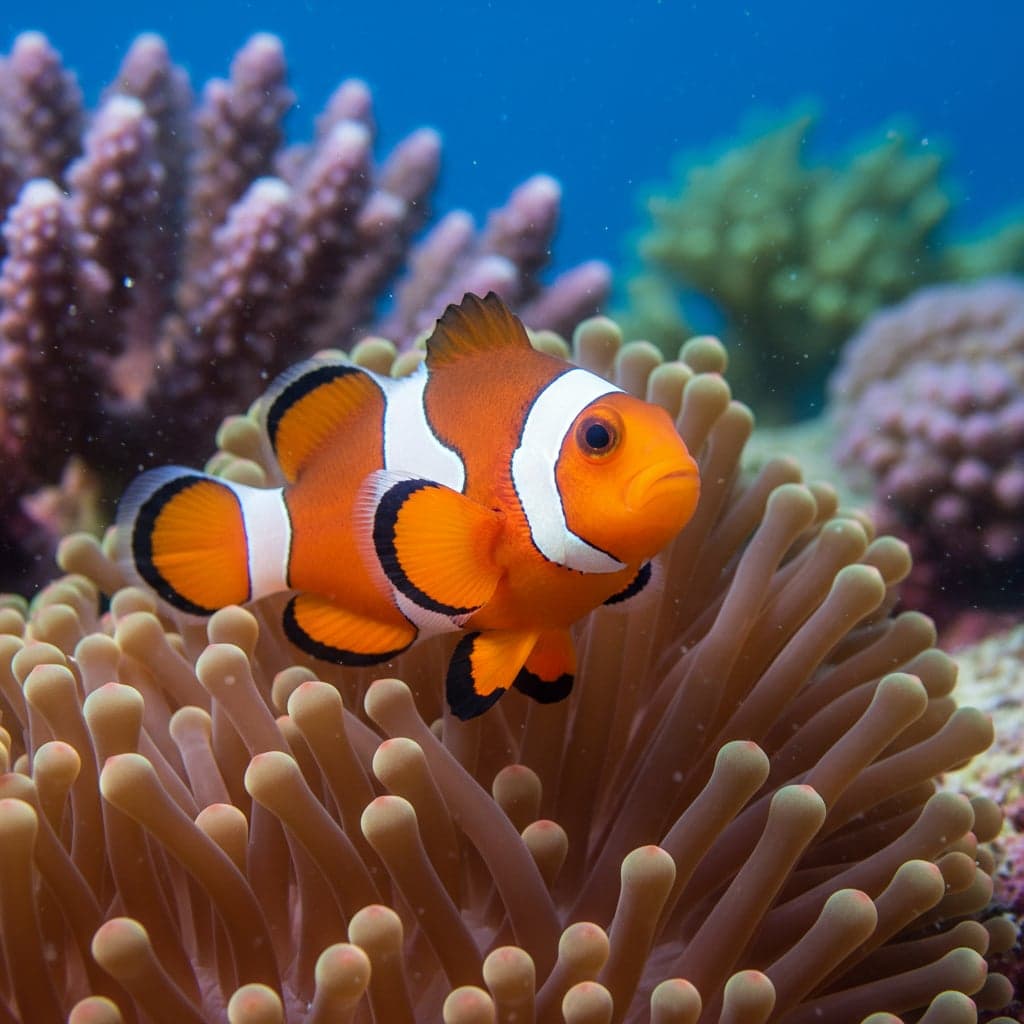
When choosing tank mates for the Yellow Tail Blue Damselfish, consider species that are similarly sized and can tolerate moderately aggressive behavior. Compatible tank mates include Clownfish, Dottybacks, and other peaceful Wrasses, as well as various invertebrates like small shrimp and snails. It is advisable to avoid housing them with overly aggressive or long-finned species, such as Angelfish or larger groupers, as well as slow-moving fish that they may see as targets to establish dominance over.
Maintaining a balanced and appropriately mixed community will result in a thriving aquarium environment. Like all marine species, careful selection of tank mates and monitoring of interactions are crucial for preventing stress and aggression in the Yellow Tail Blue Damselfish.
Breeding
Breeding the Yellow Tail Blue Damselfish in captivity is achievable, given the right conditions. These fish are known to form monogamous pairs during breeding season. They prefer to lay their eggs in sheltered areas, such as small caves or under overhangs in the aquarium, where they can guard them from potential threats. Successful breeding typically requires a slightly higher temperature, ideally around 80°F, along with stable water parameters to promote spawning behavior.
The female usually lays groups of eggs that the male fertilizes shortly after. The male takes on the responsibility of guarding the eggs, which typically hatch within 6 to 8 days, depending on water temperature. Post-hatching, the fry will require infusoria or powdered foods suitable for small fish until they mature enough to consume larger food items.
Common Health Issues
While the Yellow Tail Blue Damselfish is considered hardy, it can still be prone to several common health issues. One of the most prevalent concerns is marine ich, a parasitic infection that can lead to severe health deterioration if not treated promptly. Other potential problems include fin rot, which can result from poor water conditions, and various forms of stress that may arise from overcrowding.
To prevent these issues, maintaining high water quality through regular monitoring and filtration is essential. Quarantining new arrivals before adding them to the main tank can help prevent potential disease introductions. Offering a balanced diet and ensuring a stress-free environment will also significantly contribute to the longevity and well-being of the Yellow Tail Blue Damselfish. Regular observation will allow aquarists to detect any health issues early, ensuring prompt action can be taken when needed.