Yellow Wrasse
A 12cm canary-yellow wrasse that hunts flatworms and pyramidellid snails. Reef safe, hardy, and it buries in sand at night — sand bed required.
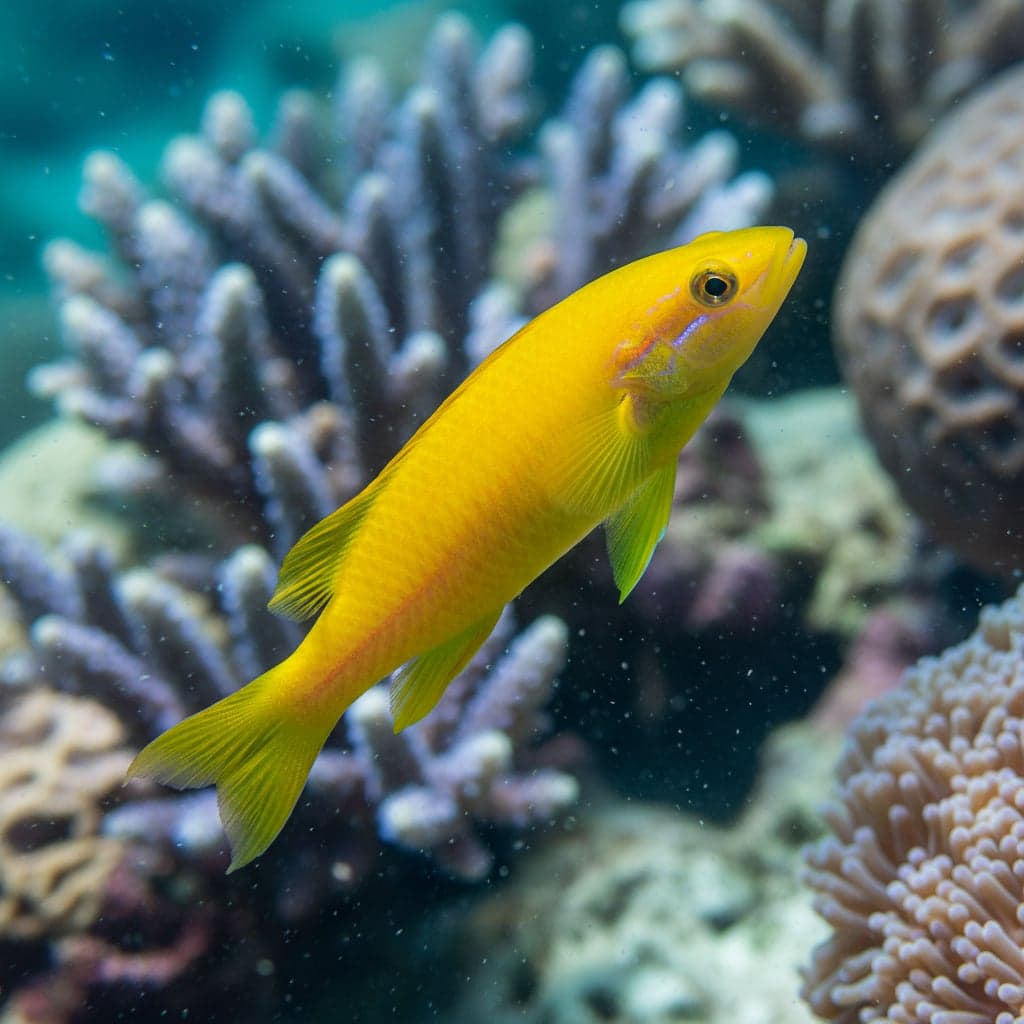
Yellow Wrasse
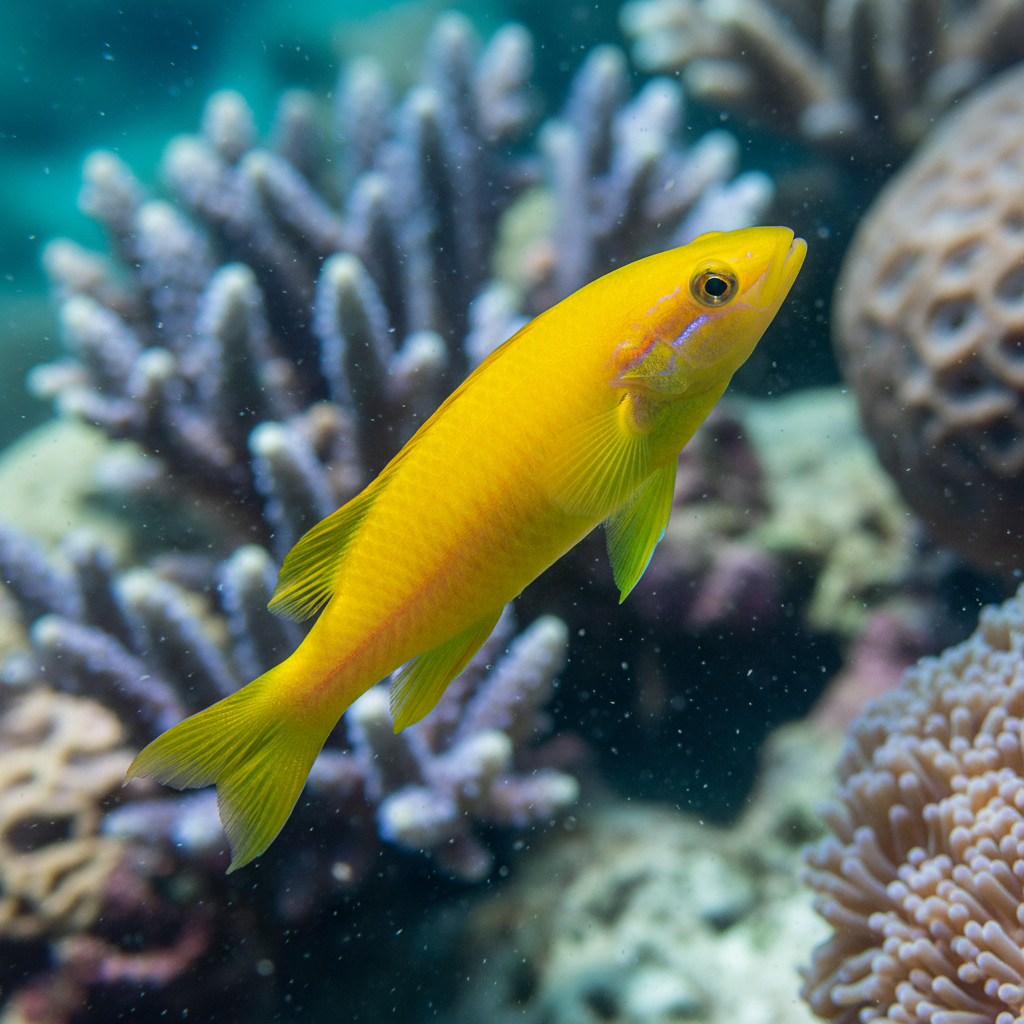
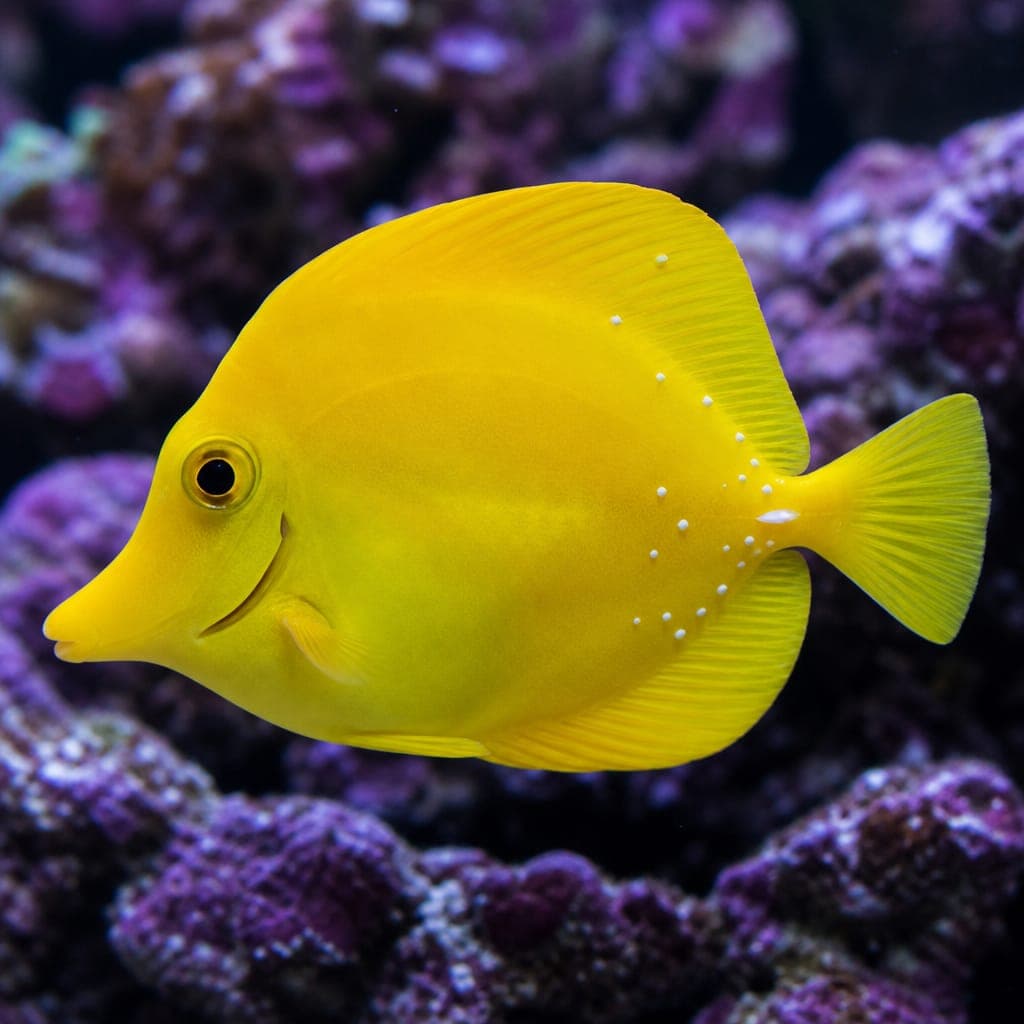
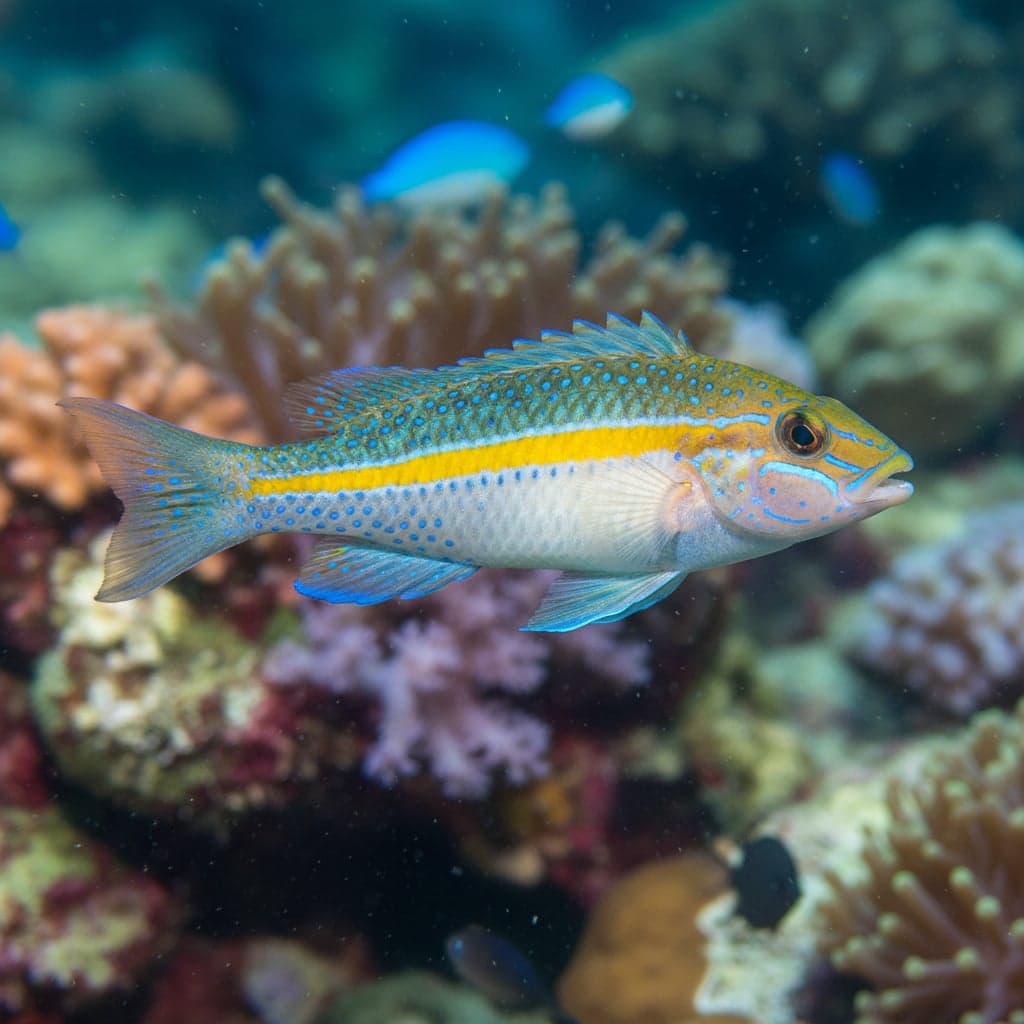
The Yellow Wrasse (Halichoeres chrysus) is a visually striking marine fish that has become a popular choice among aquarium enthusiasts. Known for its vibrant yellow coloration, this small wrasse exhibits an iridescent sheen that shines under various lighting conditions, making it a stunning addition to a marine setup. Typically, adult Yellow Wrasses can grow to about 4 to 5 inches in length. Their bodies are elongated and streamlined, adorned with distinct blue and green markings that add to their aesthetic allure. These colorful attributes, combined with their active swimming behavior, make them a chartered prize in reef and marine tanks.
In the aquarium hobby, the Yellow Wrasse plays a critical role due to its natural pest control abilities, particularly in controlling populations of small invertebrates like flatworms and bristle worms. This cleaning behavior not only promotes a healthier tank environment but also helps maintain the overall ecosystem balance. As such, aquarists often include Yellow Wrasses in their setups, appreciating both their beauty and utility. However, understanding their specific care requirements and natural behaviors is essential for ensuring their well-being in captivity.
Natural Habitat & Origin
The Yellow Wrasse is primarily found in the warm waters of the Indian and Pacific Oceans, with a geographical distribution encompassing areas such as the Red Sea, the Great Barrier Reef, and the coral-rich waters of the tropical islands in the Pacific. This species inhabits shallow reef environments, typically residing between 1 to 30 meters in depth. The natural water conditions where Yellow Wrasses thrive are generally clear, with a relatively stable temperature range and a preferred salinity level, which further underscores their need for quality water in captivity.
This species favors sandy and rocky substrates, often found hiding in crevices or burrowing into the sand during the day. The natural environment consists of vibrant coral reefs that provide shelter and ample foraging opportunities. These light-rich habitats, characterized by dynamic ecosystems, heavily influence the development of the Yellow Wrasse's vibrant coloration and agile swimming patterns.
Care Requirements
To keep Yellow Wrasses thriving in an aquarium, certain water parameters must be meticulously maintained. The ideal pH range for this species is between 8.1 to 8.4, reflecting the alkaline conditions of their natural habitat. Additionally, maintaining a water temperature between 75°F and 82°F (24°C - 28°C) is critical for their health and activity levels. Hardness levels of 8-12 dGH are recommended to provide a conducive environment for these marine dwellers.
The minimum tank size for a Yellow Wrasse should be at least 50 gallons, though larger tanks are preferred for better swimming space. A sandy substrate is ideal as it allows them to engage in natural burrowing behaviors. When setting up the aquarium, incorporate live rock and coral arrangements to mimic their natural habitat and provide hiding spots. Moderate to bright lighting should be used, as this not only supports photosynthetic organisms but also showcases the wrasse's dazzling colors. Elements like macroalgae can enhance the aesthetic appeal while also serving as a foraging area.
Diet & Feeding
Yellow Wrasses are opportunistic carnivores, primarily feeding on small invertebrates in the wild. In captivity, their diets should reflect this natural feeding behavior. It is advisable to provide a varied diet that includes high-quality pellets, flakes, and frozen foods like mysis shrimp, brine shrimp, and various types of marine food. Live food can also be offered occasionally, such as small amphipods or copepods, to stimulate their natural hunting instincts and maintain their health.
Offering a mix of both protein-rich foods and some plant matter, such as finely chopped seaweed or spirulina, will ensure they receive a balanced diet. Regular feeding schedules, providing small amounts multiple times a day, will keep the Yellow Wrasse well-fed and active. Overfeeding should be avoided to maintain water quality within the aquarium.
Behavior & Temperament
The Yellow Wrasse is known for its lively and active behavior, making it a captivating subject for observation. These fish are often seen darting through the water column and playfully exploring their surroundings. While they are generally peaceful, Yellow Wrasses can exhibit territorial tendencies, especially as they establish their home within the aquarium. In terms of social behavior, they are not necessarily schooling fish but can coexist amicably with other species, provided that enough space and hiding spots are available.
In terms of tank placement, the Yellow Wrasse is typically found in the mid to upper levels of the aquarium, where they can swim freely and display their vibrant colors. Introducing the Yellow Wrasse to a well-established tank with calm tank mates will help reduce stress and aggression during their acclimatization process.
Tank Mates
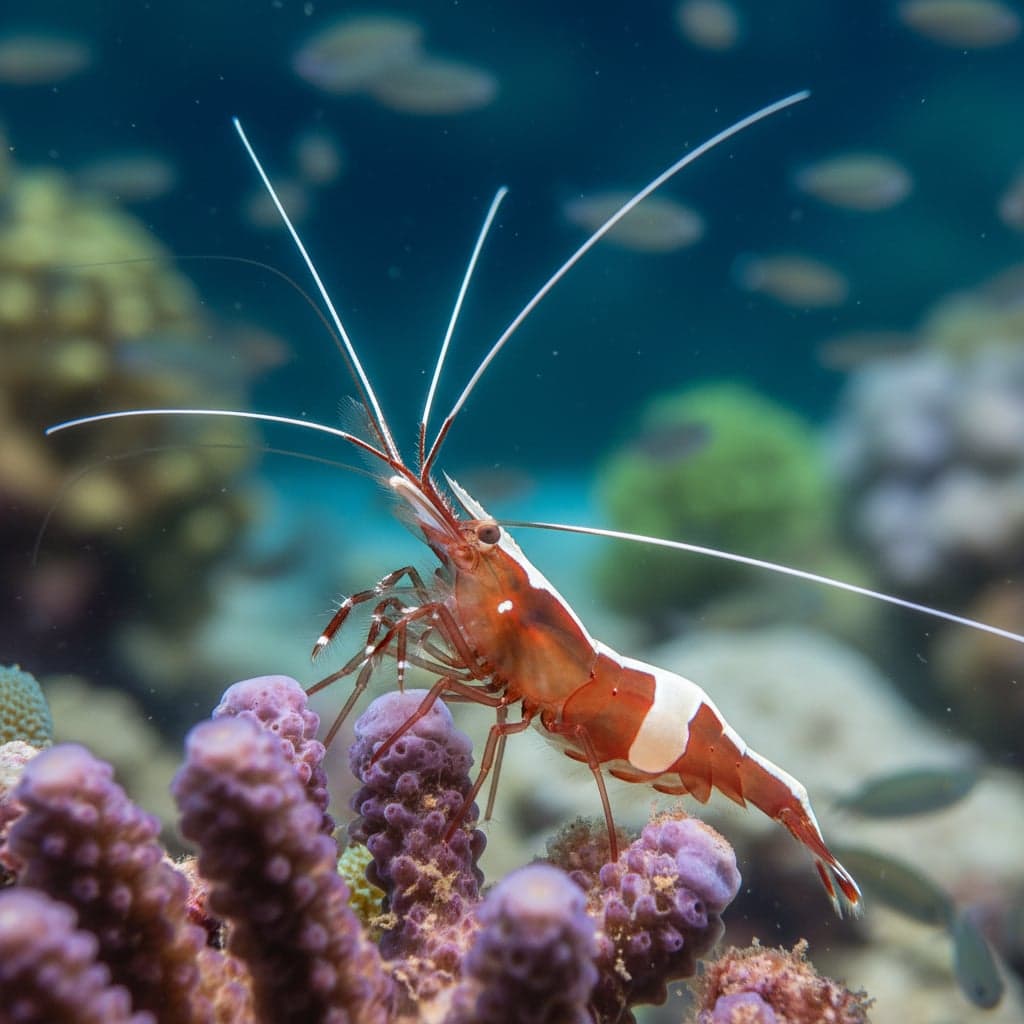
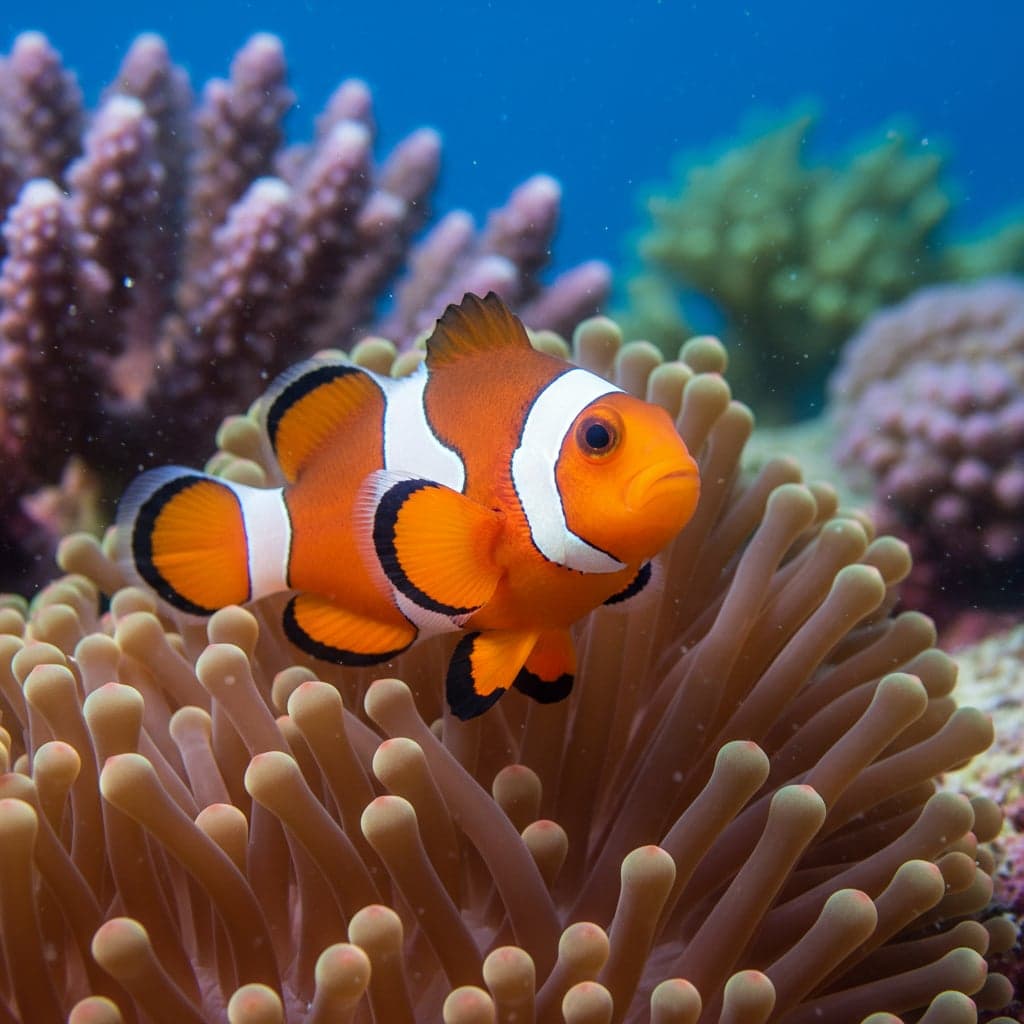
When selecting tank mates for the Yellow Wrasse, it is essential to choose species known for their peaceful nature and compatibility with similar-sized fish. Suitable companions include clownfish, dottybacks, gobies, and other small wrasses that share similar habitat preferences. Additionally, the Yellow Wrasse may coexist well with invertebrates, such as cleaner shrimp and hermit crabs, that are not perceived as food.
It is crucial to avoid pairing Yellow Wrasses with overly aggressive species or larger fish that may threaten their well-being. Species such as triggerfish, large parrotfish, or aggressive groupers could pose a significant threat to the Yellow Wrasse, leading to stress or injury. The key is to create a balanced community tank that ensures the Yellow Wrasse has the opportunity to thrive.
Breeding
Breeding Yellow Wrasses in captivity has proven to be a challenging endeavor, primarily due to the difficulties in replicating their natural spawning conditions. These fish are known to exhibit a pelagic spawning behavior in the wild, releasing eggs into the open water during twilight periods. For successful breeding in an aquarium setting, ample swimming space and appropriate environmental conditions, including stable water parameters and a varied diet, are essential.
Some aquarists have reported success in breeding by keeping a small group of Yellow Wrasses in a larger tank where they can form natural pairs. Providing plenty of hiding places and stable water quality will encourage natural breeding behaviors. However, securing fertilized eggs and raising the larvae require specialized care and setups, often necessitating dedicated breeding tanks with rotifers or specialized fry foods to ensure successful maturation.
Common Health Issues
Though robust, Yellow Wrasses can be prone to certain health issues, primarily ich (Cryptocaryon irritans) and other external parasites. Regular monitoring of water quality and maintaining optimal tank conditions play a crucial role in preventing these health problems. Stress, brought on by poor water parameters or aggressive tank mates, can also lead to increased susceptibility to diseases.
Preventive measures include introducing new fish to a quarantine tank before adding them to the main aquarium, ensuring that all tank inhabitants are healthy and disease-free. A balanced diet coupled with periodic fresh water changes can also enhance the immune systems of Yellow Wrasses and help maintain their overall health. Providing a stress-free environment, complete with plenty of hiding spots and the opportunity for natural behaviors, will further reduce health risks and promote longevity in captivity.