Fish

Yellowbanded Possum Wrasse

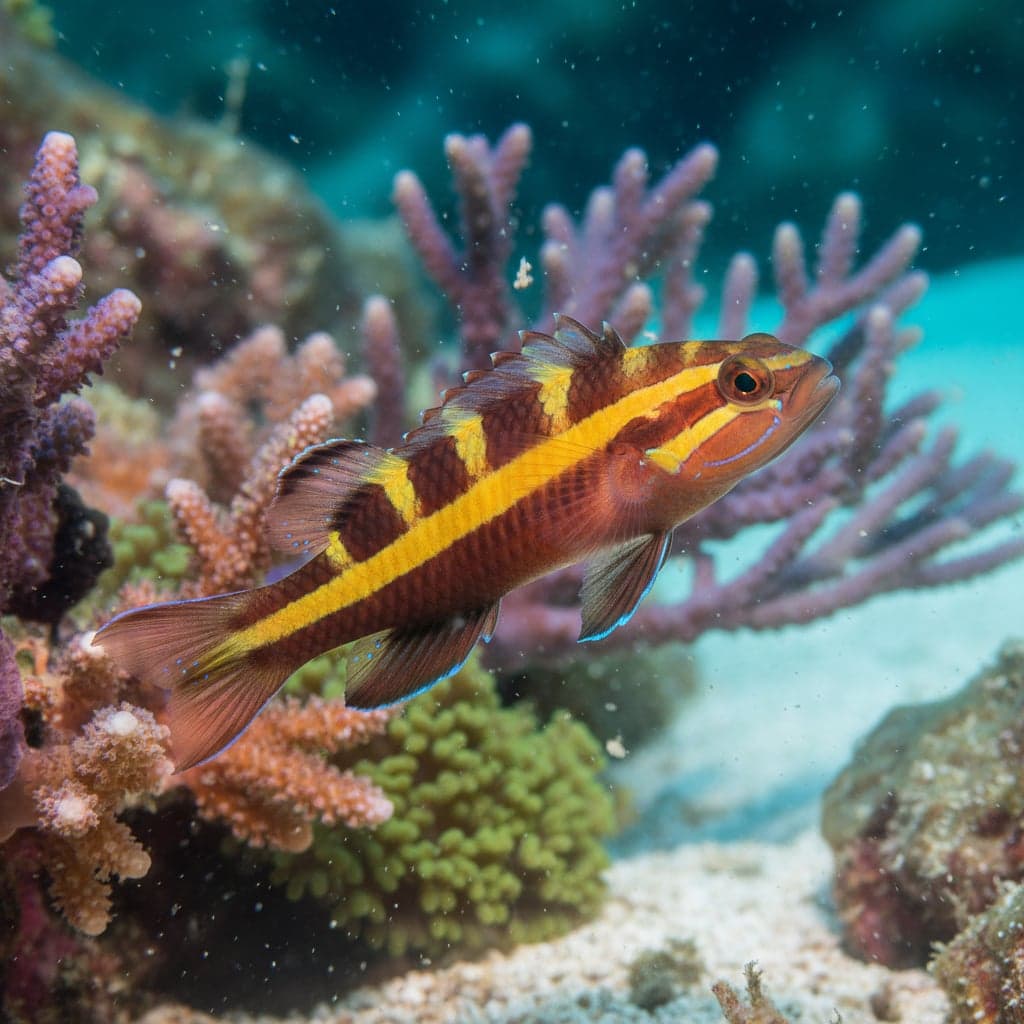
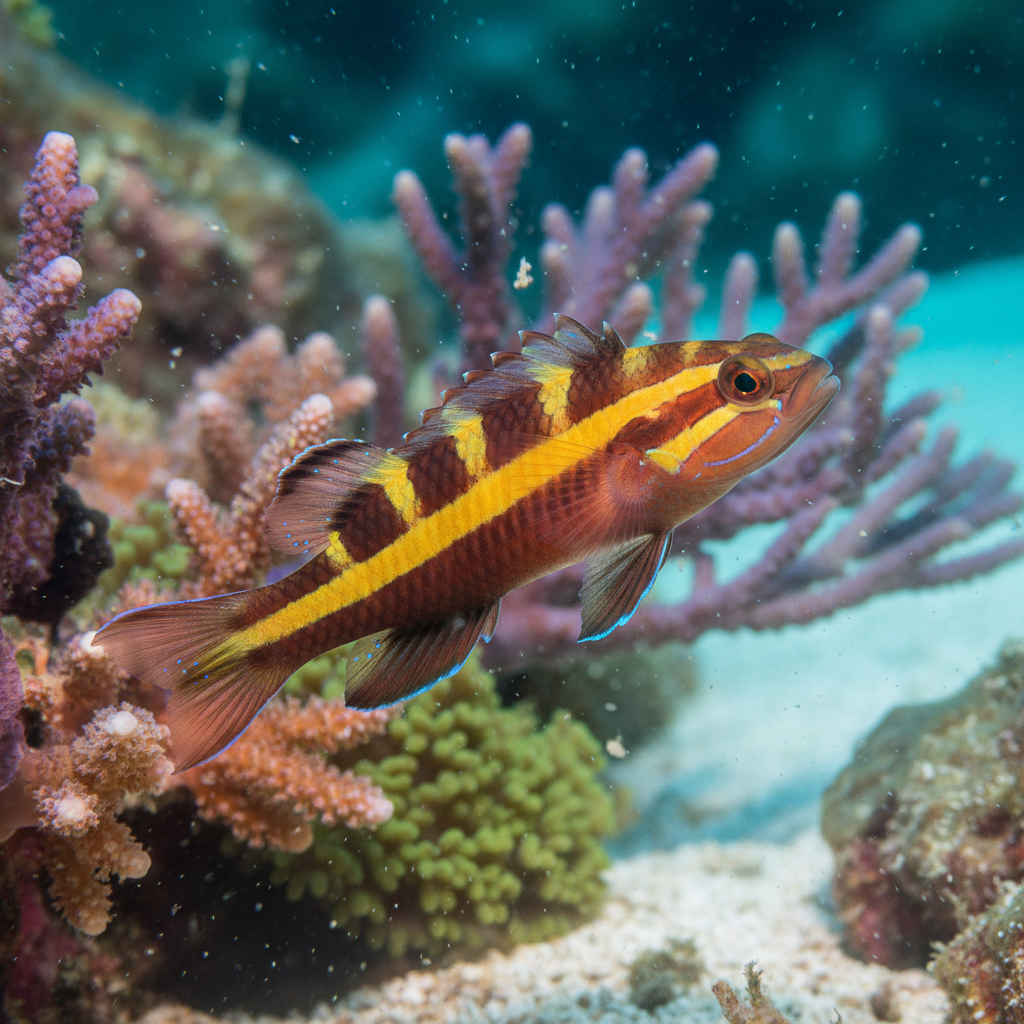
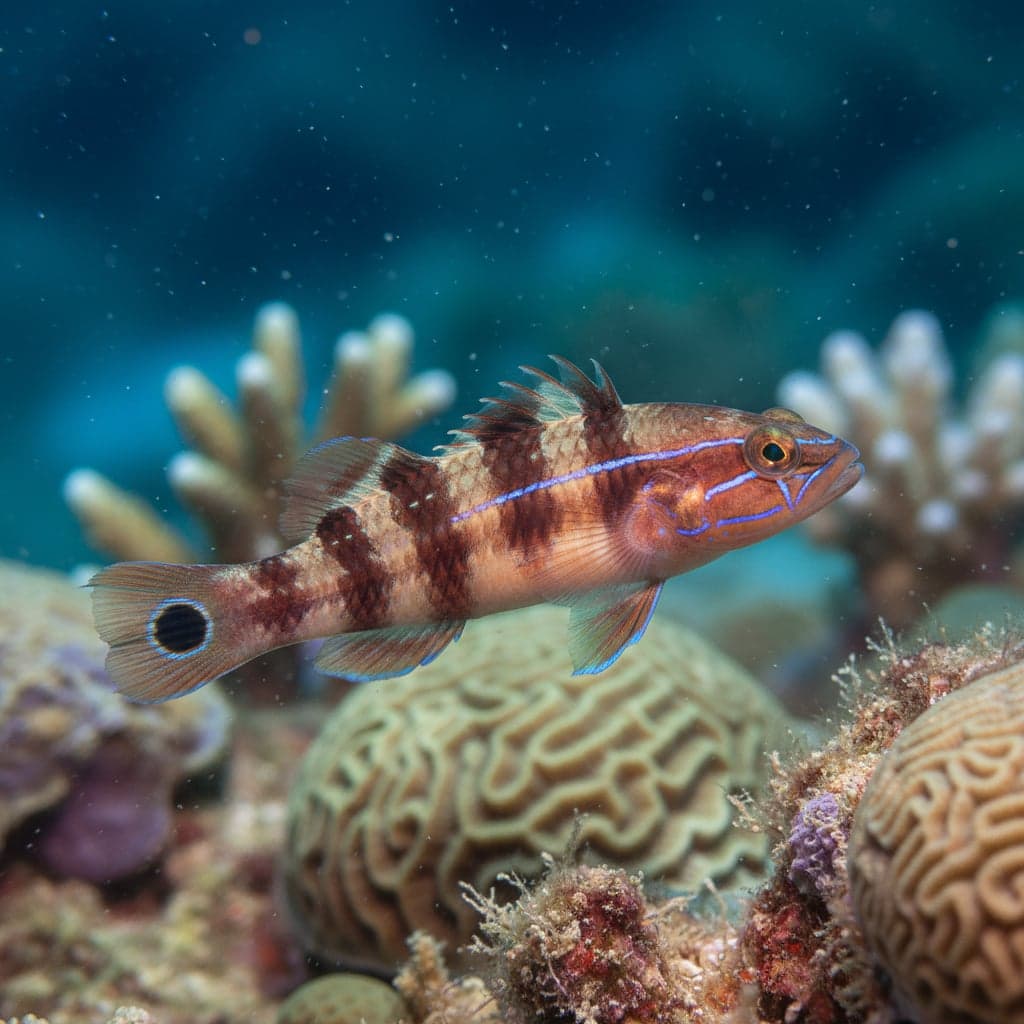
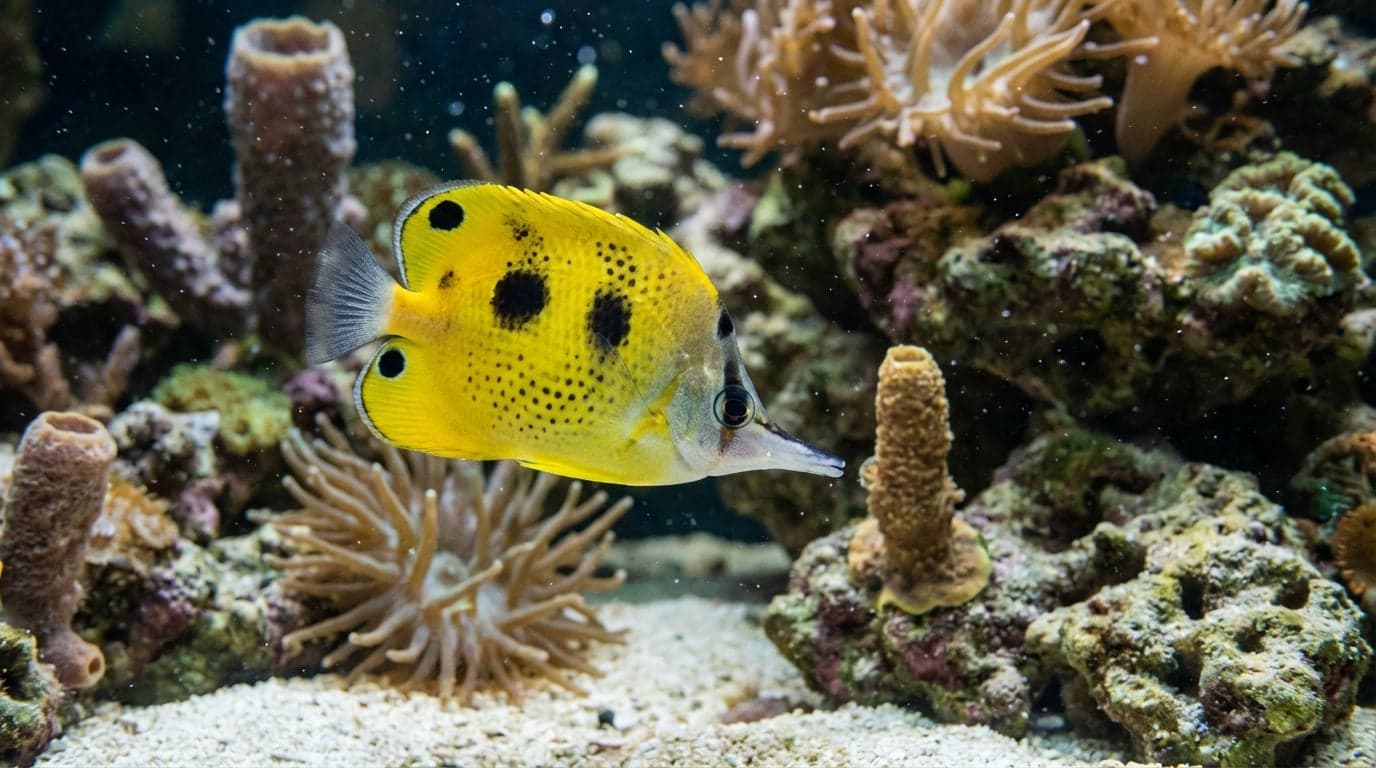
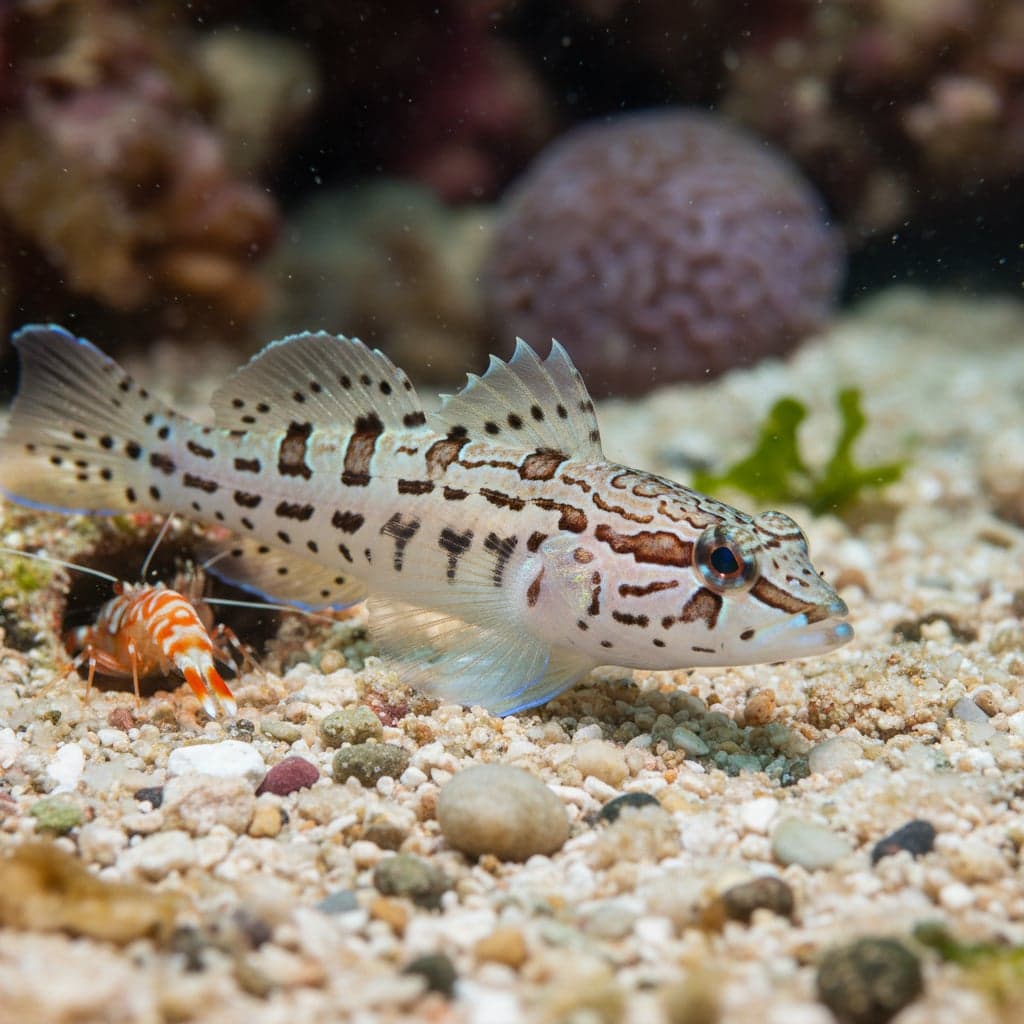
The Yellowbanded Possum Wrasse (Wetmorella nigropinnata) is a stunning saltwater fish known for its unique appearance and behavior.

Studio Scaped
Yellowbanded Possum Wrasse

Yellowbanded Possum Wrasse

The Yellowbanded Possum Wrasse (Bodianus bimaculatus) is a captivating marine species known for its vibrant coloration and distinct patterns, making it a highly sought-after addition to aquariums. Its elongated body is adorned with striking yellow bands that contrast beautifully against its silvery-blue backdrop. The male Yellowbanded Possum Wrasse typically exhibits a more vivid coloration during mating seasons, enhancing its appeal to aquarists and enthusiasts alike. This species not only serves as an aesthetic centerpiece in reef tanks but also plays an essential role in the ecosystem by controlling populations of pests such as parasites and detritus within coral reefs.

In the aquarium industry, the Yellowbanded Possum Wrasse is valued for its hardiness and adaptability, making it suitable for both novice and experienced aquarists. Its playful and curious nature adds activity and excitement to the tank environment. Furthermore, its relatively peaceful temperament allows for compatibility with a broader range of tank mates, enhancing the overall biodiversity of the aquarium. Enthusiasts often take pride in cultivating this species, as it provides both visual pleasure and ecological benefits within a well-managed aquarium setting.

Natural Habitat & Origin

The Yellowbanded Possum Wrasse hails from the warm waters of the Indo-Pacific region, with a distribution that spans from the Red Sea to the Coral Triangle, including areas like Indonesia and the Great Barrier Reef. It primarily inhabits shallow reef environments, typically residing within rocky crevices, sandy bottoms, and around coral formations. This species favors clear, warm waters, with a depth range extending from 1 to 30 meters. The environment is typically characterized by vibrant coral reefs, which provide ample shelter and foraging opportunities for the Yellowbanded Possum Wrasse.

In its natural habitat, this fish is often found in areas with strong currents where it can forage for food, making it adept at navigating through complex reef structures. This habitat not only supports a diverse array of species but also offers protection from potential predators. Understanding these environmental contexts is crucial for creating a supportive aquarium environment that mimics its natural surroundings.

Care Requirements

To successfully house a Yellowbanded Possum Wrasse, it is essential to replicate its natural habitat conditions in the aquarium. Optimal water parameters should include a pH range between 8.1 and 8.4, a temperature of 74°F to 82°F (23°C to 28°C), and a specific gravity between 1.020 and 1.025. A tank size of at least 50 gallons is recommended to provide sufficient swimming space and territory for this species. The substrate should consist of a mix of fine sand and small rocks, allowing for natural burrowing behaviors, while live rock can serve as both a hiding spot and a natural filtration system.

Lighting is also a crucial aspect of the tank setup. A moderately bright lighting system will promote coral growth and mimic the sun-drenched environment of the reef. Additionally, incorporating live plants or macroalgae can help maintain water quality and provide supplemental filtration. Regular monitoring of water parameters and maintaining stable conditions will promote the health and well-being of the Yellowbanded Possum Wrasse in captivity.

Diet & Feeding

The Yellowbanded Possum Wrasse is an omnivorous species, often feeding on a varied diet in the wild that includes small invertebrates, zooplankton, and algae. In captivity, it is essential to offer high-quality flakes, pellets, and frozen or live foods to ensure a balanced diet. Formulating a feeding regimen that includes a mix of meaty foods, such as brine shrimp, mysis shrimp, and chopped seafood, along with fortified vegetable-based options, will keep your Yellowbanded Possum Wrasse in optimal health.

Regular feeding schedules should be established, with small portions offered 2-3 times daily. It is important to avoid overfeeding, as uneaten food can lead to water quality issues. Observing its feeding habits can help aquarists adjust the diet to suit the preferences of their individual fish.

Behavior & Temperament

The Yellowbanded Possum Wrasse displays a range of social behaviors, typically characterized as semi-peaceful yet curious. This species exhibits a moderate level of activity and can often be seen foraging along the substrate and exploring its surroundings. Although they are generally non-aggressive, males may display territorial behaviors during the breeding season. It is important to note that the Yellowbanded Possum Wrasse is primarily a mid to bottom-dweller and prefers vertical placement within the tank, often frequenting caves and rock structures for security.

Because of its relatively calm nature, the Yellowbanded Possum Wrasse can be kept in community tanks, but careful consideration should be given to tank mates to avoid conflicts, especially with similarly shaped or colored species.

Tank Mates

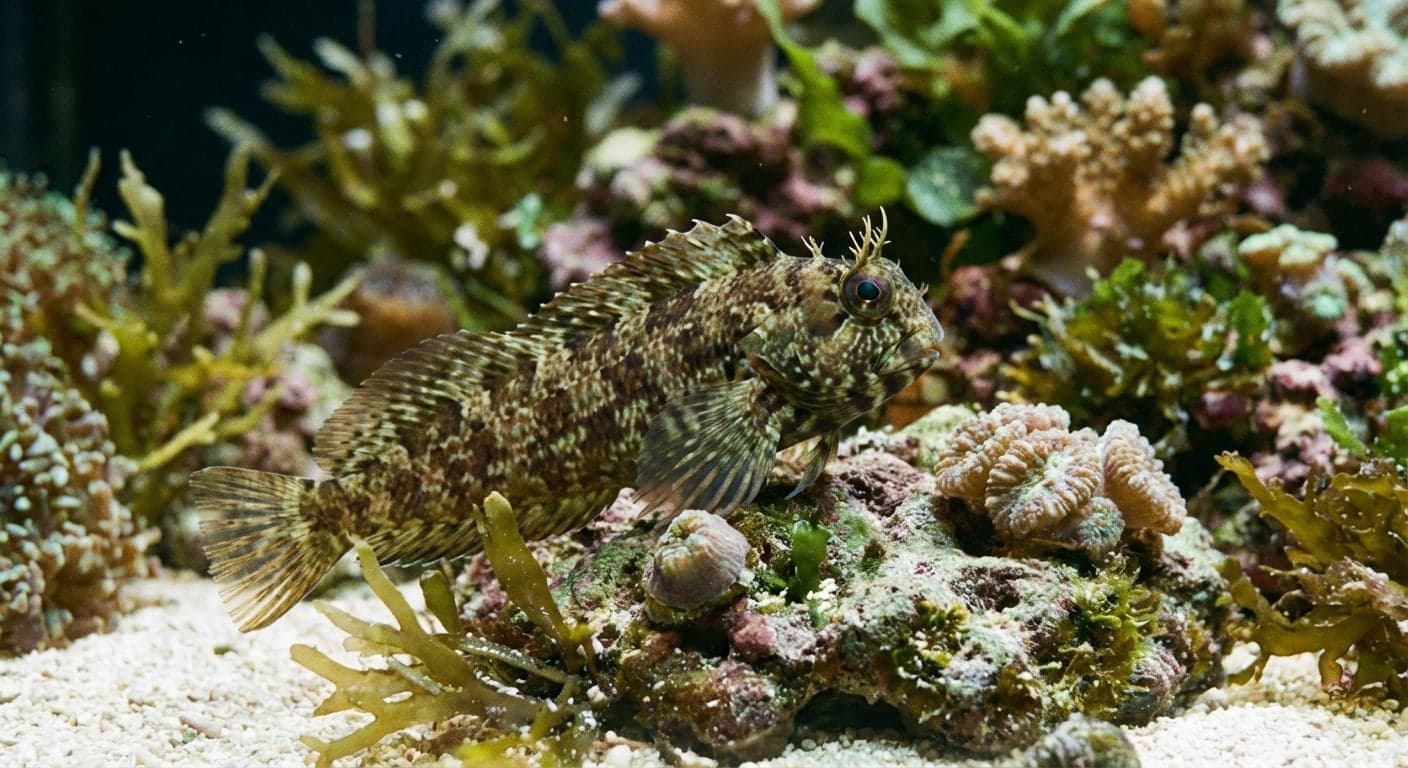
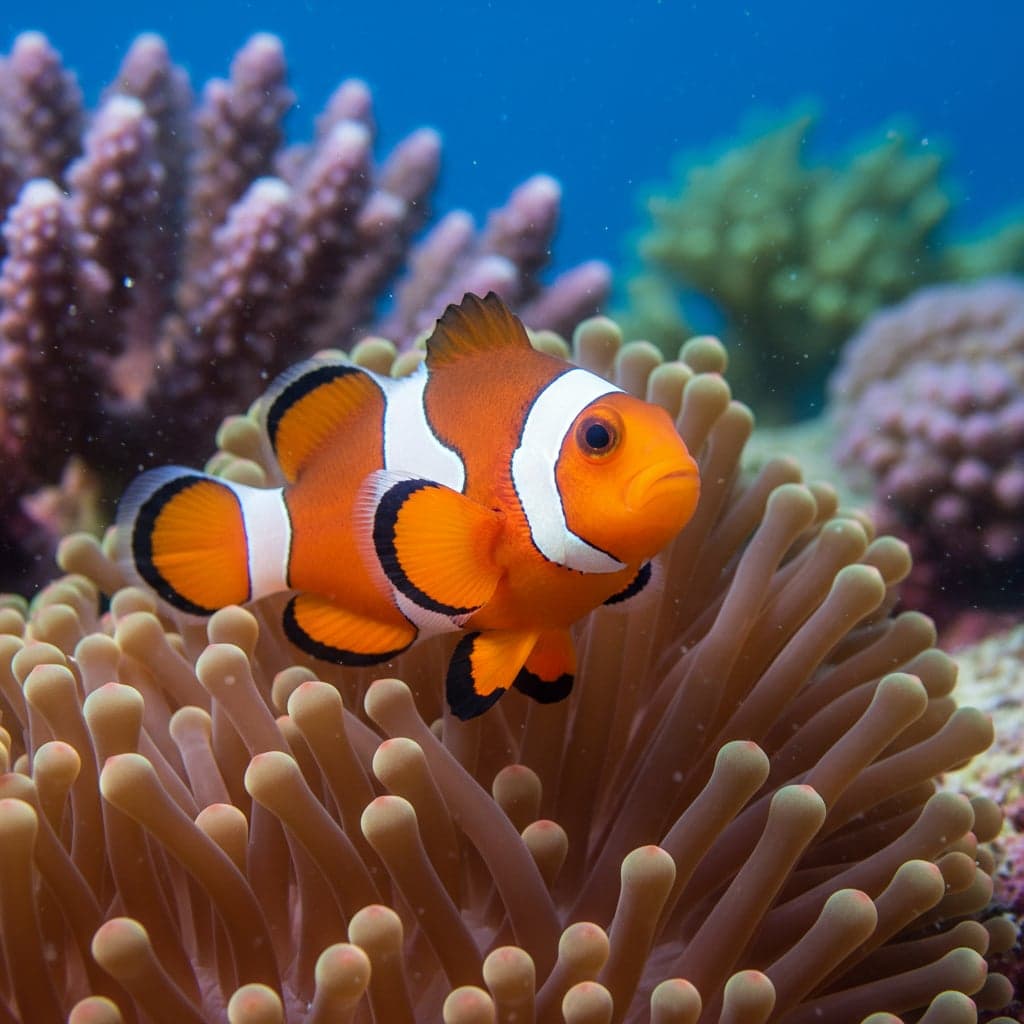
Choosing the right tank mates for the Yellowbanded Possum Wrasse is crucial to create a harmonious aquatic environment. Compatible species include small to medium-sized fishes such as clownfish, gobies, small wrasses, and other peaceful reef inhabitants. Other suitable tank mates are gobies, blennies, and peaceful damselfish, as they share similar habitat preferences and temperament.

Species to avoid include aggressive or fin-nipping fish like large triggered fish, lionfish, and aggressive wrasses, as these can lead to stress or injury for the Yellowbanded Possum Wrasse. Ensuring a good balance of compatible species will promote social interactions and reduce the potential for conflict in your aquarium setting.

Breeding

Breeding the Yellowbanded Possum Wrasse in captivity can be a rewarding yet challenging endeavor. This species is a broadcast spawner, typically engaging in spawning behavior during the early morning hours when males perform elaborate courtship displays to attract females. The breeding aquarium should mimic natural conditions, including stable water parameters, ample hiding spaces, and well-maintained water quality to encourage spawning activity.

To successfully induce breeding, aquarists should maintain a ratio of one male to multiple females, as this reduces territorial aggression and encourages natural breeding behaviors. Once spawning occurs, the fertilized eggs will float to the surface until they hatch, typically within a few days. Careful monitoring and provision of suitable nursery conditions are vital for the survival of juvenile fish.

Common Health Issues

The Yellowbanded Possum Wrasse can be susceptible to a variety of health issues commonly faced by marine fish. Among the most notable are marine ich (Cryptocaryon irritans), which presents as white spots on the skin and fins, and flukes, which can cause irritation and stress. Regular observation for signs of illness is crucial, as early detection can lead to more effective treatment options.

Preventative measures should include maintaining stable water parameters, performing routine water changes, and ensuring a balanced diet to bolster immunity. Quarantining new arrivals before introducing them to the main tank can help prevent the introduction of pathogens and minimize potential health risks within the aquarium. Proper care and monitoring will ensure a healthy, thriving Yellowbanded Possum Wrasse in your aquatic community.

ADA
Aqua One
Chihiros
Dennerle
EHEIM
Fluval
Oase
Seachem
Tropica
Twinstar
UNS
ADA
Aqua One
Chihiros
Dennerle
EHEIM
Fluval
Oase
Seachem
Tropica
Twinstar
UNS
ADA
Aqua One
Chihiros
Dennerle
EHEIM
Fluval
Oase
Seachem
Tropica
Twinstar
UNS
ADA
Aqua One
Chihiros
Dennerle
EHEIM
Fluval
Oase
Seachem
Tropica
Twinstar
UNS