Zebra Danio: Danio rerio
The original beginner fish. Hardy, active, and famously used in genetic research—Zebra Danios are the workhorses of the freshwater hobby.
Also known as: zebra fish · Danio rerio

Zebra Danio
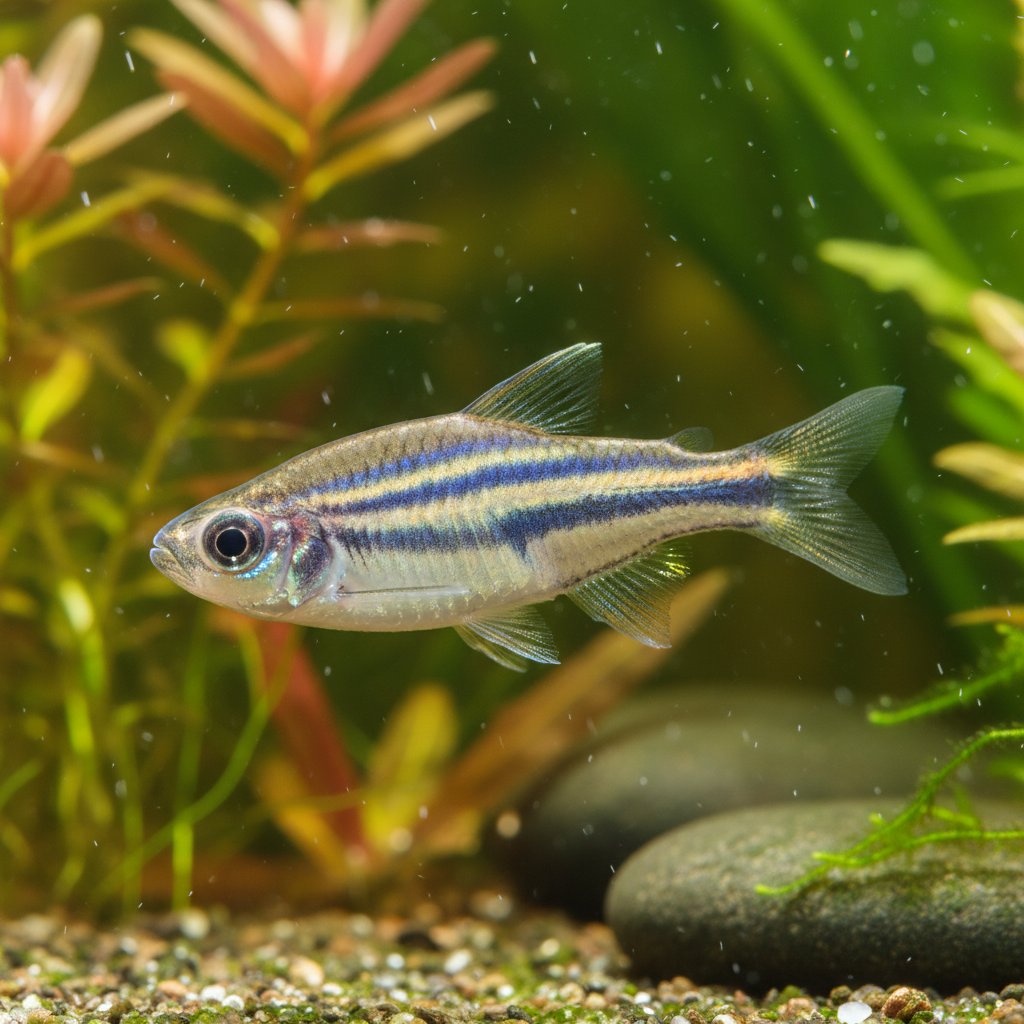
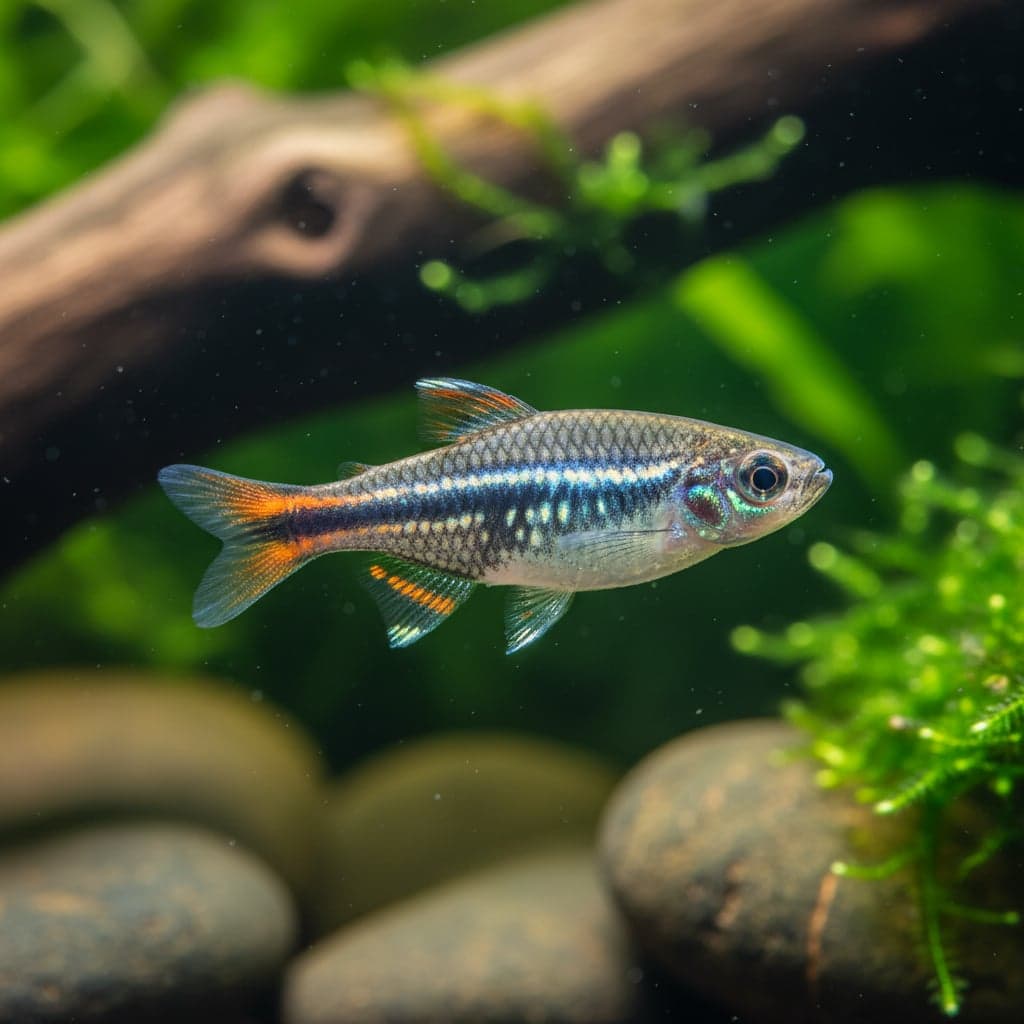
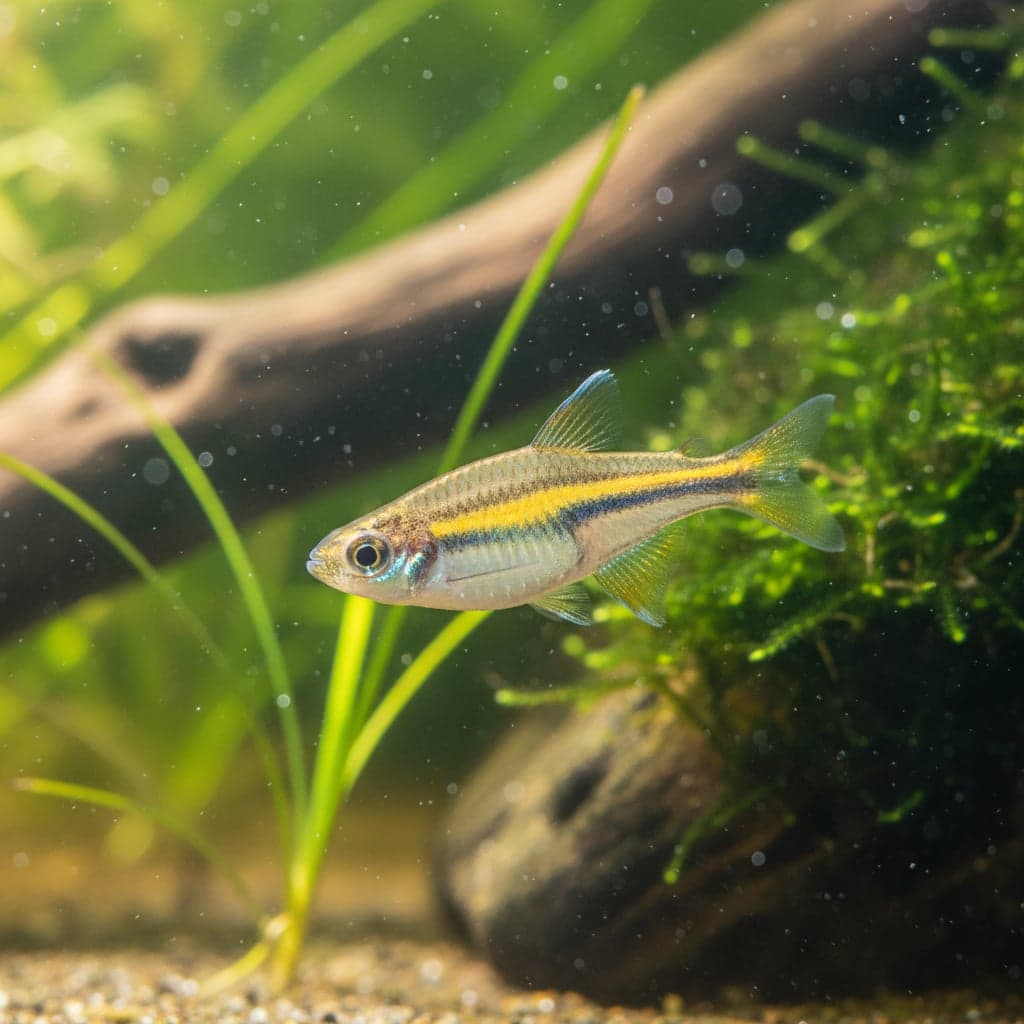
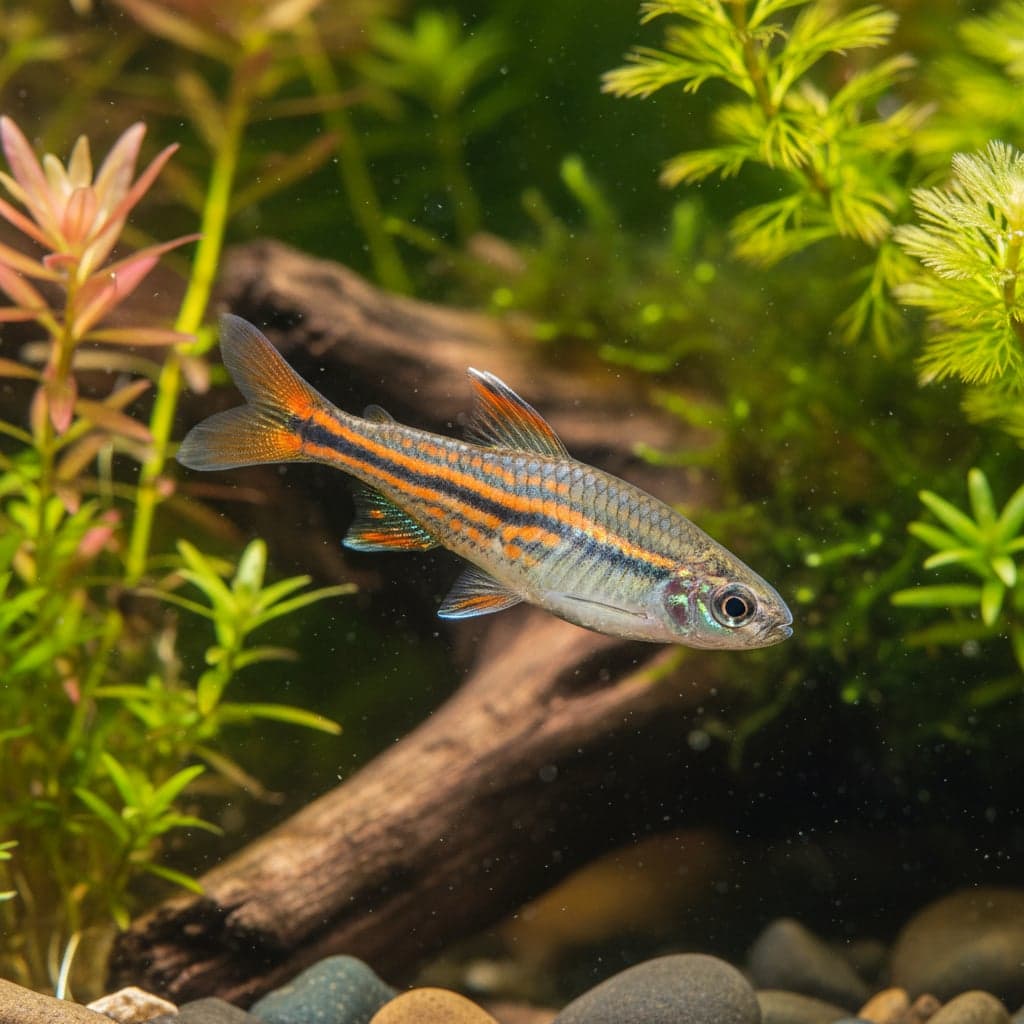
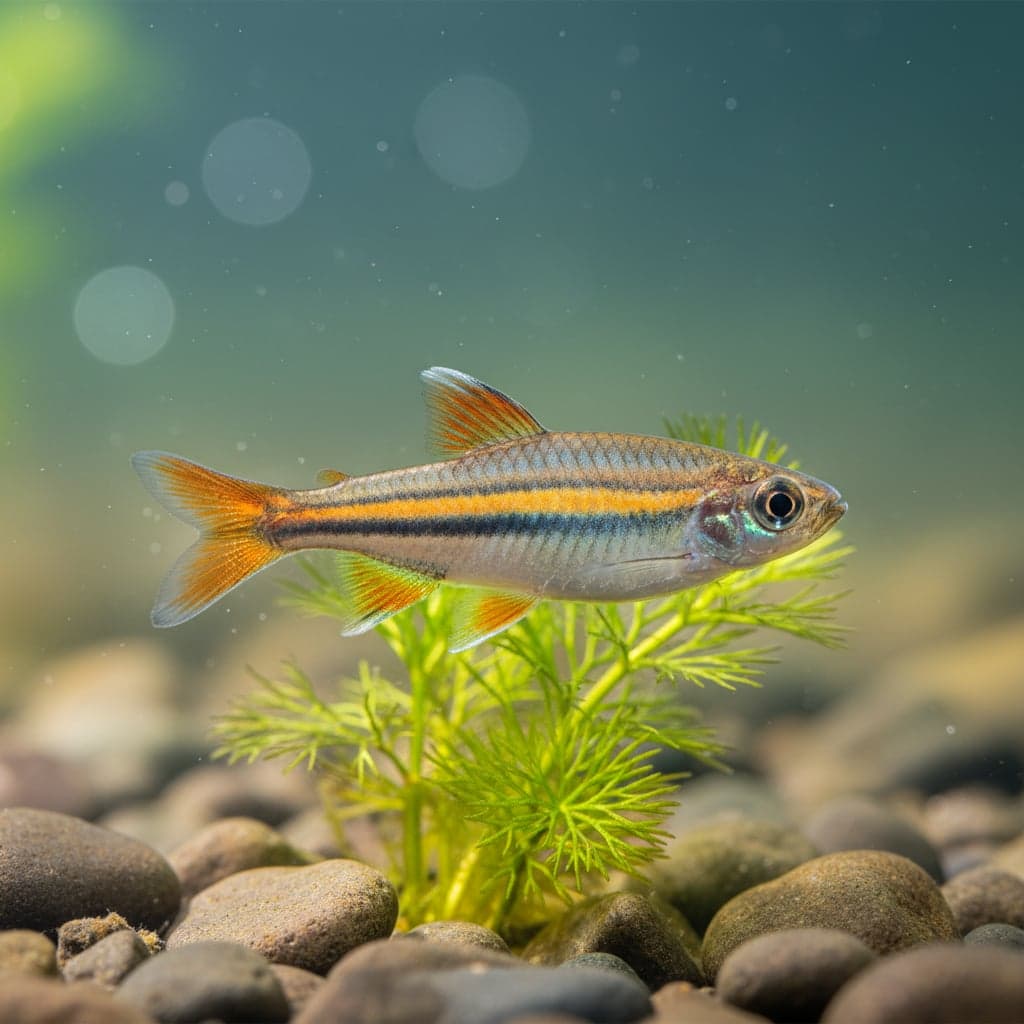
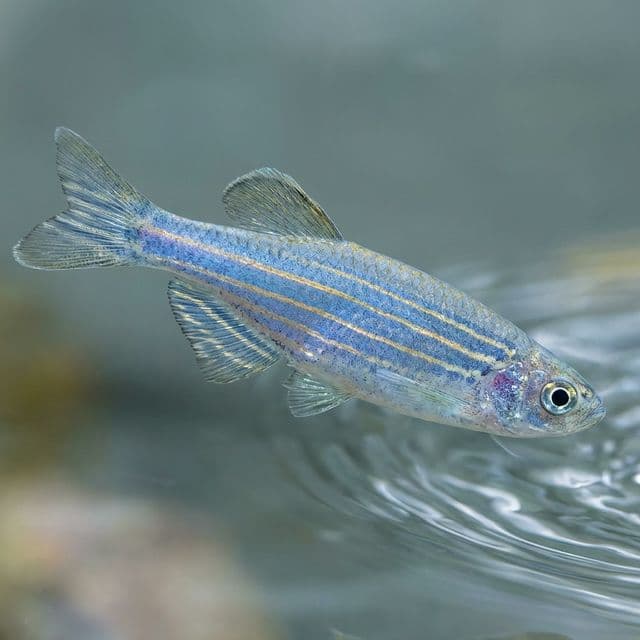
The Zebra Danio, scientifically known as Danio rerio, is a small, vibrant freshwater fish popular among aquarists for its striking appearance and resilient nature. With their distinctive horizontal black and silver stripes, these fish exhibit a lively and engaging presence in any aquarium. Commonly reaching lengths of around 1.5 to 2 inches, their slender, torpedo-like bodies are adorned with a captivating pattern that not only enhances their visual appeal but also makes them a favorite choice for both novice and seasoned aquarium enthusiasts. The Zebra Danio's ease of care and adaptability to a variety of water conditions have solidified its reputation as an essential species in the aquarium hobby.
In addition to their aesthetic charm, Zebra Danios are significant in scientific research, particularly in genetics and developmental biology, making them a vital species for educational purposes. Their resilience to changes in environmental conditions, combined with their prolific breeding habits, also contributes to their widespread availability and popularity in the aquarium trade. These characteristics make Zebra Danios not just beautiful additions to aquariums but also valuable subjects for study and conservation efforts in aquatic ecosystems.
Natural Habitat & Origin
Zebra Danios are native to the freshwater streams and rivers of Southeast Asia, particularly in India, Bangladesh, and the surrounding regions. They thrive in a variety of water types, typically preferring clear, slow-moving waters, which are often found in tropical climates. These fish are often spotted in shallow waters near vegetation, where they can find shelter and forage for food. The natural habitats of Zebra Danios are characterized by warm temperatures, ample sunlight, and a rich variety of aquatic plants and organic matter, providing essential cover and feeding opportunities.
In these environments, Zebra Danios exhibit remarkable adaptability, which is critical for their survival. The peaceful nature and schooling behavior of these fish allow them to thrive in the dynamic ecosystems of their native waters. Understanding their natural habitat provides insight into the conditions required to replicate their environment successfully in home aquariums.
Care Requirements
To keep Zebra Danios healthy and thriving in your aquarium, maintaining the right water parameters is essential. These fish prefer a temperature range of 64°F to 75°F (18°C to 24°C) and a pH level of 6.5 to 7.5. Water hardness should ideally fall between 5 to 20 dGH, contributing to their overall well-being. Regular water changes and proper filtration are necessary to ensure a clean and stable environment, which helps prevent stress and disease.
When setting up a tank for Zebra Danios, a minimum size of 10 gallons is recommended, as this allows for their active swimming nature. A fine substrate such as sand or gravel is suitable, and incorporating live plants, caves, and other hiding spots will help mimic their natural habitat. Good lighting, while not overly intense, should be provided to promote plant growth and enhance the visual appeal of the aquarium. A well-designed tank that reflects their natural environment will contribute significantly to their health and activity levels.
Diet & Feeding
Zebra Danios are omnivorous, making them adaptable eaters with a varied diet. In captivity, they thrive on high-quality flake foods specially formulated for tropical fish, which should form the basis of their diet. Additionally, offering pellets can aid in providing essential nutrients. To ensure their health and vibrancy, incorporate treats such as live or frozen foods, including brine shrimp, daphnia, and bloodworms. This not only supplements their nutritional needs but also encourages natural foraging behavior.
Feeding should occur two to three times a day, with portions that can be consumed within a few minutes to prevent overfeeding and maintain water quality. Observing their feeding behavior can provide insights into their overall health, as active and enthusiastic feeding is a sign that your Zebra Danios are thriving.
Behavior & Temperament
Zebra Danios are known for their lively and social behavior, often exhibiting distinct schooling habits. They thrive in groups of six or more, as this improves their sense of security and encourages their natural social interactions. In a well-populated tank, these fish are typically peaceful and will peacefully cohabit with various species. However, they can exhibit some territorial behavior, especially during feeding times or when establishing hierarchies, though they are generally not aggressive.
In terms of tank placement, Zebra Danios tend to occupy all levels of the aquarium, often seen swimming near the surface or darting around mid-water. Creating a dynamic environment with plenty of swimming space and hiding spots will allow them to express their natural behavior and engage in their characteristic bursts of energy.
Tank Mates
When selecting tank mates for Zebra Danios, it's essential to choose compatible fish species that share similar water conditions and temperaments. Ideal companions include other peaceful, small community fish such as Tetras (Neon Tetras, Glowlight Tetras), Rasboras, and Corydoras Catfish. Additionally, smaller species of Gouramis and Cherry Barbs can coexist harmoniously with Zebra Danios.
However, it is advisable to avoid placing Zebra Danios with aggressive or fin-nipping species, such as larger Cichlids or certain types of Barbs that may stress them or cause injury. Ensuring a balanced community tank will enhance the well-being of all species involved while maintaining the interactive nature of Zebra Danios.
Breeding
Breeding Zebra Danios in captivity is relatively straightforward, thanks to their prolific spawning habits. To encourage successful breeding, it is vital to create specific conditions in the aquarium. Spawning typically occurs in a separate breeding tank with optimal water conditions, including a slightly higher temperature (around 76°F or 24°C) and a soft, slightly acidic pH. Providing spawning mops or fine-leaved plants can also help the females lay eggs.
During the breeding process, males will display vibrant coloration and engage in pursuits of females, prompting them to scatter eggs. After spawning, it’s essential to separate the adults from the eggs to prevent them from being eaten. The eggs will hatch within 24 to 48 hours, and the fry will start to swim freely after a few days. Feeding fry with infusoria and finely crushed flake food will promote healthy growth during their early development.
Common Health Issues
Although Zebra Danios are generally robust fish, they can be prone to specific health issues. Some common ailments include fin rot, ich (white spot disease), and dropsy. To prevent these conditions, maintaining optimal water quality and a stress-free environment is crucial. Regular monitoring of water parameters and conducting partial water changes will help keep the fish healthy.
Additionally, introducing new tank mates should be done cautiously, ideally after a quarantine period, to prevent the potential spread of diseases. Ensuring a balanced diet and minimizing overcrowding can drastically reduce the likelihood of illness among Zebra Danios, leading to a thriving aquarium ecosystem.