Zebra Nerite Snail: Neritina natalensis
A beautiful and hardworking algae-eating snail, famous for its striking black-and-gold stripes and its inability to reproduce in freshwater.
Also known as: zebra nerite · Neritina natalensis
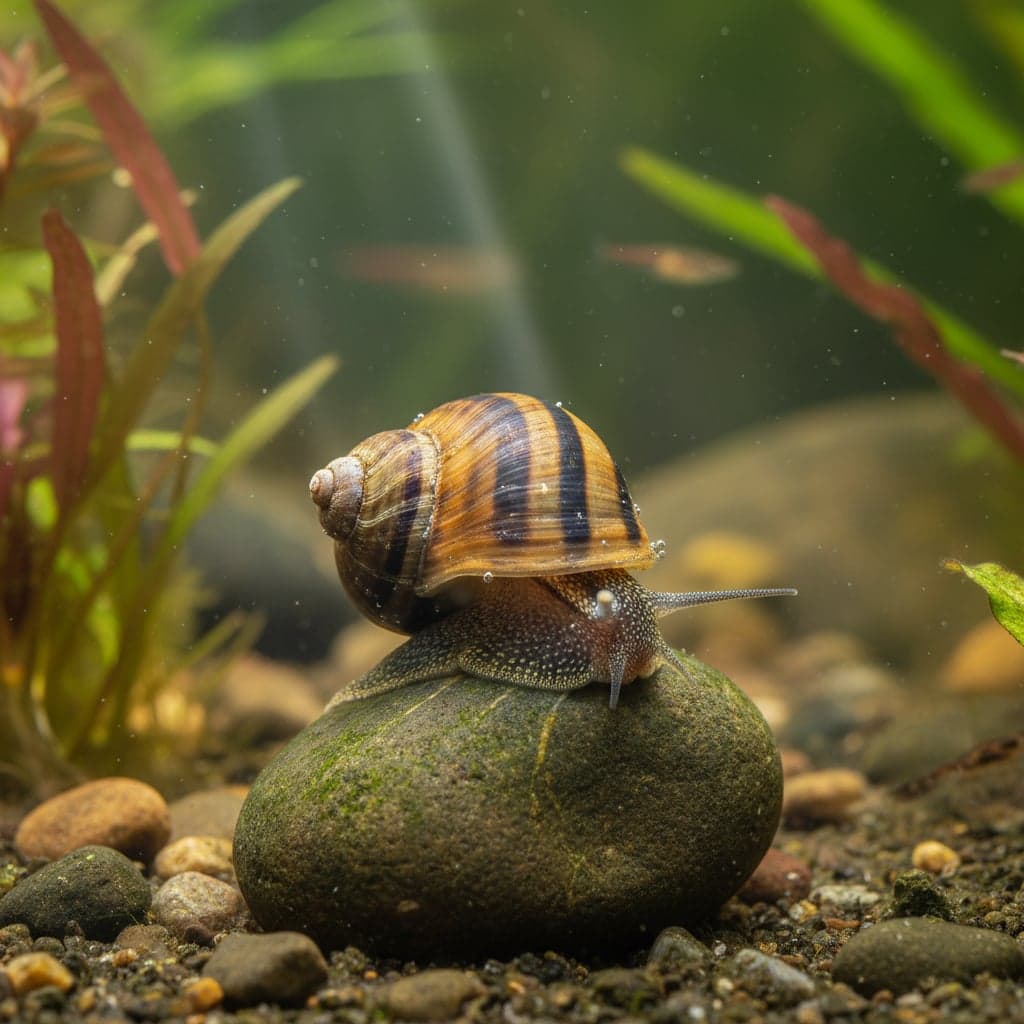
Zebra Nerite Snail
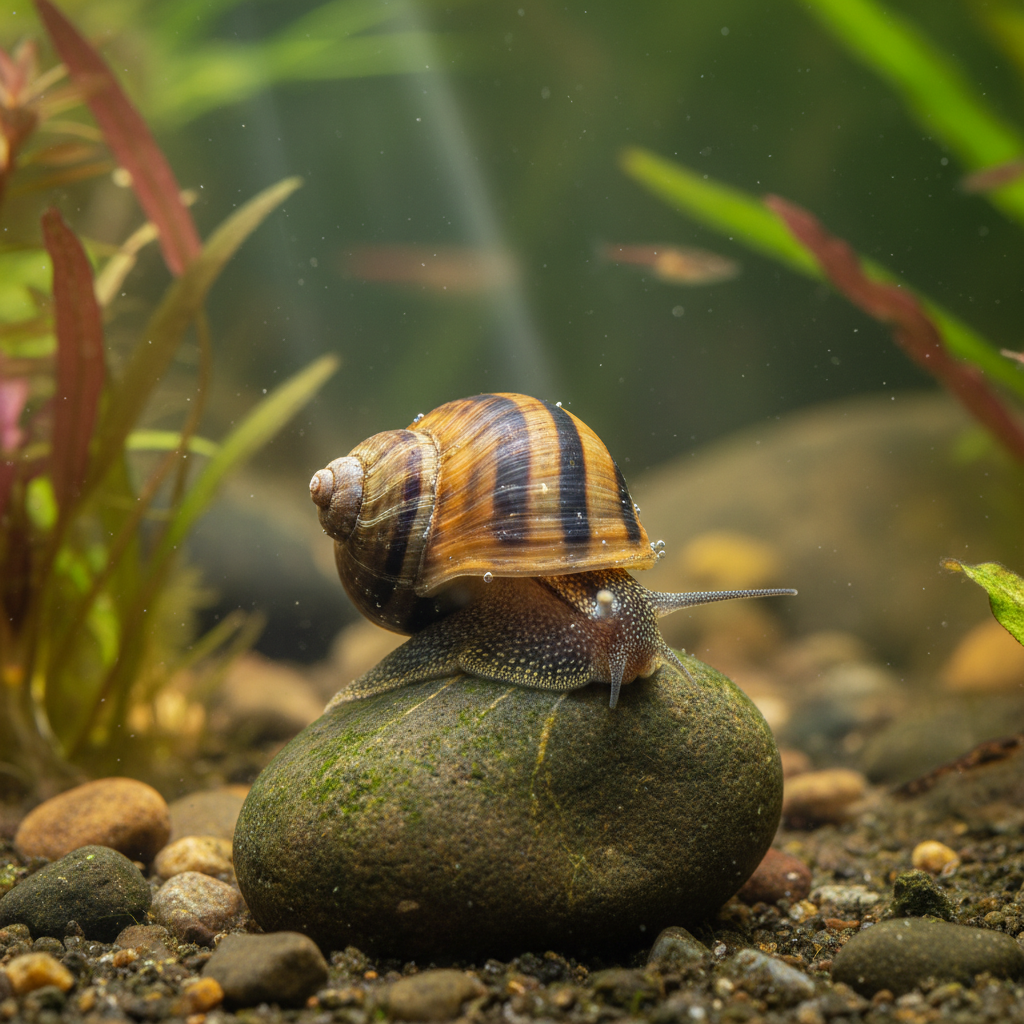
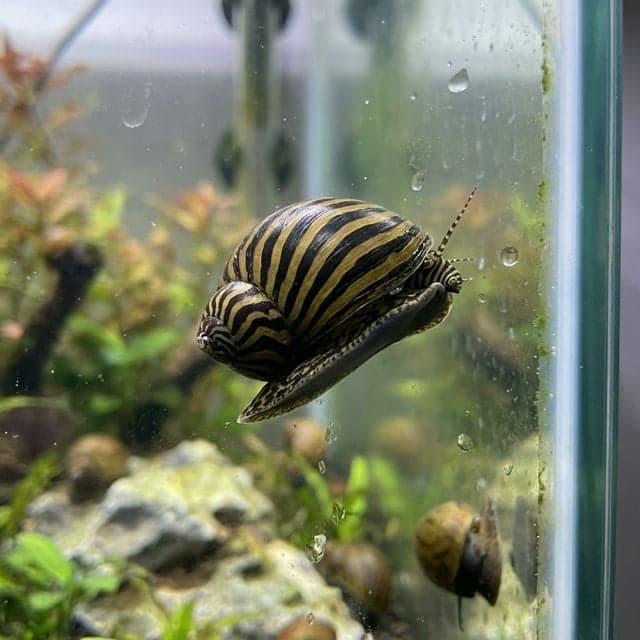
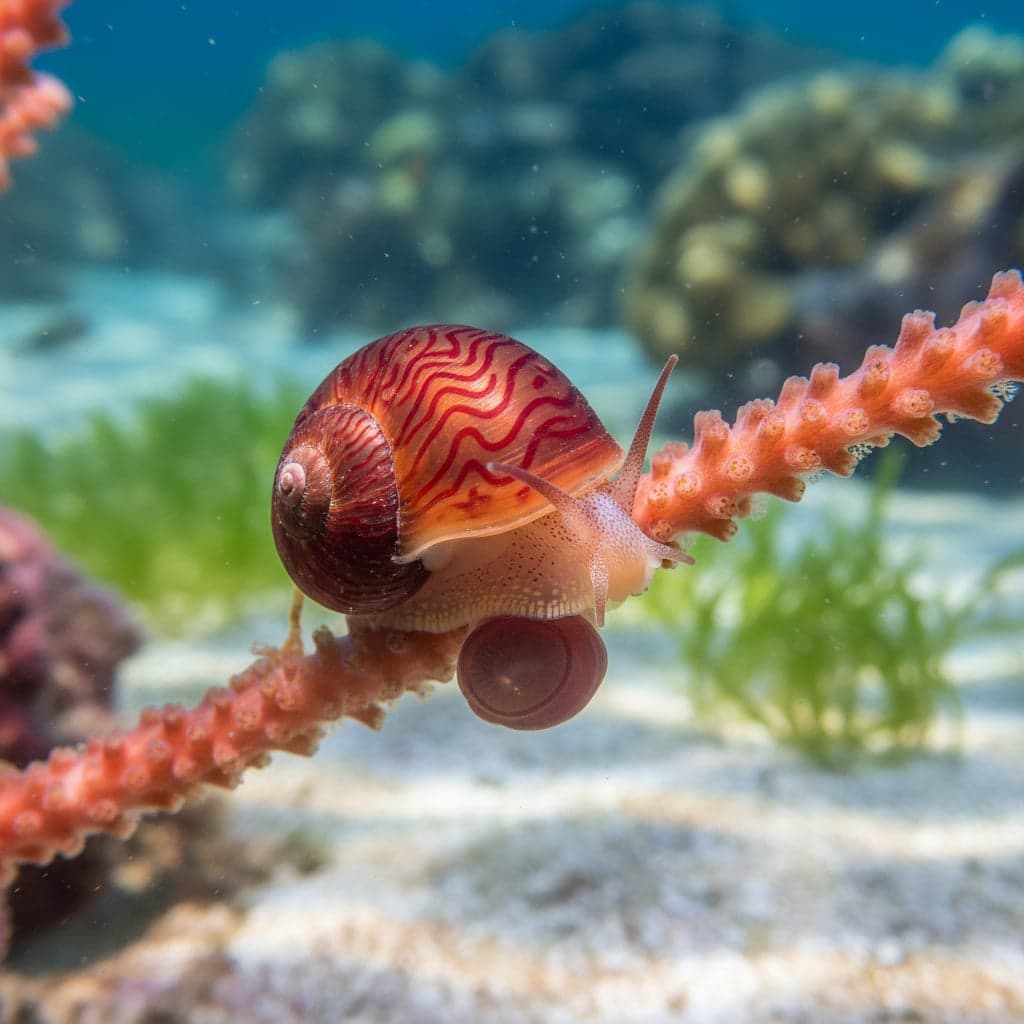
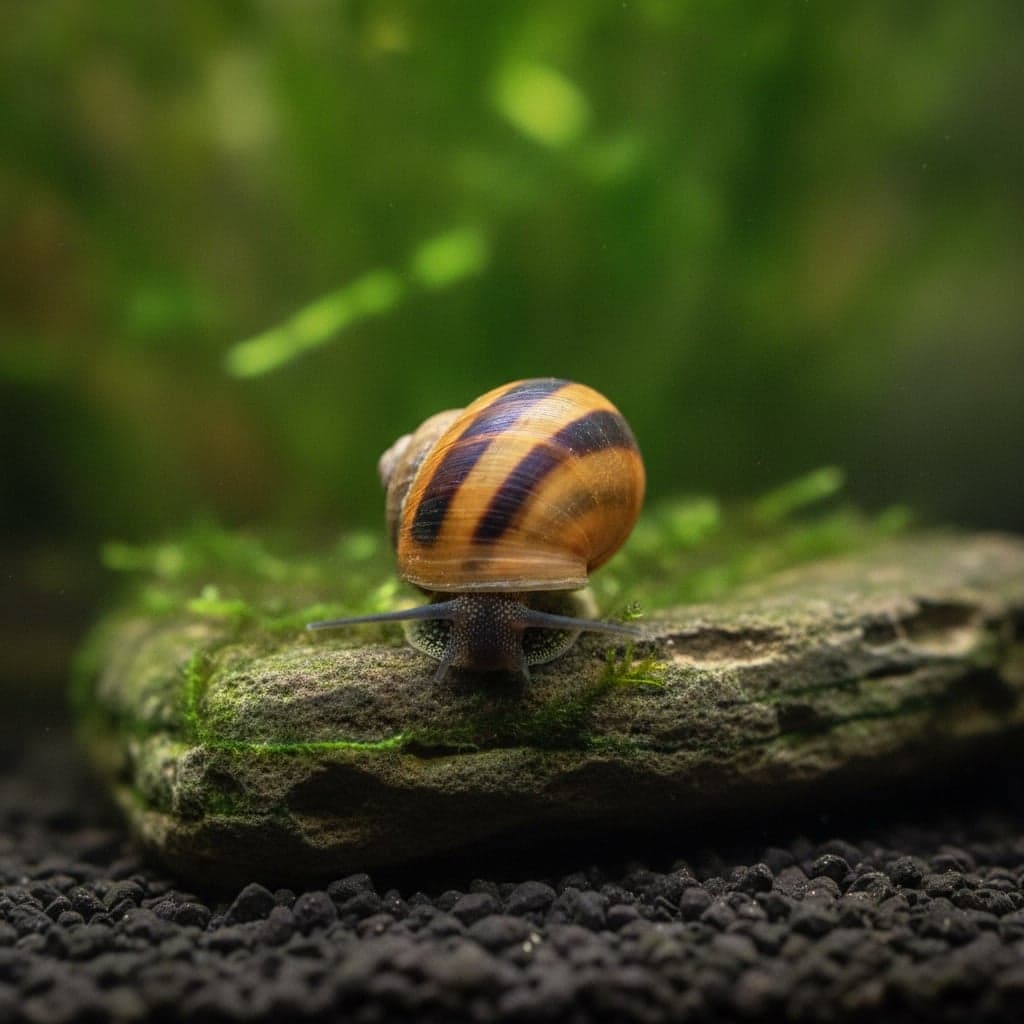
The Zebra Nerite Snail, scientifically known as Neritina natalensis, is a fascinating freshwater mollusk that has captivated aquarium enthusiasts around the globe. Its striking black and yellow striped shell provides a visual centerpiece in a variety of aquascapes, appealing to both novice and experienced aquarists. The unique shell pattern not only adds aesthetic value but also serves as a reminder of the diverse adaptations found in aquatic life. Its moderate size and attractive appearance make it a popular choice for aquariums, offering a combination of beauty and functionality.
In addition to its visual appeal, the Zebra Nerite Snail plays a significant role in maintaining a healthy aquarium ecosystem. As a vital algae eater, this snail contributes to the overall cleanliness of the tank by consuming excess algae growth. This natural cleaning process helps to minimize the accumulation of organic waste, thereby improving water quality. The Zebra Nerite Snail's ability to thrive in various aquatic environments further highlights its importance in the aquarium hobby, providing a reliable solution to common challenges such as algae overgrowth.
Natural Habitat & Origin
The Zebra Nerite Snail is indigenous to the brackish and freshwater environments of East Africa, particularly in regions such as the coastal rivers and lagoons of Kenya and Tanzania. Typically, these snails inhabit areas with moderate to flowing water where they can cling to rocks and submerged vegetation. Their natural habitats often feature clear waters with varying levels of hardness, making them quite adaptable to different water conditions. The Zebra Nerite Snail can also be found in mangrove systems, where freshwater meets saltwater, giving it a unique tolerance to brackish conditions.
In the wild, Zebra Nerite Snails thrive in environments rich in detritus and algae, which serve as their primary food source. They prefer habitats that provide plenty of surfaces to graze on, encouraging a biofilm that is crucial to their diet. The ecological significance of these snails extends beyond just algae control; they also contribute to the overall health of their habitats by promoting nutrient cycling.
Care Requirements
To provide optimal care for Zebra Nerite Snails, it's essential to maintain appropriate water parameters. Ideal conditions include a pH range of 7.0 to 8.5, a temperature between 72°F to 78°F (22°C to 26°C), and a hardness level of 5 to 15 dGH. These snails are not particularly sensitive to water changes, but stable parameters are vital for their health.
When it comes to tank setup, a minimum tank size of 10 gallons is recommended to ensure adequate space for foraging and social activities. Fine sand or smooth gravel substrates are ideal, as they allow snails to move freely without the risk of shell damage. Zebra Nerite Snails appreciate a well-planted aquarium with plenty of hiding spots, so incorporating hardy aquatic plants not only enhances their environment but also provides cover. Moderate lighting is preferable, as too much light can lead to excessive algae growth, while too little may inhibit their natural grazing behavior.
Diet & Feeding
Zebra Nerite Snails are omnivorous grazers and primarily feed on various types of algae, making them beneficial additions to planted tanks. In addition to algae, they can also consume detritus and biofilm that develops on surfaces within the aquarium. While their diet consists mainly of natural food sources, it can be supplemented with high-quality sinking pellets, algae wafers, and blanched vegetables like zucchini or spinach to ensure optimal nutrition.
While grazing is their primary feeding method, regular feeding of specialized reptilian or invertebrate dietary flakes can provide a well-rounded diet. It's important to avoid overfeeding, as uneaten food can pollute the water.
Behavior & Temperament
Zebra Nerite Snails are generally peaceful, calm creatures that do not exhibit aggressive behavior towards other tank inhabitants. They are social snails, often found in groups, and enjoy grazing alongside their companions. Typically, they remain on the substrate or glass, crawling along surfaces vertically and horizontally.
Their behavior is characterized by a slow pace, which makes them relatively low-maintenance pets. However, it’s important to monitor their activity; if they become lethargic or spend excessive time hiding, it may indicate water quality issues or poor conditions in the tank.
Tank Mates
Choosing compatible tank mates is crucial for the overall health and well-being of the Zebra Nerite Snail. Suitable companions include small, peaceful fish such as Neon Tetras, Endler’s Guppies, or Corydoras Catfish, which pose minimal threat and will coexist peacefully. Other compatible tank inhabitants include shrimp species like Amano or Ghost Shrimp, as well as other small invertebrates.
However, it’s important to avoid housing Zebra Nerite Snails with larger, more aggressive fish like Cichlids or certain species of Tetras that may nip at their antennae or attempt to consume them. Additionally, avoid any predatory species that could see these snails as a food source.
Breeding
Breeding Zebra Nerite Snails in captivity can be a challenge, as they require specific conditions to reproduce successfully. While these snails are capable of laying eggs, they usually prefer brackish water for spawning. In captivity, creating conditions that mimic brackish water may encourage breeding activity.
If you wish to attempt breeding, provide a separate spawning tank with a salinity level of approximately 1.005 specific gravity and a good amount of vertical surfaces for the snails to attach their eggs. It's important to note that the eggs are often laid in clusters and can appear as small, white specks adhered to hard surfaces. While breeding is not common in home aquariums, observing the natural reproduction cycle of these snails can be a fascinating endeavor for dedicated aquarists.
Common Health Issues
Zebra Nerite Snails are relatively hardy; however, they can suffer from certain health issues mainly related to poor water quality or sudden changes in their environment. Common concerns include shell erosion and detachment, often resulting from low calcium levels in the water. To prevent these issues, ensure calcium-rich substrates or supplement with mineral additives in the tank based on the snail's dietary needs.
Additionally, watch for signs of stress or poor health, such as inactivity or a sluggish disposition. Regular water changes, maintaining stable parameters, and providing a balanced diet are essential practices for preventing health problems and ensuring the long-term viability of your Zebra Nerite Snails.