Juncus repens
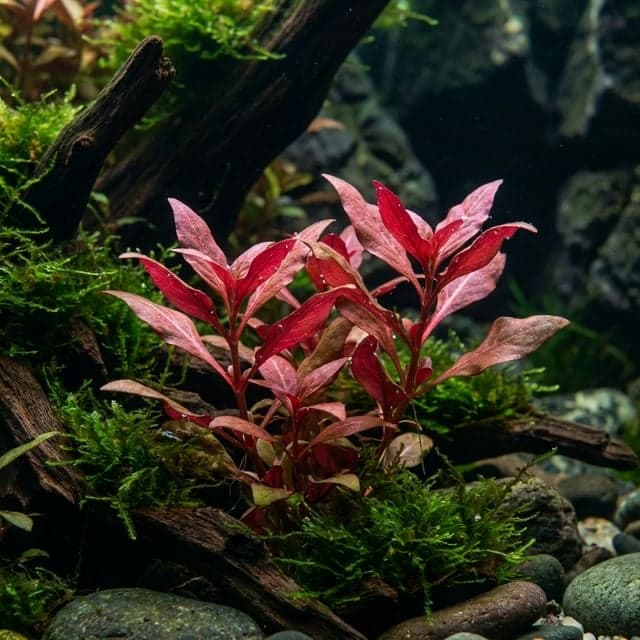
An interesting, grass-like plant from the southeastern US that can develop reddish hues under high light and CO2.
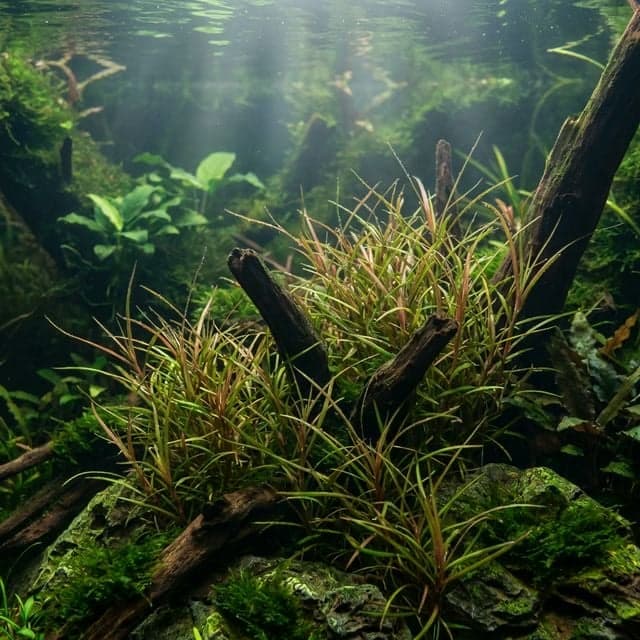
Juncus repens
Juncus repens, commonly known as creeping rush, is a perennial aquatic plant characterized by its slender stems and tufted appearance. This unique species showcases long, narrow leaves that grow in dense clusters, creating a striking visual contrast in aquascapes. Its ability to form a low-growing mat makes it an excellent ground cover choice for both freshwater and brackish environments. In addition to its aesthetic appeal, Juncus repens plays a crucial ecological role by providing shelter for aquatic fauna and contributing to the overall health of the ecosystem.
Care Guide
Juncus repens thrives in a variety of aquatic settings, making it relatively easy to maintain.
Planting
- Substrate: Use a nutrient-rich substrate for optimal growth. A mix of sand and fine gravel can enhance root development.
- Depth: Plant Juncus repens in shallow areas where the water depth ranges from 2 to 10 inches.
Water Quality
- Temperature: Aim for a water temperature between 22°C to 28°C (72°F to 82°F).
- pH Levels: Maintain a neutral to slightly acidic pH, ideally between 6.5 to 7.5.
- Water Hardness: It adapts well to varied hardness, but softer water is preferred for best growth.
Pruning
Regular trimming is recommended to encourage bushier growth and maintain desired height. Remove any dead or decaying leaves to prevent detritus buildup.
Nutrient Requirements
Light
Juncus repens prefers moderate to bright lighting conditions. A photoperiod of 10-12 hours is ideal, as this promotes vigorous growth without causing excessive algae proliferation.
CO2
While it can survive in low CO2 environments, injecting CO2 can enhance its growth rates and overall vitality.
Fertilization
Supplement with liquid fertilizers containing micronutrients every 2-4 weeks during the growing season. Monitor nutrient levels to avoid deficiencies affecting its health.
Natural Biomes
Juncus repens can be found naturally in various aquatic environments, including:
These biomes provide essential context for understanding its habitat preferences and growth conditions.
Livestock Compatibility
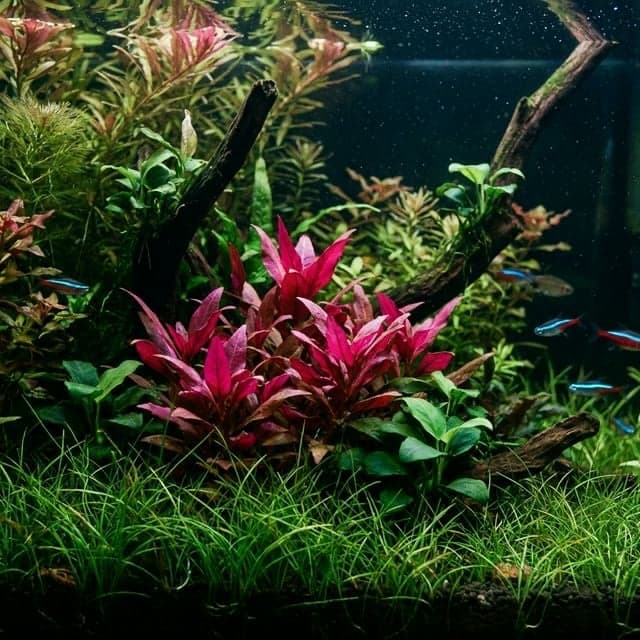
Juncus repens is an excellent addition to aquariums housing peaceful fish species and invertebrates. Compatibility extends to small schooling fish such as neon tetras, rasboras, and shrimp species like cherry shrimp and amano shrimp. The plant's dense structure offers shelter and foraging opportunities, enhancing the overall environment for these aquatic organisms.