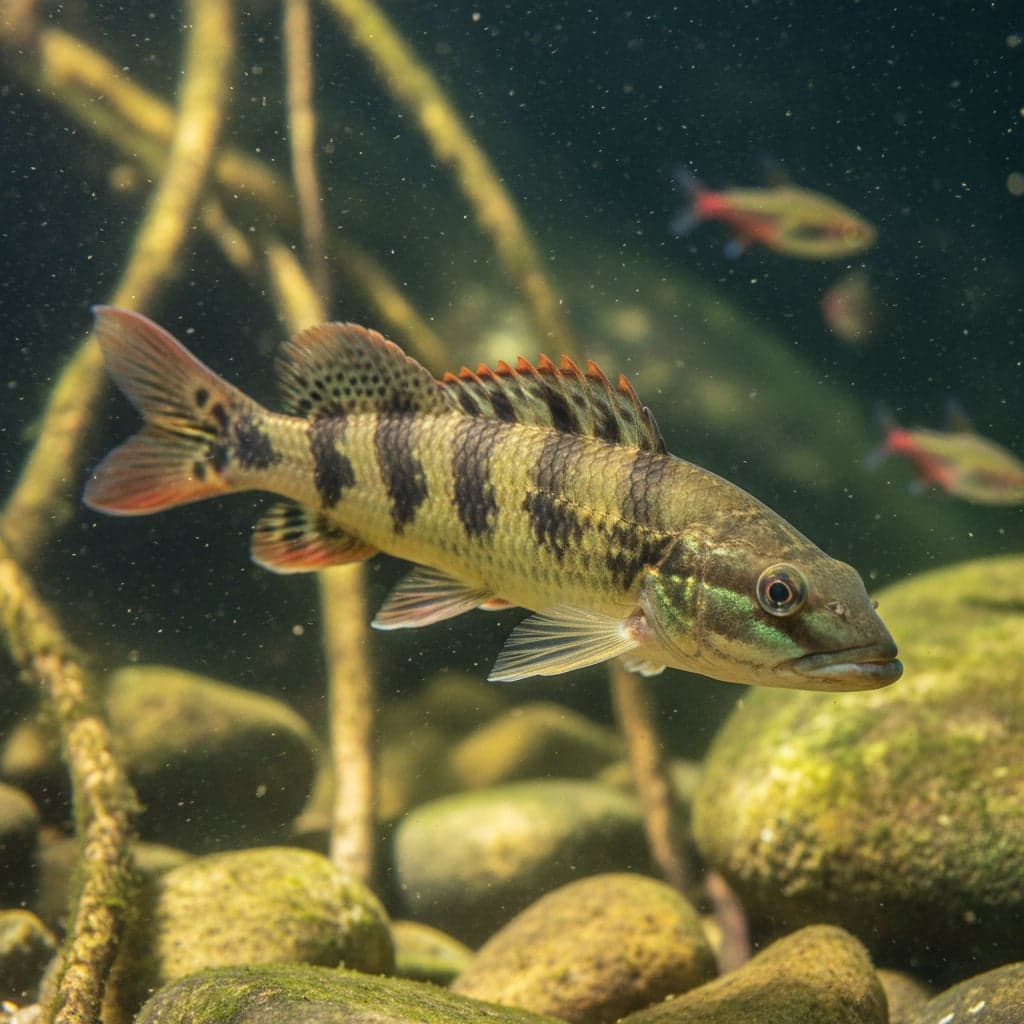
The Adonis Plec: Acanthicus adonis
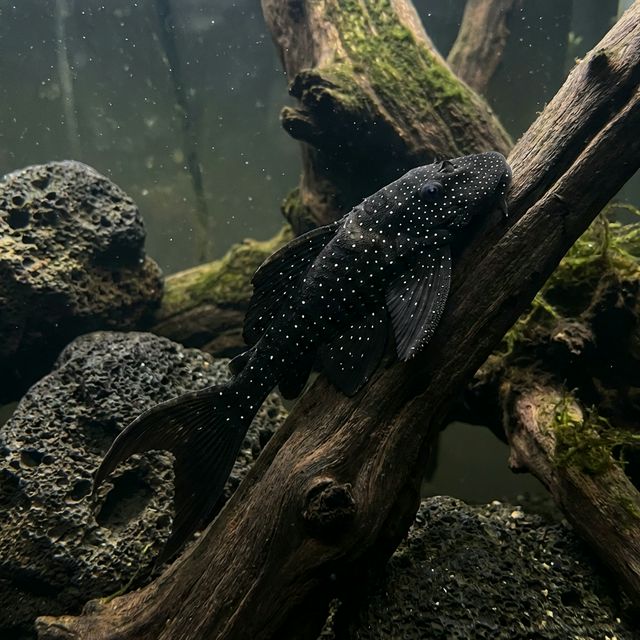
A massive, spiny pleco that starts with beautiful white spots but grows into a pitch-black giant. For large tanks only.

Adonis Plec
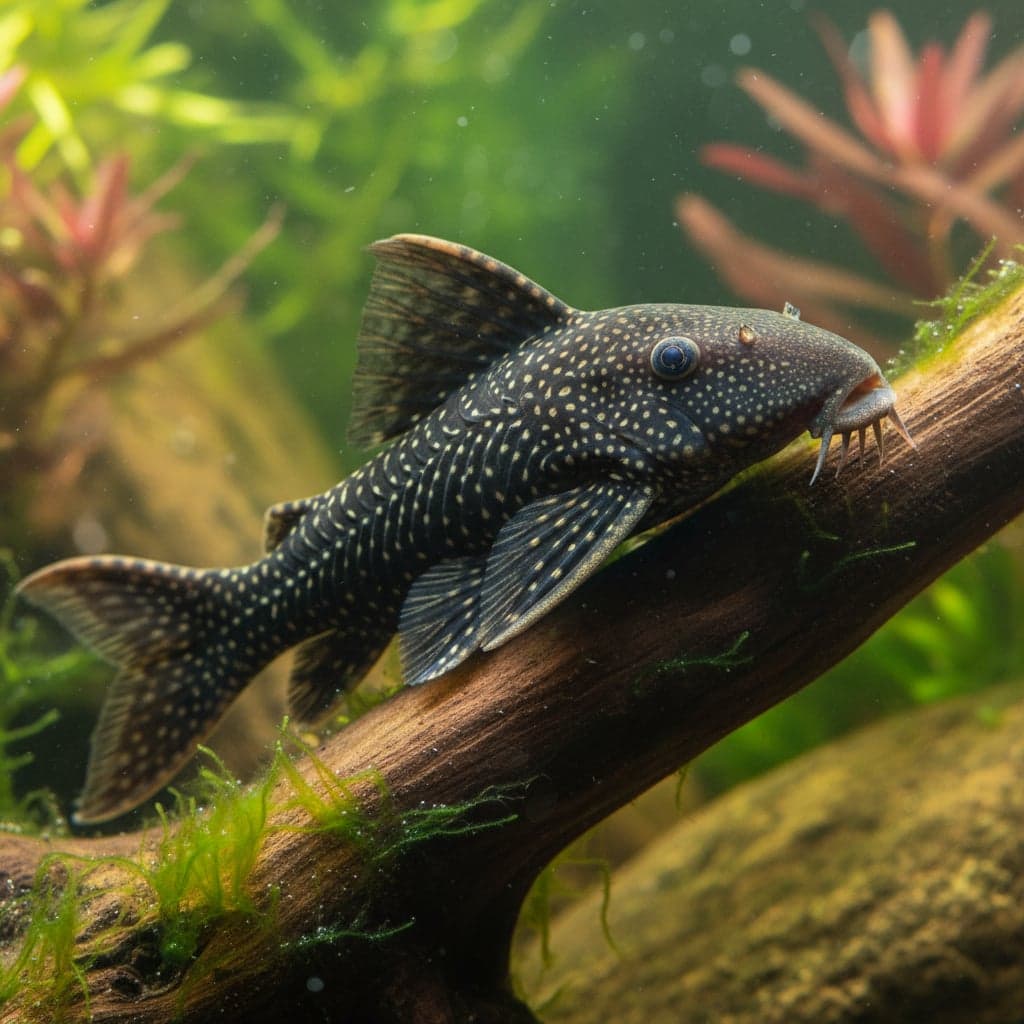
The Adonis Plec, scientifically known as Acanthicus adonis, is a captivating freshwater fish that has garnered attention among aquarists for its striking appearance and unique characteristics. Known for its elongated body and impressive size, the Adonis Plec displays a magnificent blend of dark brown to bluish-grey coloration, interspersed with striking white to yellow spots. This exquisite pattern not only enhances its visual appeal but also helps it blend with the aquascape, mimicking the rocky riverbeds of its natural habitat. As a member of the Loricariidae family, this fish is recognized for its armored body and distinctive bristle-like structures on its snout.
In the aquarium hobby, the Adonis Plec serves as a natural algae control agent, making it a sought-after addition for aquascapers and hobbyists alike. However, beyond its utility, the Adonis Plec embodies a sense of authenticity and exotic beauty, appealing to both novice and experienced aquarists. Its presence in a well-maintained aquarium adds depth and interest, transforming a typical tank into an enchanting aquatic environment. Additionally, its relatively rare availability adds to its allure, making it a prized specimen for collectors and enthusiasts looking to enhance their aquarium displays.
Natural Habitat & Origin
The Adonis Plec is indigenous to the fast-moving waters of South America, specifically in the river systems of the Amazon Basin. It thrives in a variety of freshwater environments, including both blackwater and clearwater habitats. These regions are characterized by soft, acidic waters with a significant presence of leaf litter and submerged vegetation. The Adonis Plec is typically found in areas with dense cover, such as rocky outcrops and submerged logs, where it can find refuge from predators while foraging for food.
The water conditions in its natural habitat significantly influence its well-being in captivity. The intricate environment of the Amazon not only shapes its physical characteristics but also determines its behavioral patterns, making it essential for aquarists to replicate these conditions as closely as possible to ensure the health and longevity of this distinctive fish.
Care Requirements
Maintaining the optimal care conditions for the Adonis Plec demands careful monitoring of water parameters. They thrive in slightly acidic to neutral pH levels, ideally ranging from 6.5 to 7.5. The water temperature should be kept between 75°F and 82°F (24°C to 28°C), with a recommended hardness of 2-15 dGH. Due to its ultimate size, a minimum tank size of 75 gallons is advisable to provide ample swimming space and territory.
When setting up the aquarium, a sandy or fine gravel substrate is recommended, allowing the Adonis Plec to sift through it for food. Since this species inhabits environments rich in plant life, the incorporation of live plants, driftwood, and rocks will help create a natural and appealing habitat. Lighting should be moderate, as overly bright conditions can stress the fish; therefore, utilizing floating plants can provide shade. Additionally, it's wise to incorporate hiding spots and caves, which will give the Plec a sense of security and encourage natural behaviors.
Diet & Feeding
The Adonis Plec is an opportunistic feeder, classified as an omnivore. In the wild, they primarily consume algae, detritus, and organic matter. In captivity, it is crucial to offer a well-balanced diet that includes high-quality sinking pellets, algae wafers, and fresh vegetables, such as zucchini and cucumber, to mimic their natural feeding habits. Additionally, supplemental feedings with frozen or live foods, including daphnia or bloodworms, will provide essential nutrients and promote optimal health and coloration.
The key to maintaining the overall health of the Adonis Plec is variety. Regularly rotating their diet will stimulate their appetite while also ensuring they receive a comprehensive range of essential vitamins and minerals. Observing their feeding behavior can help aquarists gauge proper food types and quantities, as ample nutrition is vital for their growth and development.
Behavior & Temperament
The Adonis Plec is generally a peaceful species but can exhibit territoriality, particularly as it matures. They prefer to have their own space and can show aggression towards similarly sized bottom-dwelling fish or other territorial species, especially during feeding times. In a community tank, it's essential to provide sufficient hiding spots and visual barriers to reduce potential conflicts. While they are not schooling fish, they can coexist with other species if the tank is adequately spaced and equipped.
In terms of swimming behavior, the Adonis Plec typically inhabits the lower sections of the aquarium, frequently venturing along the substrate and among decorations. They are more active during the evening hours, which aligns with their nocturnal nature, making them a fascinating species to observe during twilight hours when they become more active.
Tank Mates
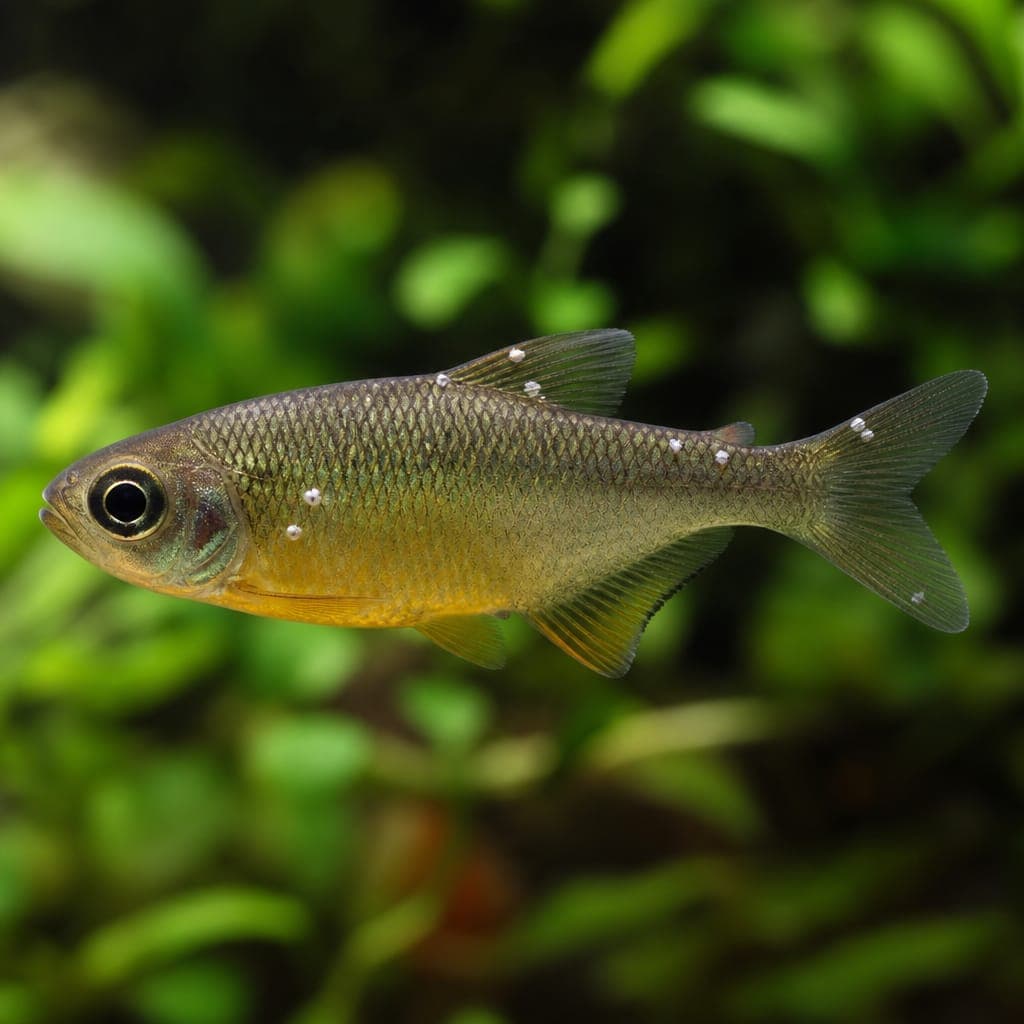
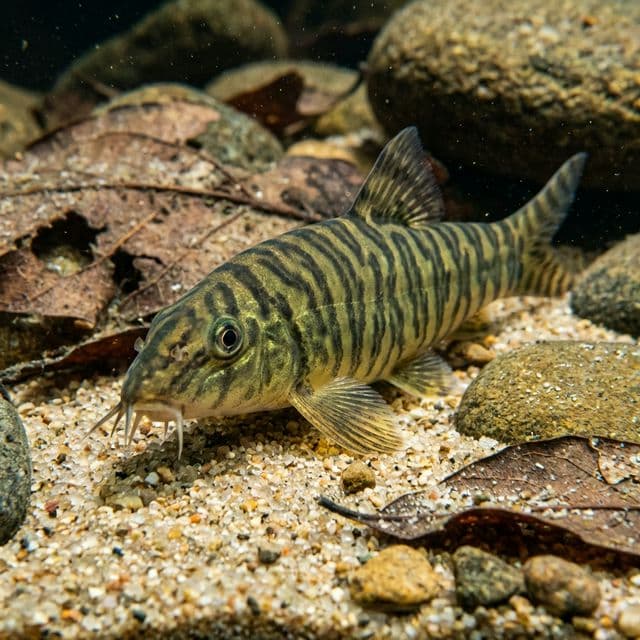
When selecting tank mates for the Adonis Plec, consider peaceful species that share similar water parameter requirements. Compatible tank mates include larger tetras, corydoras catfish, rainbowfish, and other suitable Loricariidae types. However, it’s critical to avoid keeping them with aggressive or overly territorial species, such as aggressive cichlids or certain species of barbs, which may instigate fights or stress the Plec.
In a well-planned community tank, ensuring that the tank mates are non-competitive for food and have plenty of swimming space will create a harmonious environment. Additionally, selecting tank mates that swim at different levels of the aquarium will help minimize direct competition for space and resources.
Breeding
Breeding the Adonis Plec in captivity can be challenging due to its specific habitat requirements and behaviors. Spawning typically occurs in well-structured environments with ample hiding spots, where the male will create a territory and entice a female to spawn. The male may display typical courtship behaviors, such as chasing and exhibiting swimming displays. A drop in water temperature combined with an increase in water current can trigger spawning.
To increase the likelihood of successful breeding, it is crucial to maintain optimal water quality, with a pH around 6.5, and ensuring the water temperature is slightly elevated, around 80°F (27°C). After spawning, the male will guard the eggs while the female may retreat. Barrier systems or breeding tanks may be needed to protect the eggs from potential threats in a community setting.
Common Health Issues
The Adonis Plec, like many freshwater fish, can be susceptible to a variety of health issues if not appropriately cared for. Common diseases include ich, fin rot, and various parasitic infections. Regular water changes, good water quality, and maintaining a stress-free environment are essential for disease prevention. Additionally, monitoring their diet and ensuring they are not overfed can help prevent digestive issues.
Stress can also lead to a weakened immune system; thus, it is vital to observe their behaviors for any signs of distress or illness, such as excessive hiding, loss of appetite, or changes in coloration. Should any health issues arise, quarantine and treatment should be promptly undertaken to minimize the risk of spreading to other tank inhabitants. Keeping up with routine water testing, maintenance, and proper tank management will go a long way in preserving the health of this beautiful fish.