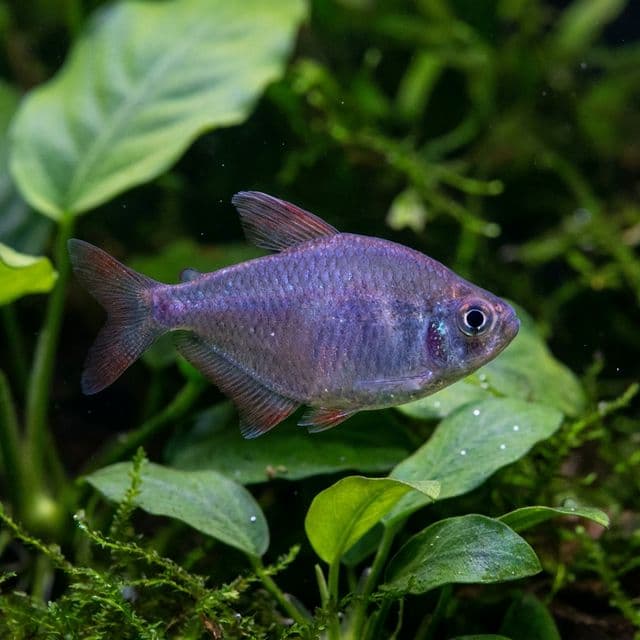
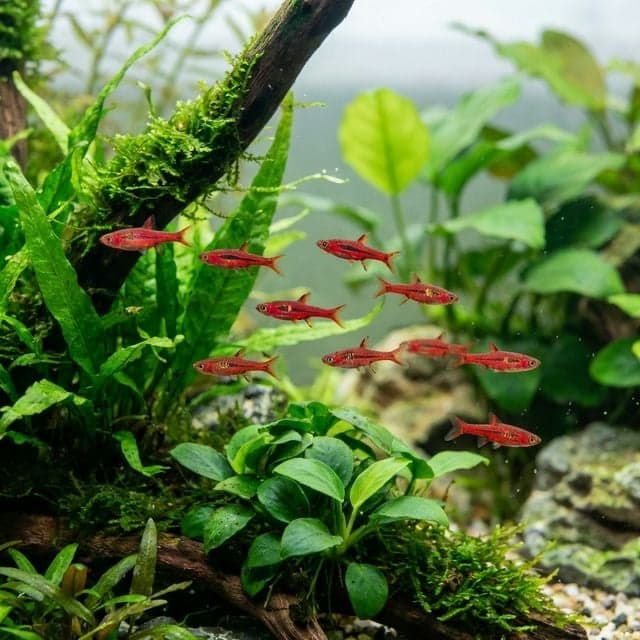
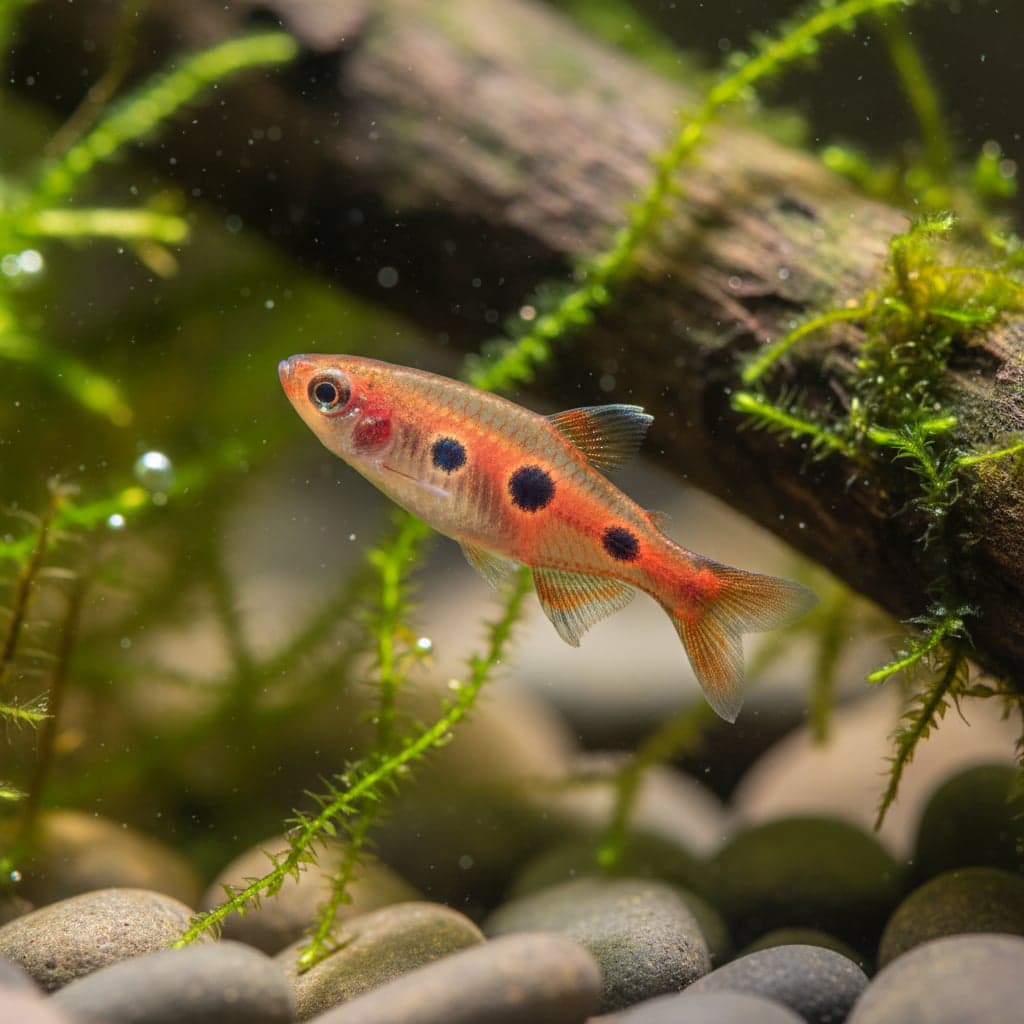
African Broad Band Darter Tetra: Neolebias unifasciatus
A tiny, exquisite nano fish from Africa. Perfect for peaceful, heavily planted setups.
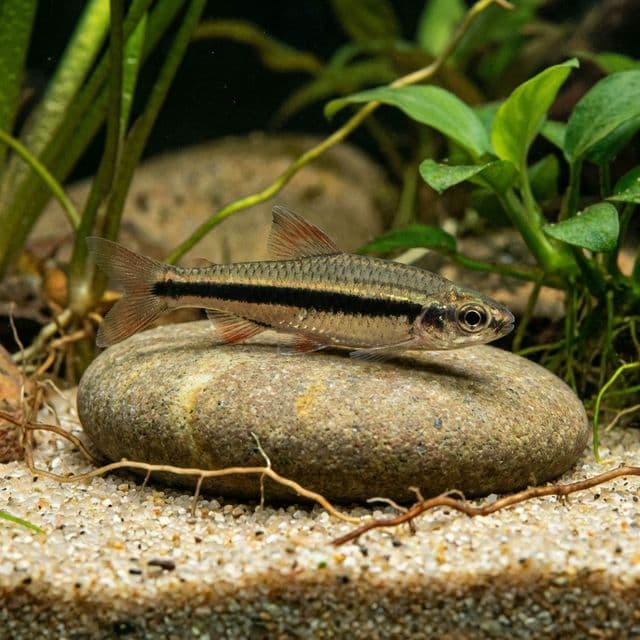
African Broad Band Darter Tetra
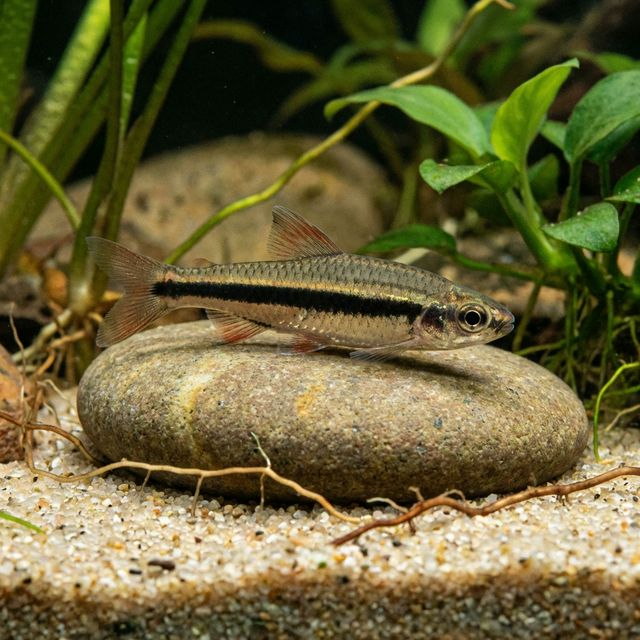
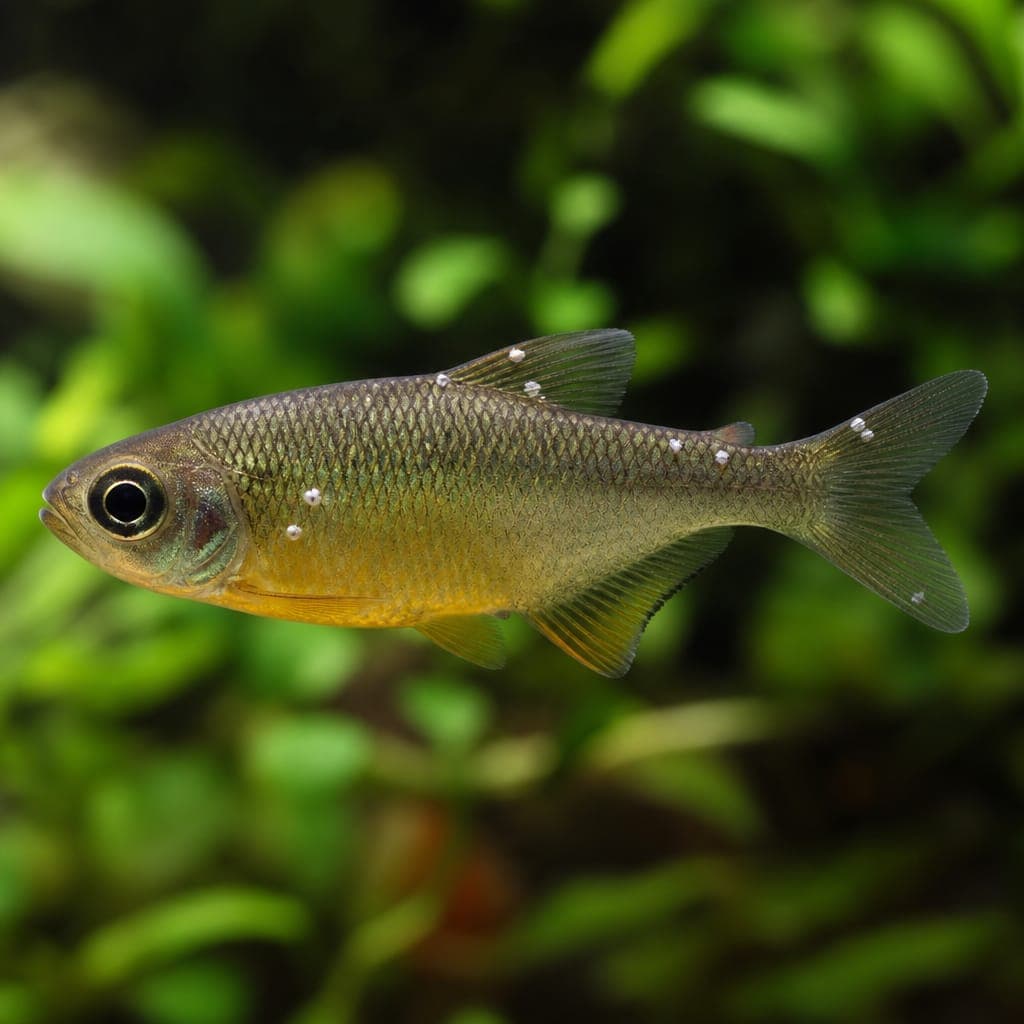
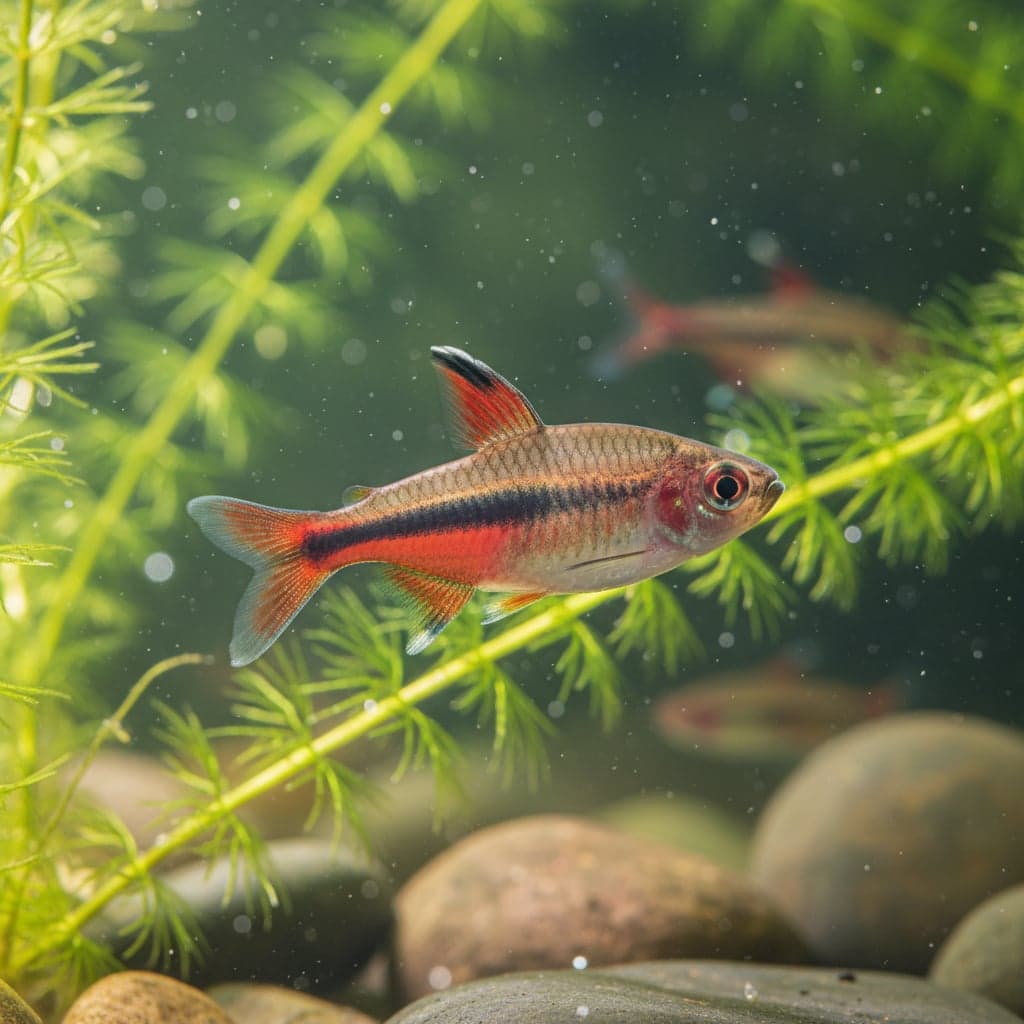
The African Broad Band Darter Tetra, scientifically known as Neolebias unifasciatus, is a stunning addition to the tropical freshwater aquarium. Originating from the rivers and streams of Africa, this species displays a striking iridescent body adorned with distinctive darting patterns. The coloration typically ranges from light blue to silver with subtle hints of green, complemented by darker lateral stripes extending from its head to the base of the tail. This visual appeal makes the African Broad Band Darter Tetra a favorite among aquarists, particularly those looking to add a vibrant and active species to their setups. Its small size, usually reaching about 1.2-1.5 inches (3-4 cm) (5 to 7.5 cm), and lively nature contribute to its popularity, creating an animated atmosphere in a well-planned aquarium.
The significance of the African Broad Band Darter Tetra in the aquarium hobby extends beyond its aesthetic qualities. This species is a great choice for beginners and experienced aquarists alike, as it adapts well to various water conditions while maintaining a vibrant and energetic presence in community tanks. Enthusiasts appreciate its schooling behavior, often found in shoals of six or more within the aquarium, which increases the overall visual and dynamic appeal. Its relatively manageable care requirements and compatibility with a wide range of tank mates make it an invaluable species for those looking to create diverse and colorful underwater environments.
Natural Habitat & Origin
The African Broad Band Darter Tetra hails from the forested and lush river basins of Central Africa, with a particular prevalence in countries such as the Republic of the Congo and Gabon. These fish inhabit slow-moving waters, including blackwater rivers, streams, and tributaries. The natural environment is characterized by dense vegetation, submerged roots, and leaf litter, providing both shelter and foraging opportunities. The water in these habitats is typically soft and acidic, rich in organic matter, which contributes to the overall ecological balance of the system. Understanding their natural habitat is essential for replicating optimal conditions in the aquarium, ensuring their health and well-being.
The water conditions in these regions tend to be low in minerals and have a pH ranging from 5.5 to 7.5, with temperatures ideally situated between 75°F to 82°F (24°C to 28°C). This blackwater environment, with its darker substrate and minimal light penetration due to overhanging vegetation, is crucial for the psychological comfort of the African Broad Band Darter Tetra, making it important for aquarists to recreate similar settings in captivity.
Care Requirements
When it comes to caring for the African Broad Band Darter Tetra, providing the right water parameters is vital for their health and well-being. The ideal water pH should be maintained between 6.0 to 7.0, with a temperature range of 75°F to 82°F (24°C to 28°C). Water hardness should be kept to a minimum, ideally between 2 to 8 dGH, as they thrive in softer water conditions.
For tank setup, a minimum tank size of 20 gallons is recommended to accommodate a small school of these active tetras, with plenty of swimming space. The substrate can be dark and fine, resembling their natural blackwater habitat, while the addition of driftwood and leaf litter can enhance their comfort and sense of security. Incorporating live plants like floating ferns and broad-leafed species can not only serve as cover but also help maintain water quality. A moderate lighting level should be utilized to mimic their natural environment, creating dappled light effects that provide an invigorating atmosphere for these spirited fish.
Diet & Feeding
The African Broad Band Darter Tetra is an omnivore, making its dietary requirements quite versatile. In captivity, it thrives on a mixture of high-quality flakes, micropellets, and frozen or live foods. Diversifying their diet with options such as brine shrimp, daphnia, and bloodworms encourages vibrant coloration and healthy growth. It's crucial to feed them small portions multiple times throughout the day, as their small size means they have high metabolisms and require frequent feeding to maintain energy levels.
Additionally, it's advisable to include a high-quality vegetable-based food in their diet to ensure they receive essential nutrients. This can consist of spirulina flakes or blanched vegetables like zucchini and spinach, providing a balanced approach to their nutritional intake. Ensure that any uneaten food is promptly removed from the tank to maintain optimal water conditions.
Behavior & Temperament
African Broad Band Darter Tetras are known for their peaceful demeanor and social behavior, making them ideal candidates for community tanks. They exhibit strong schooling habits and thrive in groups—generally six or more individuals—allowing their natural interaction patterns to flourish. Their social nature leads them to establish hierarchies, with dominant individuals displaying more pronounced colors and behaviors.
These fish are generally non-aggressive but do appreciate spaces to explore and hide, making vertical placement in the tank significant. They tend to occupy various levels of the aquarium, often darting around mid-water but also venturing near the surface and towards the bottom in search of food. Providing ample plants and decorations can help them feel secure, thereby promoting their active behavior.
Tank Mates
When considering tank mates for the African Broad Band Darter Tetra, it is essential to choose species that share similar water parameters and temperament. Some excellent companion species include:
- Neon Tetras (Paracheirodon innesi)
- Cherry Barbs (Puntius titteya)
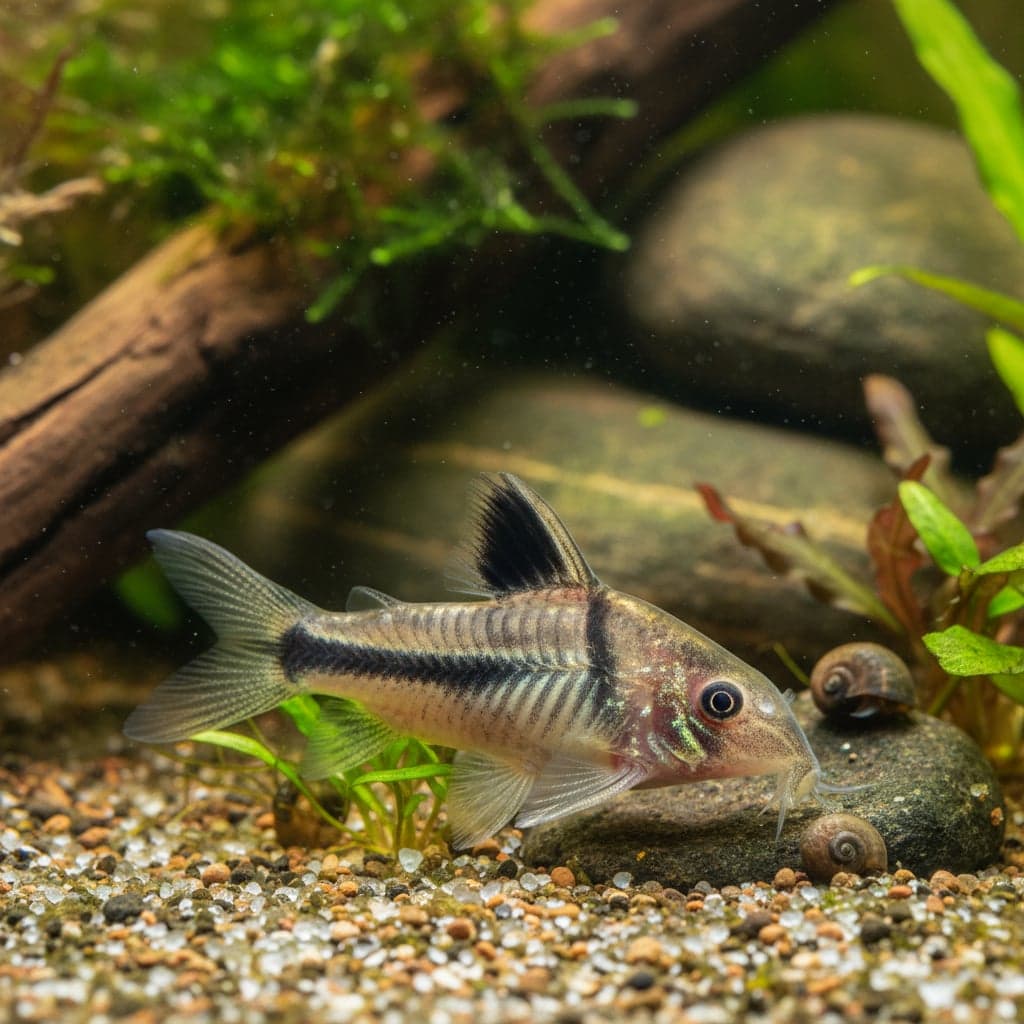
- Corydoras Catfish (Corydoras spp.)
- Rasboras (Rasbora spp.)
- Pencilfish (Nannostomus spp.)
However, it is best to avoid aggressive or larger species, such as Cichlids or any large predatory fish, as these can stress or harm the African Broad Band Darter Tetra. Overall, a well-planned community tank featuring peaceful species will create a thriving environment for these beautiful tetras.
Breeding
Breeding African Broad Band Darter Tetras in captivity can be an exciting challenge for aquarists. These fish display spawning behaviors typically observed in their natural habitats, often requiring specific conditions for successful reproduction. Ideally, breeding should take place in a separate breeding tank with slightly acidic water (pH around 6.0), softer water (2 to 5 dGH), and a temperature of 76°F to 80°F (24°C to 27°C).
Providing fine-leaved plants or spawning mops will encourage the females to deposit their eggs, which the males will then fertilize. After spawning, it's critical to remove the adult fish from the breeding tank, as they'll readily eat the eggs. Eggs typically hatch within 24 to 36 hours, with the fry becoming free-swimming after about five days. Careful attention to water quality and feeding with infusoria or finely crushed flakes is essential for the fry's growth and development.
Common Health Issues
While the African Broad Band Darter Tetra is a hardy species, they can be prone to certain health issues, particularly if not kept under optimal conditions. Common ailments include:
- Ich (Ichthyophthirius multifiliis): This parasitic infection manifests as white spots on the body and fins. Preventive measures include maintaining stable water