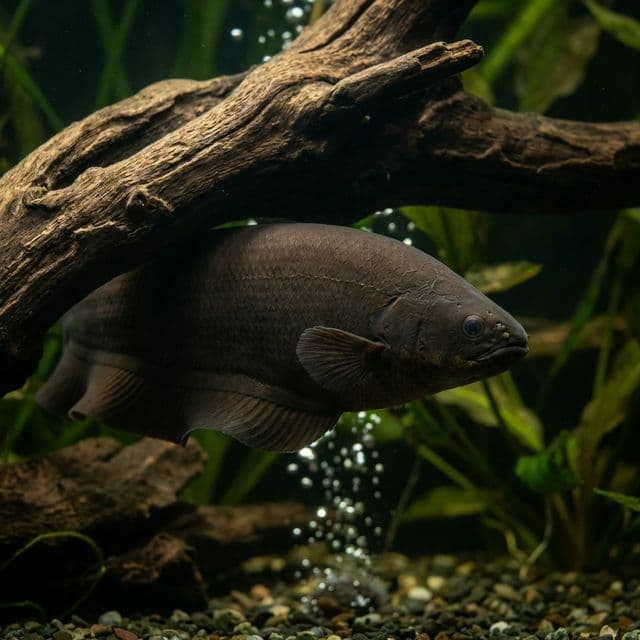
African Knifefish: Xenomystus nigri
A smaller, peaceful knifefish species that lacks a dorsal fin. A great oddball for medium-sized tanks.
African Knifefish
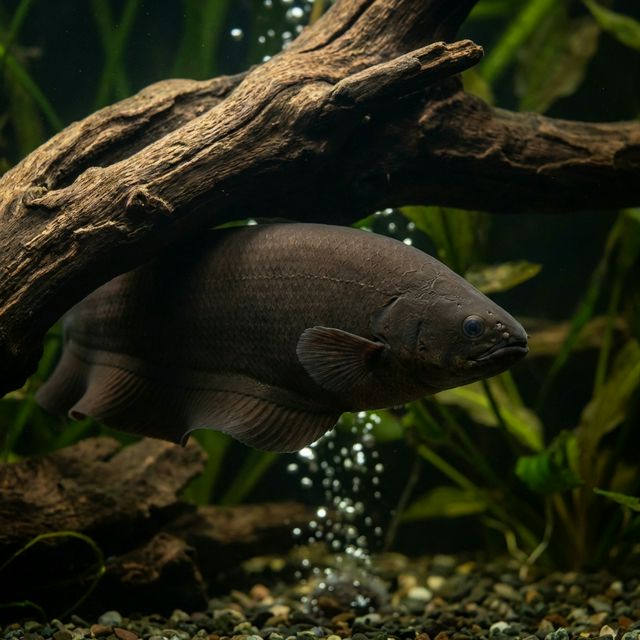
The African Knifefish, scientifically known as Xenomystus nigri, is a captivating freshwater species that has garnered the attention of aquarists around the globe. This fish is renowned for its unique, elongated body and ribbon-like appearance, which gives it a striking silhouette that stands out in any aquarium setting. Typically adorned in dark hues with lighter, iridescent spots, the African Knifefish reflects light beautifully, making it a visual delight for observers. Its graceful swimming style, characterized by a gentle undulation of its long fin, further enhances its appeal, effortlessly gliding through the water as it navigates its environment.
In addition to its aesthetic charm, the African Knifefish holds significant importance in the aquarium hobby due to its intriguing behavior and adaptability. While it is often sought after for community tanks, its unique characteristics and maintenance requirements place it in the medium to advanced category for aquarists. The species’ nocturnal nature adds another layer of allure, as it often displays captivating hunting behaviors during low-light periods, making it a dynamic addition to well-planned aquarium setups.
Natural Habitat & Origin
The African Knifefish hails from the diverse freshwater environments of Central and West Africa, particularly found in countries such as the Democratic Republic of Congo and Cameroon. This species predominantly inhabits slow-moving rivers, streams, and swampy areas characterized by dense vegetation and complex structures. The water in these habitats is typically blackwater, enriched with tannins from decaying plant material, which gives it a dark coloration ideal for the African Knifefish's natural camouflage. Additionally, these environments are usually low in hardness and pH, contributing to a nutrient-rich ecosystem with various microhabitats that the fish uses for shelter and breeding.
The African Knifefish thrives in slightly acidic to neutral pH levels (around 6.0 to 7.0) and prefers calm waters that are well-oxygenated and rich in organic material. These conditions not only provide safety from predators but also foster a healthy ecosystem that supports their diet and breeding habits. Understanding this species' natural habitat is crucial for creating a suitable environment in captivity, ensuring their well-being and longevity in the aquarium.
Care Requirements
To provide optimal care for the African Knifefish, it is essential to mimic its natural habitat as closely as possible. The recommended tank size is a minimum of 50 gallons to allow sufficient swimming space, as these fish can grow up to 14 inches in length. A substrate of softened sand or fine gravel is ideal, promoting a more natural environment where they can sift through the substrate for food. Since this species prefers low to moderate lighting, using dimmable LED fixtures can help to create a serene atmosphere, while strategically placed floating plants can provide dappled light and additional shelter.
In terms of water parameters, maintaining a consistent temperature range of 74°F to 82°F is crucial for the health of the African Knifefish. The water should ideally have a pH level between 6.0 and 7.0, with a hardness of 2 to 10 dGH. Regular water changes (25% per week) are recommended to keep nitrate levels low and ensure high water quality, as African Knifefish can be sensitive to poor water conditions. Incorporating live plants, driftwood, and hiding spots in the aquascape will not only enhance the aesthetic appeal of the tank but also create a comfortable and stimulating environment for the fish.
Diet & Feeding
The African Knifefish is primarily carnivorous but will opportunistically consume a variety of food sources and can be classified as an omnivore in captivity. To ensure a well-balanced diet, high-quality pellets or flakes formulated for carnivorous fish should form the base of their diet. Additionally, providing a range of frozen or live foods, such as bloodworms, brine shrimp, and small fish, will not only satisfy their nutritional requirements but also stimulate natural hunting behaviors.
Feeding should occur in the evening or during low-light conditions, as the African Knifefish is naturally nocturnal and may be less inclined to feed during bright daylight hours. A varied diet is key to promoting vibrant health and coloration, and it is advisable to feed small amounts multiple times a day, avoiding overfeeding to prevent complications such as poor water quality and obesity.
Behavior & Temperament
The African Knifefish exhibits intriguing behavior that can vary greatly depending on its environment and tank mates. Though generally peaceful, they may display territorial tendencies, particularly when confined to smaller spaces or when introduced to new tank mates. They prefer to inhabit the lower to mid-water regions of the aquarium, often staying close to the substrate or near vegetation, although they are known to explore their environment throughout all levels of the tank.
Due to their solitary nature, African Knifefish do best in slightly social arrangements where they can coexist with non-aggressive species. While they can be shy, they tend to become bolder with optimal environmental conditions and ample hiding spots. Ensuring a well-structured tank layout with plenty of shelters will help mitigate aggression and encourage natural social behavior.
Tank Mates
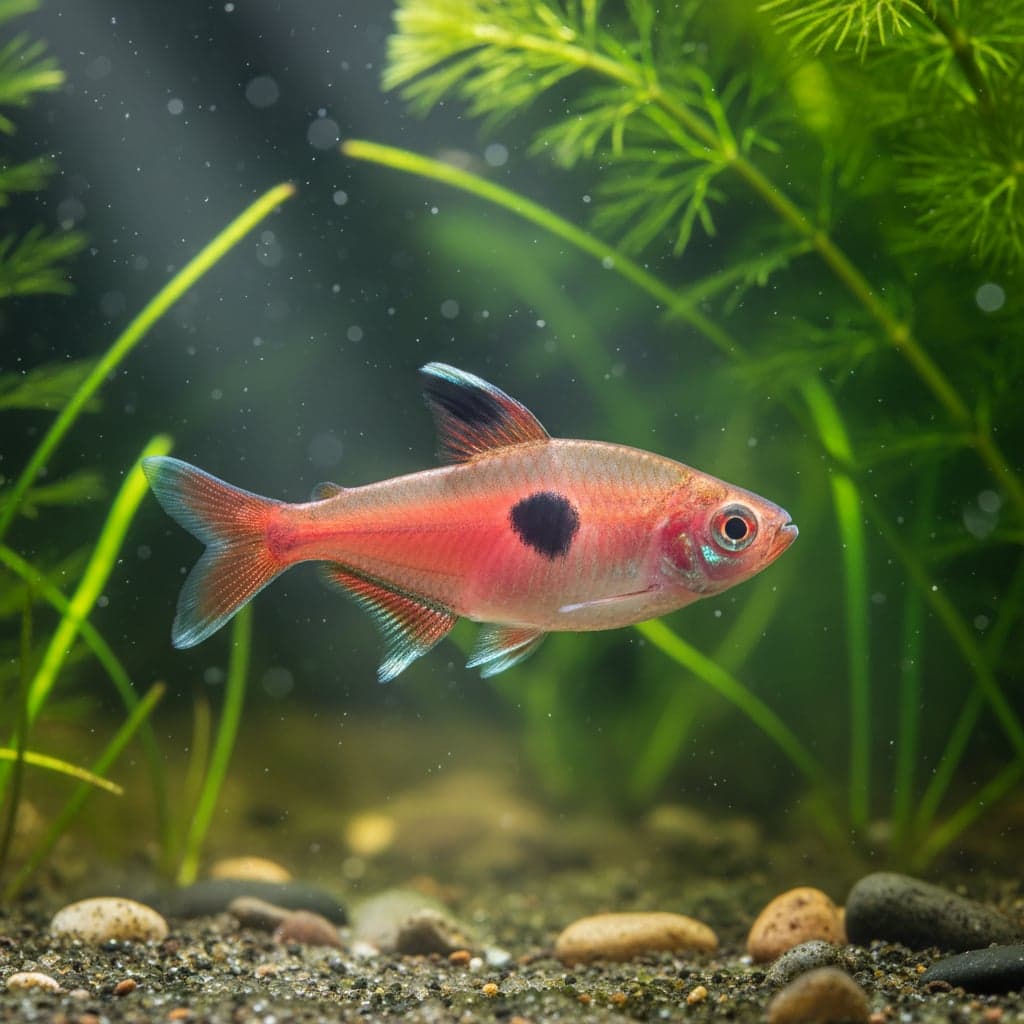
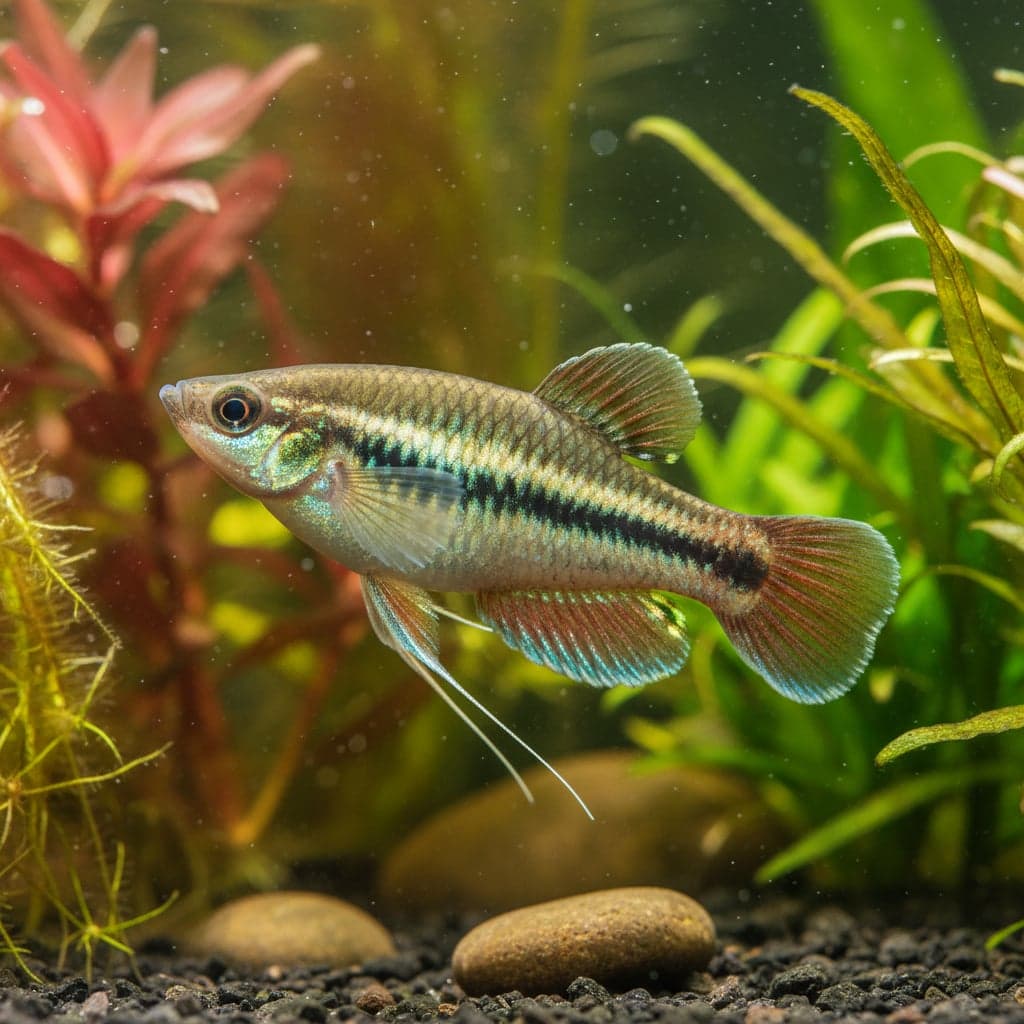
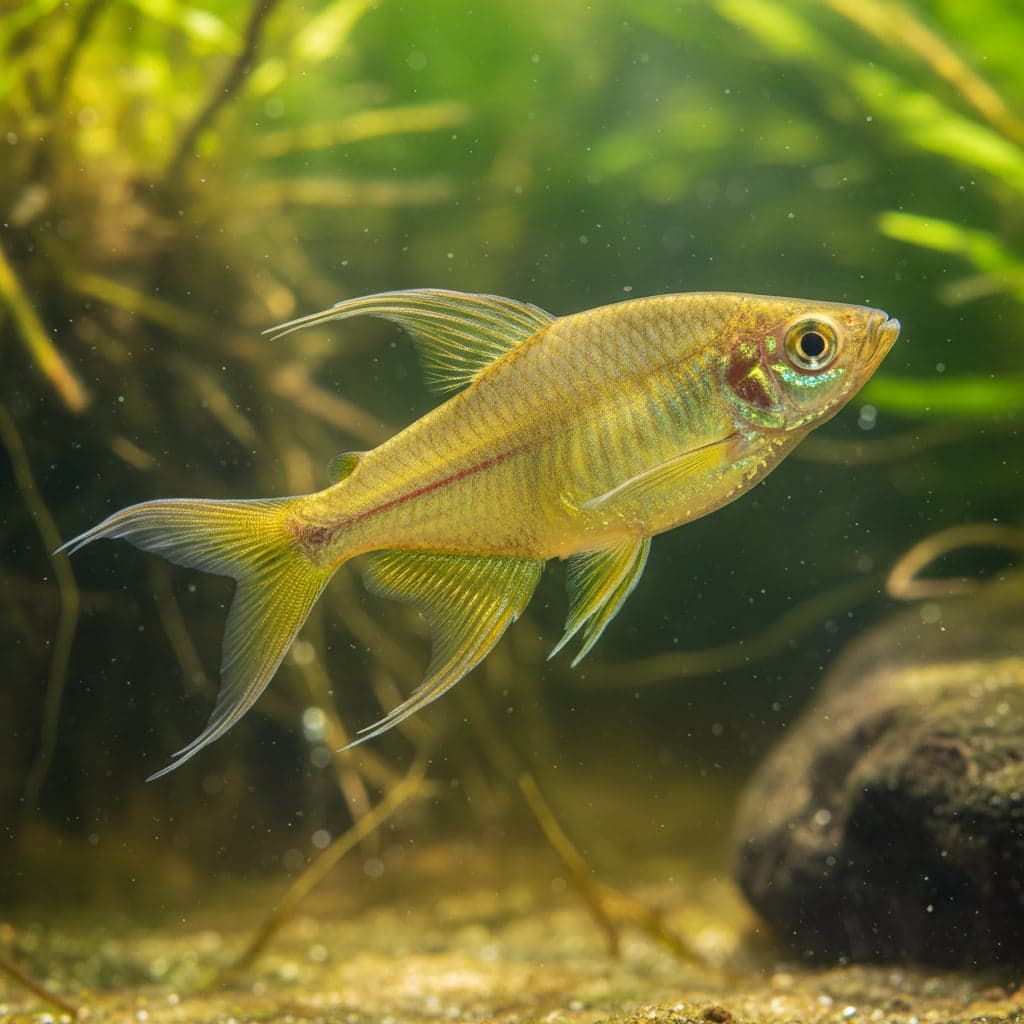
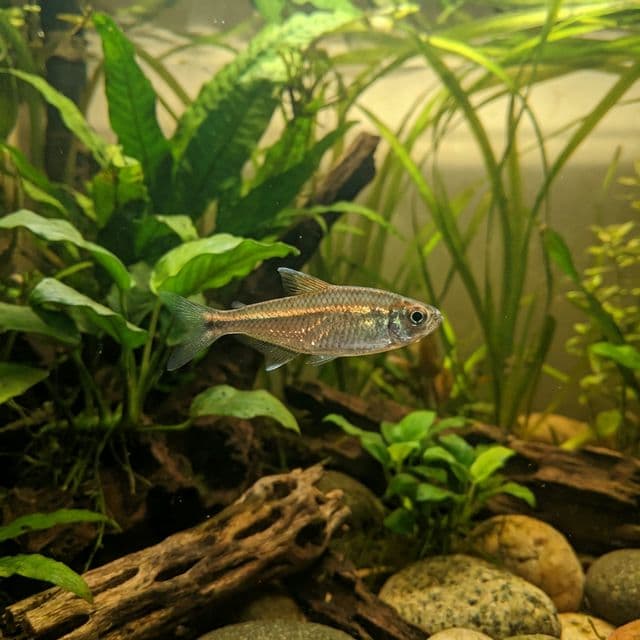
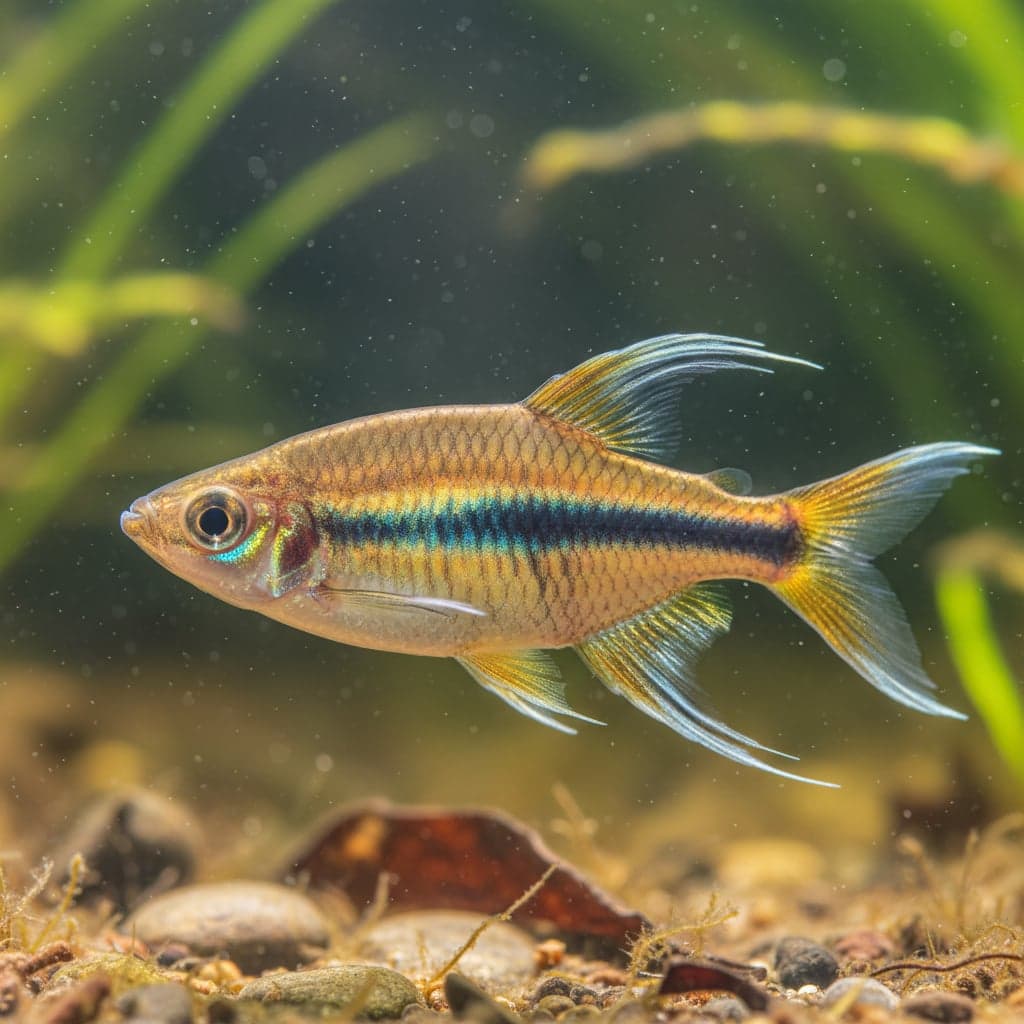
When selecting tank mates for the African Knifefish, it is important to choose species that share similar water parameters and are non-aggressive. Ideal tank companions include peaceful community fish such as tetras, rasboras, barbs, and certain species of catfish like Corydoras. Larger peaceful species like angelfish may also coexist well, provided ample space is available.
In contrast, it is advisable to avoid placing the African Knifefish with highly aggressive species, fin nippers, or any fish that may outcompete them for food. Avoid tank mates such as large cichlids and aggressive barbs which may stress the African Knifefish or disrupt its feeding habits. Careful selection of tank mates ensures a peaceful community aquarium environment while enhancing the overall aesthetic appeal of the setup.
Breeding
Breeding African Knifefish in captivity can be quite challenging, as specific conditions need to be met for successful spawning. In the wild, these fish typically exhibit a spawning behavior that involves forming loose pairs during the breeding season, usually during periods of heavy rainfall when water levels rise. To encourage breeding in captivity, it is essential to replicate these conditions by gradually increasing the water temperature to around 80°F (27°C) and slightly lowering the pH.
A well-planted tank with plenty of hiding spaces will provide a suitable environment for spawning. Breeding usually occurs on flat, smooth surfaces where eggs can be laid. After spawning, it is recommended to separate the adults from the eggs, as African Knifefish may consume their offspring. The eggs will hatch within a few days, and the fry should be fed infusoria or powdered foods until they are large enough to consume finely crushed flakes.
Common Health Issues
While the African Knifefish is generally robust, it can be susceptible to various health issues commonly found in aquarium fish. Ich (Ichthyophthirius multifiliis), a parasitic infection characterized by white cysts on the skin and gills, is one of the most prevalent ailments. Preventive measures include maintaining optimal water quality, ensuring proper tank temperatures, and avoiding overcrowding.
Other common issues include fin rot and bacterial infections, often linked to poor hygiene or injury. Treat promptly, keep the tank clean, and quarantine new fish so African Knifefish remain healthy and active.