African Red-eyed Tetra: Arnoldichthys spilopterus
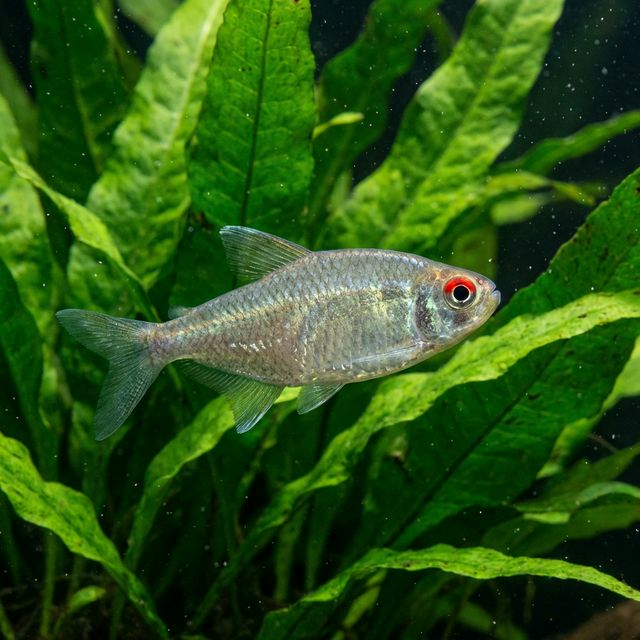
A large, beautifully scaled tetra with huge scales and a red eye. A stunning schooling fish.
African Red-eyed Tetra
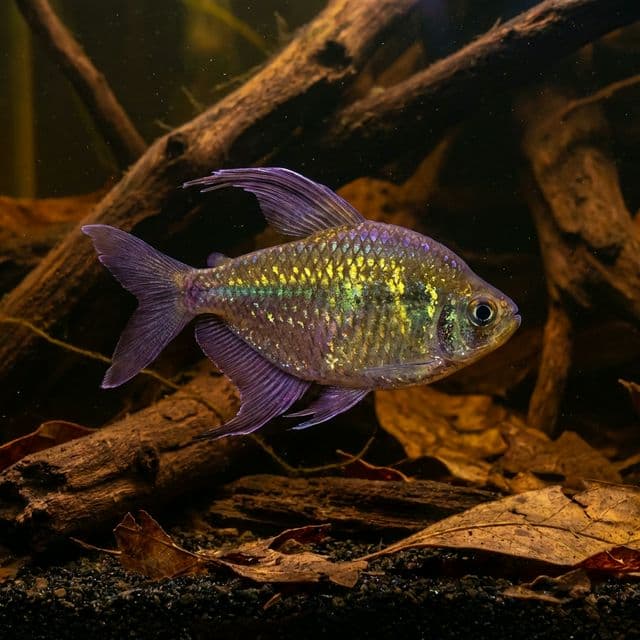
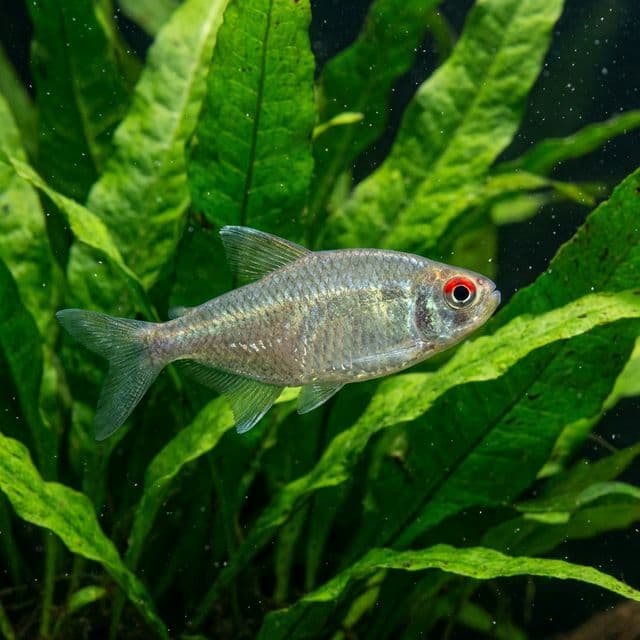
The African Red-eyed Tetra, scientifically known as Arnoldichthys spilopterus, is a vibrant and visually captivating freshwater fish that brings an exquisite splash of color to any aquarium. Native to the slow-moving waters of Africa, this small, peaceful fish typically measures around 2.5 to 3.5 inches in length. Its striking appearance is characterized by shimmering silver or golden bodies adorned with a distinctive red eye that gives it its popular name. These features not only enhance its aesthetic value but also make it a favored choice among aquarists seeking to create a lively and diverse aquatic environment.
In addition to its visual appeal, the African Red-eyed Tetra is significant in the aquarium hobby due to its sociable nature and hardiness, which make it a suitable species for both novice and experienced fishkeepers. These tetras thrive in schools and create dynamic displays as they swim gracefully through the tank. Their adaptability to various water conditions allows hobbyists to house them alongside a range of compatible species, fostering a thriving community tank. This fish not only serves as a stunning centerpiece in aquascapes but also enriches the aquarium experience with its engaging behavior and charming presence.
Natural Habitat & Origin
The African Red-eyed Tetra originates from the freshwater rivers and floodplain lakes of Central and West Africa, particularly in countries like Cameroon, Gabon, and the Republic of the Congo. These habitats are typically characterized by slow-moving waters laden with leaf litter and submerged vegetation, creating a complex and diverse ecosystem. The fish are often found in blackwater environments, where the water is stained with tannins from decaying plant matter, resulting in low pH and soft water conditions. Understanding their natural habitat is crucial for replicating their environment in captivity, ensuring their health and well-being.
These fish thrive in warm waters that are usually between 75°F and 82°F (24°C to 28°C), with a preference for slightly acidic to neutral pH levels of around 6.0 to 7.2. Maintaining these conditions closely mirrors their native environment, providing them a sense of security, which reduces stress and promotes healthier, more vibrant fish.
Care Requirements
For a thriving African Red-eyed Tetra aquarium, proper care requirements must be met. A minimum tank size of 20 gallons is recommended to accommodate a school of at least six individuals, as these fish feel safer in groups and will exhibit more natural behaviors. The ideal substrate consists of fine gravel or sand, allowing for unhindered movement and foraging. As these fish are accustomed to low light conditions in the wild, selecting dimmable LED lighting or using floating plants can create an inviting habitat while reducing stress levels.
Water parameters are critical for the sustained health of these tetras. The ideal temperature range should be maintained between 75°F and 82°F (24°C to 28°C), while the pH should be kept slightly acidic to neutral at 6.0 to 7.2. Hardness levels should be relatively soft at around 2-15 dGH. Regular water changes and quality monitoring are essential to keep ammonia and nitrite levels at zero while ensuring nitrate levels remain as low as possible.
Diet & Feeding
The African Red-eyed Tetra is an omnivorous species, displaying a diverse dietary preference that consists of high-quality flakes, granules, and pellets as staple foods. In addition to these formulated feeds, supplementing their diet with live foods such as brine shrimp, daphnia, or bloodworms can enhance their color and vitality. Offering frozen or freeze-dried foods can also add nutritional value and promote natural foraging behavior. Regular feeding should occur at least twice a day, ensuring that portions are consumed within a few minutes to maintain water quality.
It is essential to provide a varied diet to prevent nutritional deficiencies and to mimic their natural foraging tendencies. This approach not only helps maintain optimal health but also contributes to the overall well-being of the fish, making them more active and vibrant within the aquarium.
Behavior & Temperament
The African Red-eyed Tetra is known for its gentle demeanor and sociable nature, making it an excellent choice for community tanks. These fish are shoaling species and should always be kept in groups of at least six to promote their natural schooling instincts and reduce stress. They often occupy the mid to upper levels of the aquarium, where they actively swim and interact with one another. Displaying playful and inquisitive behaviors, they contribute to a lively aquatic environment.
While generally peaceful, the African Red-eyed Tetra may exhibit mild territoriality during breeding or when crowded. It is advisable to avoid keeping them with overly aggressive or larger fish, as this can lead to stress or aggression. Providing ample swimming space and hiding spots will further contribute to their comfort and well-being.
Tank Mates
When selecting tank mates for the African Red-eyed Tetra, it is crucial to consider compatible species that share similar water parameters and temperament. Ideal tank mates include smaller and peaceful fish such as guppies, neon tetras, pygmy corydoras, and rasboras. Bottom dwellers like otocinclus and small plecos can coexist harmoniously, as they occupy different levels in the tank without competing for space.
However, larger or aggressive fish should be avoided as tank mates. Species such as cichlids, bettas, or larger barbs can pose a threat, leading to stress or harm to the African Red-eyed Tetra. Always introduce new species gradually and monitor interactions closely to ensure a harmonious community.
Breeding
Breeding the African Red-eyed Tetra can be an exciting endeavor for hobbyists willing to create suitable conditions in captivity. To encourage spawning, a separate breeding tank with soft, slightly acidic water and plenty of fine-leaved plants or spawning mops should be provided. A water temperature of around 78°F to 80°F (25°C to 27°C) is optimal.
During the breeding process, males may display courtship behaviors, showcasing their vibrant colors and performing rhythmic swimming displays. Females will scatter eggs among the foliage; typically, they can lay up to 200 eggs. Once the eggs are laid, the parent fish should be removed to prevent them from eating their offspring. The eggs will hatch in approximately 24-48 hours, with fry becoming free-swimming within a few days. Providing infusoria or finely crushed flake food will support the initial growth of the fry before transitioning them to larger foods.
Common Health Issues
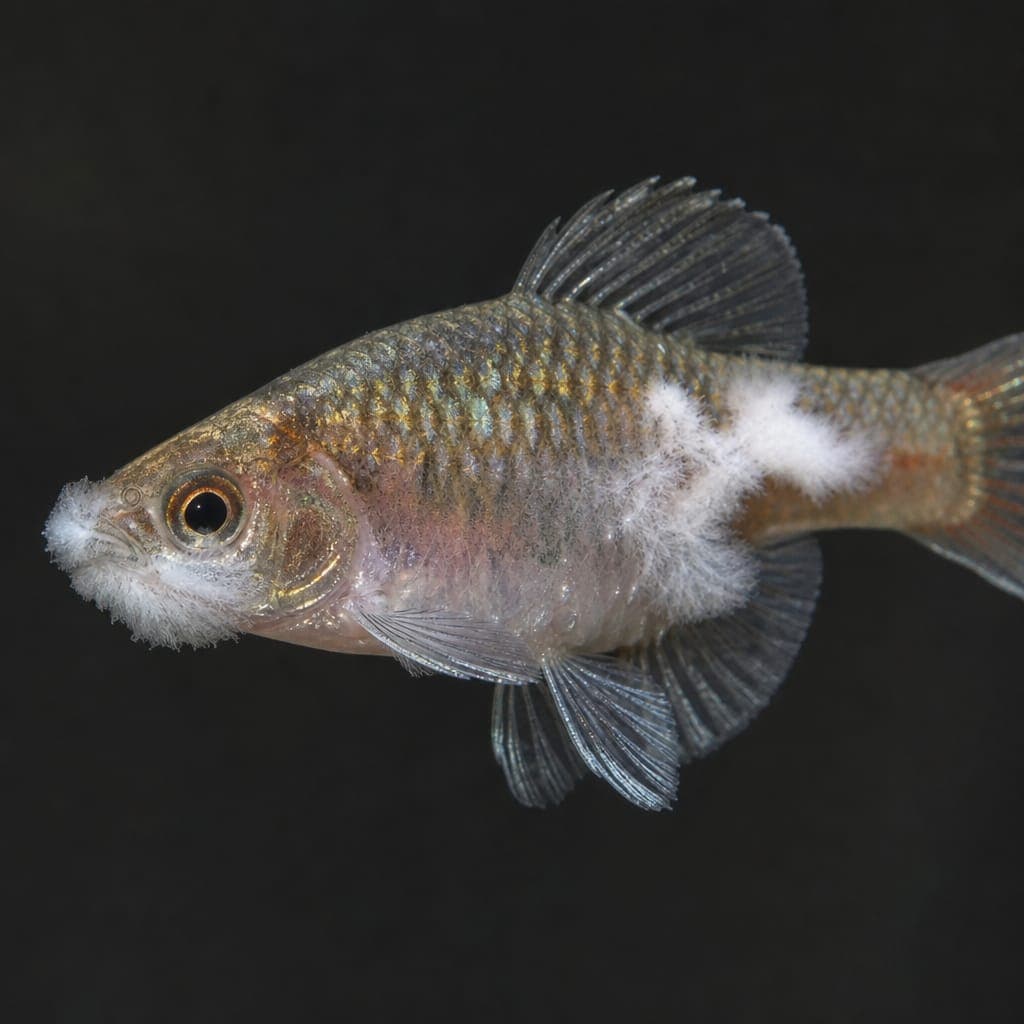
African Red-eyed Tetras are generally resilient, but they can be susceptible to some common diseases, such as ich, fin rot, and fungal infections. Ich, or white spot disease, often arises from sudden changes in water temperature or poor water quality. Maintaining stable water conditions and conducting regular tank maintenance will help prevent outbreaks.
Fin rot can result from stress or injuries in suboptimal environments, making it essential to provide a stress-free habitat with adequate space and clean water. Monitoring for any signs of illness is crucial, including lethargy, changes in appetite, or visible lesions. In case of health issues, timely intervention with medication or adjustments in care can help ensure the well-being of the African Red-eyed Tetra. Regular health checks, a balanced diet, and prompt attention towater quality will further mitigate health risks.