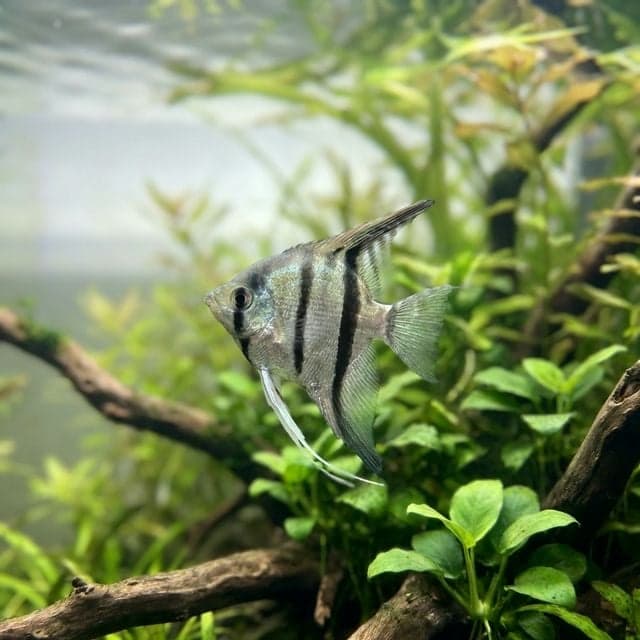
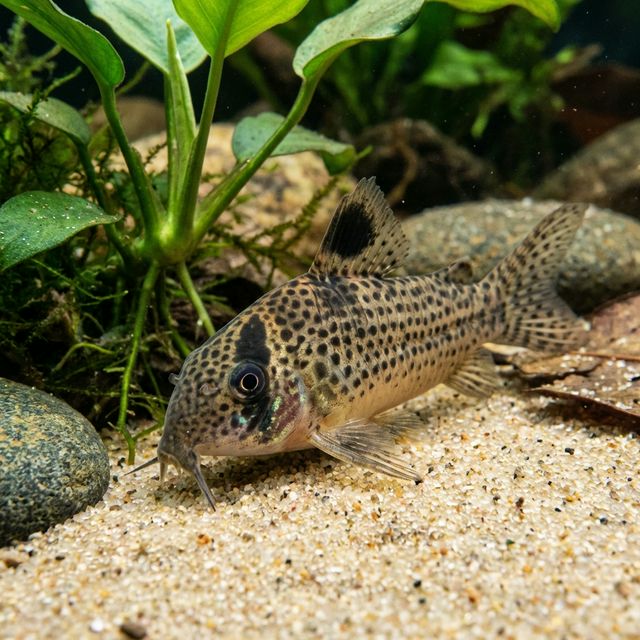
Agassiz's Cory: Brochis agassizii
A silvery, slightly larger corydoras species with spots. A peaceful bottom dweller.

Agassiz's Cory
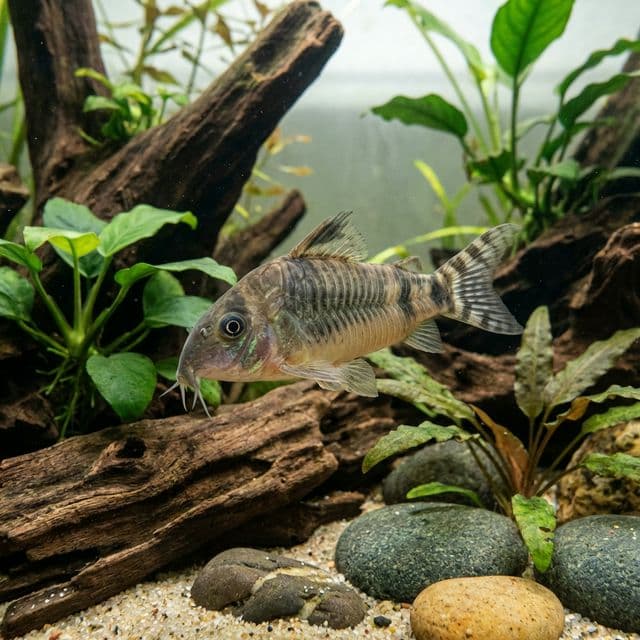
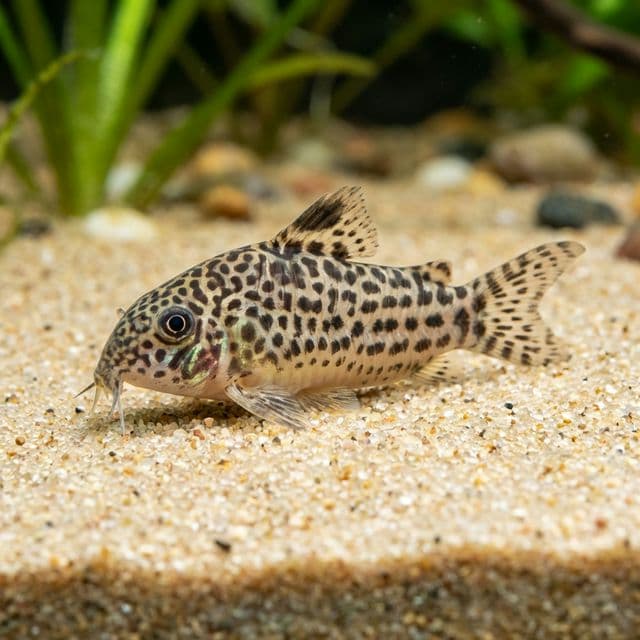
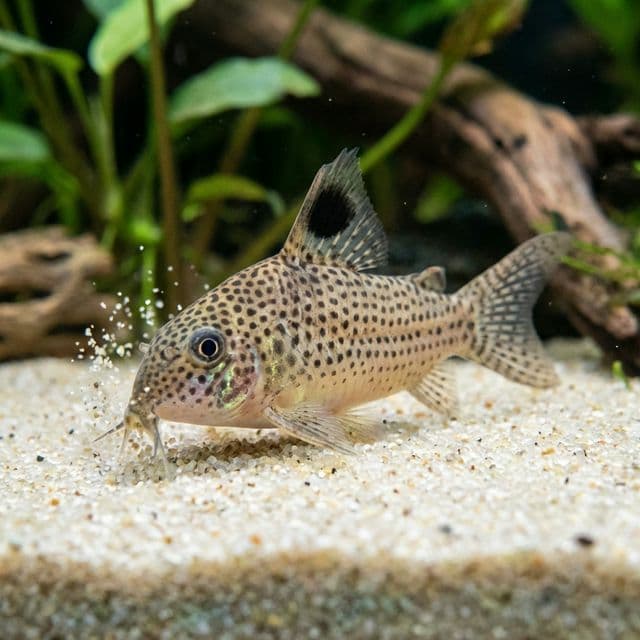
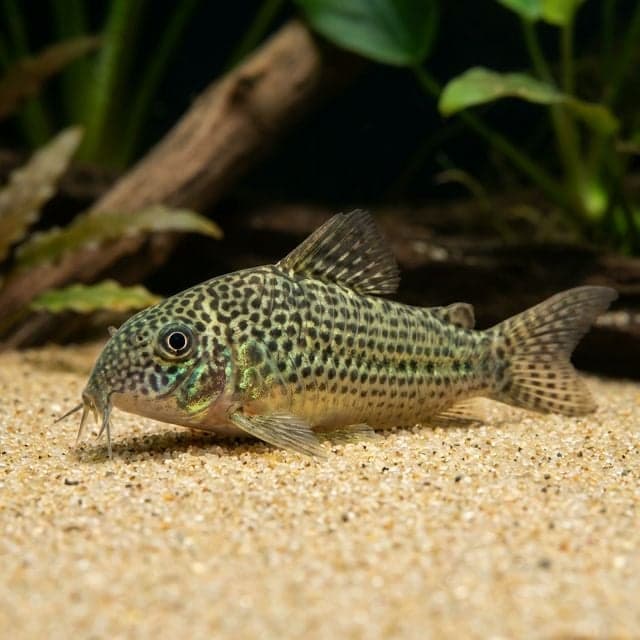
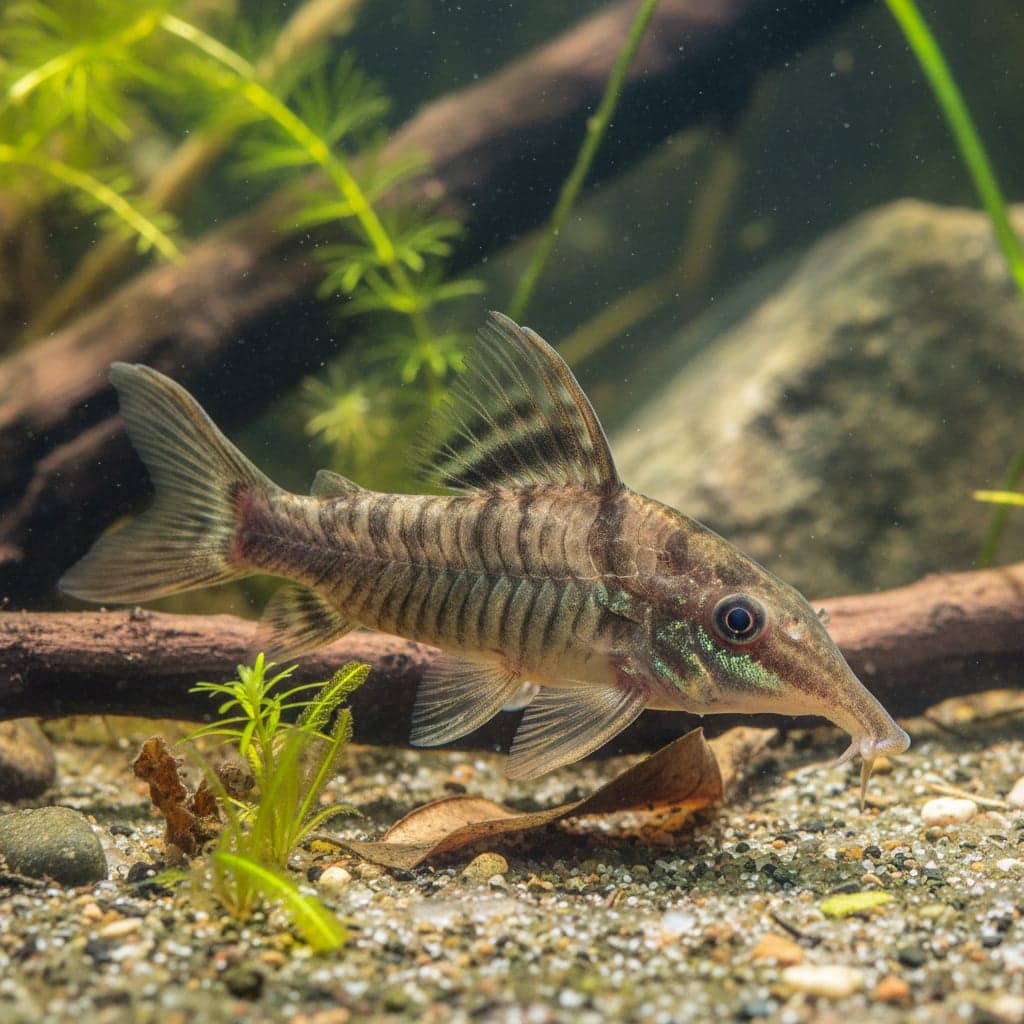
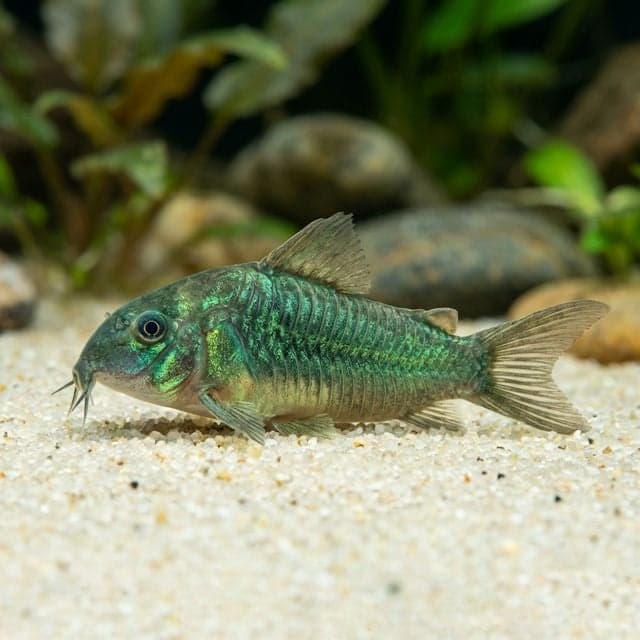
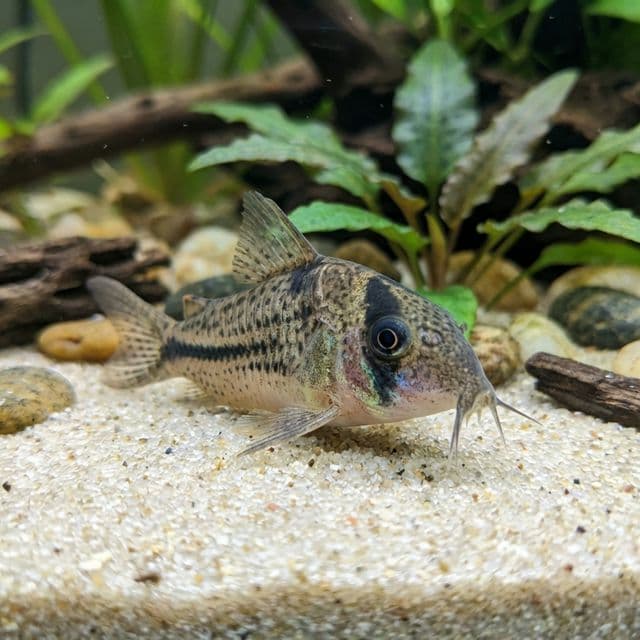
Agassiz's Cory, scientifically known as Brochis agassizii, is a captivating freshwater fish that appeals to both novice and seasoned aquarists due to its charming demeanor and striking appearance. This small, robust catfish is characterized by its distinctive coloration, often exhibiting a mix of green, brown, and yellow hues, with subtle patterns of spots or stripes that provide a natural camouflage. The Agassiz's Cory is particularly appreciated for its unique body shape, which is more elongated compared to many other Corydoras species, giving it an elegant swimming style. Their endearing habit of foraging along the substrate enhances their visual appeal, making them a lively addition to community tanks.
In the aquarium hobby, Agassiz's Cory holds significance not only for its beauty but also for its role in promoting a balanced ecosystem within the tank. As bottom feeders, they help maintain substrate cleanliness by scavenging uneaten food and detritus, which can contribute to better water quality. This behavior makes them an essential species for any well-rounded aquarium setup. Moreover, their peaceful nature allows them to coexist harmoniously with a diverse range of other fish, making them a popular choice for community aquariums.
Natural Habitat & Origin
Agassiz's Cory is native to the Amazon River basin, with populations found primarily in Brazil. This region is renowned for its rich biodiversity and unique aquatic environments, where Agassiz's Cory inhabits slow-moving rivers, streams, and floodplain lakes. These habitats are often characterized by blackwater or clearwater conditions, with soft, acidic water that is rich in organic materials like leaf litter. The presence of floating vegetation and submerged roots provides both shelter and food sources for this species. Understanding their natural habitat is crucial for replicating their needs in the home aquarium, as it informs water quality, tank setup, and the overall environment that best supports their health.
Care Requirements
To thrive in captivity, Agassiz's Cory requires specific water parameters and tank conditions. The ideal pH level is typically between 6.0 and 7.5, with a temperature range of 24°C to 28°C (75°F to 82°F). The water hardness should be kept between 2 to 10 dGH to create a conducive environment. In terms of tank setup, a minimum tank size of 60 liters (15 gallons) is recommended to provide adequate swimming space and accommodate a small group, as they are social fish that thrive in groups of at least five or more.
When considering the substrate, choose a soft, sandy bottom to prevent injury to their sensitive barbels as they forage. Aquatic plants, driftwood, and caves can be included in the layout to replicate their natural environment and offer hiding spots. Moderate lighting is preferred, as they tend to feel more secure in dimly lit areas. This setup not only reflects their natural habitat but also helps in reducing stress levels, leading to healthier and more active fish.
Diet & Feeding
Agassiz's Cory are omnivorous scavengers in nature and benefit from a varied diet in captivity. A balanced diet should include high-quality sinking pellets or wafers specifically formulated for catfish, as these provide the necessary nutrients to support their health and well-being. In addition to the staple diet, you can enhance their nutrition by supplementing with both frozen and live foods, such as bloodworms, daphnia, and brine shrimp, which help strengthen their immune system and boost coloration.
Flake food can also be included; however, ensure that it sinks to the bottom, as Agassiz’s Cory primarily feed near the substrate. Additionally, blanched vegetables like zucchini or peas can be offered occasionally to enrich their diet with plant matter, promoting digestive health. Ensuring a varied diet will keep these fish vibrant and full of energy.
Behavior & Temperament
The social behavior of Agassiz's Cory makes them a delightful addition to community aquariums. Typically characterized by a peaceful disposition, they are best kept in groups, where they will exhibit natural schooling habits, swimming together along the tank bottom in a charming and interactive manner. Although they can occasionally exhibit some shyness, especially in the presence of larger or more aggressive tank mates, their cooperative nature generally prevails, making them an excellent community fish.
Agassiz's Cory generally occupies the lower levels of the aquarium and prefers to stay near the substrate where they can forage for food among plants and decorations. They may occasionally venture to mid-levels during feeding times or when feeling secure. Establishing a comfortable environment with ample hiding spots can help to reduce shyness and encourage their natural behaviors.
Tank Mates
Choosing compatible tank mates for Agassiz's Cory is crucial for maintaining a harmonious aquarium environment. Suitable companions include small to medium-sized peaceful fish such as tetras (e.g., Neon or Rummy Nose Tetras), rasboras, dwarf cichlids, and peaceful barbs. These species generally coexist well with Agassiz's Cory and will enhance the community environment of the aquarium.
Conversely, it’s essential to avoid keeping Agassiz's Cory with aggressive or territorial species, such as larger cichlids, aggressive barbs, or fast-moving fish that may potentially harass them. Additionally, avoid overly large or boisterous fish that may intimidate or outcompete them for food. A well-thought-out selection of tank mates will contribute to a peaceful community aquarium and a stress-free environment for Agassiz's Cory.
Breeding
Breeding Agassiz's Cory in captivity requires careful conditions and setup to mimic their natural spawning environment. A separate breeding tank or well-planted tank is recommended to reduce stress and provide sufficient hiding places. To encourage spawning, a slight increase in temperature—warmer than their usual environment—and the introduction of cooler, fresh water through a water change can trigger their natural breeding instincts.
During spawning, the female will lay adhesive eggs, often on flat surfaces such as leaves or rocks, while the male fertilizes them. Following this, it's essential to separate the adults from the eggs to prevent them from consuming their young. The eggs typically hatch within 3 to 5 days, and once the fry is free-swimming, they can be fed finely crushed flakes or specialized fry food to ensure healthy growth.
Common Health Issues
While Agassiz's Cory are generally hardy fish, they can still be prone to certain health issues commonly seen in freshwater aquariums. One of the most prevalent diseases is ich (Ichthyophthirius multifiliis), characterized by white cysts on the body and fins. Prevention includes maintaining optimal water quality, keeping tanks clean, and avoiding stress through adequate hiding spots and proper tank mate selection.
Another concern is the development of respiratory issues, which can arise from poor water quality and high ammonia levels. Regular testing of water parameters and maintaining a proper filtration system can significantly reduce these risks. Additionally, keeping an eye on their diet and ensuring they receive a varied and balanced nutrition can aid in preventing dietary-related health problems. Regular observation will help catch any issues early, leading to prompt intervention and treatment.