Alligator Plec: Pterygoplichthys scrophus
A prehistoric-looking pleco with ridges and a rhino-like snout. Unlike common plecos, it is less of an algae eater.
Also known as: alligator pleco · L014 · L-014 · Panaque nigrolineatus

Alligator Plec
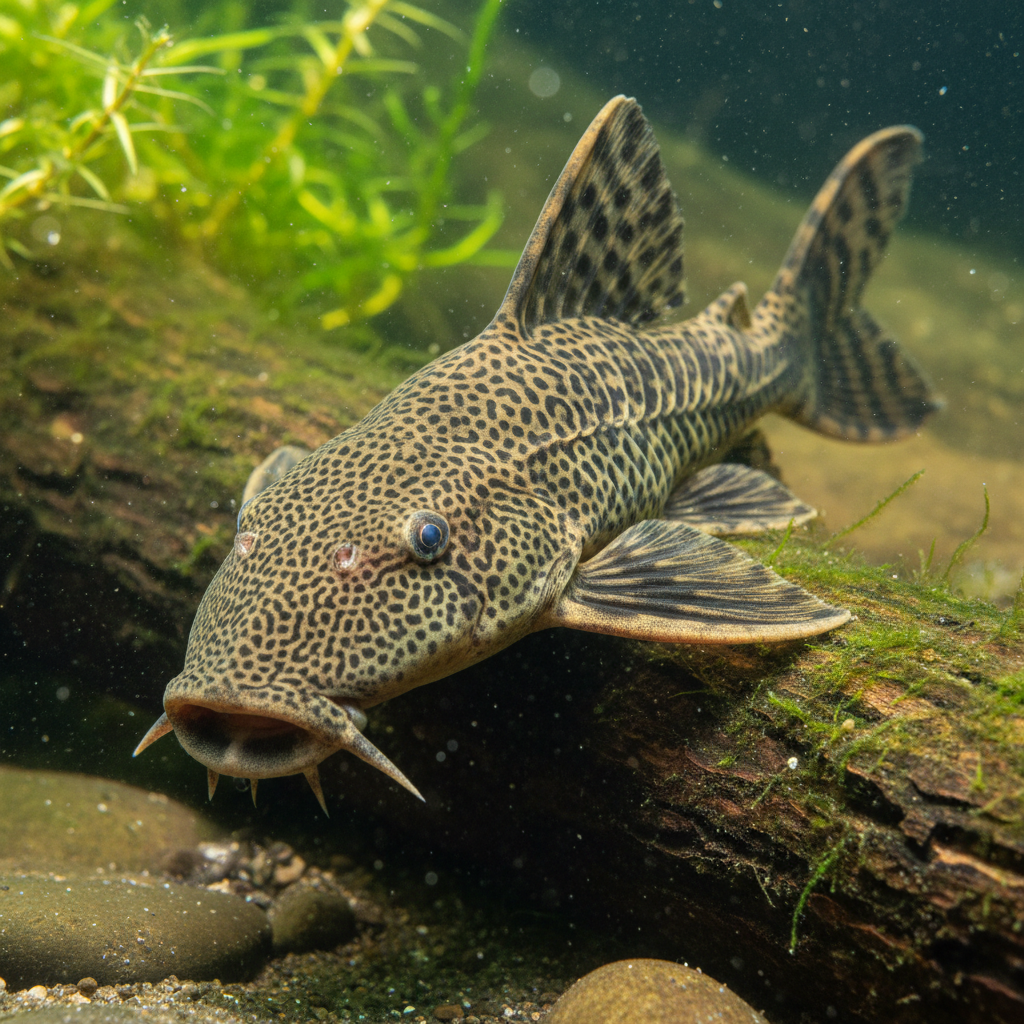
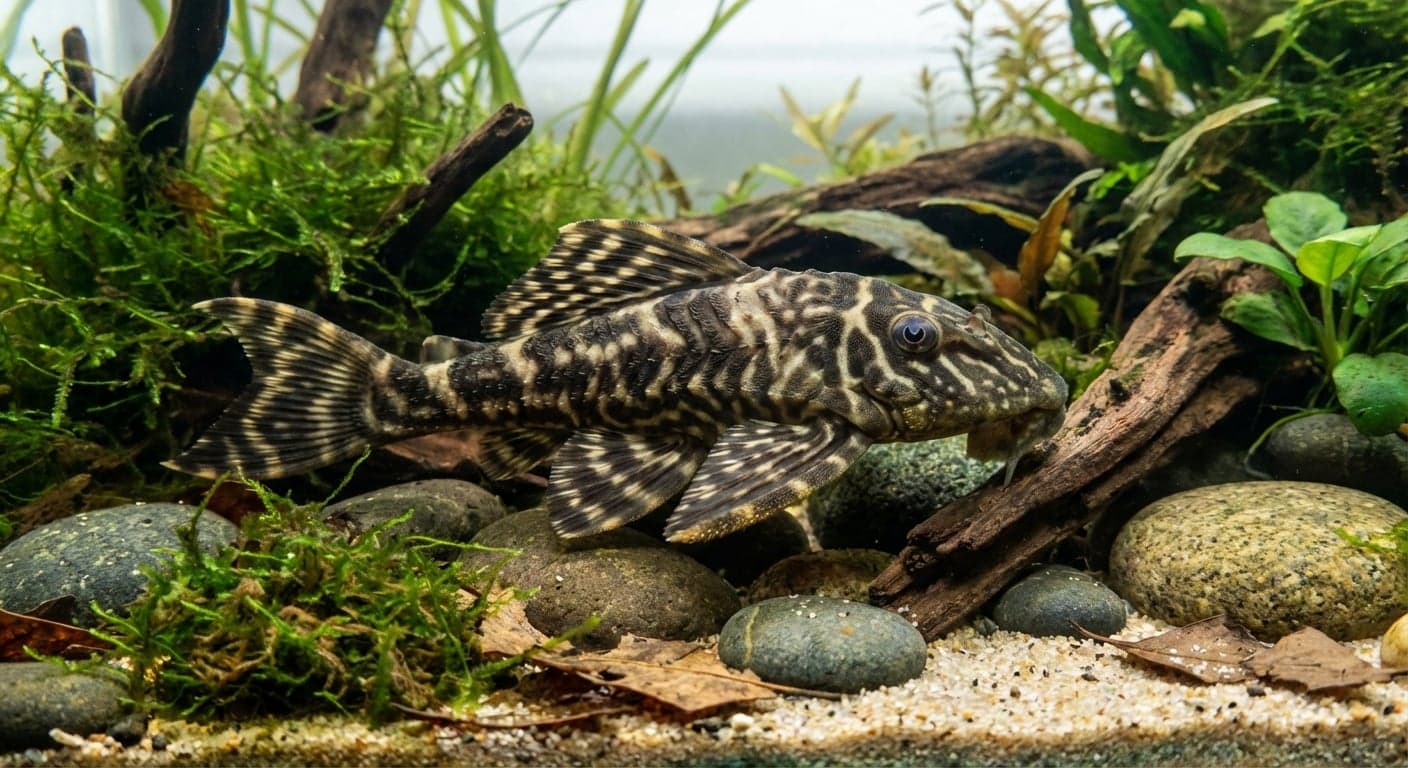
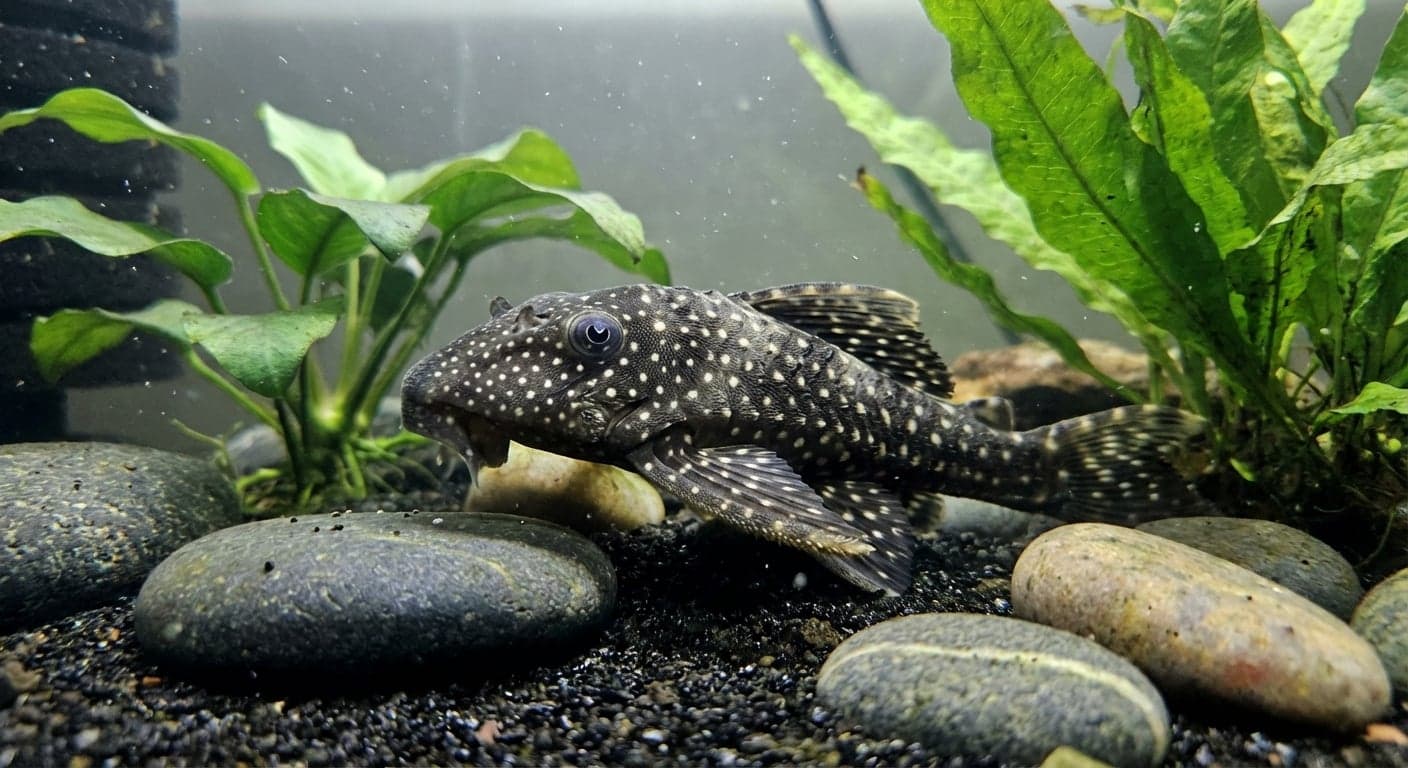
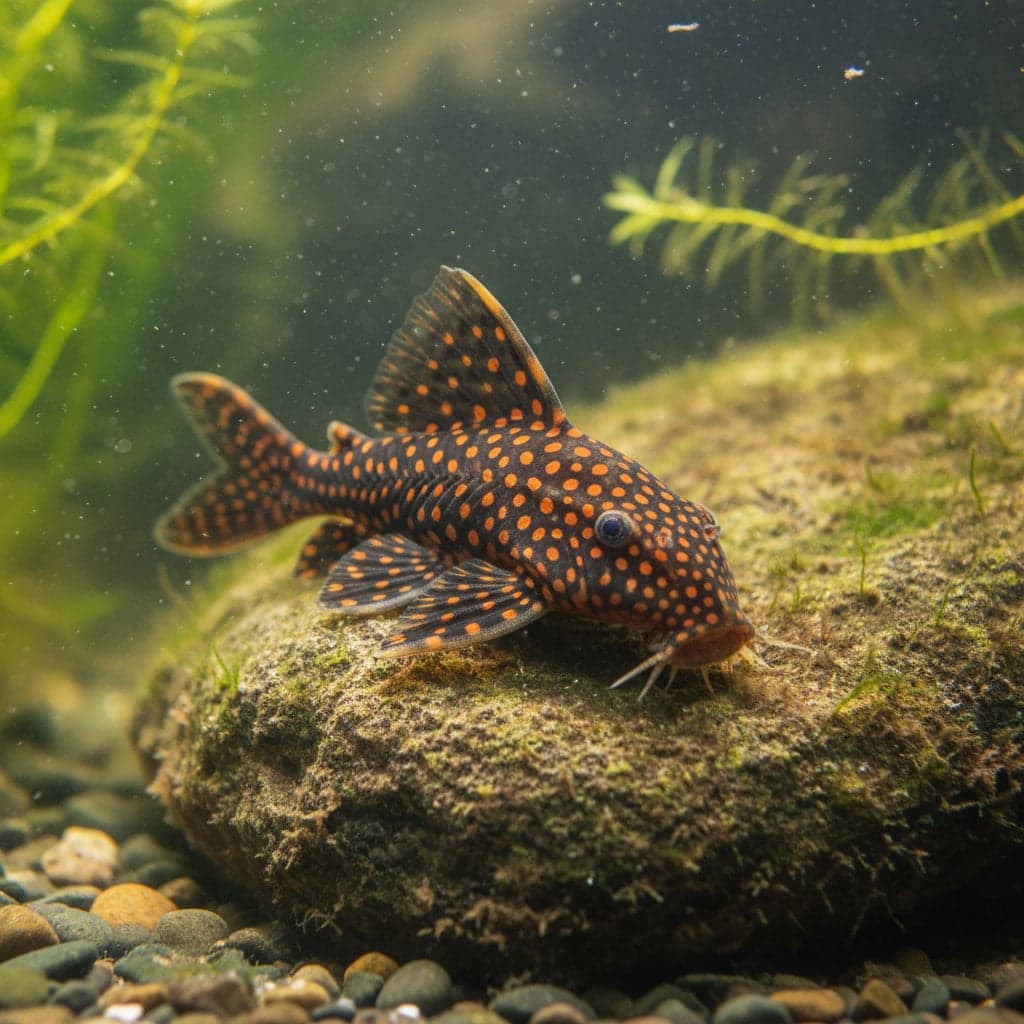
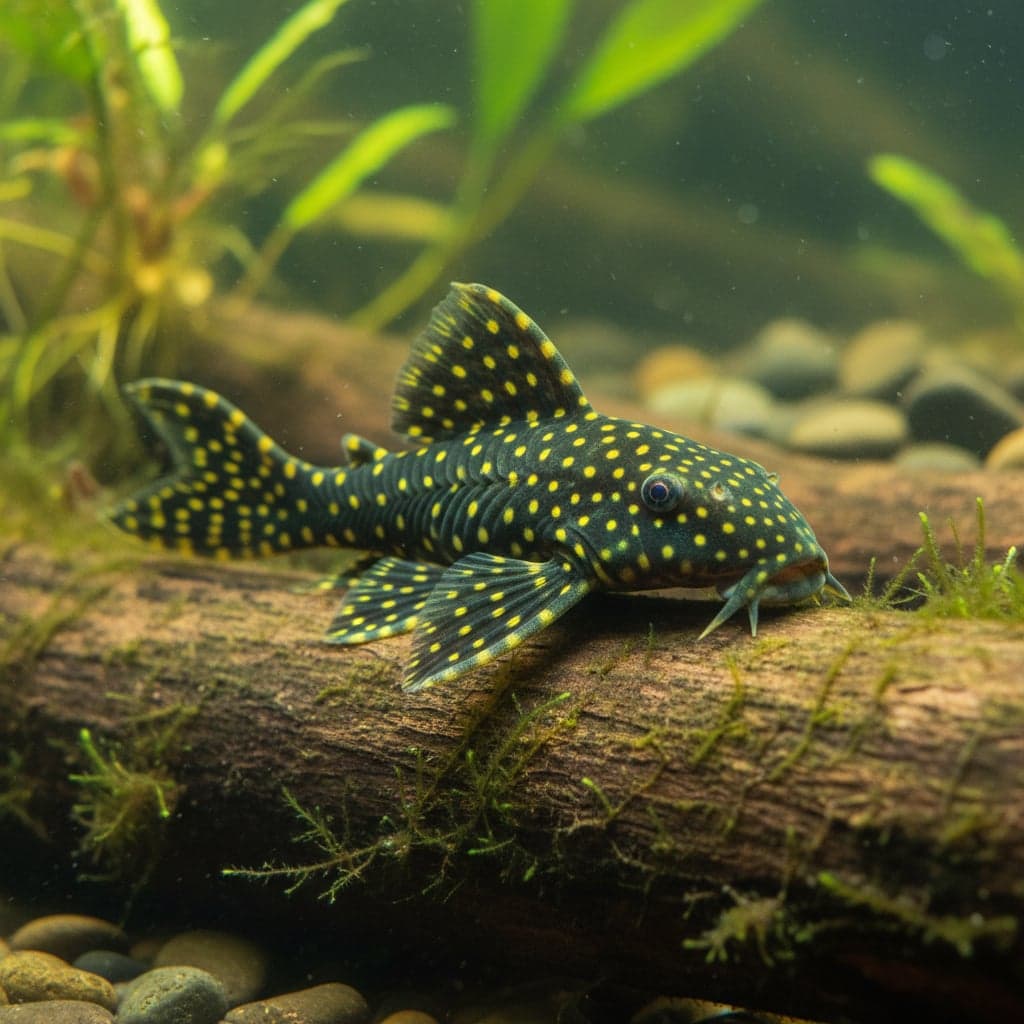
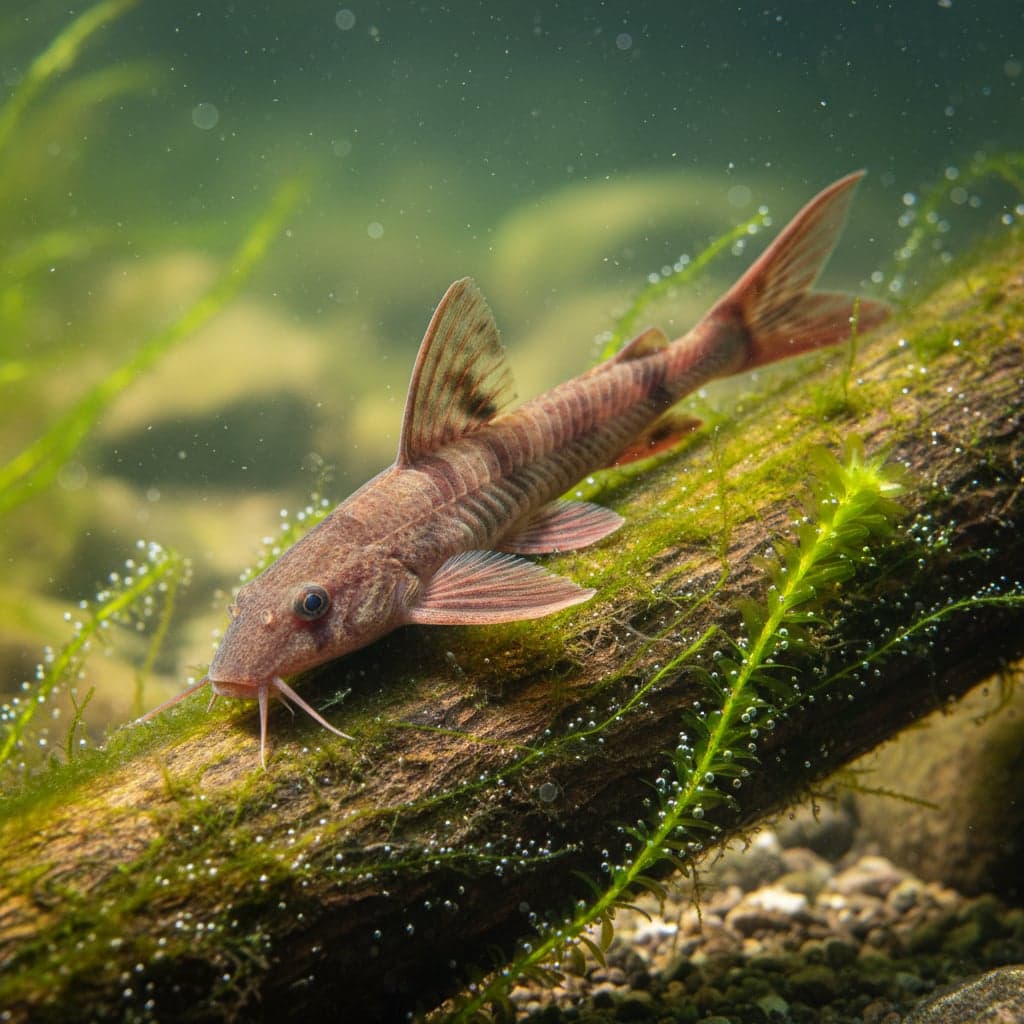
The Alligator Plec, scientifically known as Pterygoplichthys scrophus, is a distinctive species of freshwater catfish renowned for its striking appearance and robust physique. This fish is characterized by its large size, reaching lengths of up to 10-12 inches (25-30 cm), and a broad, armored body that features a unique pattern reminiscent of alligator skin, therefore earning its common name. With a dark brown to greenish coloration marked by lighter mottled spots, the Alligator Plec offers visual appeal and adds an exotic flair to both community and specialized aquariums. Its impressive size and sturdy form not only make it a statement piece in an aquarium but also serve functional roles, such as algae control, in a well-maintained setup.
In the aquarium hobby, the Alligator Plec holds significance due to its unique biological characteristics and ecological contributions. As an algae-eater, it helps maintain tank cleanliness and balance, which is beneficial to both novice and experienced aquarists. However, its size and specific care requirements necessitate responsible ownership and suitable tank environments to ensure its health and longevity. The Alligator Plec demonstrates the importance of understanding the needs of larger species in freshwater aquariums, thereby fostering a knowledgeable and responsible aquarium community.
Natural Habitat & Origin
The Alligator Plec is originally found in the rivers and waterways of South America, specifically in regions of the Amazon River basin, including countries like Brazil, Peru, and Colombia. This catfish typically inhabits slow-moving rivers and tributaries where the water is rich in organic materials and often has a blackwater composition. The dark waters are typically soft and acidic, featuring a variety of submerged logs, leaf litter, and other structures that provide hiding spots and breeding grounds. Understanding their natural habitat is crucial for aquarium setups that aim to replicate the conditions these fish thrive in, ensuring their well-being in captivity.
Drifting leaves and detritus in their native environment create a nutrient-rich substrate that the Alligator Plec can scour for food. The high environmental humidity and stable, warm temperatures also influence their growth and activity levels. Replicating these parameters is essential for aquarists looking to create an idyllic home for their Alligator Plec, promoting not only their visual appeal but also their health and stability within an aquarium ecosystem.
Care Requirements
When caring for the Alligator Plec, it is vital to provide a suitable environment that mirrors its natural habitat. The recommended minimum tank size is 100 gallons, due to the fish’s potential large size and relatively high bioload. The water parameters should be maintained within a pH range of 6.5 to 7.5, with a temperature of 75°F to 82°F (24°C - 28°C), and hardness levels between 2 to 20 dGH. A sandy substrate is ideal, facilitating their natural foraging behavior, while the tank should provide plenty of hiding spots using driftwood, caves, and rocks.
Lighting can be moderate to low in intensity, which not only benefits the Alligator Plec but also suits many of its tank mates. Adding live plants can enhance the aesthetic appeal of the aquarium, but keep in mind that the Alligator Plec may uproot them as it swims about, particularly looking for algae. Additionally, ensure proper filtration to manage waste and maintain water quality, as these fish can produce significant bio-loads.
Diet & Feeding
The Alligator Plec is classified as an omnivore, having a diet that primarily consists of algae, detritus, and plant materials in nature. In an aquarium setting, it is important to provide a varied diet that includes high-quality pellets, sinking wafers, and fresh fruits and vegetables such as zucchini, cucumber, and leafy greens. Supplementing its diet with occasional frozen or live foods such as bloodworms or brine shrimp will also help maintain its overall health.
Regular feeding should be controlled to prevent overfeeding, which can lead to obesity and deteriorating water conditions due to excess waste. Providing food primarily during the evening or early morning is recommended since Alligator Plecs exhibit a more active feeding behavior during low-light hours. Proper dietary management is crucial to ensure that the Alligator Plec remains both healthy and an effective algae eater within the tank.
Behavior & Temperament
The Alligator Plec exhibits a relatively peaceful temperament, making it suitable for community tanks with compatible species. However, they can be quite territorial, especially concerning their hiding spots. Although they are generally solitary, providing adequate space and multiple hiding locations can help mitigate any aggressive behaviors directed towards other bottom-dwelling species. Their behavior is predominantly bottom-dwelling, and they are often seen grazing along the substrate or resting on rocks and driftwood.
While the Alligator Plec does not form schools like some other fish, it may tolerate the presence of tank mates in its vicinity without issue, provided that there are sufficient resources. Being nocturnal, they become more active during the night hours, making them a fascinating addition to aquariums wherein their behaviors can be observed after lights out.
Tank Mates
In selecting tank mates for the Alligator Plec, it is important to prioritize species that share similar water parameter requirements and are non-confrontational. Suitable companions include community-friendly fish such as the Rainbowfish, Tetras, Rasboras, and larger Gouramis. Other bottom-dwelling fish like Corydoras and larger Catfish can also coexist peacefully if space and hiding areas are provided.
Conversely, aggressive or overly territorial species should be avoided, as they may stress the Alligator Plec or compete for space and resources. Fish like Cichlids, particularly those that are smaller or more aggressive, may pose threats. Additionally, smaller species, or fish that are known to nip fins, should be kept out of the tank to ensure a peaceful environment.
Breeding
Breeding the Alligator Plec in captivity can be quite challenging and typically requires specific conditions to be successful. These fish exhibit a breeding behavior where males will seek out suitable spawning sites with good water flow, often creating nesting areas within caves or under driftwood. To encourage breeding, it's essential to maintain optimal water parameters, including slightly elevated temperatures (around 80°F or 27°C), and to offer ample hiding places to stimulate natural behavior.
Once a female feels secure, she may lay eggs, which the male will then fertilize. The male will guard the eggs until they hatch, which usually takes about 5 to 10 days. After hatching, the fry will require fine foods such as powdered fry food or infusoria until they are large enough to accept small crushed flakes. Proper care and water quality during this delicate time will significantly improve the survival rates of the young Alligator Plecs.
Common Health Issues
The Alligator Plec, like many fish species, can be susceptible to various health issues. Common ailments include ich (Ichthyophthirius multifiliis), a parasitic infection characterized by white spots on the body; fin rot, which can occur due to poor water quality; and various internal parasites. Maintaining high water quality through regular water changes and using a quality filter is essential for preventing these health issues.
To reduce stress and promote overall health, avoid overcrowding the tank and ensure that all tank mates are compatible. Regular observations for any signs of illness, including changes in behavior, eating habits, or skin texture, will ensure prompt treatment. Providing adequate driftwood, pristine oxygenated water, and a balanced diet ensures that your Alligator Plec will live a long, robust life.