Altum Angelfish: Pterophyllum altum
The largest and most majestic of the Angelfish. Known for their extreme vertical height and wild, elegant appearance.
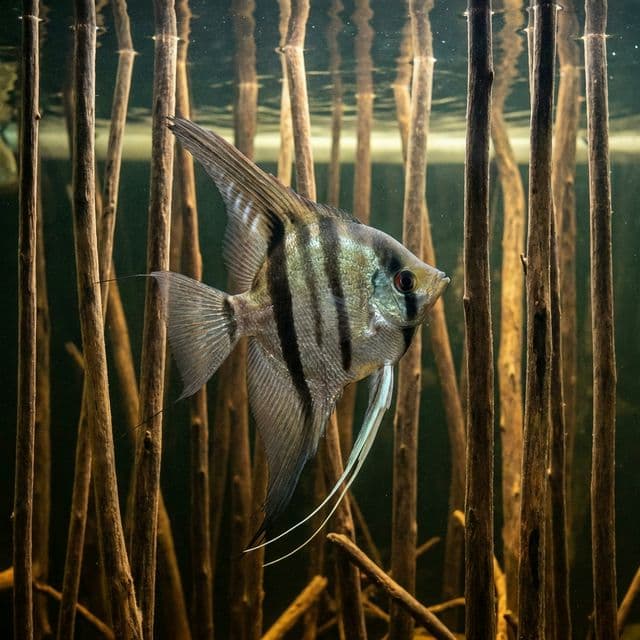
Altum Angelfish
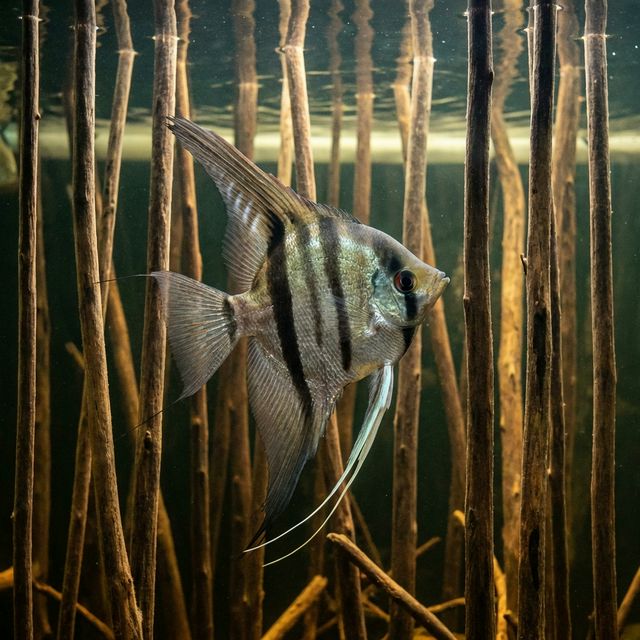
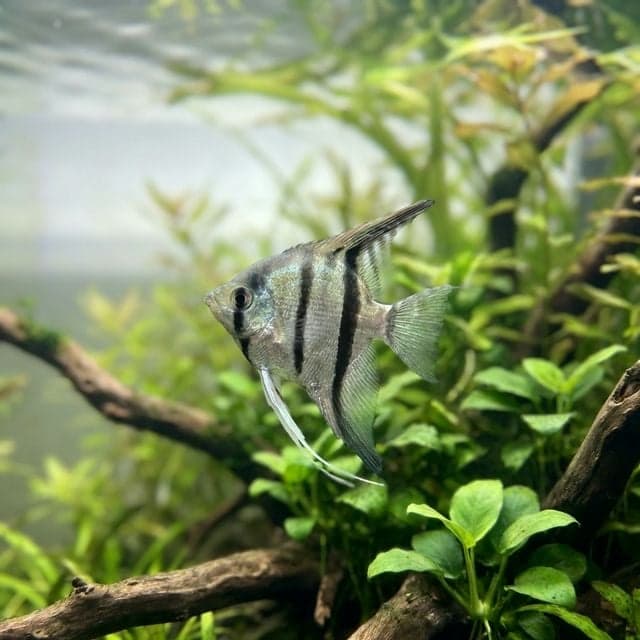
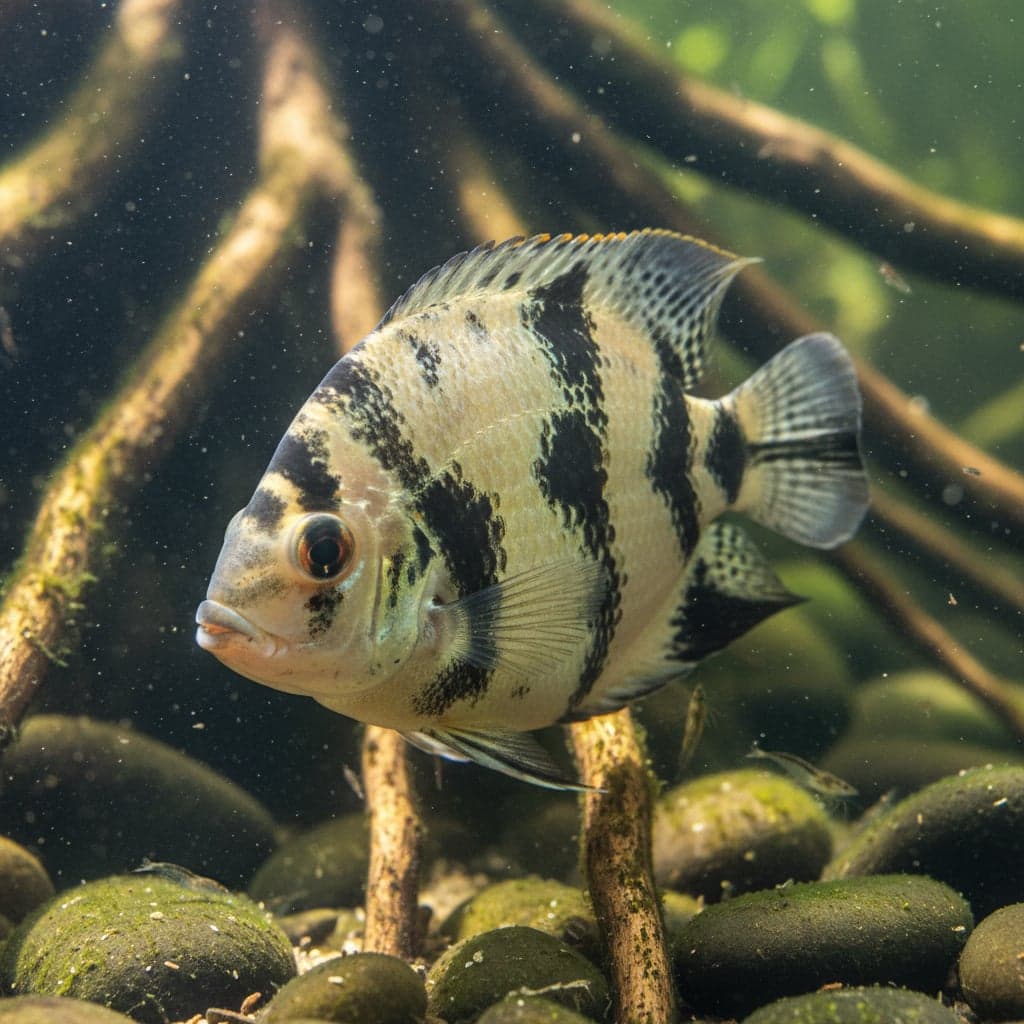
The Altum Angelfish, scientifically known as Pterophyllum altum, is a striking member of the cichlid family that captivates aquarists with its grace and beauty. Characterized by its tall, elongated body and large, dorsal and anal fins, this fish exhibits a stunning array of colors, from deep silvery-gray to vibrant hues of orange and yellow on its fins. The majestic shape and striking appearance make it a sought-after species in the aquarium hobby, often considered a centerpiece fish for specially designed aquascapes. The Altum Angelfish's unique beauty is complemented by its intriguing behavior, making it both a visual delight and an engaging species for enthusiasts.
In the aquarium community, the Altum Angelfish holds significant value, not just for its aesthetic appeal but also for its fascinating natural history and relatively rare status in aquariums. Native to the Orinoco and Amazon River basins, this species is admired for its gracefulness and serene demeanor, which students of ichthyology and aquarists alike find enchanting. Experienced keepers often appreciate the Altum Angelfish for its potential to thrive in well-maintained environments, fostering a deeper connection with the ecosystem it represents. Successfully maintaining these fish is a testament to an aquarist's commitment to replicating their natural habitat.
Natural Habitat & Origin
The Altum Angelfish is native to the intricate waterways of the Amazon and Orinoco River basins, which extend through several countries in South America, including Colombia and Venezuela. This fish typically inhabits blackwater environments, characterized by slow-moving waters rich in dissolved organic matter. The acidic conditions created by leaf litter and decaying plant matter are integral to its natural habitat. These blackwater environments often feature dense vegetation and submerged wood, providing ample hiding spots and a secure environment for younger fish, while older ones prefer open spaces where they can swim freely.
In the wild, the Altum Angelfish enjoys a unique ecological niche, where the delicate balance of water chemistry, temperature, and plant life supports a diverse range of species. The species prefers water that is soft with a pH between 5.0 and 7.0, and temperatures averaging from 24°C to 28°C (75°F to 82°F). Understanding the natural habitat of the Altum Angelfish is essential for aquarists, as replicating these conditions in captivity is fundamental to fostering healthy and thriving individuals.
Care Requirements
To provide optimal care for the Altum Angelfish, aquarists must ensure appropriate water parameters and a suitable tank setup. Ideal water conditions include a pH range of 6.0 to 7.0, a temperature between 24°C and 28°C (75°F to 82°F), and a hardness of 2-10 dGH. These parameters closely mimic the blackwater habitats from which they originate, ensuring the fish remains stress-free and healthy. Regular monitoring of water conditions and providing stable parameters is critical, as this species can be sensitive to sudden changes.
When it comes to tank setup, a minimum tank size of 100 gallons is recommended to accommodate their growth and swimming space. A substrate of fine gravel or sandy bottom is preferable, allowing for easy movement and comfort. The aquarium should incorporate numerous plants, driftwood, and rocks to create a three-dimensional environment, which promotes natural behavior. Moderate lighting with shaded areas will help recreate the dappled light effect seen in their natural habitat, providing ambiance while reducing stress levels for the fish.
Diet & Feeding
The Altum Angelfish is an omnivore and requires a varied diet to thrive. In captivity, it can be fed high-quality flakes, pellets formulated for cichlids, and a range of frozen or live foods. It's crucial to include protein sources such as brine shrimp, bloodworms, and daphnia to mimic their natural diet effectively. Offering a comprehensive diet rich in vitamins and nutrients is essential, especially during the growth phase, to promote healthy development and vibrant coloration. Feed the Altum Angelfish 2-3 small meals per day, allowing them to consume all food within a few minutes to prevent detritus buildup and maintain water quality.
It's vital to observe feeding behavior and ensure that younger or subordinate fish are not outcompeted for food. Incorporating a variety of foods can help ensure each fish receives adequate nutrition while encouraging natural foraging behavior, which is instrumental in preventing dietary deficiencies. Supplementing their diet with plant-based foods, such as spirulina flakes, can also be beneficial for overall health and well-being.
Behavior & Temperament
The Altum Angelfish is known for its gentle yet somewhat territorial nature. In a well-planned aquarium, they exhibit peaceful behavior, often gliding gracefully in the water column. However, when they feel threatened, especially during breeding, they may display signs of aggression. Typically, they prefer to establish hierarchies within groups, and providing ample space and hiding spots is crucial to mitigate aggressive behaviors. It’s advisable to maintain a minimum school of five or more individuals to help lessen the pressure of social interactions and bullying.
Vertical placement is a hallmark of the Altum Angelfish's swimming behavior; they often occupy the mid to upper levels of the tank. This positional preference can be observed in their natural habitats, where they navigate through submerged vegetation. Providing ample vertical swimming space, alongside significant horizontal areas, creates an environment that allows the Altum Angelfish to thrive and express their natural behavior when kept in captivity.
Tank Mates
Choosing compatible tank mates for the Altum Angelfish requires careful consideration. Ideal companions include larger peaceful species that occupy similar swimming levels, such as discus fish, medium-sized tetras (like Rummy Nose and Cardinal Tetras), and gentle cichlids (such as keyhole cichlids). It's essential to avoid smaller fish that may be perceived as prey and fast or aggressive species that could harass the Altum Angelfish. Other potential tank mates include mild-mannered catfish and larger rainbowfish.
Conversely, it is best to avoid keeping Altum Angelfish with overly territorial or aggressive fish like larger barbs, oscars, or certain species of freshwater puffers. Additionally, avoid housing them with extremely small or nippy species, such as smaller tetras or guppies, as they might result in stressful situations for the Altum Angelfish. By carefully selecting tank mates, aquarists can foster a harmonious community aquarium where all species coexist peacefully.
Breeding
Breeding the Altum Angelfish in captivity can be challenging but also rewarding for dedicated aquarists. Spawning typically begins when a suitable flat surface, such as a broad-leaf plant, is provided for the eggs. The breeding pair will engage in elaborate courtship displays, which often include swimming side by side and exhibiting color changes. Once the female is ready, she will lay about 100-400 eggs, which the male subsequently fertilizes. The eggs are usually laid in a linear pattern and hatch in about 48 hours, depending on environmental conditions.
To successfully breed Altum Angelfish, it is recommended to maintain stable water conditions similar to their native habitat; the pH should be around 5.5–6.5, and the water should be kept slightly warmer, around 28–30°C (82–86°F), with very low conductivity. Both parents diligently fan and guard the clutch against fungus and predators. Once hatched, the fry hang from the spawning site for several days before becoming free-swimming, at which point they require infusoria and freshly hatched baby brine shrimp. Raising the fry demands immaculate water cleanliness through frequent small water changes to support their rapid skeletal and fin growth.
Common Health Issues
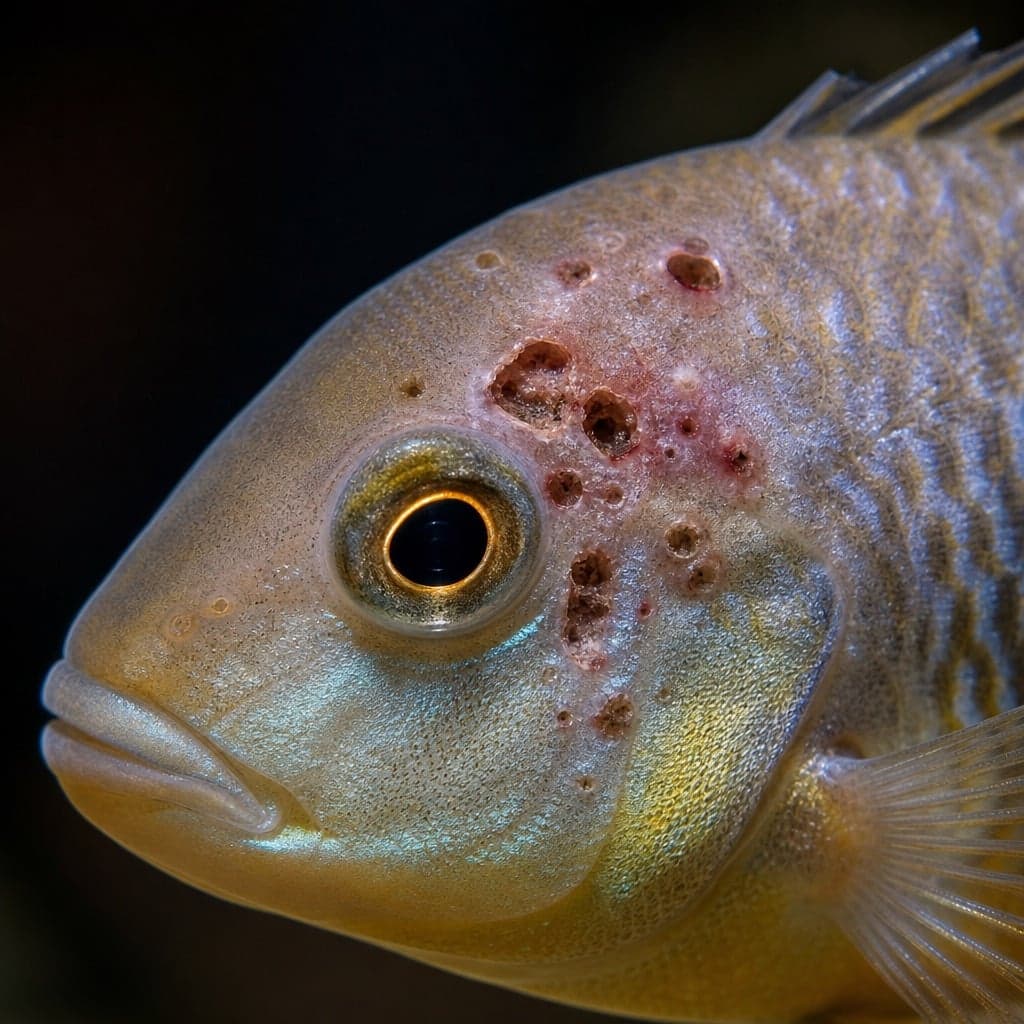
Altum Angelfish are notoriously delicate, especially wild-caught specimens, and require stringent water hygiene to thrive. They are highly susceptible to hexamitiasis (hole-in-the-head disease), which often develops from chronic stress, poor nutrition, or elevated nitrates. Providing a pristine blackwater environment with active biological filtration and botanical tannins helps deter pathogen proliferation.
Other common health concerns include freshwater ich (Ichthyophthirius multifiliis), velvet (Piscinoodinium), and bacterial fin rot. Because Altums are sensitive to many common copper-based and harsh chemical medications, preventative care through strict quarantine and slow acclimation is essential. Maintaining warm, soft, acidic water and feeding vitamin-fortified live and frozen foods reinforces their immune resistance against illness.