Andes Tiger Plec: Peckoltia sp. L205
A beautifully patterned L-number pleco with tiger stripes. Stays relatively small.
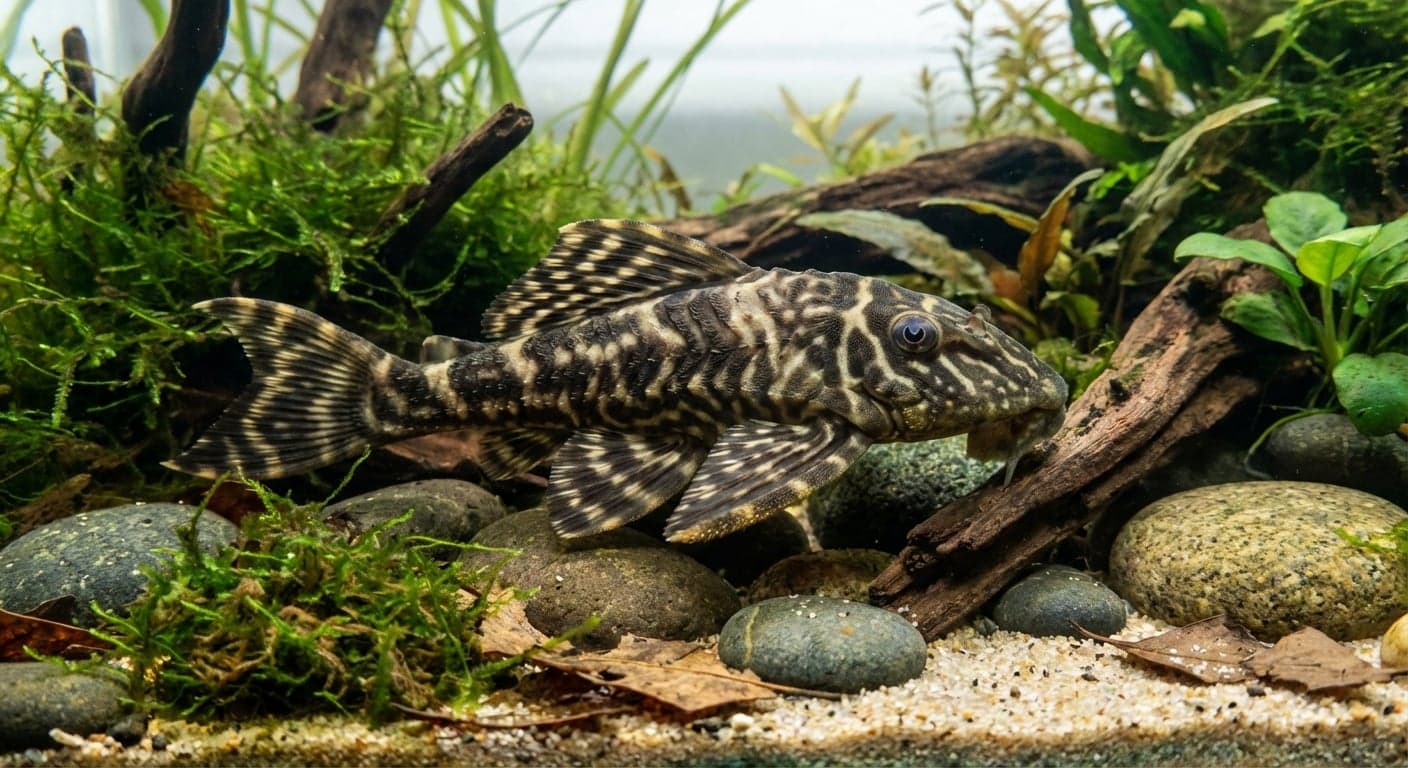
Andes Tiger Plec
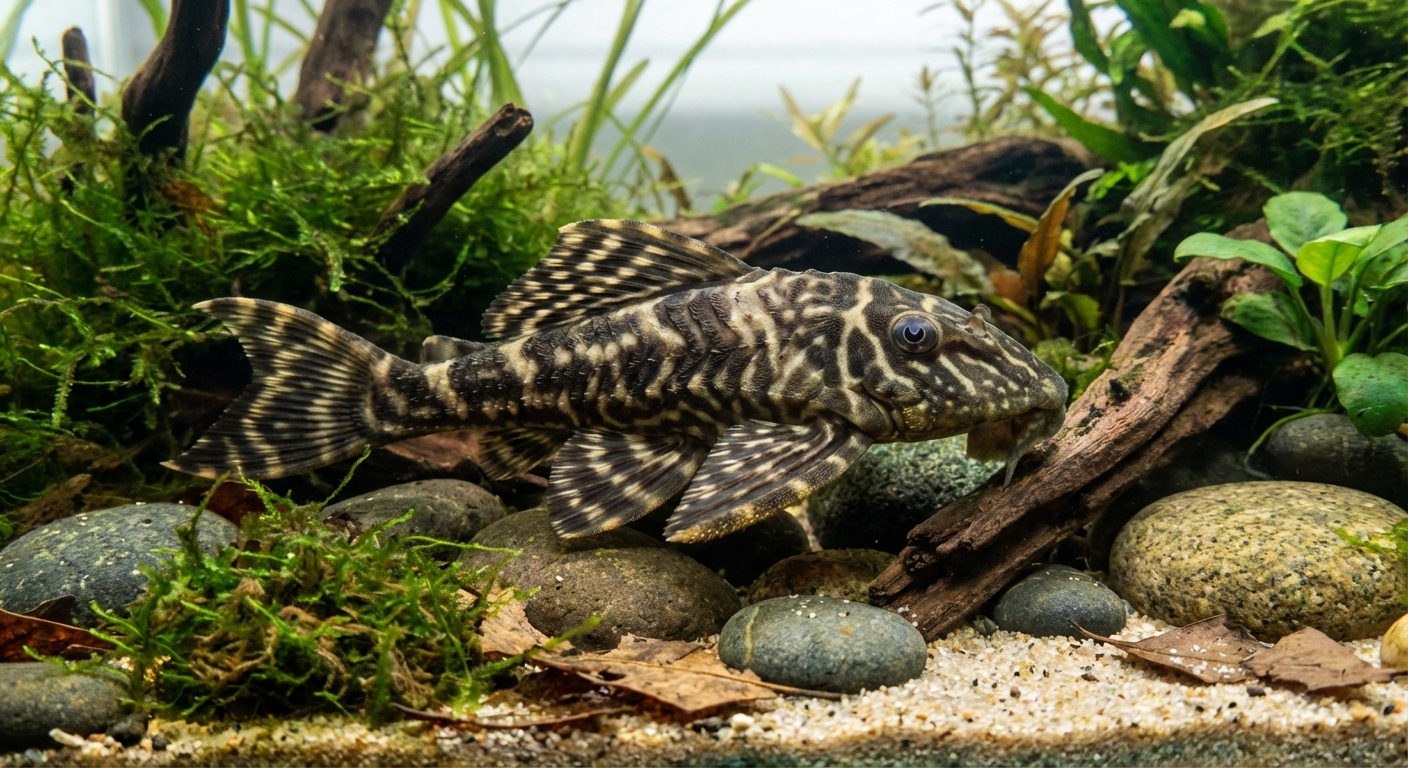
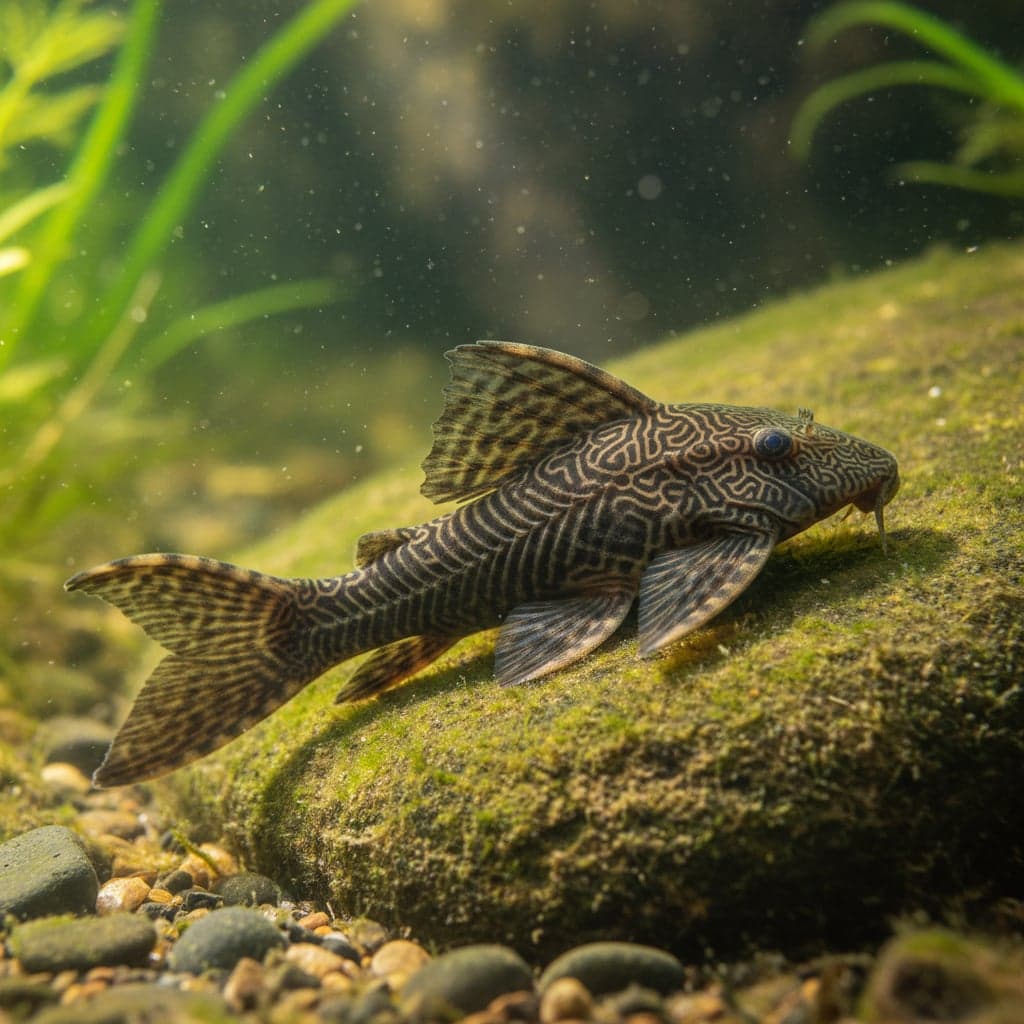
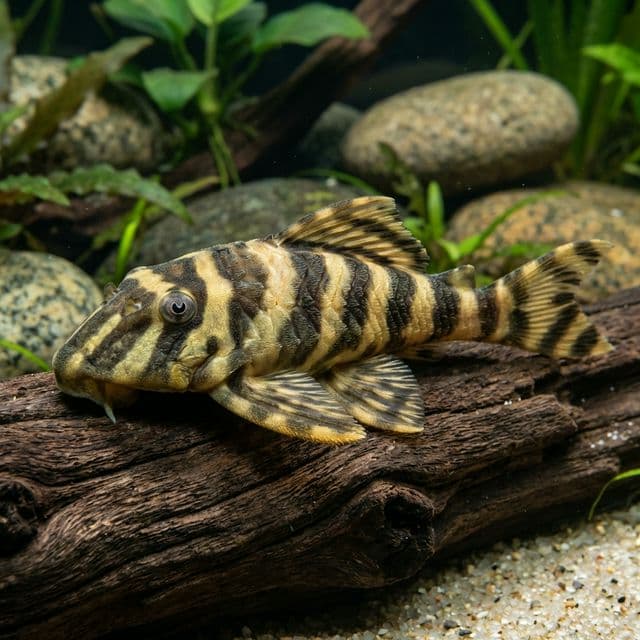
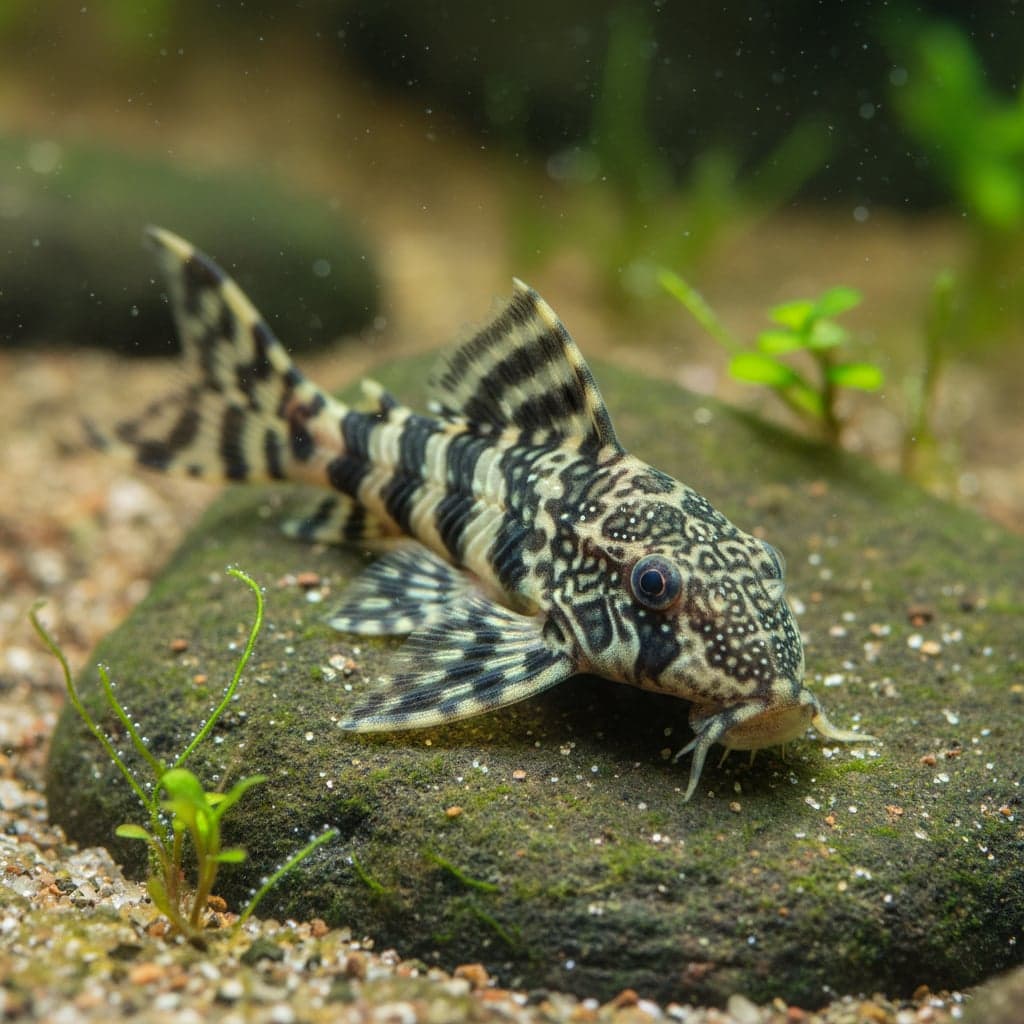
The Andes Tiger Plec, scientifically classified as Peckoltia sp. L205, is a captivating freshwater fish that is cherished by aquarists for its stunning appearance and unique markings. Notable for its striking pattern of dark, tiger-striped bands against a lighter background, this species offers an eye-catching addition to any aquarium. Typically reaching lengths of about 5 to 6 inches, the Andes Tiger Plec's body is stout, giving it a robust presence that can enhance aquascapes with its natural beauty. Beyond its visual appeal, the Andes Tiger Plec plays a significant role in the aquarium hobby due to its algae-eating habits, contributing to tank cleanliness and ecological balance.
This species is not only admired for its aesthetic qualities but also for its adaptability and hardiness in various aquarium environments. The Andes Tiger Plec is often sought after for biotope aquariums that replicate its natural habitat, making it a favorite among aquarists who strive for authenticity in their setups. Its charming behaviors, coupled with its tranquil presence, make it a favorite among both novice and experienced fish keepers alike, as it intertwines function and beauty in freshwater aquariums.
Natural Habitat & Origin
The Andes Tiger Plec hails from the rivers and tributaries of South America, specifically within the Amazon and Orinoco river basins. This fish is typically found in slow-moving water environments characterized by tannin-stained, blackwater conditions. These areas are often densely vegetated, featuring submerged wood, leaf litter, and rocky substrates that provide both shelter and foraging opportunities for the fish. The evolutionary adaptations of the Andes Tiger Plec are closely tied to these unique ecological contexts, where it thrives in acidic to neutral pH levels, reflecting the nuances of its natural habitat.
The Andean regions, where this species is predominantly located, present a diverse range of environments from lowland forested areas to fast-flowing streams. As a bottom-dweller, the Andes Tiger Plec expertly navigates these environments, appealing to keepers who wish to create a biotope that mirrors its native conditions. Its geographical distribution highlights the importance of preserving these species and their habitats within the ever-changing landscapes of South America.
Care Requirements
Caring for the Andes Tiger Plec requires attention to specific water parameters and tank setups to ensure their well-being. Ideally, the water temperature should be maintained between 75°F and 82°F (24°C to 28°C), with a slightly acidic to neutral pH ranging from 6.0 to 7.5. Additionally, water hardness should be kept between 2-20 dGH, providing a comfortable environment that mimics their natural habitat. A minimum tank size of 30 gallons is recommended for keeping this species, as adequate space allows for individual territories and reduces stress.
The tank setup should feature a sandy or fine gravel substrate, which is gentle on the fish's sensitive underside. Providing plenty of hiding spots using driftwood, rocks, and densely planted areas will encourage natural behavior and reduce aggression. Moderate lighting is ideal, as it replicates the dappled light found in their natural waters. Live plants not only enhance the aesthetics of the aquarium but also offer additional shelter, promoting a healthy environment for the Andes Tiger Plec.
Diet & Feeding
The Andes Tiger Plec is primarily an omnivorous species, known for its voracious appetite for algae and detritus. In captivity, it thrives on a varied diet that includes high-quality vegetable-based sinking pellets, wafers, and flakes designed for herbivorous fish. Additionally, supplementing with blanched vegetables such as zucchini, cucumber, and spinach will provide essential nutrients and mimic its natural foraging behavior. Importantly, offering a variety of protein sources, including frozen or live foods such as bloodworms and brine shrimp, will support their overall health and growth.
Aquarists should ensure that food is offered multiple times a day in small amounts to prevent overfeeding and maintain water quality. While the Andes Tiger Plec is a natural scavenger, careful attention to diet balance is crucial for their longevity and vitality in home aquariums. This species' adaptability in terms of diet allows aquarium keepers to provide a nutritious menu that promotes vibrant coloration and status.
Behavior & Temperament
The Andes Tiger Plec exhibits a generally peaceful temperament, making it a suitable candidate for community tanks. While it is primarily a solitary fish, individuals can be found grazing on surfaces or hiding among rocks and plants, showcasing its natatorial habits. Generally, this species demonstrates low aggression levels, although territorial disputes can arise, especially among males during breeding seasons. It is worth noting that the Andes Tiger Plec prefers dwelling at the bottom of the tank but can also be observed climbing on the hardscape and wood, allowing it to explore its vertical space.
While it is not a schooling fish, the Andes Tiger Plec can thrive in the presence of other peaceful species, provided they have enough space to establish their own territory. Therefore, careful consideration should be given to tank design, ensuring there are plentiful niches and hiding spots for all inhabitants. Creating an enriching environment stimulates the natural behavior of the Andes Tiger Plec, leading to a more vibrant and dynamic aquarium landscape.
Tank Mates
When selecting tank mates for the Andes Tiger Plec, it's crucial to choose species that share similar water requirements and are known for their peaceful demeanor. Compatible species include tetras, rasboras, small cichlids (like Apistogramma spp.), and peaceful barbs. Other bottom-dwellers such as Corydoras catfish and otocinclus can coexist well, provided that there is enough space and hiding spots to prevent territorial disputes.
However, potential aggressors should be avoided. This includes larger cichlids, aggressive catfish, and certain barbs that may nip or intimidate the plec. Additionally, fish that primarily occupy similar bottom-dwelling territories might feel threatened, leading to conflict. Ultimately, selecting fish that enhance the community aspect of the tank, while ensuring all species have their own space, will contribute to an optimal environment for the Andes Tiger Plec.
Breeding
Breeding the Andes Tiger Plec can be a rewarding yet challenging endeavor for aquarists. These fish have a peculiar spawning behavior, often requiring specific environmental conditions to trigger reproductive activities. Effective breeding setups should include a separate breeding tank with stable water parameters consistent with their natural habitat. The introduction of high-quality food and slight temperature increases can help stimulate breeding behaviors in both males and females.
During spawning, males will typically take the lead and establish territories near caves or hiding spots, enticing females to enter. The female will deposit adhesive eggs, usually numbering between 20 to 80, which the male fertilizes. After spawning, males often remain protective of the eggs, fanning them with their fins to ensure adequate oxygenation. The incubation period lasts approximately 4-7 days, after which the fry will become free-swimming. Careful monitoring of the fry is essential, as they require fine foods like infusoria and crushed flakes, ensuring their growth and survival during the early stages of life.
Common Health Issues
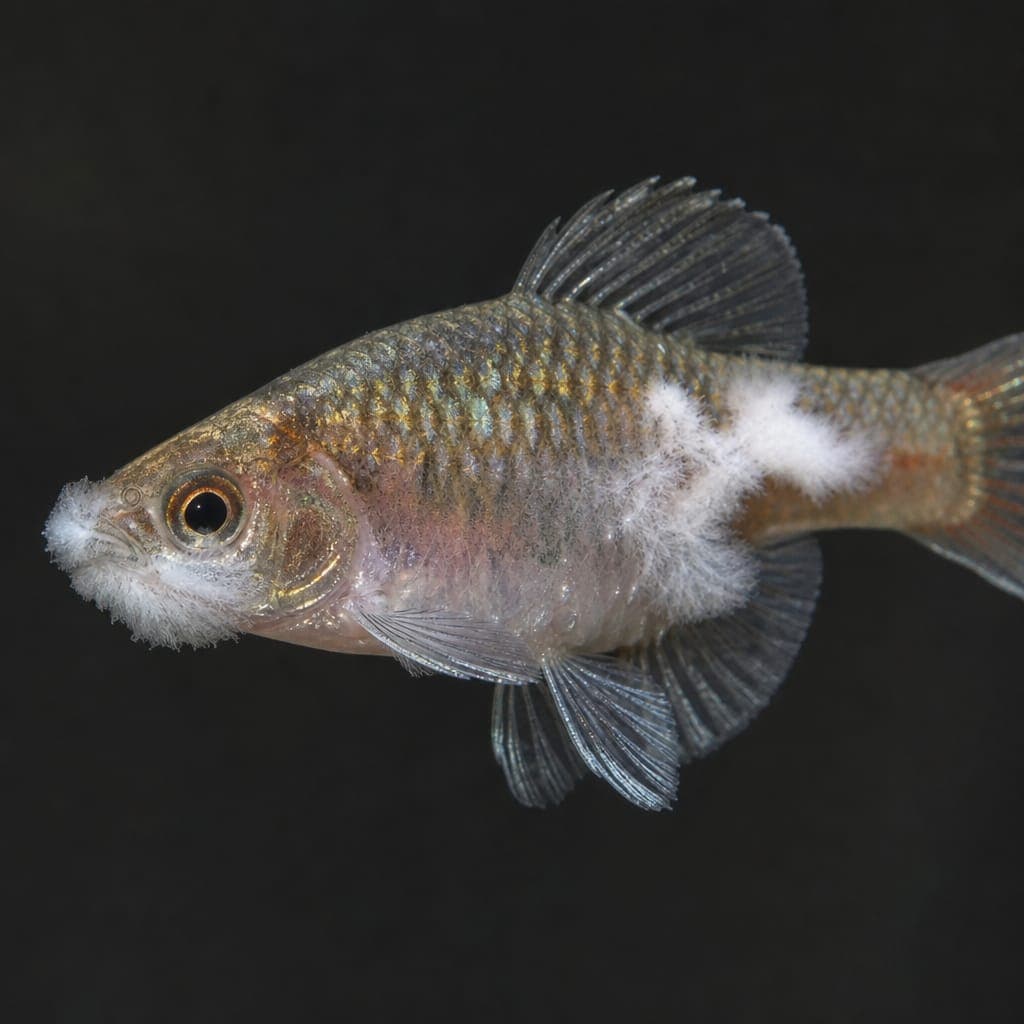
While the Andes Tiger Plec is generally a hardy species, it can be susceptible to common diseases if not properly cared for. The most prevalent health issues include ich (Ichthyophthirius multifiliis), fin rot, and fungal infections when water quality declines or caves become overcrowded. Quarantine new arrivals, avoid copper-based treatments that can harm sensitive plecs, and maintain excellent filtration with regular water changes. Watch for white spots, frayed fins, or loss of appetite, and treat promptly. Provide driftwood, stable parameters, and a varied sinking diet so Andes Tiger Plecs remain hardy, striking loricariids for many years.