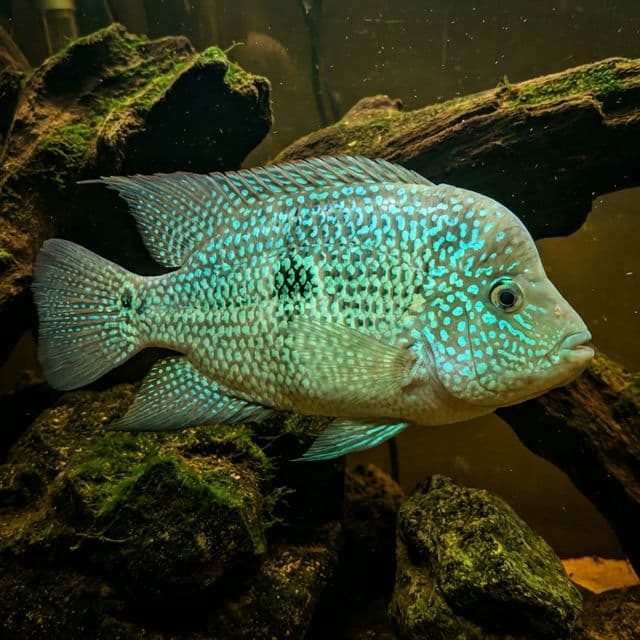
Angostura Cichlid: Vieja breidohri
A large, colorful Central American cichlid. Beautiful pastel colors but aggressive.
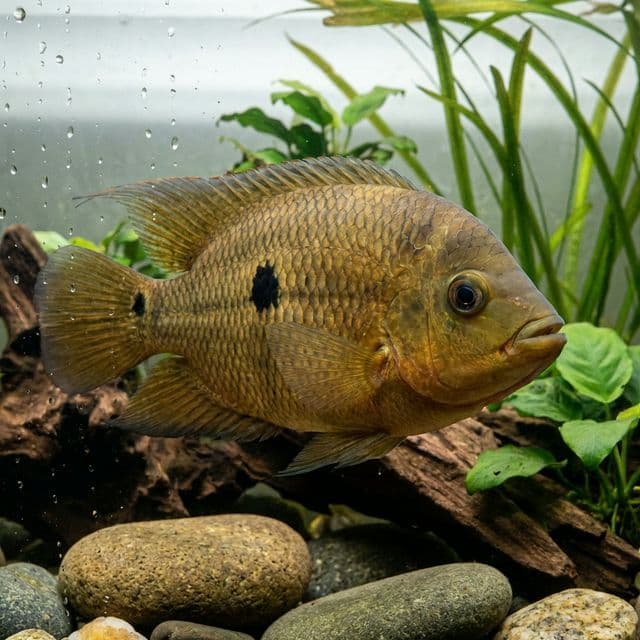
Angostura Cichlid
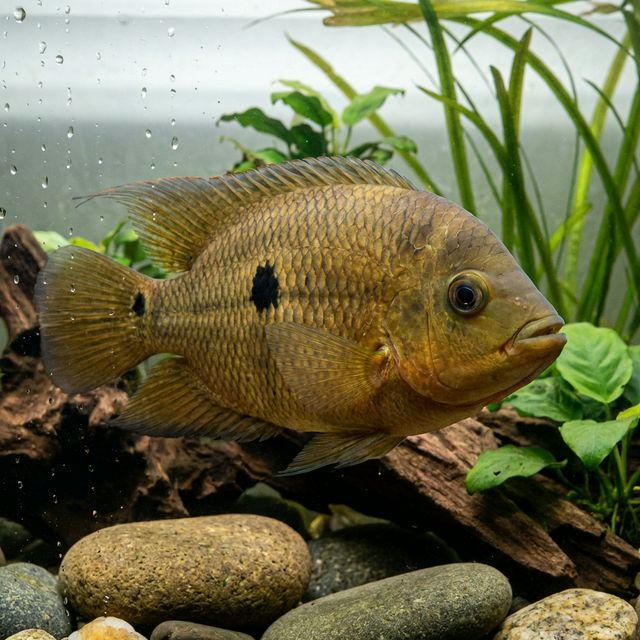
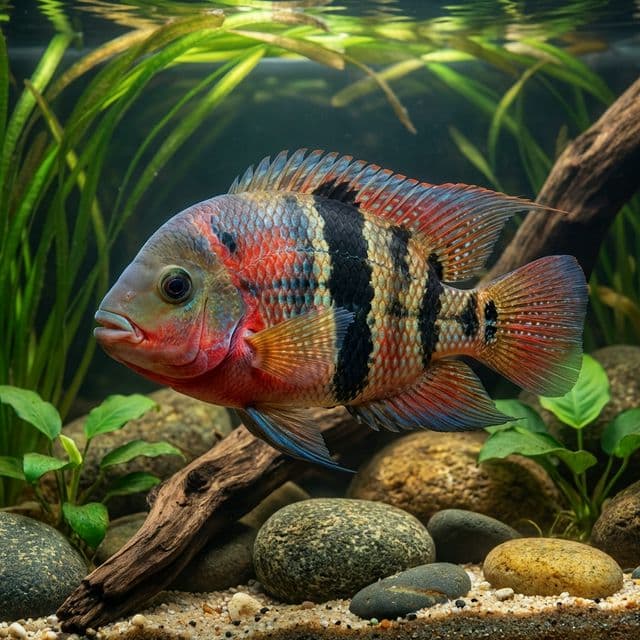
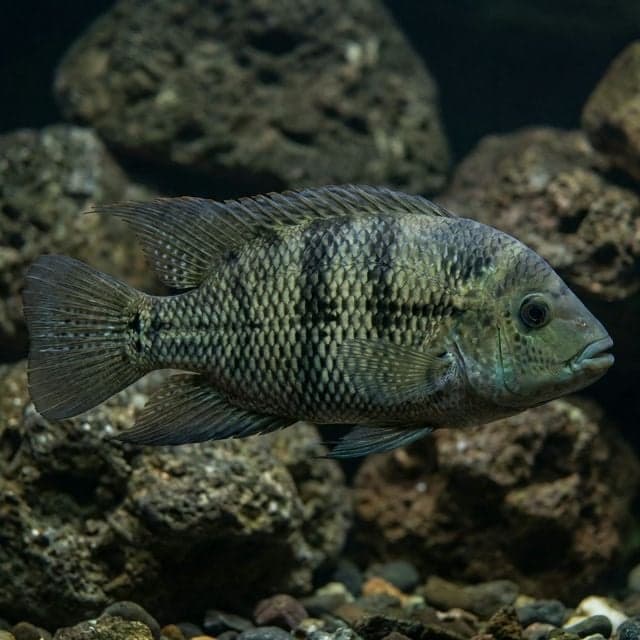
The Angostura Cichlid, scientifically known as Vieja breidohri, is a striking freshwater fish highly sought after in the aquarium hobby due to its vibrant coloration and unique characteristics. Native to Central America, particularly in the freshwater systems of the Rio Angostura in Nicaragua, this species exhibits an impressive array of colors that can range from bluish to yellow or even reddish hues, depending on the individual and environmental conditions. Their elongated bodies and prominent features, such as the extended dorsal fin and pronounced nuchal hump in males, add to their visual appeal, making them centerpiece attractions in well-maintained aquariums.
In the aquarium trade, the Angostura Cichlid holds significant importance as a stunning representative of the cichlid family. Aquarists appreciate not only its beauty but also its lively personality. These fish are often highlighted in cichlid-oriented communities and exhibitions, where they are celebrated for their intelligence and interactive behaviors. As a species that can grow to a considerable size—often reaching lengths of up to 12 inches—understanding their needs and maintaining proper care ensures that they thrive in a home aquarium setting.
Natural Habitat & Origin
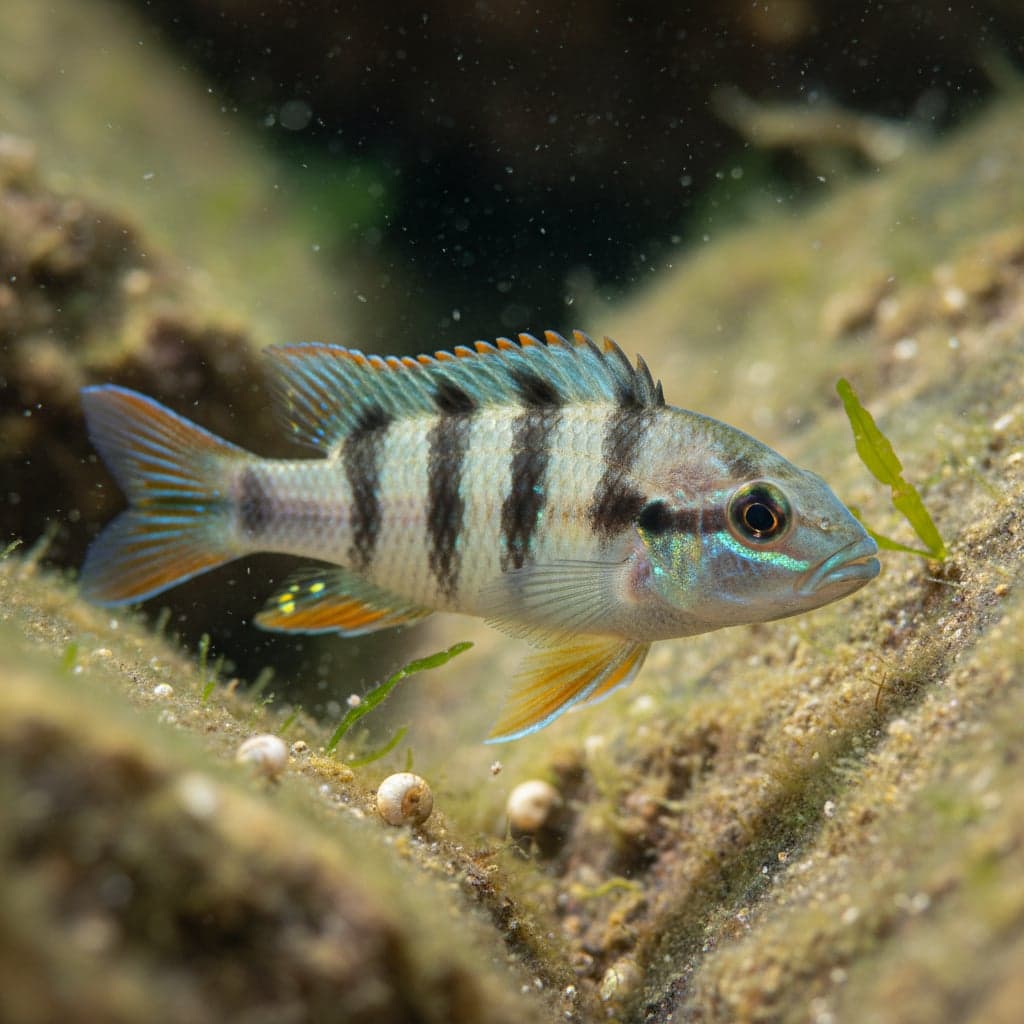
Angostura Cichlids are indigenous to Nicaragua, primarily found in and around the Río Angostura, which flows into Lake Nicaragua. This river system encompasses a variety of habitats, including shallow, slow-moving waters with ample cover provided by rocks, submerged vegetation, and sandy substrates. The water in these regions is typically clear or slightly tinted due to organic matter, making it essential for aquarium owners to replicate similar conditions to encourage the well-being of these fish. The parameters of their natural habitat often include soft, slightly acidic to neutral water, supporting the need for careful monitoring in a captive environment.
The environment is rich in biotic diversity, and Angostura Cichlids thrive in moderately warm temperatures, generally ranging from 75°F to 82°F (24°C to 28°C). The consistency of water quality, along with stable parameters, plays a crucial role in their health and breeding success, making it imperative for aquarists to regularly test and adjust their setup to mirror their natural habitat as closely as possible.
Care Requirements
To create an optimal environment for the Angostura Cichlid, it is essential to maintain specific water parameters. The ideal pH level should be slightly acidic to neutral, in the range of 6.5 to 7.5, with a water temperature maintained between 75°F and 82°F (24°C to 28°C). The hardness of the water should ideally range from 5 to 15 dGH. As they tend to produce waste, a well-filtered aquarium is crucial, along with regular water changes to keep ammonia and nitrate levels low.
In terms of tank setup, a minimum tank size of 75 gallons is recommended, as this species requires ample swimming space and room to establish territories, especially as they mature. A substrate of fine gravel or sand is preferable to allow for natural behaviors such as digging and sifting through the substrate. Include hiding spots made of rocks and driftwood along with live or artificial plants to provide shelter and enrich the environment, while lighting should be moderate to highlight their vibrant colors without causing stress.
Diet & Feeding
The Angostura Cichlid is an omnivorous species, thriving on a varied diet that includes high-quality flake foods, pellets, and occasional live or frozen foods. It is essential to provide a balanced diet that consists of protein-rich options like brine shrimp, bloodworms, and insect larvae, in addition to plant matter such as spirulina flakes or blanched vegetables. This diverse feeding will promote optimal health and coloration. It’s advisable to feed these cichlids a mixture of foods several times a day, offering small portions to ensure optimal consumption and preventing overfeeding.
Many experienced aquarists also recommend incorporating high-quality cichlid pellets that cater specifically to the dietary needs of cichlids, ensuring a complete nutritional profile. Regularly rotating between different types of food will not only stimulate their appetite but also mimic their natural foraging behavior, contributing to overall well-being.
Behavior & Temperament
The behavior of the Angostura Cichlid can be dynamic and complex, as they are known for their inquisitive and social nature. However, it is crucial to note that they can exhibit territorial aggression, particularly during breeding seasons or when males establish dominance within a tank. They are best kept in a species-specific setting or in consistently monitored community tanks where tank mates can handle potential aggression. While they do not typically form schools, keeping them in small groups with more females than males can help moderate aggressive behaviors.
In terms of vertical placement, Angostura Cichlids are mid to bottom dwellers who will often patrol their territory and explore the lower levels of a tank. Providing adequate space allows them to exhibit natural behaviors and minimizes conflict within the tank.
Tank Mates
When selecting tank mates for the Angostura Cichlid, it is paramount to choose species that can coexist peacefully, considering their potential for aggression. Compatible tank mates include larger cichlids such as the Green Terror (Andinoacara rivulatus) and the Firemouth Cichlid (Thorichthys meeki), as well as larger characins like the Silver Dollar or various species of catfish. Other harmonious community fish might include certain species of loaches and larger tetras.
Conversely, it is crucial to avoid small or docile species, including most small tetras, guppies, and other peaceful fish, as they may become targets for aggression. Additionally, keeping more than one male Angostura Cichlid in a confined space can lead to severe territorial disputes. Monitoring interactions within the community tank will ensure a harmonious environment.
Breeding
Breeding Angostura Cichlids in captivity can be rewarding, provided the right conditions are met. They are substrate spawners, typically laying eggs on flat surfaces or rocks within the tank. To encourage breeding, it is essential to provide a breeding pair with a separate breeding tank that mimics their natural environment—this includes optimal water conditions, hiding spots, and appropriate substrate. During courtship, males will display vibrant colors and perform displays to attract their female counterparts.
Once the female is ready, she will lay several hundred eggs, which the male fertilizes. Post-spawning, both parents exhibit strong parental instincts, protecting their eggs and fry from potential threats. It is vital to have an appropriate environment for the fry once they hatch, providing small food options, such as liquid fry food and infusoria, to ensure their growth and survival.
Common Health Issues
Like all aquatic species, Angostura Cichlids can experience various health issues if not properly cared for. Common ailments include ich (white spot disease), fin rot, and gastrointestinal disorders often related to improper diet. Preventing these diseases involves maintaining pristine water quality, performing regular water changes, and monitoring tank parameters consistently.
Additionally, ensuring a balanced diet and keeping the aquarium free from stressors are crucial preventive measures. Quarantine new arrivals by observing them for any signs of illness before introducing them to the main tank. Regular inspection of fish behavior, coloration, and physical appearance will aid in early disease detection and management, enhancing the overall health of your Angostura Cichlids and the whole community. Quarantine newcomers, keep ammonia and nitrite at zero, and avoid overcrowding that fuels territorial stress. Watch for white spots, frayed fins, bloating, or sudden colour fading, and treat promptly in a hospital tank while improving water quality. A varied diet and stable parameters support immunity. With attentive care and early action, Angostura Cichlids remain colourful, assertive centrepieces for years.