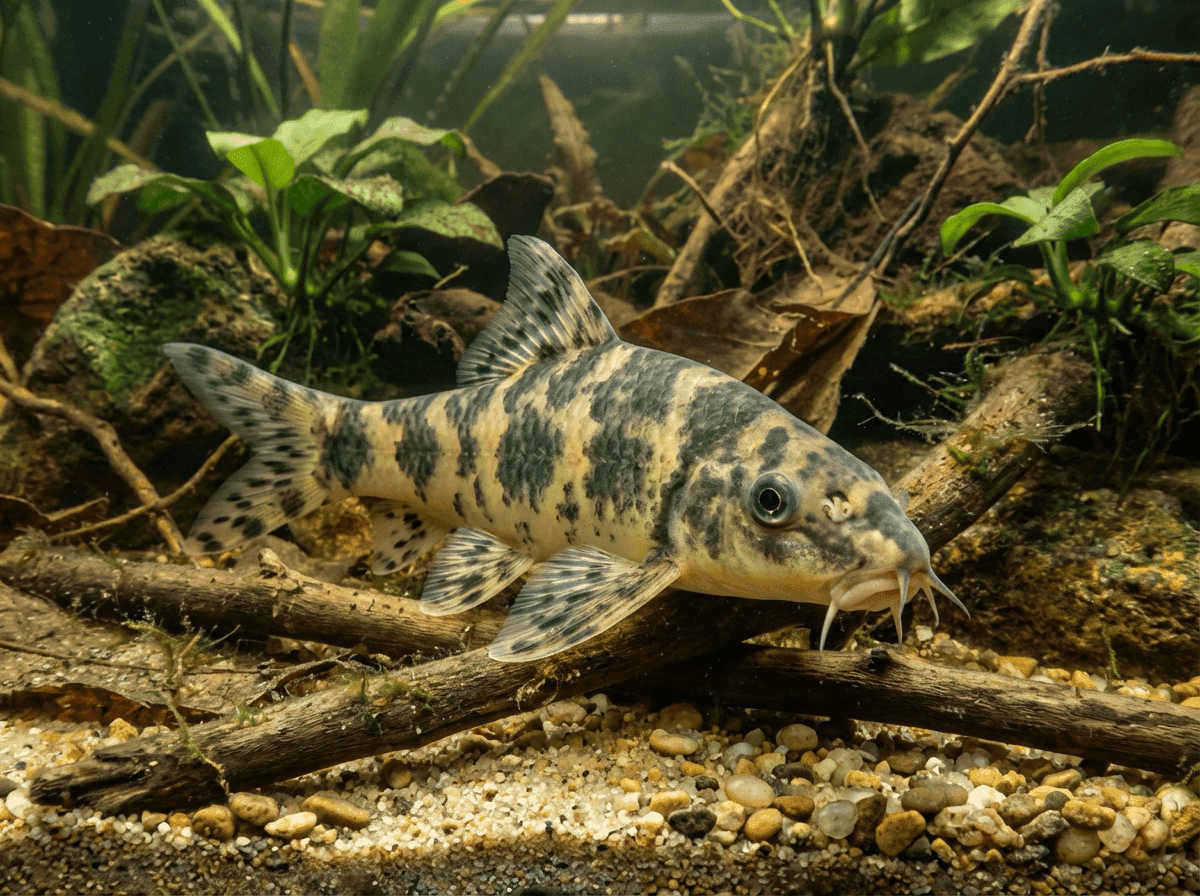
Apollo Shark: Luciosoma setigerum
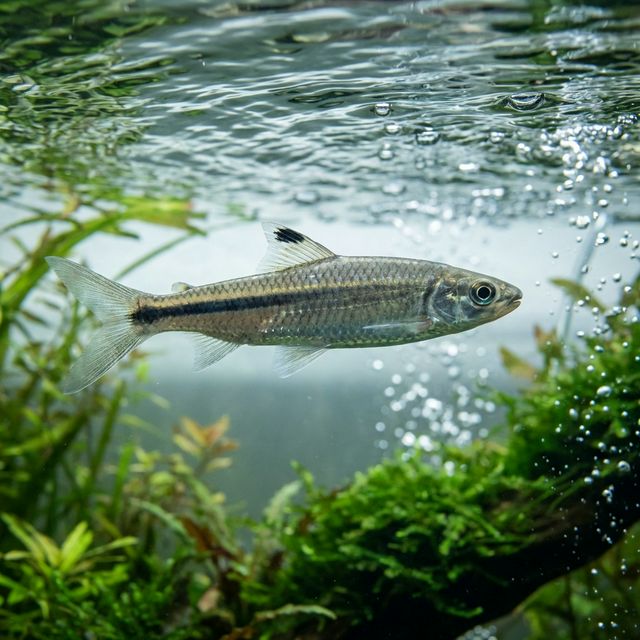
A sleek, torpedo-shaped surface dweller. Very fast and active swimmer.

Apollo Shark
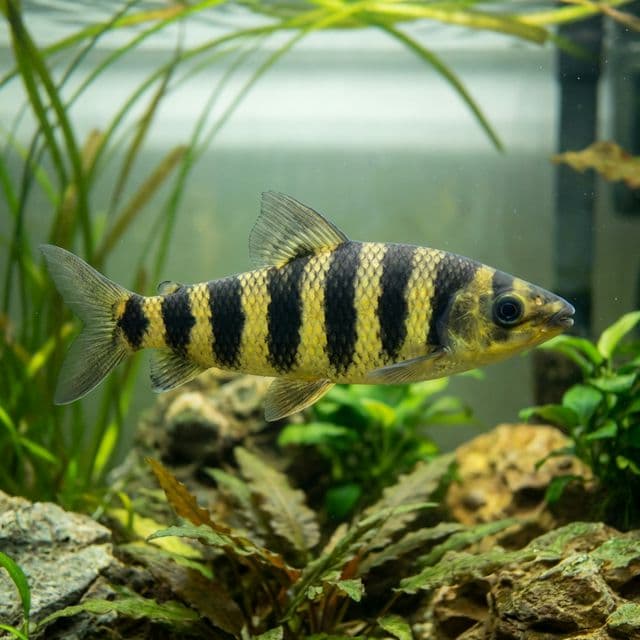
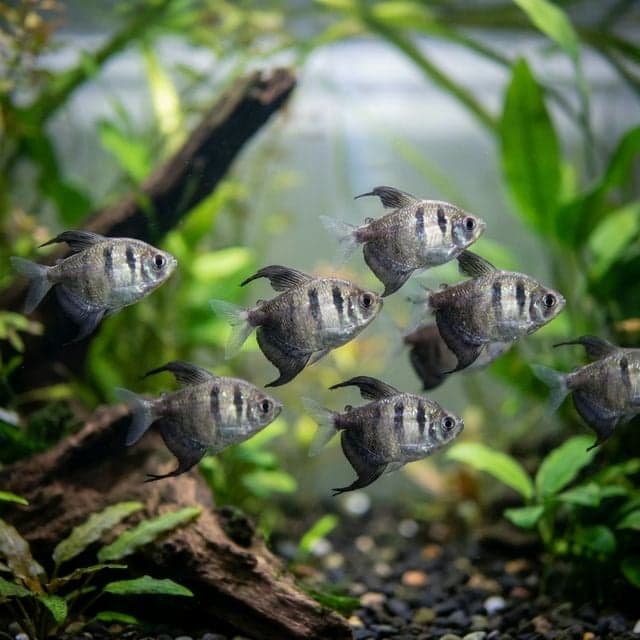
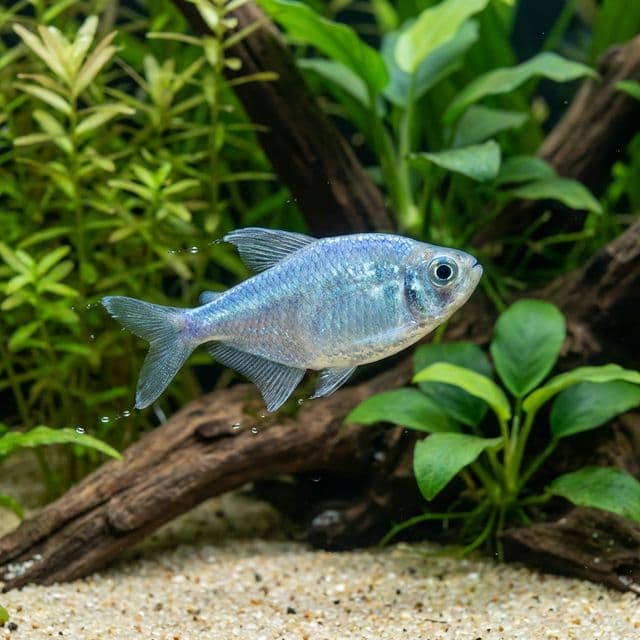
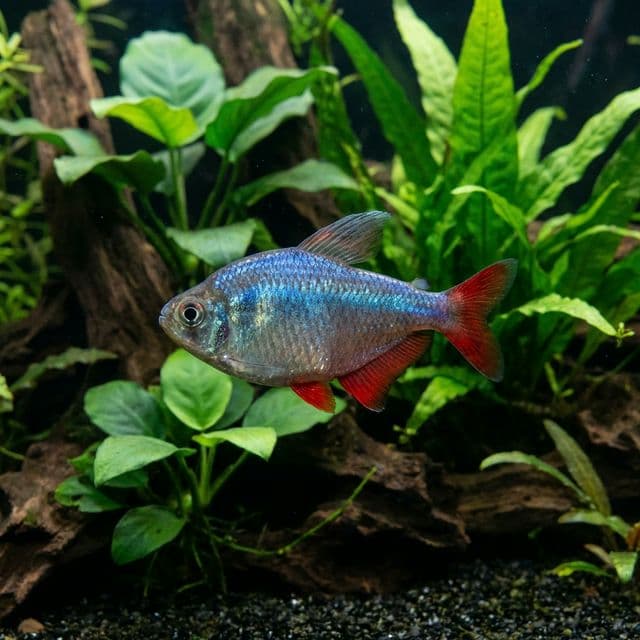
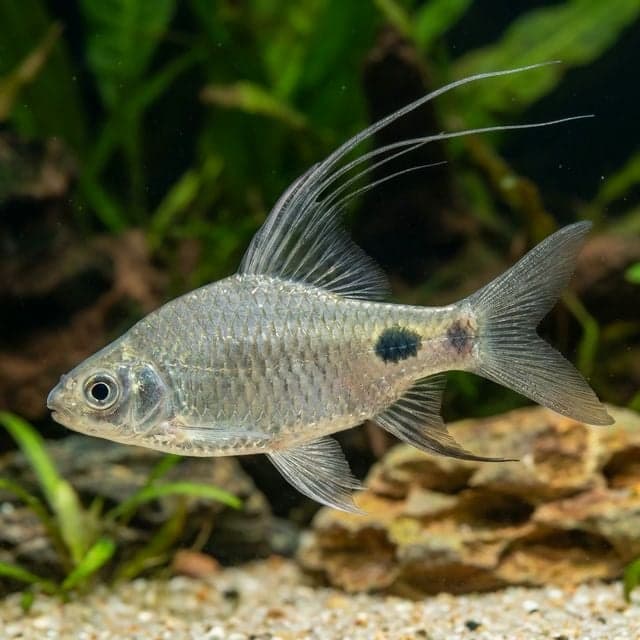
The Apollo Shark, scientifically known as Luciosoma setigerum, is a fascinating freshwater fish that captivates aquarists with its streamlined body and striking appearance. This species is characterized by its elongated form and unique vertical stripes, which range from silvery to grayish-green, giving it a distinctive appearance that resembles a true shark. Their dorsal fin, prominent yet graceful, adds to their aesthetic appeal, making them a popular choice for both novice and experienced aquarists. With its swift movements and captivating elegance, the Apollo Shark brings a dynamic aspect to any aquarium, enticing viewers with its natural grace.
In the aquarium hobby, the Apollo Shark is more than just a pretty face. It holds significant value not only for its aesthetic qualities but also for its engaging behavior. As a schooling fish, it thrives when kept in groups, displaying fascinating social interactions and delightful schooling formations. It often becomes a centerpiece in larger community tanks, providing both movement and character to the underwater environment. Its popularity among fish enthusiasts has led to increasing demand for high-quality specimens, underlining its significance in the trade.
Natural Habitat & Origin
The Apollo Shark is native to the rivers and tributaries of Southeast Asia, specifically found in countries such as Thailand, Malaysia, and Indonesia. This species prefers clear or slightly turbid waters and often inhabits areas with moderate to strong current. These environments typically consist of soft substrates, submerged vegetation, and driftwood, providing various hiding spots and foraging opportunities. The natural habitat of the Apollo Shark emphasizes the importance of clean water and stable conditions, which are crucial for its health and well-being in captivity.
In the wild, the Apollo Shark often experiences seasonal changes, where water levels fluctuate, leading to varying environmental conditions. While it can adapt to a range of water parameters, a closely mimicked natural environment in an aquarium can significantly enhance its coloration and overall health. Understanding and replicating these environmental factors is essential for keeping this fish thriving.
Care Requirements
To successfully care for Apollo Sharks, it’s important to replicate their natural habitat within the aquarium. They thrive in water with a pH between 6.0 and 7.5, a temperature range of 22 to 26 degrees Celsius (72 to 79 degrees Fahrenheit), and soft to moderately hard water (3-12 dGH). The ideal aquarium size for keeping a small school of these fish is at least 150 liters (approximately 40 gallons) to accommodate their active swimming habits and schooling behavior.
For the tank setup, fine substrates like sand or small gravel are recommended, as they are gentle on the fish's body. Incorporating ample open swimming space, along with plants and decorations like driftwood or rocks, can provide comfort and stimulation. Lighting should be moderate, allowing for the growth of aquatic plants while mimicking the natural undercurrent of rivers. An air stone or water pump can help create gentle water movement, which is a vital element for the Apollo Shark’s well-being.
Diet & Feeding
As a carnivore/insectivore, the Apollo Shark feeds mainly on insects and smaller fish in the wild. In an aquarium setting, a balanced diet should incorporate high-quality flake or pellet food designed for carnivorous fish. Complement this with frozen or live foods like brine shrimp, daphnia, and bloodworms to enhance their nutritional intake and engage their hunting instincts.
It's advisable to feed the Apollo Shark multiple small meals throughout the day rather than a single large offering. This feeding strategy mimics their natural foraging behavior and prevents competition among tank mates.
Behavior & Temperament
Apollo Sharks are known for their active and social nature. In the aquarium, they are best kept in groups of at least five or six individuals to promote healthy schooling behavior, reducing stress and encouraging natural swimming patterns. They display a fascinating dynamic within their groups, often darting in sync and exploring their environment together.
Though generally peaceful, Apollo Sharks can exhibit territorial behavior, especially towards smaller tank mates. They are predominantly mid-water swimmers but will occasionally utilize the bottom and surface areas when foraging. Providing ample space and hiding spots is essential to minimizing aggression and ensuring all inhabitants feel secure.
Tank Mates
When selecting tank mates for Apollo Sharks, it is crucial to consider species that are similarly sized and have non-aggressive temperaments. Compatible tank mates include larger tetras, barbs, danios, and peaceful cichlids. Avoid keeping them with very small fish, as they may be seen as prey, and aggressive species, which can stress the Apollo Shark and potentially lead to conflicts.
In community tanks, ensure that all species can coexist peacefully. Apollo Sharks do well in larger groups of their own kind, which not only enhances their social dynamics but also helps in maintaining a peaceful environment. Careful attention should be paid to the tank's layout to ensure adequate swimming space and hiding spots for all inhabitants.
Breeding
Breeding Apollo Sharks in captivity can be challenging, as they require specific conditions to spawn successfully. During the breeding process, the male will exhibit vibrant coloration and engage in displays to attract females, which should ideally be in a separate breeding tank. To trigger spawning, maintain slightly warmer temperatures (around 28-30 degrees Celsius or 82-86 degrees Fahrenheit) and soft, acidic water.
Once spawning occurs, the female will scatter her eggs among plants or substrate, and it’s essential to remove the adults post-spawning to prevent them from eating the eggs. The hatching process typically takes around 24 hours, with free-swimming fry becoming visible shortly after. Providing a well-balanced diet of finely crushed flake food and infusoria will support their growth in the early stages.
Common Health Issues
Apollo Sharks may be prone to several health issues that are common in freshwater fish. These include ich (white spot disease), fin rot, and various parasitic infestations. Maintaining optimal water conditions is essential in preventing these ailments, emphasizing the importance of regular water changes and tank maintenance.
To prevent disease, quarantining new arrivals before introducing them to the main tank is recommended. Additionally, implementing a consistent feeding schedule with high-quality food can boost their immune systems and overall health. Observing any changes in behavior or appearance will allow for early treatment of ailments, thereby ensuring the long-term well-being of your Apollo Sharks.