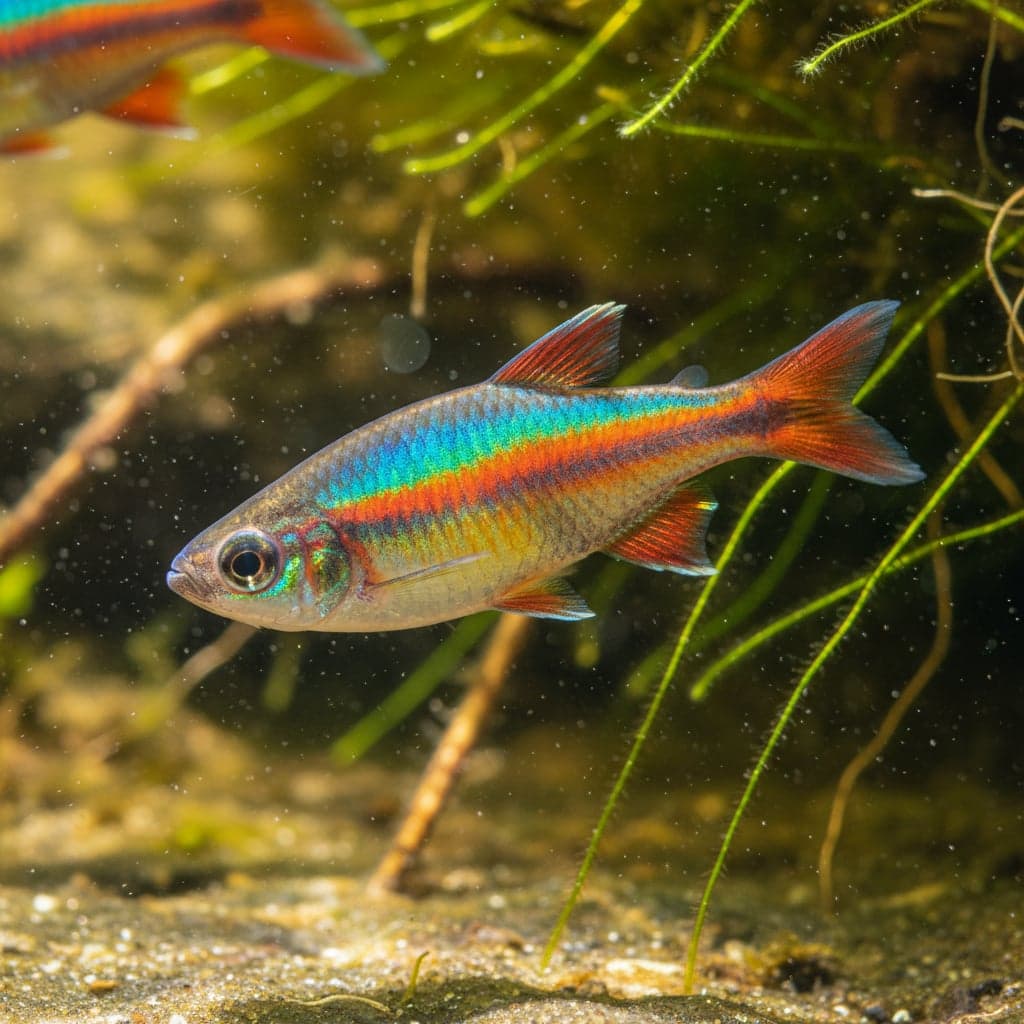
Aru Rainbowfish: Melanotaenia picta
A colorful rainbowfish with blue and yellow hues. An active shoaler for planted tanks.
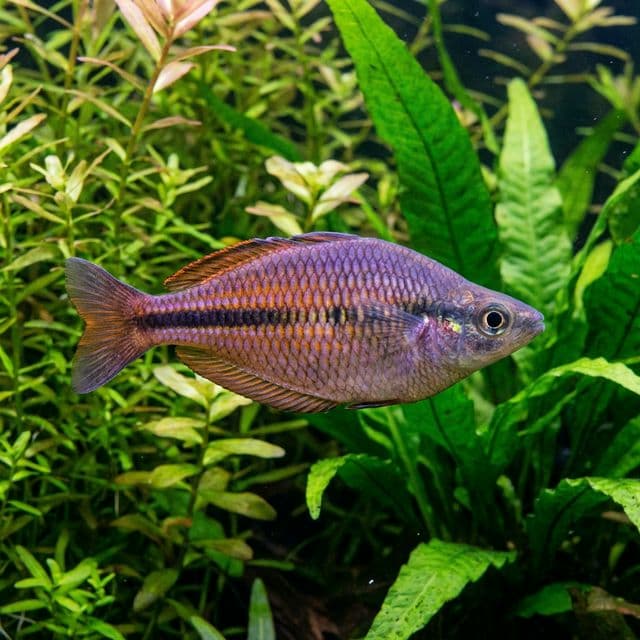
Aru Rainbowfish
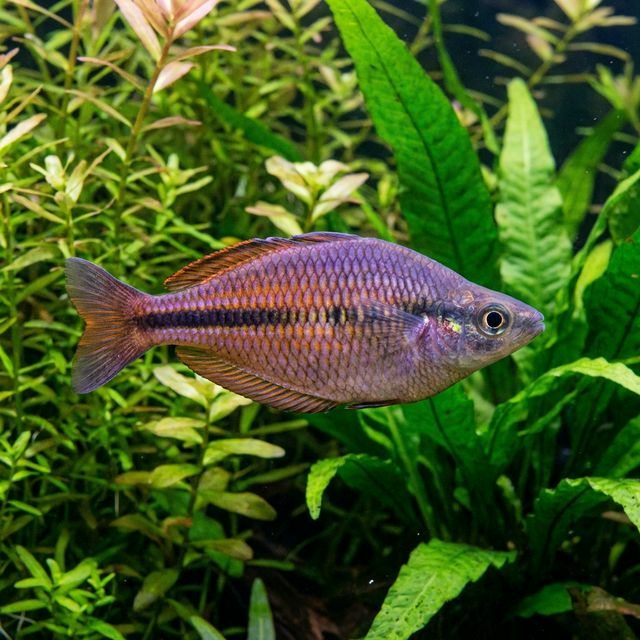
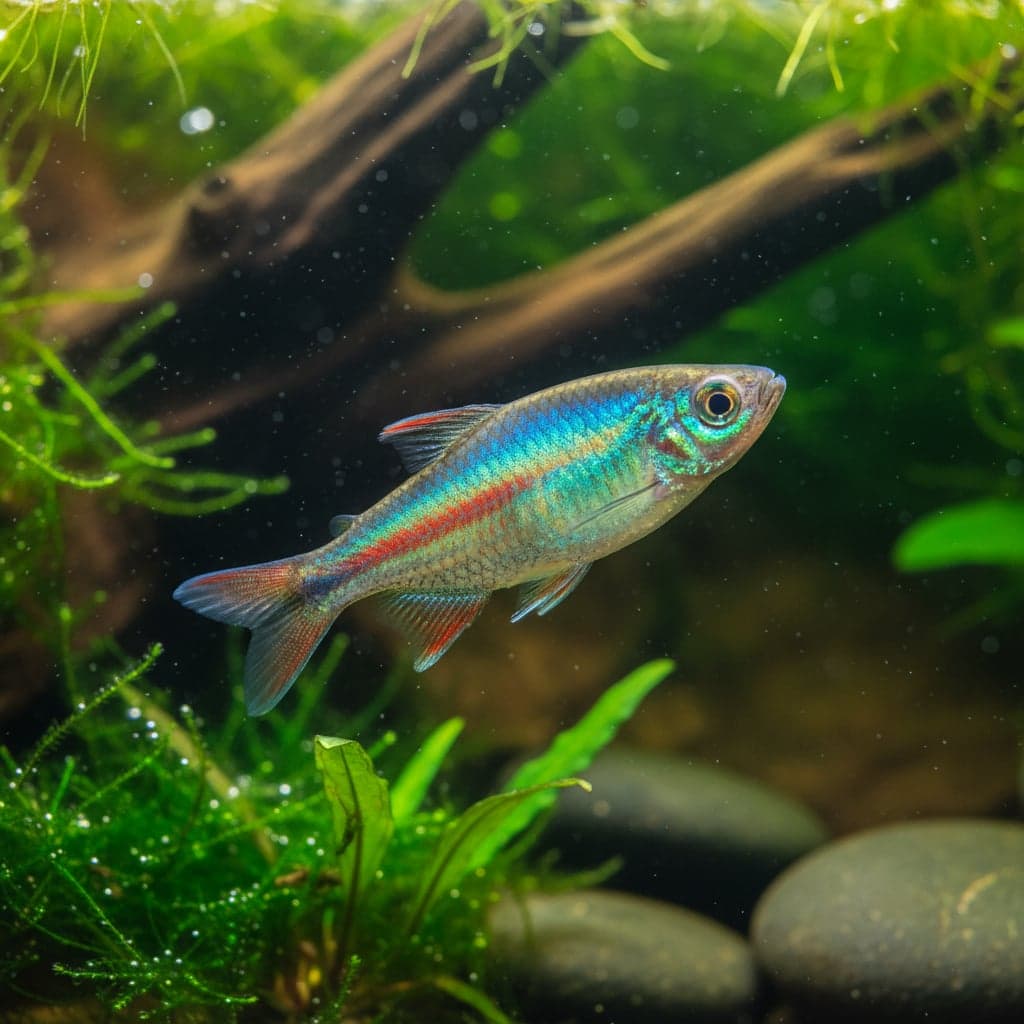
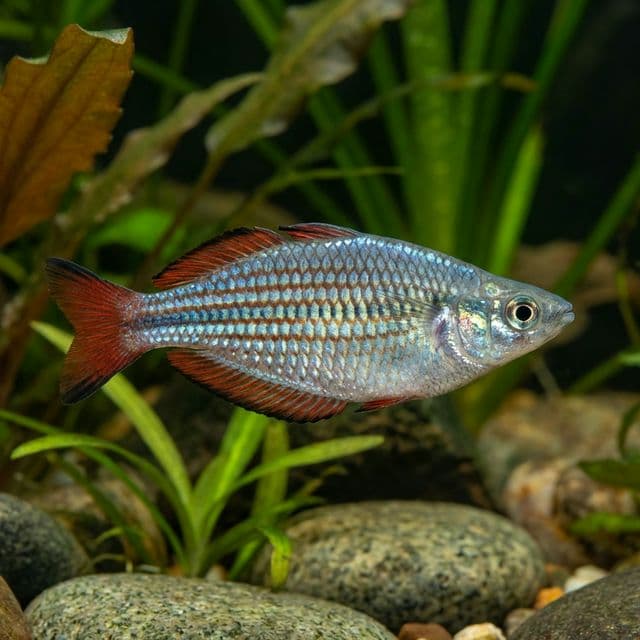
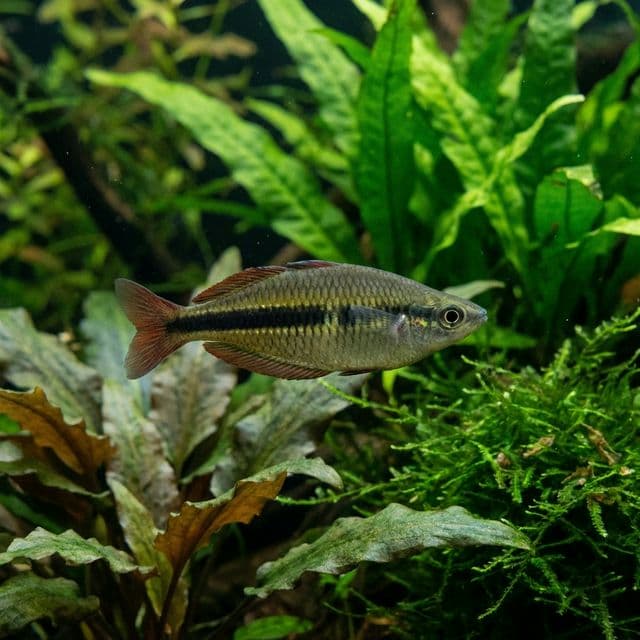
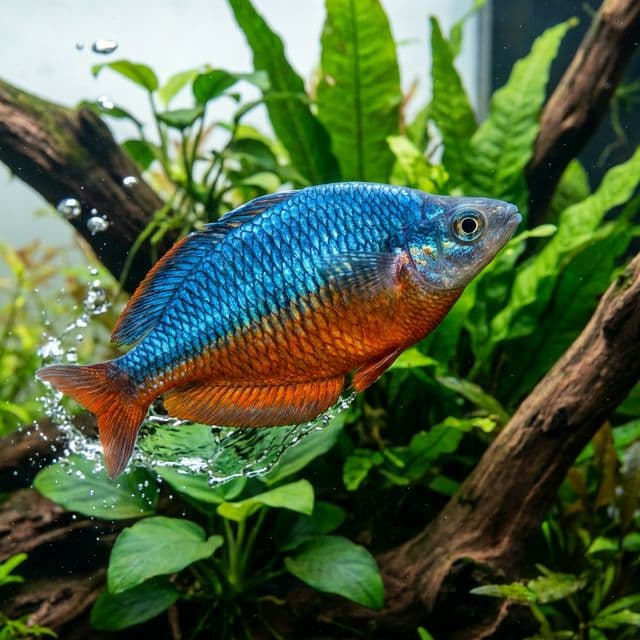
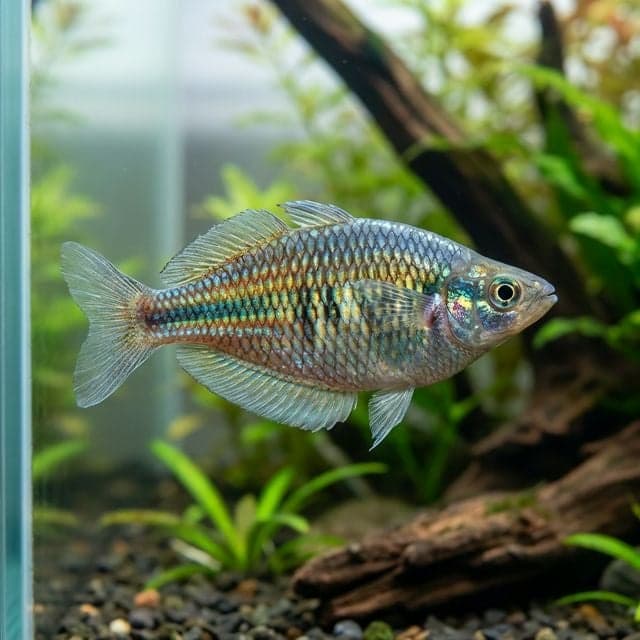
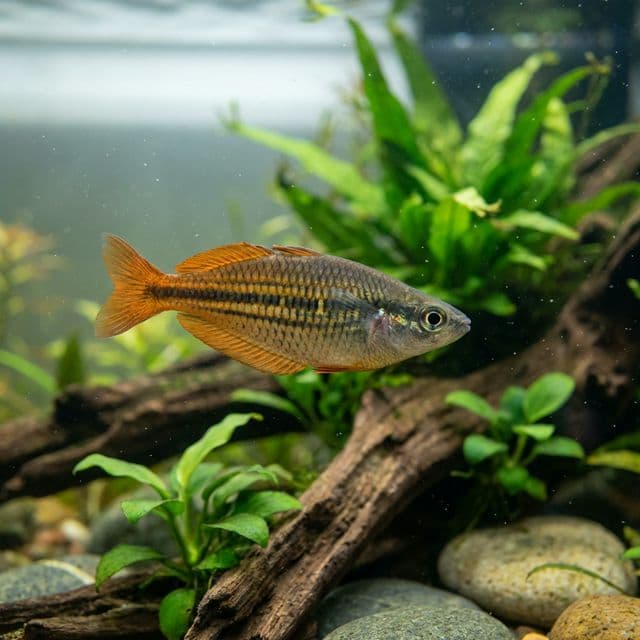
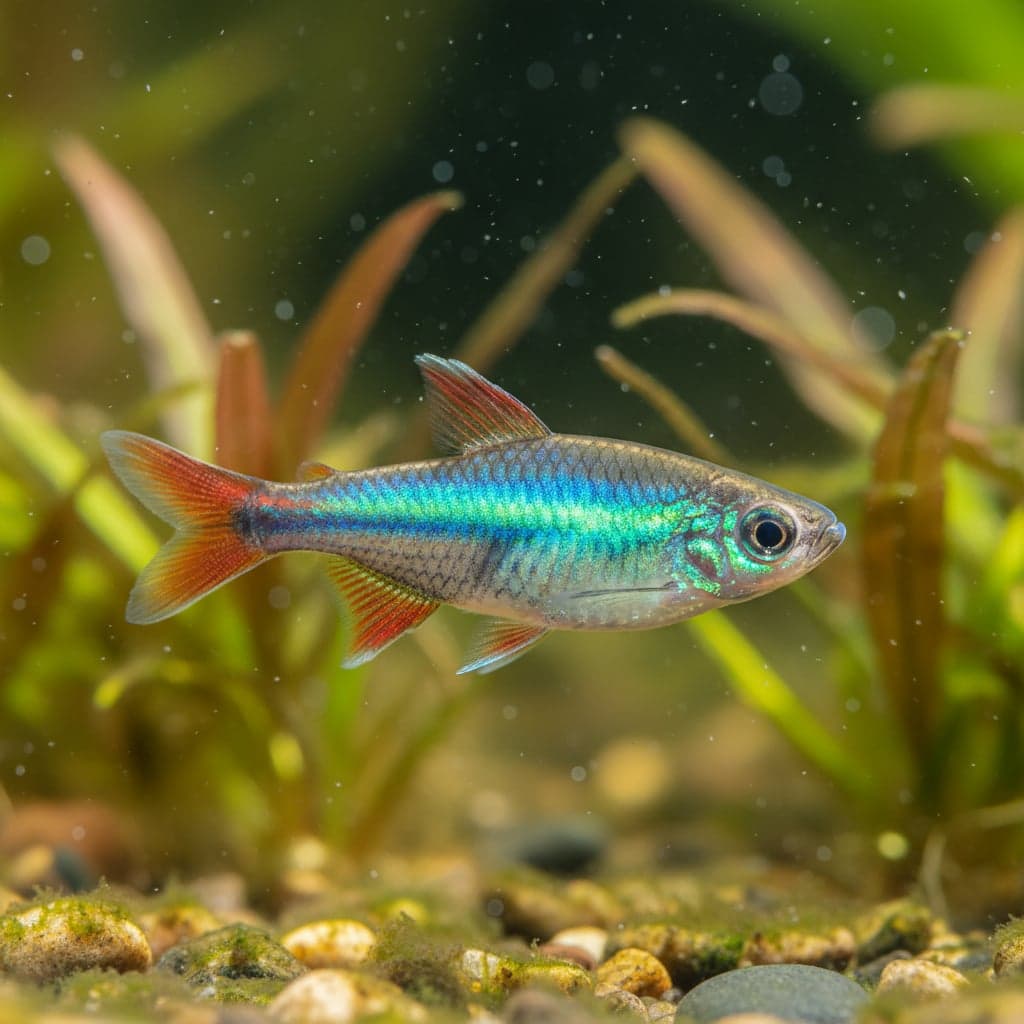
The Aru Rainbowfish, scientifically known as Melanotaenia picta, is a vibrantly colored freshwater fish native to the pristine environments of New Guinea and the surrounding islands. This species is particularly celebrated for its dazzling array of colors, which can range from shimmering blues and greens to more muted tones of bronze and yellow, depending on the specific population and individuals. Their stunning appearance, coupled with their peaceful disposition, makes them a prized addition for aquarists looking to create an enchanting aquatic landscape. The visual appeal of the Aru Rainbowfish is further enhanced during breeding displays when males exhibit more intense coloration, making them truly eye-catching at all stages of life.
In the aquarium hobby, the Aru Rainbowfish holds significant importance not only due to its aesthetic properties but also its role in promoting biodiversity within captive systems. As a member of the rainbowfish family, which is known for its adaptability and hardiness, the Aru Rainbowfish serves as an excellent introduction to fish-keeping for beginners while also appealing to seasoned aquarists looking to establish stunning biotope aquariums. Their sociable nature makes them ideal for community tanks, where their lively movements can bring vibrancy and energy to the overall display.
Natural Habitat & Origin
The Aru Rainbowfish hails from the Aru Islands, located off the southwestern coast of New Guinea. In its natural habitat, this fish resides in a variety of water conditions, typically found in rivers and streams flowing through lush tropical rainforests. The waters in these regions can vary significantly, often classified as clearwater environments rich in nutrients and supporting a diversity of aquatic life. Characteristics such as low light penetration due to dense vegetation and substrate composed of sand, gravel, and leaf litter further define their ecosystem. This natural backdrop not only showcases the Aru Rainbowfish's vibrant colors but also reflects the biome's ecological intricacy, influencing the species' behaviors and interactions.
Care Requirements
To ensure the well-being of the Aru Rainbowfish in captivity, maintaining specific water parameters is crucial. Ideally, the pH should be maintained between 6.5 and 7.5, with a temperature range of 24°C to 28°C (75°F to 82°F). Hardness levels should fall between 5 to 15 dGH, facilitating healthy physiological functions. For tank setup, a minimum aquarium size of 75 liters (20 gallons) is recommended to accommodate this active swimmer’s need for space. A soft substrate, such as sand or fine gravel, simulates their natural habitat, and incorporating live plants such as Vallisneria or Java fern not only enhances the aesthetics but also provides hiding places that help reduce stress. Moderate lighting should be utilized to recreate their natural environment without promoting excessive algae growth.
Diet & Feeding
The Aru Rainbowfish is an omnivore, which allows for a varied diet in captivity. A combination of high-quality flakes, pellets, and live or frozen foods like brine shrimp and daphnia is ideal to meet their dietary needs. Feeding a well-rounded diet ensures they receive adequate nutrients for optimal growth and coloration. It is advisable to provide small portions multiple times a day to stimulate foraging behaviors, promoting activity and health. Special attention should be paid to the protein content in their diet, especially during growth periods and breeding season, to support their metabolic needs and vitality.
Behavior & Temperament
The Aru Rainbowfish exhibits a predominantly peaceful demeanor, making them suitable for community tanks. They are naturally inclined to school, thriving in groups of at least six individuals, which helps minimize stress and encourages natural behaviors. While they may display a bit of hierarchy, typically with a dominant male asserting his place, their aggression levels remain minimal compared to more territorial fish species. In terms of vertical placement, Aru Rainbowfish predominantly inhabit mid to upper levels of the aquarium, providing a lively presence throughout the water column, often swimming in open water while occasionally exploring vegetation.
Tank Mates
When considering tank mates for the Aru Rainbowfish, it is vital to choose species that share similar temperaments and environmental needs. Highly compatible species include other peaceful community fish such as tetras, dwarf cichlids, and various types of danios. Avoid aggressive or overly territorial fish, such as cichlids from the larger African family or fast-moving species with spikes. Additionally, steer clear of extremely small fish, as the Aru Rainbowfish may view them as prey. By selecting suitable companions, aquarists can create a harmonious environment that encourages vibrant displays of behavior among different species.
Breeding
Breeding the Aru Rainbowfish in captivity can be a rewarding experience, though it does require specific conditions to be successful. To encourage spawning, creating a separate breeding tank equipped with dense planting—such as spawning mops—provides ideal conditions. A water temperature slightly elevated to around 28°C (82°F) and a soft, slightly acidic pH can stimulate breeding behavior. During the spawning process, males will chase females through the vegetation where they deposit eggs. Once spawning is complete, it's essential to separate the adult fish from the eggs to prevent them from eating the newly laid eggs. After several days, the eggs will hatch, and the fry should be fed infusoria or finely crushed flake food until they are large enough to accept larger foods.
Common Health Issues
Like many fish, the Aru Rainbowfish is susceptible to several common health issues, including ich (white spot disease) and fin rot, often caused by poor water quality or stress. To prevent these diseases, maintaining clean tank conditions through regular water changes, adequate filtration, and monitoring water parameters is essential. Additionally, avoiding overstocking and ensuring a balanced diet can fortify their immune systems, reducing vulnerability to illness. Regular observation for any behavioral changes or signs of distress will enable prompt intervention, ensuring the long-term health of your Aru Rainbowfish.