Asian Rummynose: Sawbwa resplendens
A unique, scale-less raspbora with a bright red nose and blueish body. Cool water nano fish.
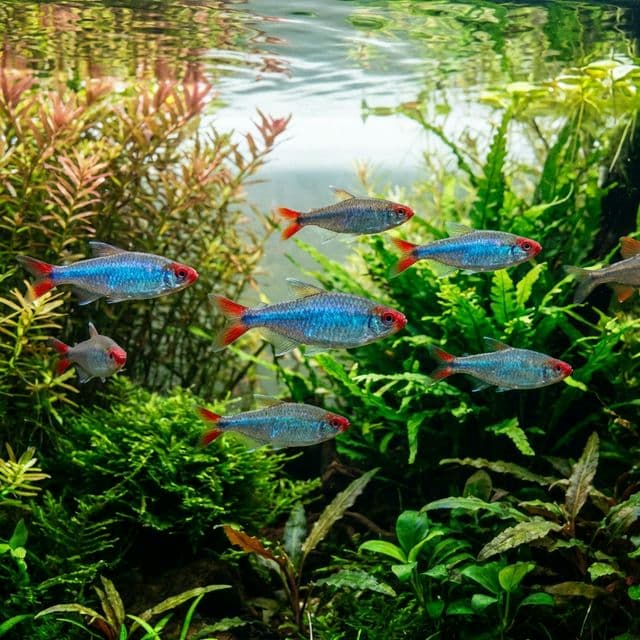
Asian Rummynose
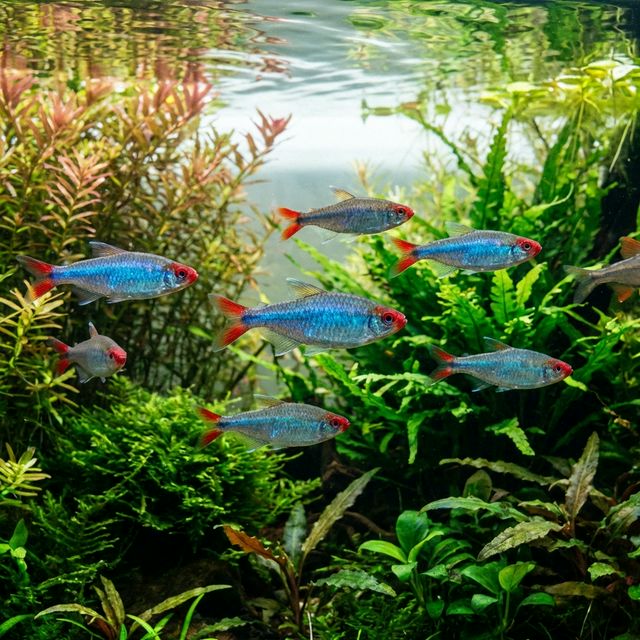
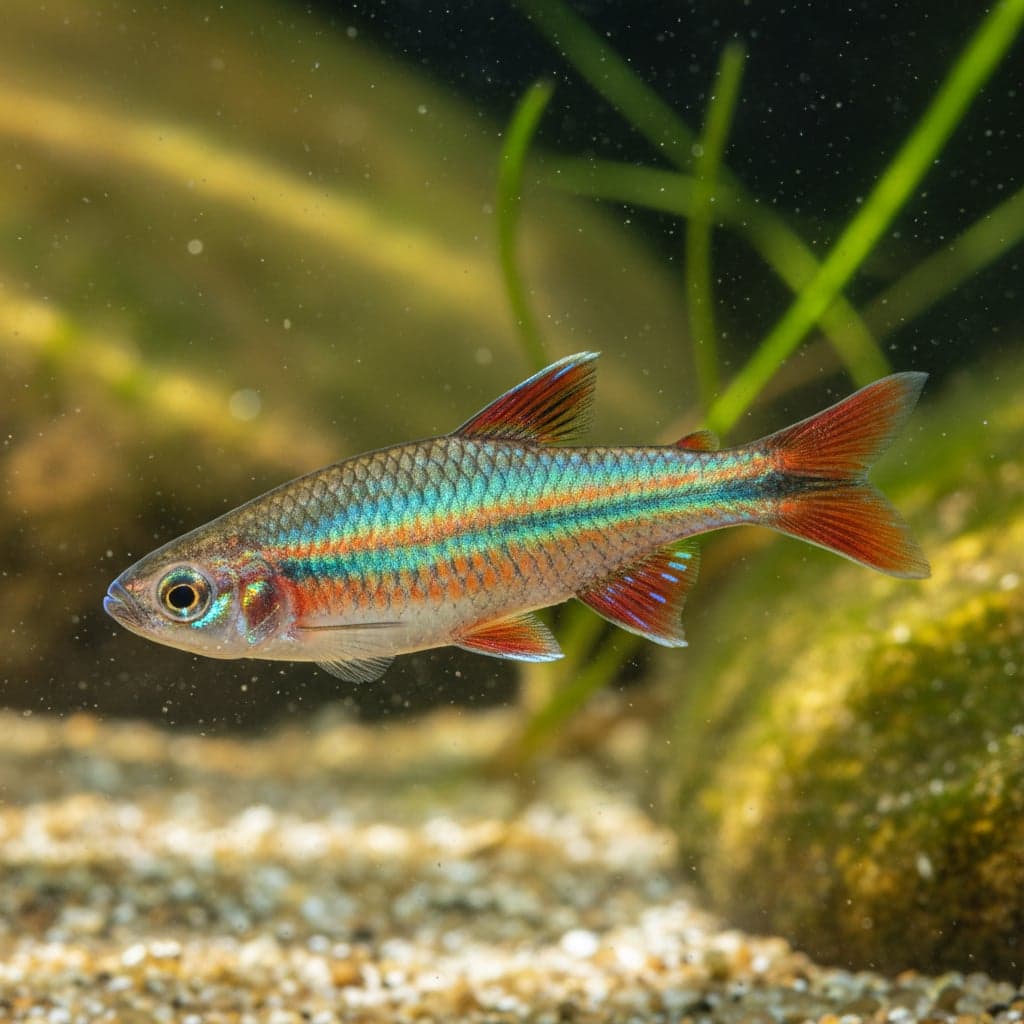
The Asian Rummynose, scientifically known as Sawbwa resplendens, is a small, striking freshwater fish belonging to the family Cyprinidae. Hailing from Southeast Asia, particularly the undisturbed regions of Myanmar, this charming species has captured the hearts of aquarists worldwide. Its distinctive aesthetic features include a brilliant red conferring to its nose, a shimmering blue-gray body, and subtle accents of yellow along its fins. These vivid colors not only enhance the visual appeal of community aquariums but also serve as a reminder of the species' natural habitat in clean, flowing waterways.
In the aquarium hobby, the Asian Rummynose carries significance not only for its beauty but also for its relatively peaceful demeanor, making it suitable for both novice and experienced aquarists. Its fascinating behavior—such as its remarkable schooling tendencies—adds depth to aquarium displays. However, the Asian Rummynose also serves as an indicator species, demonstrating the health of their native ecosystems, thus underlining the importance of sustainable aquarium practices in preserving both the species and its habitat.
Natural Habitat & Origin
Asian Rummynose originates from the pristine streams and tributaries of Myanmar, where it thrives in slow-moving waters often characterized by dense vegetation and soft substrate. These environments typically exhibit blackwater conditions due to the high levels of tannins released from decaying organic matter. The waters they inhabit are often slightly acidic to neutral (pH 5.5 to 7.5) and have a low to moderate hardness (dH 2-10). Understanding their natural habitat helps aquarists replicate these conditions in captivity, providing the Asian Rummynose with an environment that closely mirrors its native setting.
The surrounding ecosystem of the Asian Rummynose features lush aquatic plants and submerged wood, creating a safe haven for breeding and hiding. This natural filtration also contributes to the clarity and coloration of the water, enhancing the overall health and vibrancy of the fish. In attempting to recreate these conditions, aquarists can appreciate the role environmental biodiversity plays in species survival.
Care Requirements
To successfully keep Asian Rummynose in an aquarium, understanding their care requirements is paramount. The ideal water temperature ranges from 72°F to 78°F (22°C to 26°C), with a pH level between 6.0 and 7.0 and a soft to neutral hardness (2-10 dGH). A minimum tank size of 15 gallons is recommended to allow the fish ample swimming space and to accommodate a small shoal, as they prefer to be kept in groups of at least six individuals.
In terms of tank setup, soft substrates and plenty of plants—such as java moss, floating plants, and densely vegetated arrangements—are essential for creating a secure and stimulating environment. Low to moderate lighting simulates their natural habitat, with shaded areas provided by floating plants. Additionally, incorporating driftwood and leaf litter can enhance the aesthetic while benefiting these fish, as they thrive in such natural-looking settings.
Diet & Feeding
The Asian Rummynose is an omnivorous species that benefits greatly from a varied diet. In captivity, they should be fed high-quality flake foods, micro-pellets, and an assortment of both frozen and live foods, such as brine shrimp, daphnia, and bloodworms. Given their relatively small mouths, ensuring that food particles are appropriately sized is important. Feeding them small amounts several times a day rather than one large feeding is preferred, as this mimics their natural feeding behavior and helps maintain water quality.
In addition to high-quality prepared foods, it is beneficial to include occasional vegetable matter in their diet. Finely chopped spinach or spirulina will not only provide necessary nutrients but also reflect their natural foraging tendencies in the wild.
Behavior & Temperament
The Asian Rummynose exhibits peaceful behavior, with a strong inclination towards schooling. They prefer to swim in groups, which provides them with comfort and security in captivity, and will often display synchronized swimming and natural social interactions when kept in appropriate numbers. Their inquisitive nature means they enjoy exploring their environment, often darting through plants and around tank decor.
Typically, these fish occupy the mid to upper levels of the tank, making them an ideal specimen for community aquariums. They are non-aggressive and can be housed comfortably alongside various other peaceful species; however, it's essential to avoid aggressive or overly boisterous tank mates that may outcompete or harass them.
Tank Mates
When selecting tank mates for the Asian Rummynose, it is crucial to opt for similarly peaceful species that do not exhibit territorial behavior. Suitable companions include:
- Tetras (e.g., Neon Tetra, Cardinal Tetra)
- Rasboras (e.g., Harlequin Rasbora)
- Corydoras Catfish (e.g., Panda Cory)
- Small Gouramis (e.g., Dwarf Gourami)
- Otocinclus Catfish
Conversely, species to avoid include larger or more aggressive fish such as cichlids or larger barbs, as well as fin-nippers or overly boisterous species, which may cause stress or harm to the Asian Rummynose.
Breeding
Breeding the Asian Rummynose in captivity presents its challenges but is achievable under the right conditions. To encourage spawning, it's advisable to set up a dedicated breeding tank with slightly softer, slightly acidic water (pH 6.0-6.5) and a temperature around 76°F (24°C). Dense vegetation, including moss and fine-leaved plants, acts as both spawning sites and, post-spawning, a refuge for the eggs.
Spawning typically occurs in the early morning, with the female releasing multiple eggs that the male fertilizes during a ritualistic display. After spawning, it is essential to promptly remove the adult fish from the breeding tank, as they may consume the eggs. Once hatched, the fry will require infusoria or powdered fry food for the first few days before transitioning to fine crushed flake food.
Common Health Issues
Like many aquarium fish, the Asian Rummynose is susceptible to a variety of health issues, primarily if kept in suboptimal conditions. Common problems include:
- Ich (White Spot Disease): This protozoan infection is preventable with proper water quality and temperature management; prompt treatment is vital.
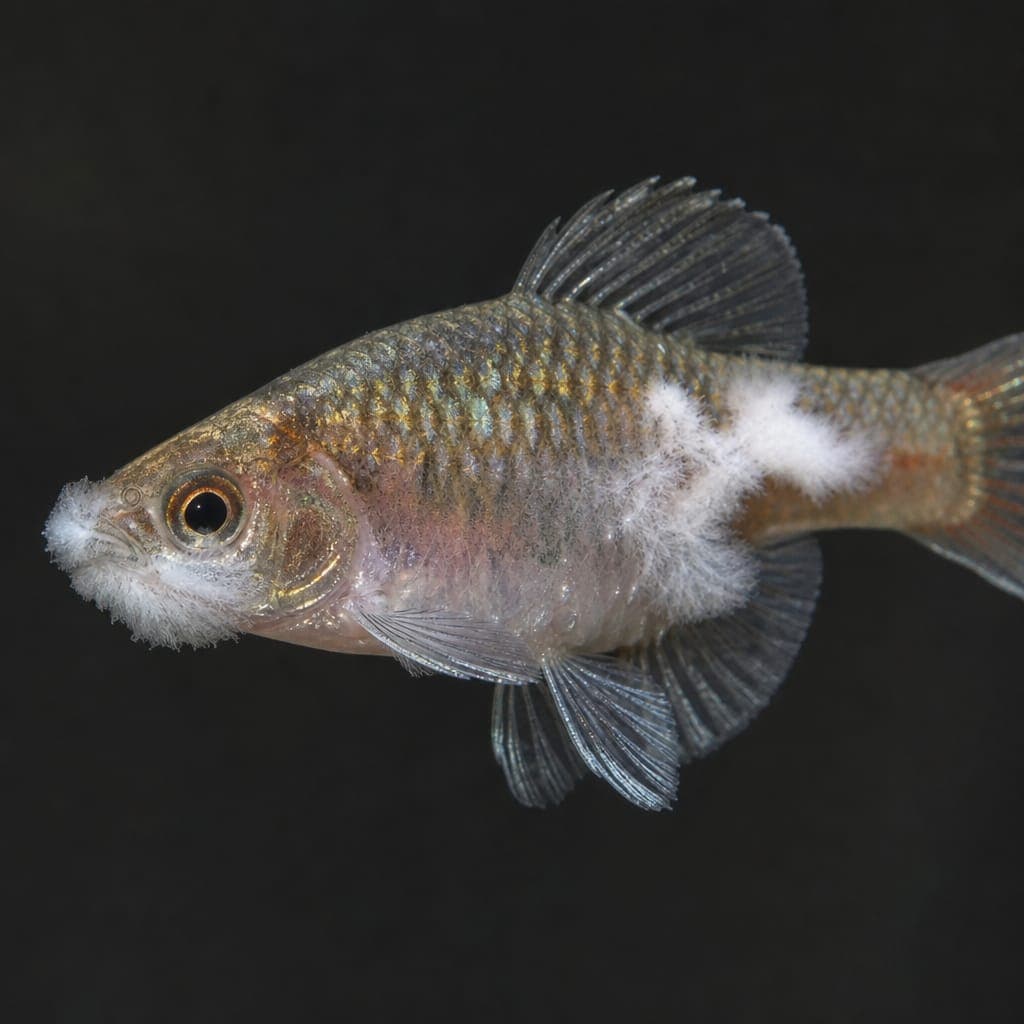
- Fungal Infections: These often arise from wounds or poor water conditions; providing a stress-free environment and maintaining tank hygiene can mitigate risks.
- Fin Rot: This bacterial disease is associated with poor water quality and aggression; quarantine and treatment with appropriate medications can help control outbreaks.
Regular monitoring of water parameters and maintaining a clean, safe environment will significantly reduce the occurrence of these diseases, ensuring that the Asian Rummynose thrives in your aquarium.