The Assassin Snail: Clea helena
A snail that eats other snails. The Assassin Snail is the most elegant pest control in the hobby—a striped hunter that eliminates unwanted snail populations.
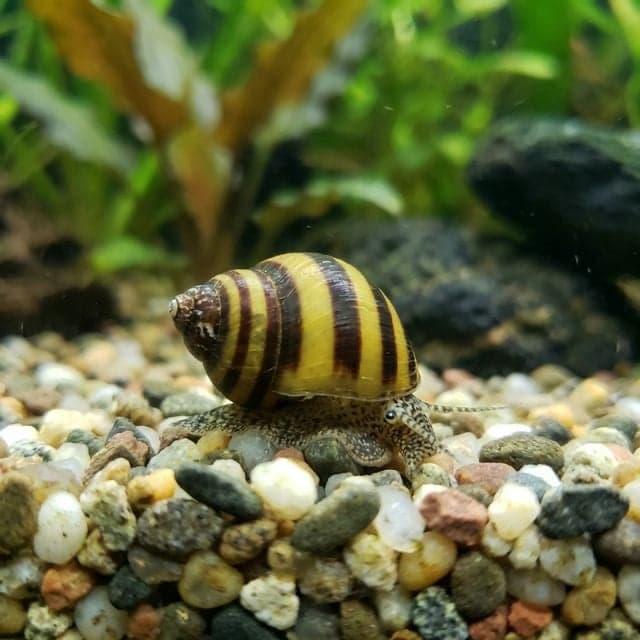
Assassin Snail
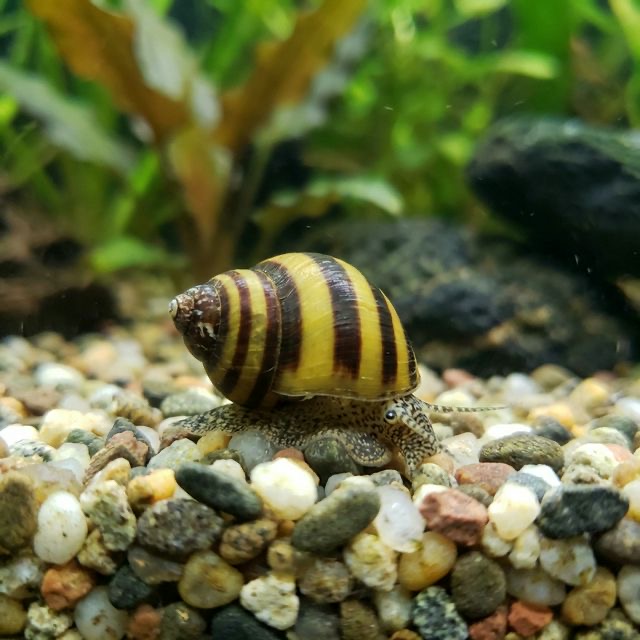
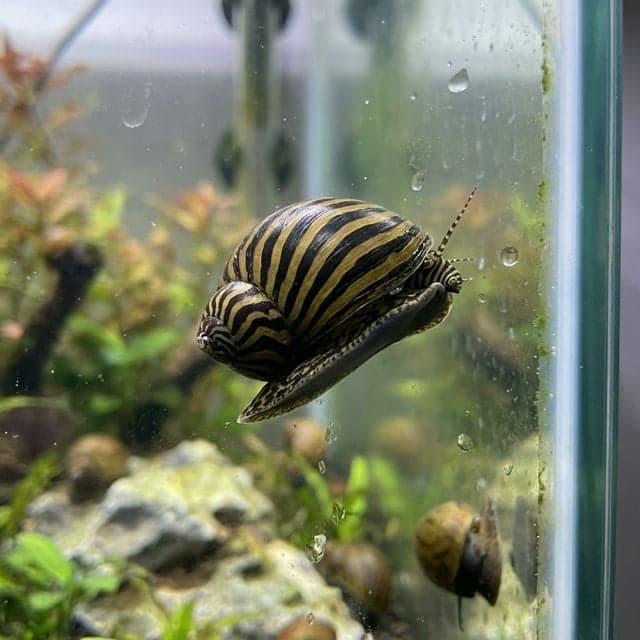
The Assassin Snail, scientifically known as Clea helena, is a freshwater gastropod that has won over the hearts of aquarium enthusiasts due to its intriguing behavior and practical utility. These snails are characterized by their striking appearance, often displaying a beautiful pattern of yellow and brown spirals, which can add unique visual interest to aquariums. Unlike many other aquatic snails, the Assassin Snail is known for its predatory nature, primarily feeding on pest snails such as pestiferous planarians and other soft-bodied invertebrates. This makes it not only a visually appealing addition to the tank but also a valuable tool for maintaining a balanced ecosystem in your aquarium.
In the aquarium hobby, the significance of the Assassin Snail extends beyond its role as a natural pest controller. Their fascinating foraging habits are a joy to observe, as they crawl along the substrate, searching for their next meal. The way they hunt and consume other snails adds dynamic interaction to the tank environment. Moreover, these snails are relatively easy to care for and breed, making them an excellent choice for both novice and experienced aquarists looking to enhance the biodiversity of their aquatic communities.
Natural Habitat & Origin
The Assassin Snail is native to Southeast Asia, particularly in countries such as Thailand and Indonesia. It thrives in slow-moving rivers and streams, where it prefers shallow waters with ample vegetation and organic debris. The natural habitat of Clea helena is typically characterized by clear water tinged with tannins from decaying plant matter, forming a slightly acidic to neutral pH environment. Through their adaptability, these snails seamlessly adjust to various aquatic conditions, which is a testament to their resilience and suitability for aquarium life.
In the wild, the substrate often consists of soft, sandy or muddy bottoms rich in detritus, providing both food sources and hiding spots for the snails. The presence of decaying leaves and aquatic plants creates a complex environment where they can thrive. Replicating these conditions in captivity helps ensure their well-being, making it essential for aquarists to understand their natural habitats to provide an optimal living environment.
Care Requirements
In terms of care, the Assassin Snail has specific water parameter preferences. The ideal temperature range is between 75°F to 82°F (24°C to 28°C), with a pH level of 6.5 to 8.0. They prefer moderately hard water, around 5 to 15 dGH. When setting up a tank for these snails, a minimum tank size of 10 gallons is recommended to provide ample space for grazing and roaming. Today, many aquarists opt for finely grained substrates or sand that mimic their natural habitat and allows them to burrow without harm.
As for lighting, moderate levels are generally sufficient, as Assassin Snails do not require intense light conditions. Incorporating plants such as Java moss, Anubias, and banana plants not only enhances their environment but also assists in managing water quality. Providing hiding spots with rocks or driftwood can also make the snails feel more secure in their captivity, leading to healthier, more active individuals.
Diet & Feeding
The Assassin Snail is classified as a carnivorous gastropod, with a diet primarily consisting of smaller snails and dead or decaying organic matter. While they are adept hunters, they also appreciate a varied diet that includes commercially available fish food. Offering high-quality flakes, sinking pellets, and small live or frozen foods such as bloodworms, brine shrimp, and daphnia can help ensure that these snails maintain optimal health.
In addition to their protein sources, providing calcium-rich foods is important for their shell health. You can supplement their diet with crushed coral, cuttlebone, or specially formulated calcium supplements that can help in shell development. By offering a well-rounded diet, aquarists can promote longevity and flourishing growth in Assassin Snails.
Behavior & Temperament
Assassin Snails exhibit a generally peaceful temperament, making them suitable for community tanks. They are solitary by nature and do not engage in aggressive behavior towards larger fish, though they may compete with one another for food or territory if space is limited. These snails tend to be more active at night, which may lead them to be labelled as nocturnal scavengers. While they do not school in the traditional sense, a small group can be kept together to enhance their natural behaviors and social interaction.
In terms of tank placements, they can frequently be seen horizontally gliding across the substrate searching for food but will also explore higher surfaces. Given their predatory tendencies, it's important to note that their hunting habits may affect smaller invertebrates, and therefore, their placement in the tank should consider tank mates as well.
Tank Mates
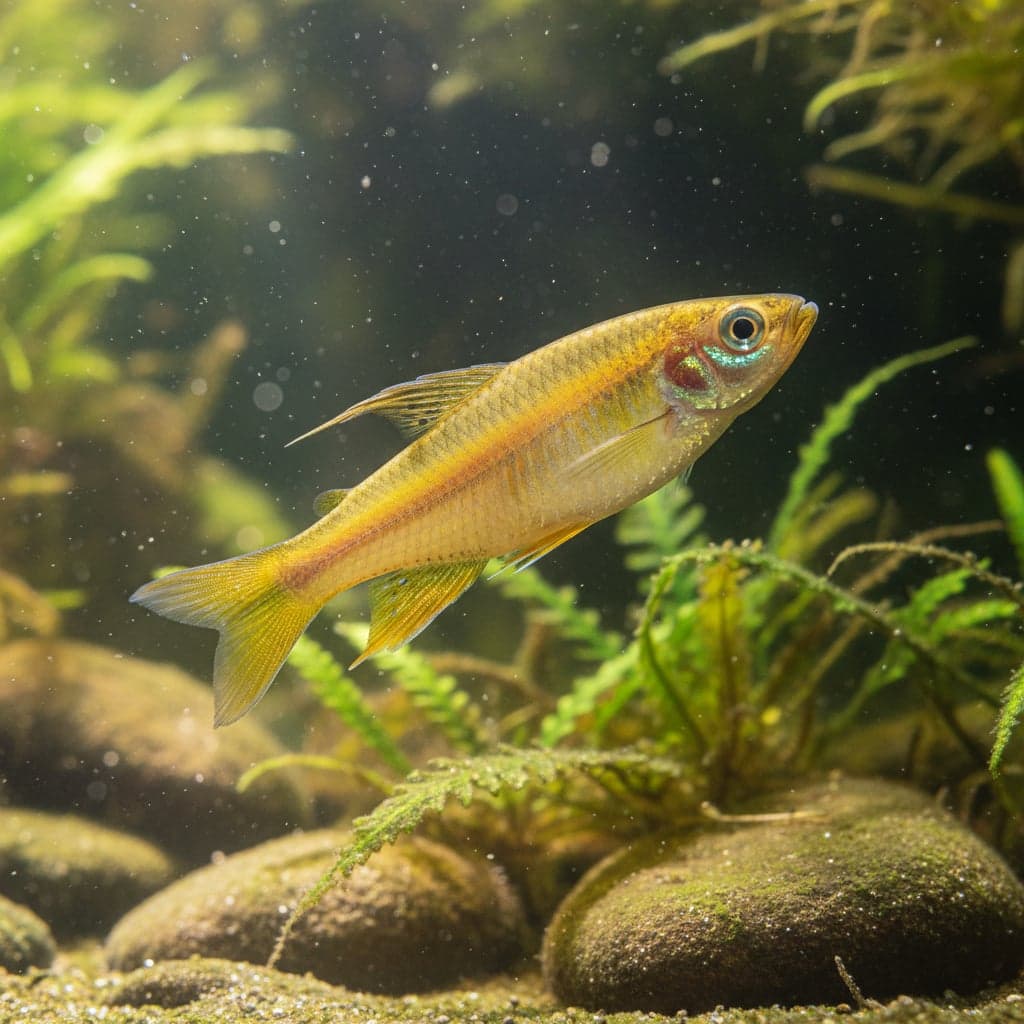
When considering potential tank mates for the Assassin Snail, it is crucial to choose species that will coexist harmoniously rather than threaten the snail's well-being. Compatible species include small to medium-sized fish such as guppies, tetras, and rasboras. Invertebrates like shrimp (e.g. cherry shrimp or ghost shrimp) can also coexist well, provided they are not overly small and able to be hunted.
However, it is advisable to avoid keeping the Assassin Snail with larger or aggressive fish, as these can predate on the snails and create stressful environments. Specific species to avoid include cichlids, larger barbs, and any fish known for being fin nippers or aggressive foragers. A balanced community allows the Assassin Snail to thrive and fulfill its role as a natural pest controller.
Breeding
Breeding the Assassin Snail in captivity can be achieved under the right conditions. These snails are dioecious, meaning there are distinct male and female individuals. In favorable conditions, courtship can be observed, which is characterized by males following females and often showing a display for attention. The female lays clusters of eggs just above the substrate, usually on tank décor or plants, and it is essential to maintain pristine water quality during this time to promote successful hatching.
To encourage breeding, aquarists should ensure the water parameters align with their natural habitat and offer sufficient algae or biofilm for food. It may take several weeks for the eggs to hatch, leading to the emergence of baby snails that will exhibit similar characteristics to adults. Because Assassin Snails have a longer maturation period compared to many species, patience and proper care are essential for successful breeding in captivity.
Common Health Issues
While Assassin Snails are generally hardy, they can still be susceptible to certain health issues if not properly cared for. Common problems include shell rot, which often arises from poor water quality, and they can also face challenges related to abrupt shifts in water parameters. To prevent these issues, maintaining stable environment conditions and regular water changes are key.
Another potential issue is overfeeding, which can lead to food decay in the substrate and potentially harm the snails and other inhabitants of the tank. Monitoring their dietary intake and ensuring a balanced diet will safeguard against obesity and promote a healthy life. Implementing routine observation will help detect early signs of distress or illness, allowing for timely intervention.