Axelrod's Cory: Hoplisoma axelrodi
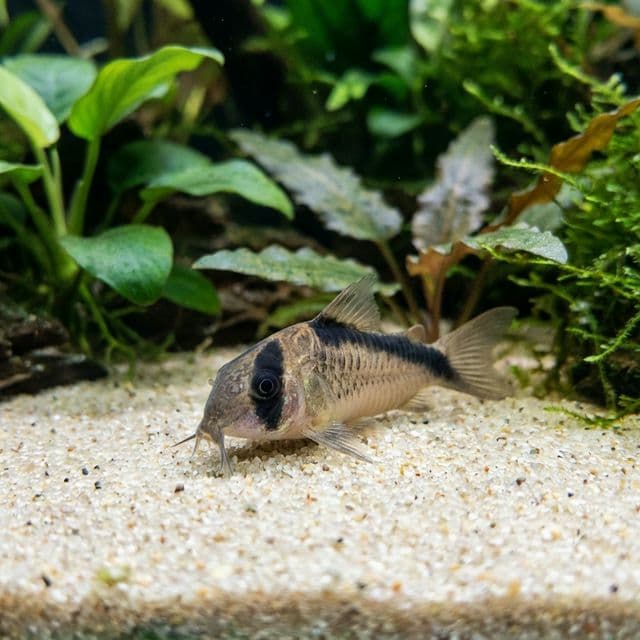
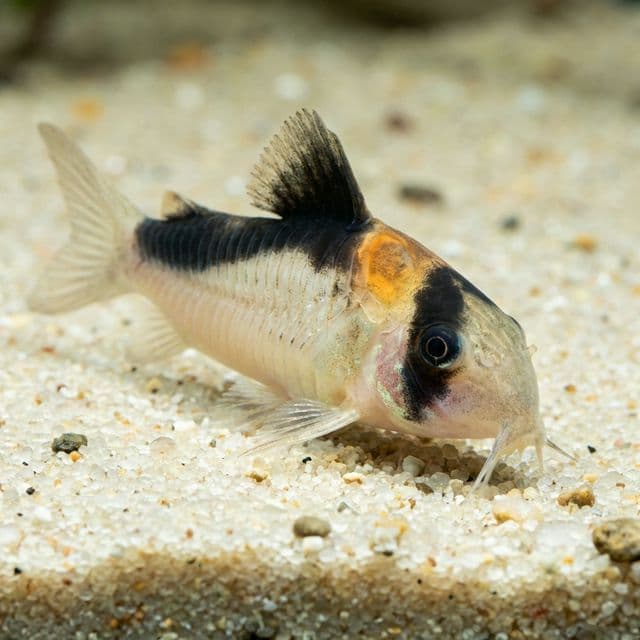
A simple, elegant corydoras with a dark black band. Hardy and active.
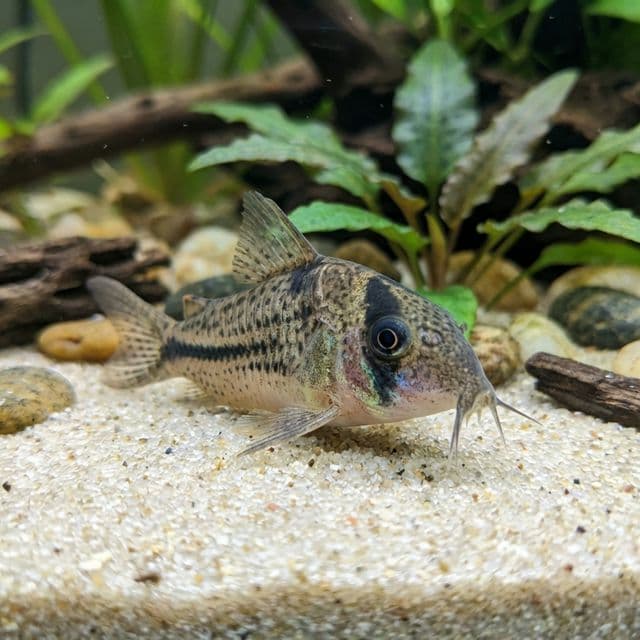
Axelrod's Cory
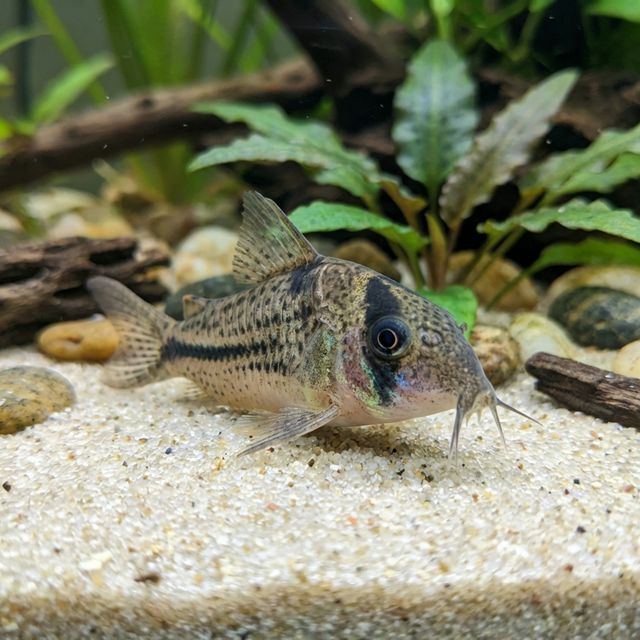
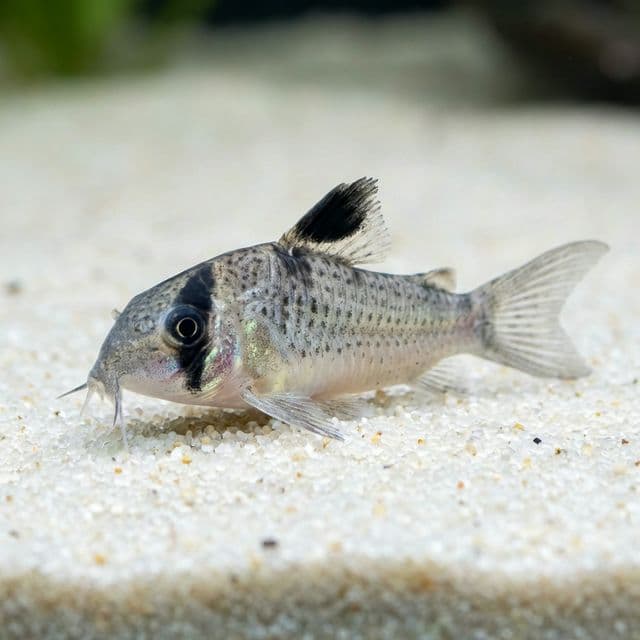
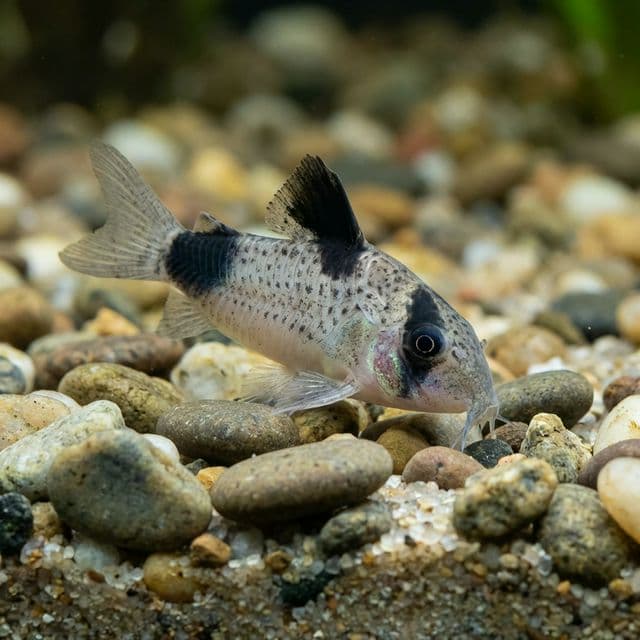
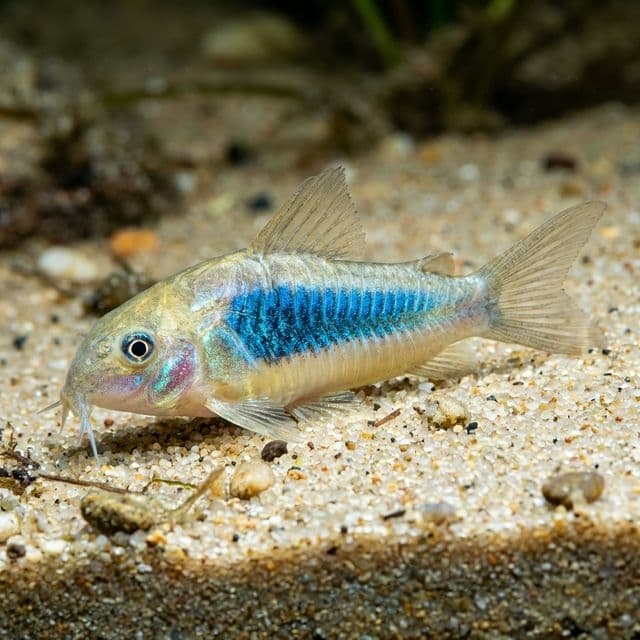
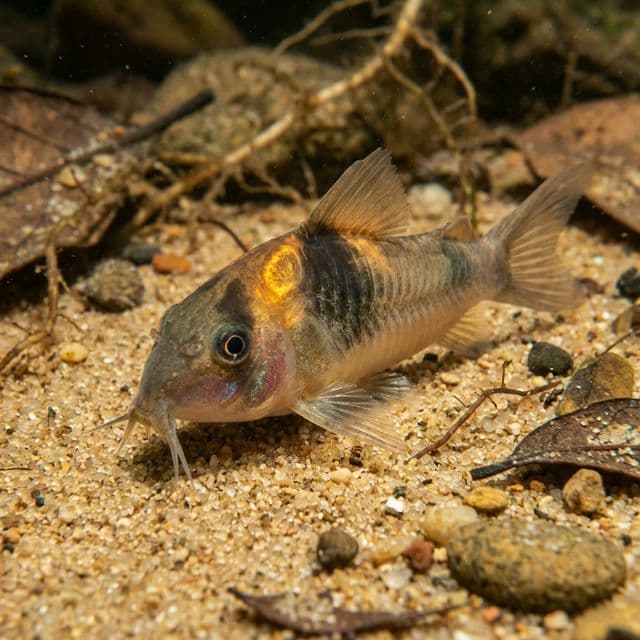
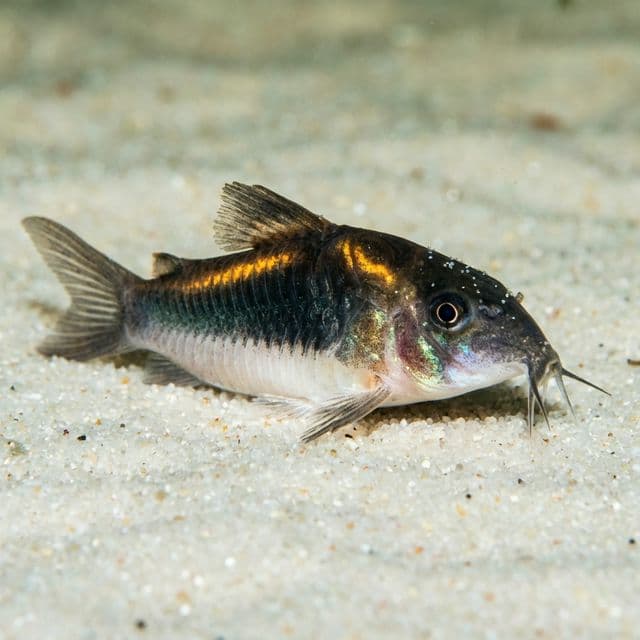
Axelrod's Cory, scientifically known as Hoplisoma axelrodi, is a captivating species of freshwater fish belonging to the family Callichthyidae. This small, peaceful catfish has become a favorite among aquarists due to its charming appearance and lively behavior. Sporting a striking pattern of light bronze to yellowish bodies adorned with contrasting black spots, Axelrod’s Cory embodies aesthetic appeal. These markings not only add to their visual allure but also serve as a reminder of their thriving populations in the wild, attracting hobbyists and seasoned aquarists alike. Their distinctiveness is further enriched by the pleasant, sociable nature they exhibit, making them ideal candidates for community tanks.
In the aquarium hobby, Axelrod's Cory holds significant importance as a bottom-dwelling cleaner fish. They are naturally inclined to scavenge through substrate materials, helping to maintain a clean environment by consuming uneaten food and detritus. As a result, they contribute positively to the overall health of the aquarium ecosystem. Their lively antics are a source of amazement, drawing viewers in to observe their foraging and social interactions. As an enchanting species, Axelrod's Cory not only enhances the visual makeup of an aquatic setup but also brings educational value, allowing aquarists to appreciate their behaviors and ecological roles.
Natural Habitat & Origin
Axelrod's Cory originates from the Amazon River Basin, specifically in areas that span across Brazil and Guyana. These environments are characterized by the presence of slow-moving streams and tributaries often rich in vegetation. Typically, the waters here are classified as blackwater, which means they have low pH levels and high amounts of dissolved organic matter, primarily from decaying leaves and plant material. The soft, slightly acidic waters are vital for the survival of Axelrod’s Cory, allowing them to thrive in a habitat that mimics their natural conditions.
In their wild habitat, Axelrod's Cory is often found in densely vegetated areas where they can take refuge from predators. The dark waters provide crucial camouflage, protecting them while they scrape algae and debris off surfaces. The delicate balance between these factors—the water's chemistry, surrounding plants, and habitat structure—collectively fosters a suitable environment essential for their growth and reproduction. Understanding their natural habitat is paramount for any aquarist aiming to replicate these conditions successfully in an aquarium setting.
Care Requirements
When keeping Axelrod's Cory in an aquarium, it is essential to pay attention to specific water parameters to ensure their health and vitality. The recommended pH range is 6.0 to 7.5, and a temperature between 72°F to 78°F (22°C to 26°C) is ideal. They prefer water that is soft to moderately hard, with hardness levels between 2 to 15 dH. These parameters closely match their native environments, allowing them to adapt easily.
In terms of tank setup, Axelrod's Cory requires a spacious aquarium, with a minimum size of 20 gallons recommended to accommodate their active nature. The substrate should be soft and fine, such as sand or small gravel, to prevent injury to their delicate barbels. Additionally, providing plenty of hiding spots through driftwood, rocks, and lush aquatic plants will make them feel secure and encourage natural behaviors. Moderate lighting is preferable, simulating the dim light conditions of their natural habitats. The inclusion of floating plants can also help diffuse light and create shaded areas, enhancing the overall comfort for Axelrod’s Cory.
Diet & Feeding
Axelrod's Cory is an omnivorous species with a diverse diet that contributes to their overall health. In the wild, these fish consume a variety of food sources, including detritus, algae, and small invertebrates. To replicate this diet in captivity, aquarists should provide high-quality flakes or pellets formulated for bottom dwellers, ensuring these foods are sinking varieties. Frozen foods like bloodworms, brine shrimp, and daphnia can serve as excellent protein sources, while live foods will also entice their foraging instincts.
It is essential to ensure that Axelrod's Cory are fed small amounts multiple times a day rather than one large meal. This feeding schedule mirrors their natural foraging behavior and aids in their digestion while preventing uneaten food from polluting the water. Additionally, incorporating blanched vegetables, such as spinach or zucchini, can enhance their diet and provide crucial nutrients. A varied diet contributes to the health and vitality of these fish, promoting growth and vibrant coloration.
Behavior & Temperament
Axelrod's Cory is known for its friendly and sociable demeanor, often thriving in groups of six or more individuals. These fish are quintessential schooling species, exhibiting fascinating interactions and hierarchy within their groups. They are generally peaceful and display minimal aggression towards tank mates, making them suitable for community aquariums. However, keeping them in small numbers can lead to stress or shyness, diminishing their natural behaviors.
In an aquarium, Axelrod's Cory tends to occupy the lower regions near the substrate, frequently foraging and sifting through sand or gravel to uncover food. They exhibit playful antics, swimming in small bursts and exploring all crevices of their environment. It is important to ensure they feel secure by providing ample hiding places, as this encourages them to engage in more open swimming displays and reduces stress levels.
Tank Mates
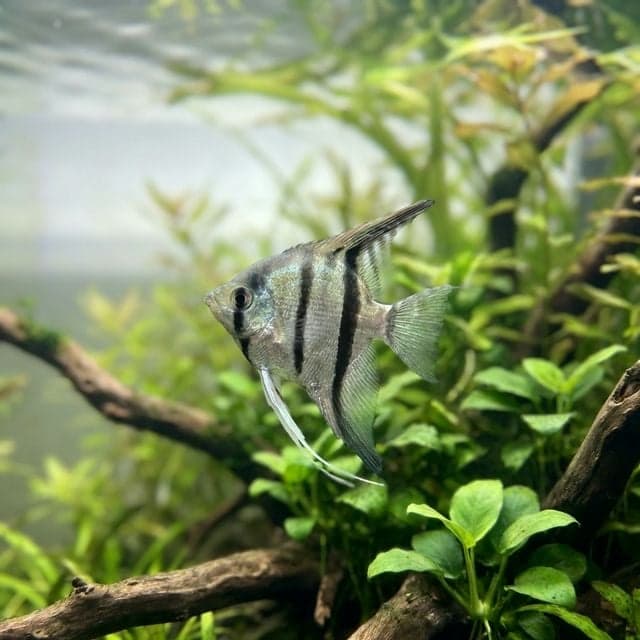
When selecting compatible tank mates for Axelrod's Cory, it is crucial to consider their peaceful nature and schooling requirements. Ideal companions include other small, non-aggressive species such as Neon Tetras, Guppies, Rasboras, and Zebra Danios. Their sociable nature pairs well with similar-sized fish that thrive in the same water parameters. Additionally, larger fish like Angelfish or Gouramis can serve as good companions, provided they are not overly aggressive.
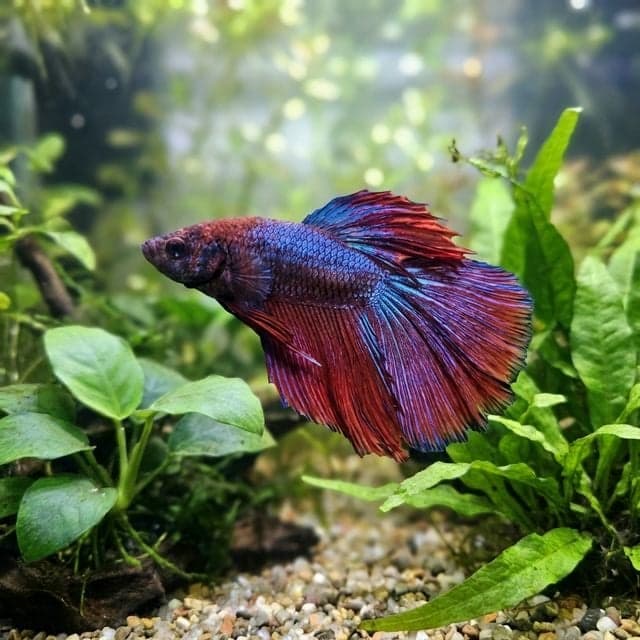
On the other hand, certain species should be avoided when housing Axelrod's Cory. Aggressive or larger species, such as Cichlids or Betta Fish, pose a threat to their well-being, often leading to stress or injury. It is also advised to avoid fin-nipping species that may harass Axelrod's Cory. Ensuring well-chosen tank mates promotes a peaceful and harmonious aquarium environment, allowing all species to coexist comfortably.
Breeding
Breeding Axelrod's Cory can be a rewarding endeavor for aquarists, requiring specific conditions to stimulate reproduction in captivity. To encourage spawning, it is essential to maintain optimal water parameters—slightly cooler temperatures, paired with a well-established tank containing plenty of hiding spaces, mimic their natural breeding grounds. A soft substrate is also ideal, as they prefer to lay their eggs in safe, hidden spots.
During breeding, males may engage in courtship displaying, which involves swimming in circles around the female. Once the female is ready, she will lay adhesive eggs on plants or surfaces, where males will follow to fertilize them. It's crucial to remove the spawning pair after they have laid eggs to prevent them from eating the eggs. Using separate breeding tanks can enhance success rates and provide a safer environment for the developing fry. Ensuring excellent water quality and providing suitable foods for the fry, such as infusoria or finely crushed flakes, will aid in their growth and development.
Common Health Issues
Axelrod's Cory, while generally hardy, can still be susceptible to certain health issues common among freshwater fish. One of the most common is ich (white spot disease), along with fin rot and bacterial infections that often follow poor water quality or injured barbels. Maintain excellent water quality, use smooth sand, and quarantine new arrivals. Watch for white spots, clamped fins, eroded barbels, or loss of appetite, and treat promptly in a hospital tank. A school of six or more, varied sinking foods, and stable parameters keep Axelrod's Corys healthy, active bottom dwellers for years.