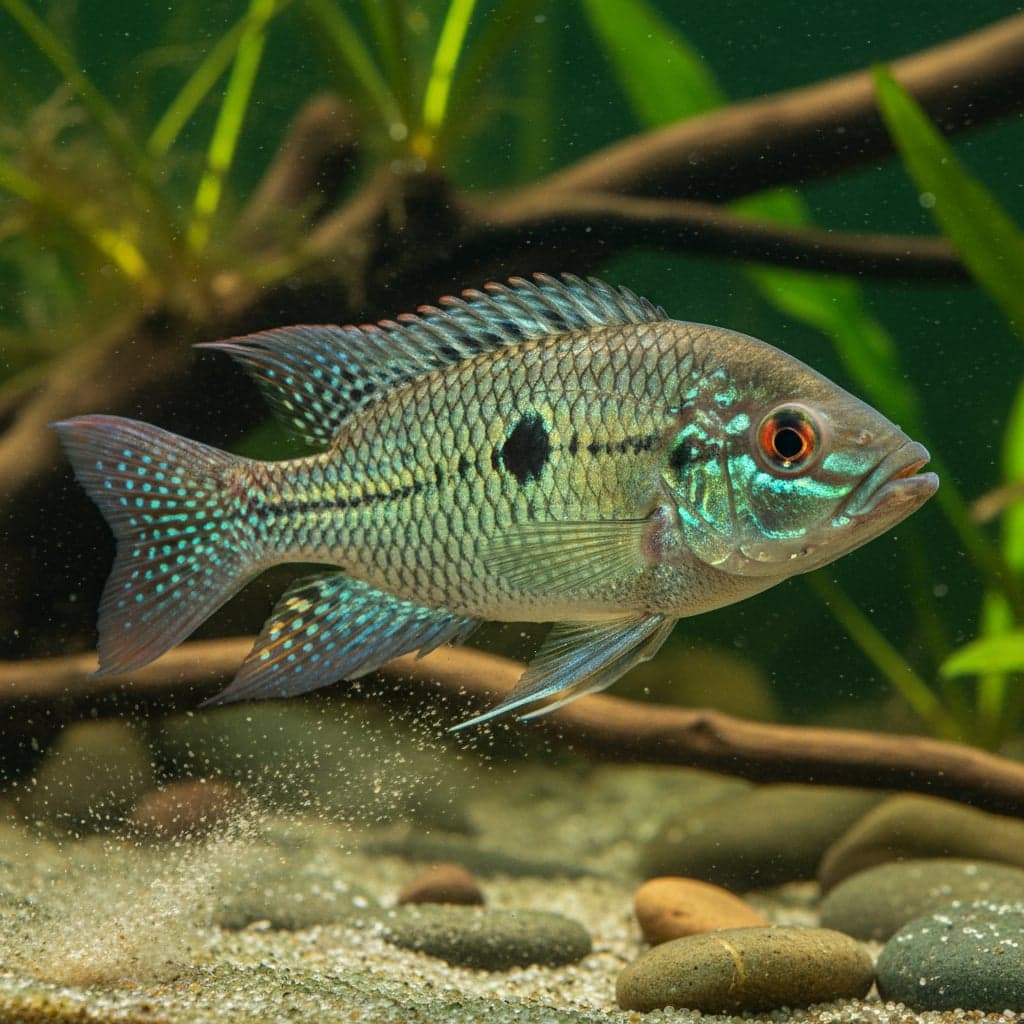
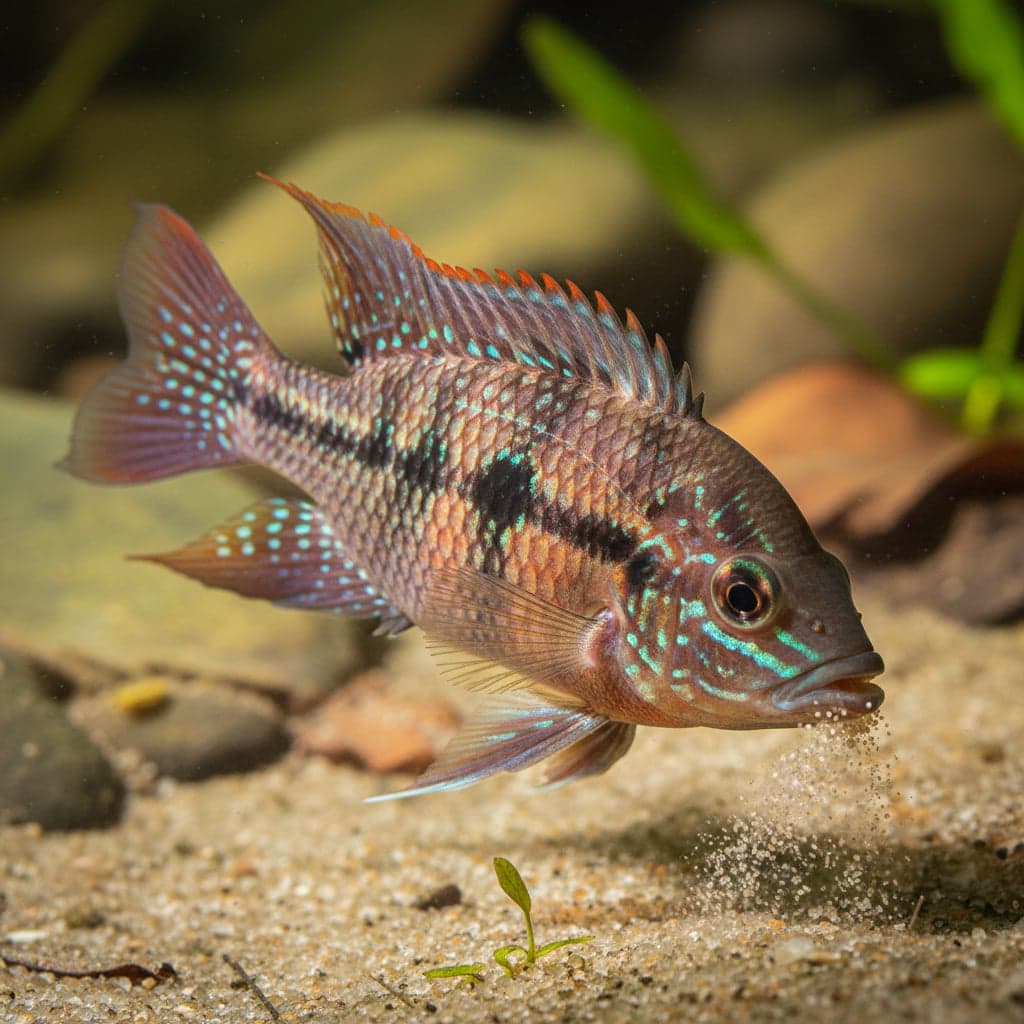
Banded Bichir: Polypterus delhezi
A striking bichir with bold black bands. One of the more attractive "dinosaur eels".

Banded Bichir
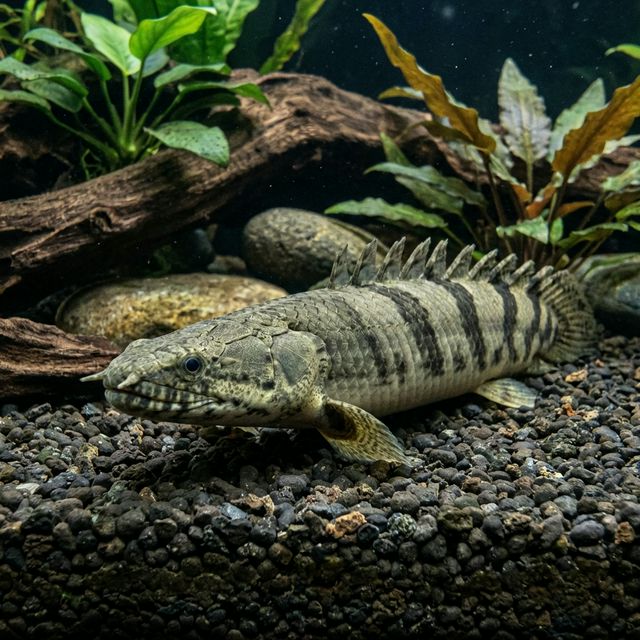
The Banded Bichir, scientifically known as Polypterus delhezi, is an intriguing freshwater fish that captivates aquarists with its unique morphology and ancient lineage. This species showcases a long, eel-like body adorned with distinct banding patterns in earthy tones of brown and yellow, allowing it to blend into its natural habitat. The combination of its pectoral fins and dorsal fin gives it a prehistoric appearance, as this fish is a member of the order Polypteriformes, which has existed for over 400 million years. Its visual appeal is enhanced by the ability of Banded Bichirs to adapt their coloration somewhat based on substrate and lighting, making each individual potentially unique in some respects.
In the aquarium hobby, the Banded Bichir holds significant importance due to its fascinating behavior and relatively easy care compared to other exotic fish. Enthusiasts admire the Bichir for its natural hunting instincts, as it glides smoothly along the substrate searching for food, often hunting at dusk or in low light. This fish not only serves as a stunning centerpiece in larger aquariums but also invites a sense of ancient history into modern aquaristic setups, making it a favorite among those who appreciate the convergence of aesthetics and biological heritage.
Natural Habitat & Origin
The Banded Bichir is native to the slow-moving rivers, lakes, and swamps of Central Africa, primarily found in countries such as the Democratic Republic of the Congo and Cameroon. Its preferred environmental conditions include areas with submerged vegetation and soft, sediment-rich substrates where it can seek shelter. Banded Bichirs thrive in blackwater and acidic waters characterized by low light penetration, which contributes to their unique adaptations for hunting and camouflage. In these habitats, they often encounter a diverse array of fauna, making exposure to different species integral to their natural development.
This fish's ecological importance also stems from its role as a predator within its environment, helping maintain balance in aquatic ecosystems by preying on smaller fish and invertebrates. The Banded Bichir has evolved to exhibit behaviors suited to life in these ebbed waters, often taking to the surface to gulp air, thanks to a unique respiratory adaptation that allows it to breathe atmospheric oxygen—a vital adaptation in oxygen-depleted waters.
Care Requirements
Successful maintenance of Banded Bichirs requires careful attention to water parameters and tank setup. Ideally, the tank should maintain a pH level between 6.0 and 7.5, with a temperature range of 75°F to 82°F (24°C to 28°C). Hardness should be moderately soft to moderately hard, ideally in the range of 5-20 dGH. The minimum tank size for a single Banded Bichir should be at least 75 gallons; larger is preferable due to their potential size of up to 12 inches and their propensity to require ample swimming space.
When setting up the environment for Banded Bichirs, it is beneficial to use a soft substrate, such as fine sand or gravel, that allows the fish to forage naturally. The addition of driftwood, rocks, and live or silk plants offers essential hiding spots for the Bichir, reducing stress and promoting natural behaviors. Lighting should be subdued, mimicking the dim conditions of their natural habitat, ideally employing subdued or gentle LED lights. Regular maintenance is necessary to keep water conditions stable, as quality is crucial for the health of this species.
Diet & Feeding
Banded Bichirs are primarily carnivorous but also display some omnivorous tendencies, requiring a varied diet to ensure optimal health. In captivity, they thrive on a diet consisting of high-quality sinking pellets, frozen foods such as bloodworms, brine shrimp, and a variety of live prey. When offering flakes, select those specially formulated for carnivores or provide a mixture of both flakes and pellets for balanced nutrition. It is essential to provide a diet rich in protein and nutrients to mimic their natural hunting behavior while ensuring they receive the vitamins required for healthy growth and development.
Feeding should occur 2-3 times a week, being careful not to overfeed, as Banded Bichirs can be prone to obesity. It is also ideal to observe their feeding behaviors, as some individuals may prefer live foods over prepared diets. Ensuring a varied diet will not only keep the Banded Bichir healthy but also active and engaging in their environment.
Behavior & Temperament
Banded Bichirs are known for their unique and interesting behavior. They are generally considered to be relatively peaceful but may display territorial tendencies, especially during feeding or if they feel threatened. While they can be kept in a community tank, these fish are solitary and prefer their own space, making them less suitable for smaller environments with aggressive tank mates. They are primarily nocturnal and tend to be more active during dawn and dusk, resting and hiding during the day.
In terms of placement within the tank, Banded Bichirs exhibit a tendency to stay close to the substrate, using the bottom levels to explore and forage. Occasionally, they may swim towards the mid-level of the aquarium, especially when hunting or when they perceive their territory in place. Observing their movement patterns and interactions with their environment can provide insight into their health and well-being.
Tank Mates
When selecting tank mates for Banded Bichirs, it is essential to consider their size and temperament. Compatible species typically include medium to large freshwater fish that are similarly peaceful in nature. Consider adding species such as:
- African cichlids (in larger setups)
- Larger tetras like Congo tetras
- Rainbowfish
- Catfish such as the Raphael Catfish
- Larger Gouramis
It is crucial to avoid smaller fish, particularly those that are brightly colored or fin-nipping species, as Banded Bichirs may see them as potential prey. Additionally, aggressive and territorial species can cause stress or injury to the Banded Bichir. Always ensure tank mates are chosen carefully, considering the individual temperament of each fish.
Breeding
Breeding Banded Bichirs in captivity can be challenging, as they are paternal mouthbrooders, which requires specific conditions for successful spawning. They typically require a separate breeding tank that mimics their natural habitat with plenty of hiding spots, soft substrate, and slightly lower pH water. The temperature should be slightly elevated, ideally at the higher end of their range (around 80°F).
When preparing for breeding, conditioning the fish with a high-protein diet is essential. Spawning usually occurs when the female releases eggs, which the male fertilizes and then collects into his mouth for incubation. After several days, the fry will emerge, and it is critical to provide them with appropriate food, such as infusoria or micro-worms, until they are large enough to consume finely crushed flakes or small live foods.
Common Health Issues
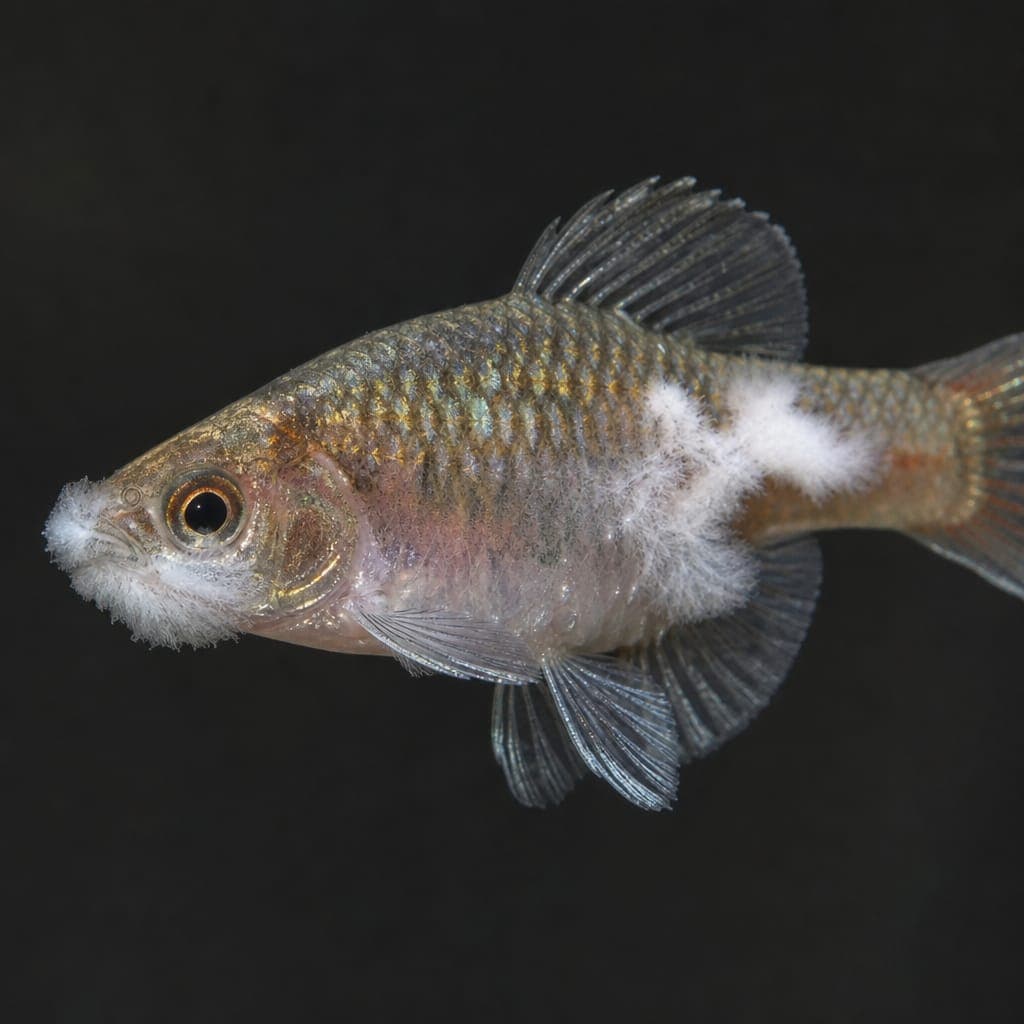
Like many aquarium fish, Banded Bichirs can be susceptible to several health issues, primarily linked to poor water quality or high stress levels. They may face problems such as ich (a parasitic infection), fin rot, or fungal infections. Regular water testing and maintenance are crucial in prevention, ensuring that ammonia, nitrite, and nitrate levels remain low.
Stress-related issues can be mitigated by providing an environment that includes adequate hiding spaces and compatible tank mates. Tank conditions should remain stable, with gentle filtration and a secure lid, as these air-breathing fish can escape. Quarantine new arrivals and treat ich or fin rot promptly with aquarium-safe medications. A varied diet and low-stress setup keep Banded Bichirs healthy and active for years.