Banded Gourami: Trichogaster fasciata
A large, peaceful gourami, long sold under its former name Colisa fasciata. Good for larger community tanks.
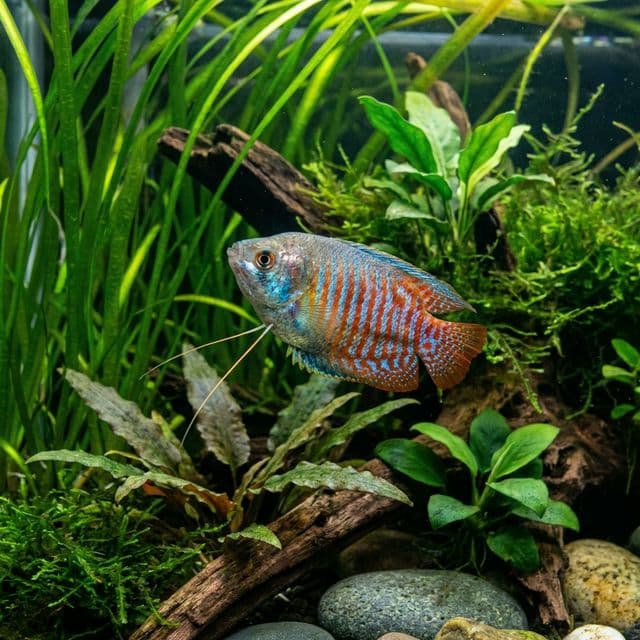
Banded Gourami
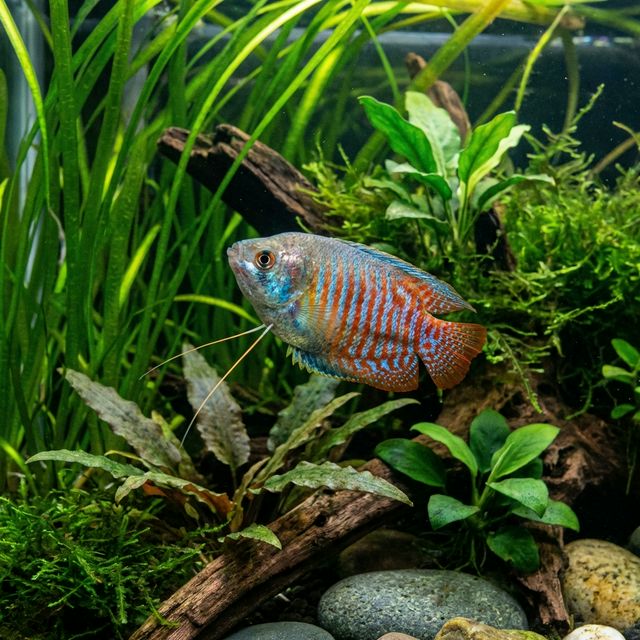
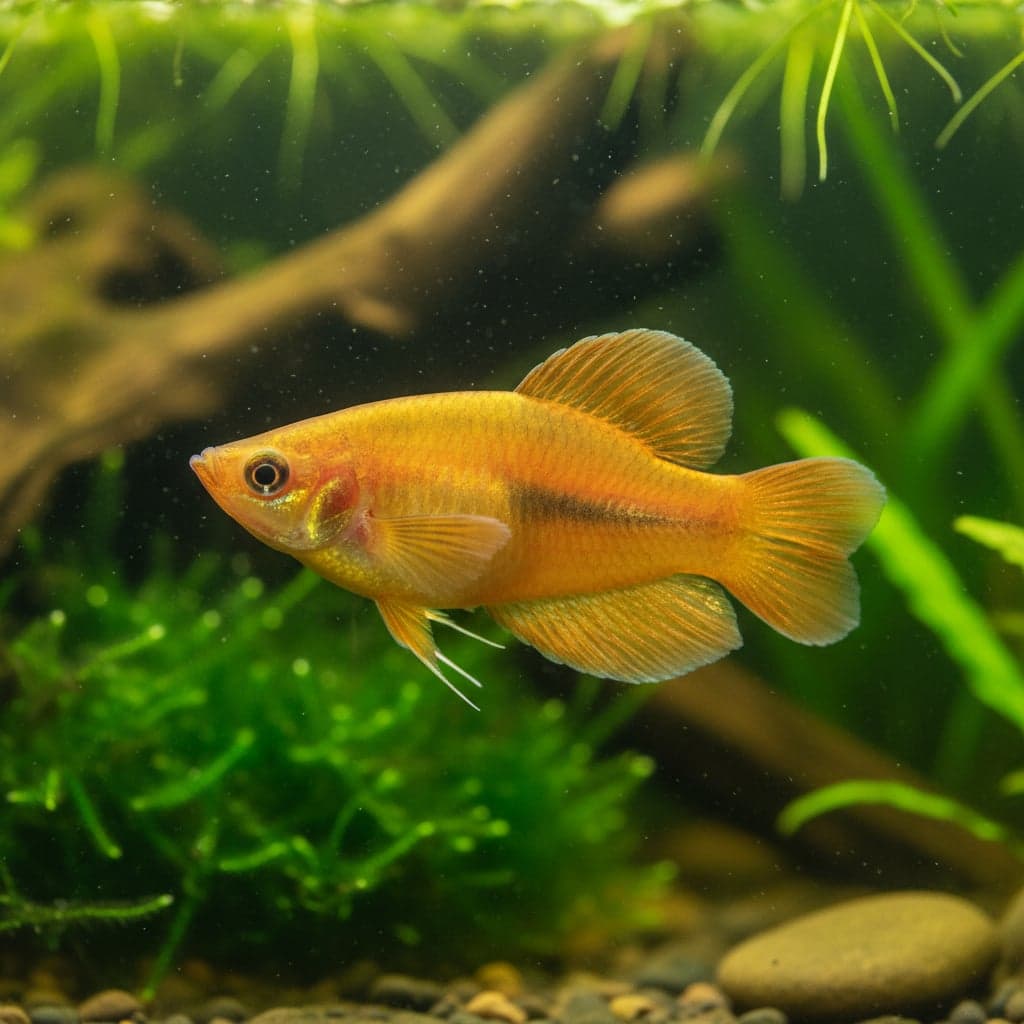
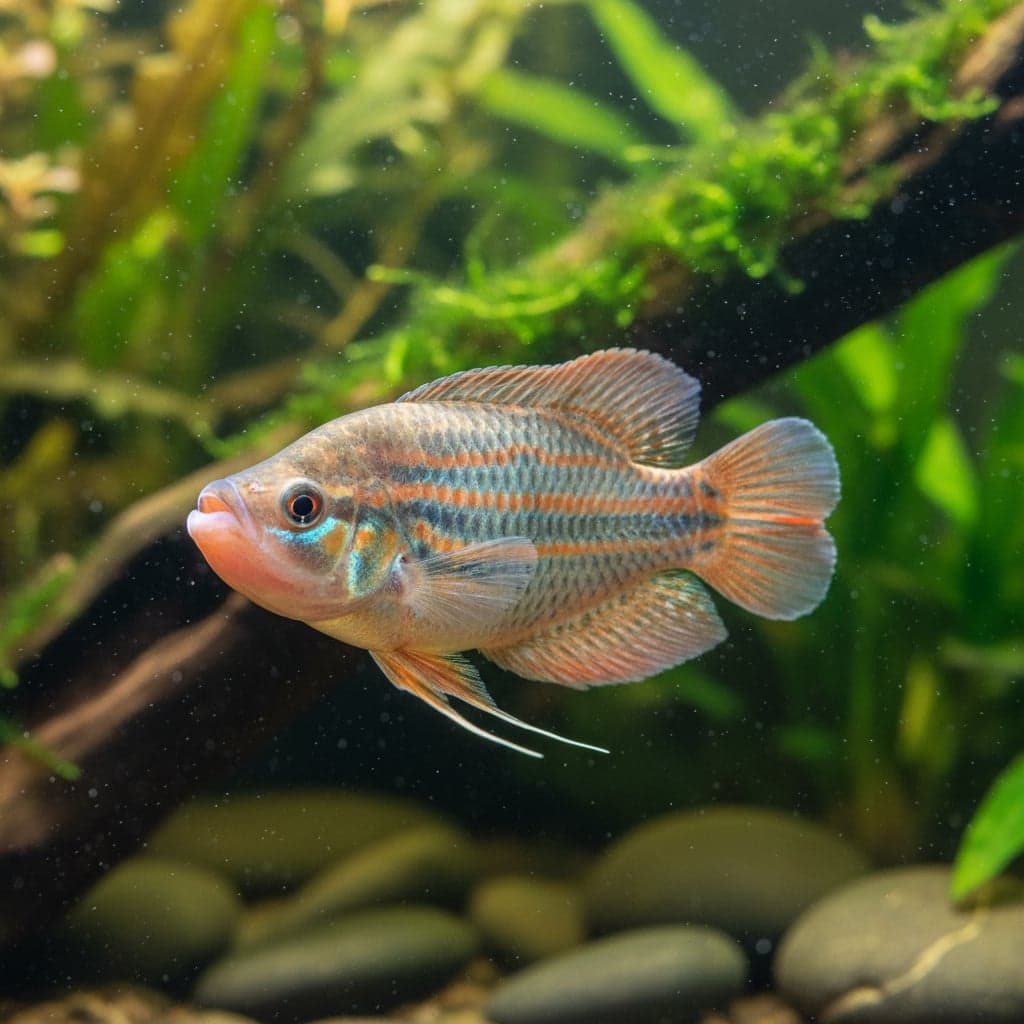
The Banded Gourami, scientifically known as Trichogaster fasciata, is a striking freshwater fish that has captured the hearts of aquarists worldwide. Renowned for its vibrant colors and unique markings, this gourami boasts a beautiful array of horizontal bands in shades of blue, green, and gold that shimmer under aquarium lights. This visual appeal, combined with their fascinating behaviors, makes the Banded Gourami a desirable addition to community tanks. Additionally, they possess an extraordinary labyrinth organ that allows them to breathe atmospheric air, further highlighting their unique physiological adaptations.
Significantly, the Banded Gourami holds an important place within the aquarium hobby, both for its aesthetic value and its interactive nature. As a peaceful, yet moderately curious fish, they can be engaging to observe, making them a cherished selection for both novice and experienced aquarists. Their adaptability to a variety of tank conditions, along with their relatively easy care requirements, has solidified their status as a staple among community fish.
Natural Habitat & Origin
The Banded Gourami is native to the lush freshwater lakes and swampy areas of Southeast Asia, particularly in countries like Thailand, Malaysia, and Indonesia. They thrive in warm, slow-moving waters that are often characterized by their high organic matter content and tannins, giving them a blackwater environment. Here, the nutrient-rich substrate filled with decaying plant matter aids in natural filtration and provides essential shelter. The presence of dense vegetation, submerged logs, and floating plants creates an ideal habitat, allowing the Banded Gourami to navigate and forage comfortably among the foliage.
These fish prefer shallow waters with gentle currents, often found in swampy regions or flooded forests. The tranquil nature of their natural habitat fosters a peaceful environment conducive to their growth and social interactions. As such, understanding their native conditions helps aquarists replicate a suitable environment in captivity, ultimately promoting the health and well-being of these captivating fish.
Care Requirements
To maintain optimal health, Banded Gouramis require well-maintained water parameters. Ideal pH levels range between 6.0 and 7.5, with a temperature preference of 24°C to 28°C (75°F to 82°F). Soft to moderately hard water, with a hardness of 5 to 15 dGH, is ideal for these fish. A well-filtered aquarium, free from debris and toxins, is essential, as they are sensitive to poor water quality.
In terms of tank setup, a minimum tank size of 75 liters (20 gallons) is recommended to provide adequate swimming space and territory. The substrate can range from fine gravel to sand, enhancing the natural aesthetic of the aquarium. Low to moderate lighting mimics their natural habitat, promoting the growth of lush aquatic plants like Java fern and Anubias, which also offer shelter and hiding spots. Decorative elements such as driftwood and rocky outcrops add to the complexity of their environment and enhance their visual appeal.
Diet & Feeding
As omnivores, Banded Gouramis have a diverse diet that can include a combination of plant matter and protein. They thrive on high-quality flake foods or pellets designed for tropical fish. Supplementing their diet with frozen or live foods, such as bloodworms, brine shrimp, and daphnia, will enhance their color and vitality. Additionally, including blanched vegetables like zucchini or spinach can provide necessary fiber and nutrients. Regular feeding 2-3 times a day ensures they receive adequate nutrition, promoting healthy growth and vibrant colors.
Behavior & Temperament
Banded Gouramis exhibit peaceful and sociable behavior, making them excellent candidates for community tanks. They are best kept in groups of 3 or more to display their natural schooling behavior, but care should be taken as they may show mild territoriality, especially during breeding times. Within the aquarium, they generally inhabit the mid to upper levels of the tank, often exploring floating plants and decorations. Although they may display slight aggression towards one another, particularly males, it is typically non-violent and can be managed by ensuring ample space and hiding places.
Tank Mates
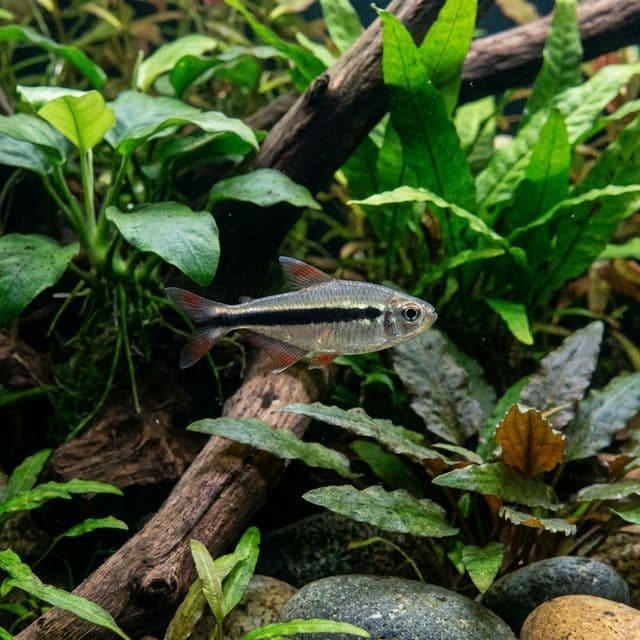
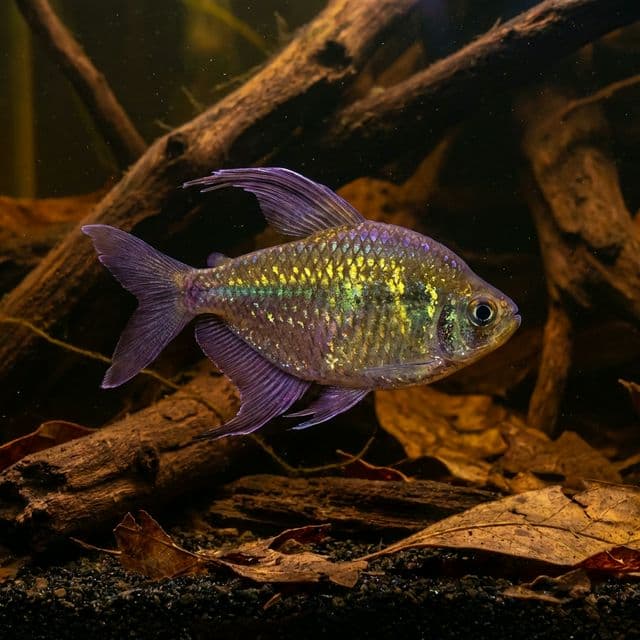
The Banded Gourami can cohabit well with a variety of peaceful species. Compatible tank mates include tetras (such as Neon Tetras), rasboras, Corydoras catfish, and peaceful barbs. Additionally, species like small fish of the characin family or other peaceful labyrinth fish, such as Dwarf Gouramis, can make excellent companions. However, it is advisable to avoid aggressive or fin-nipping species like Cichlids, larger Barb species, or aggressive catfish, as they may stress or harm the Banded Gourami.
Breeding
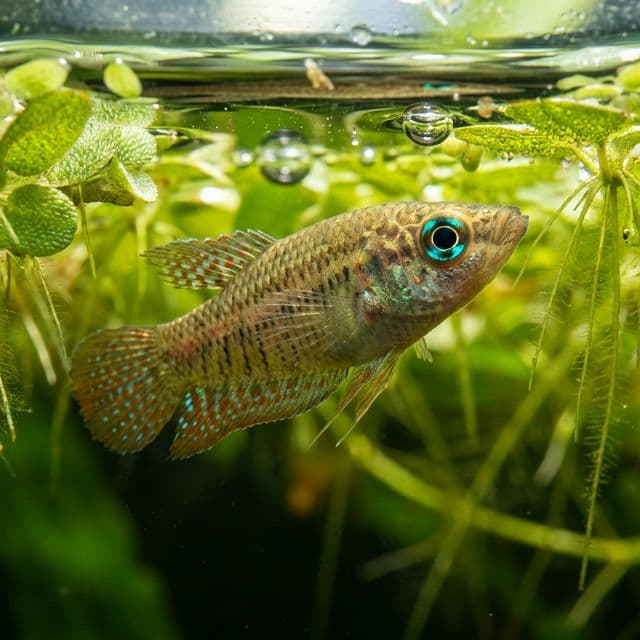
Breeding Banded Gouramis in captivity can be a rewarding experience, provided environmental conditions are optimal. They are bubble-nest breeders, so creating a well-planted aquarium with floating vegetation is crucial to encourage spawning behavior. The water temperature should be increased slightly to around 28°C (82°F), and the pH should remain at approximately 6.5. During the breeding process, males become vibrant and engage in courtship displays, often building a bubble nest at the surface. After spawning, the female lays eggs, which the male will protect. Once the eggs hatch, the male should be removed to prevent aggression towards the fry who will need to be fed infusoria or finely crushed flakes as they mature.
Common Health Issues
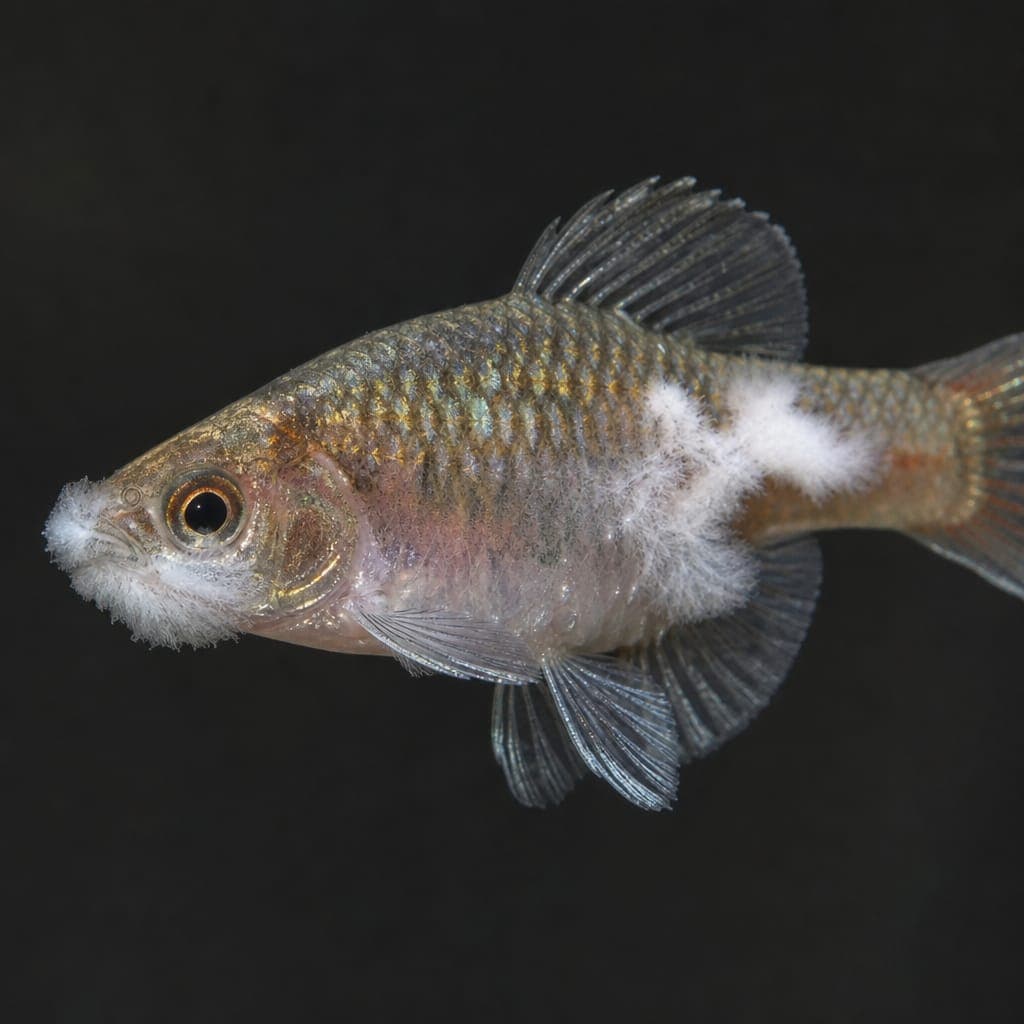
Though generally hardy, Banded Gouramis can be susceptible to certain health issues. Common ailments include ich (white spot disease), fin rot, and various fungal infections. Poor water quality, stress, and inadequate diet can exacerbate these issues. To prevent health problems, maintain stable water parameters, perform regular water changes, and provide a balanced diet rich in nutrients. Quarantining new arrivals before introducing them to the main tank can also help maintain overall fish health. Regularly monitoring the tank conditions and observing the fish for any changes in behavior will ensure a thriving aquatic environment.