Banded Leporinus: Leporinus fasciatus
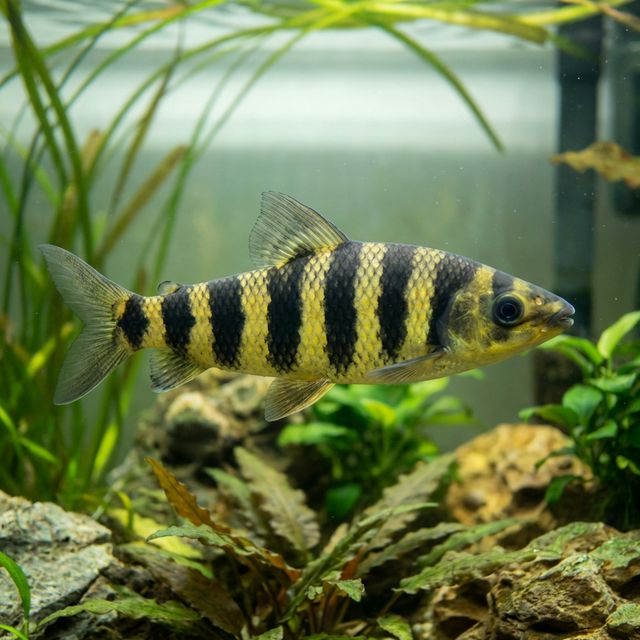
A large, striped characin that looks like a giant yellow jacket. Known for jumping and eating plants.
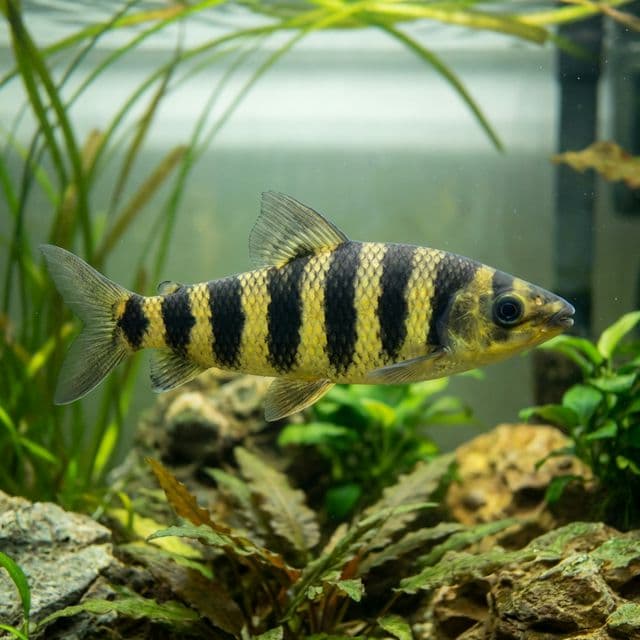
Banded Leporinus
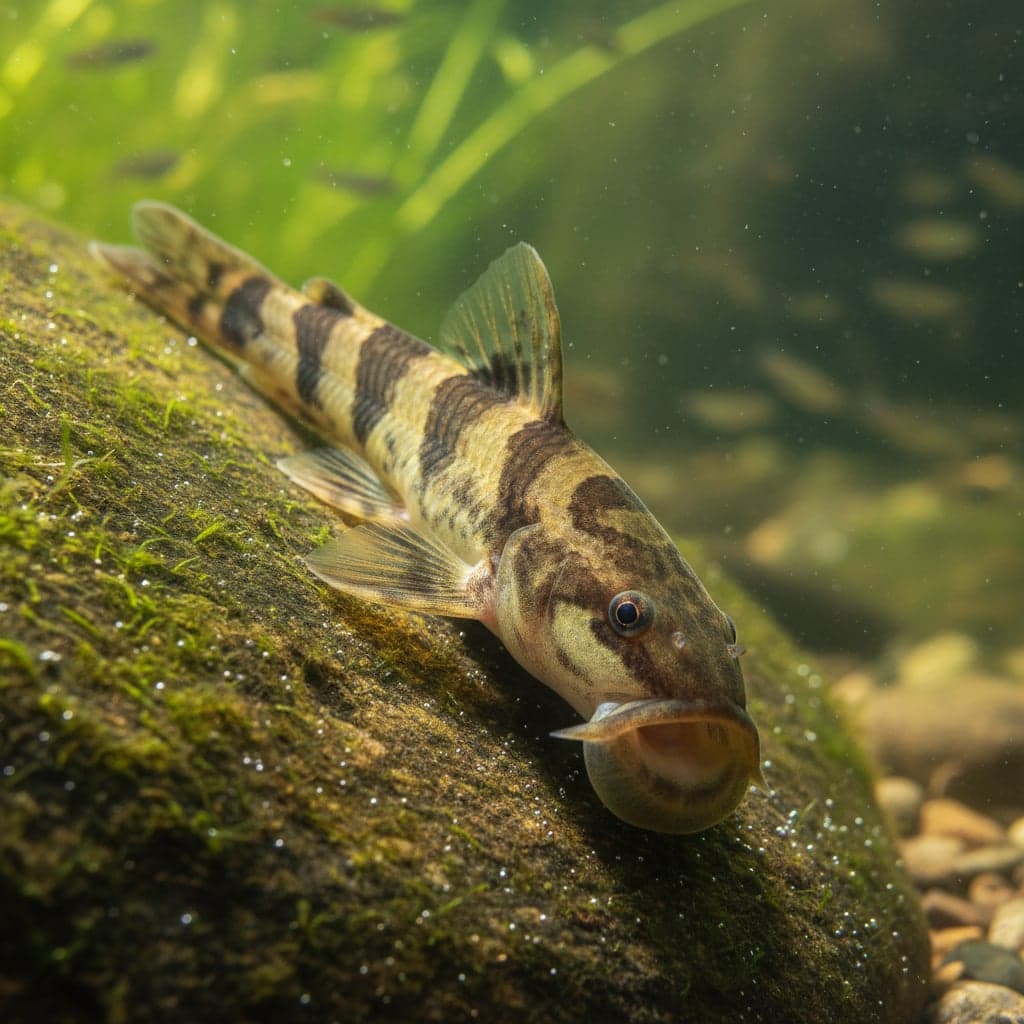
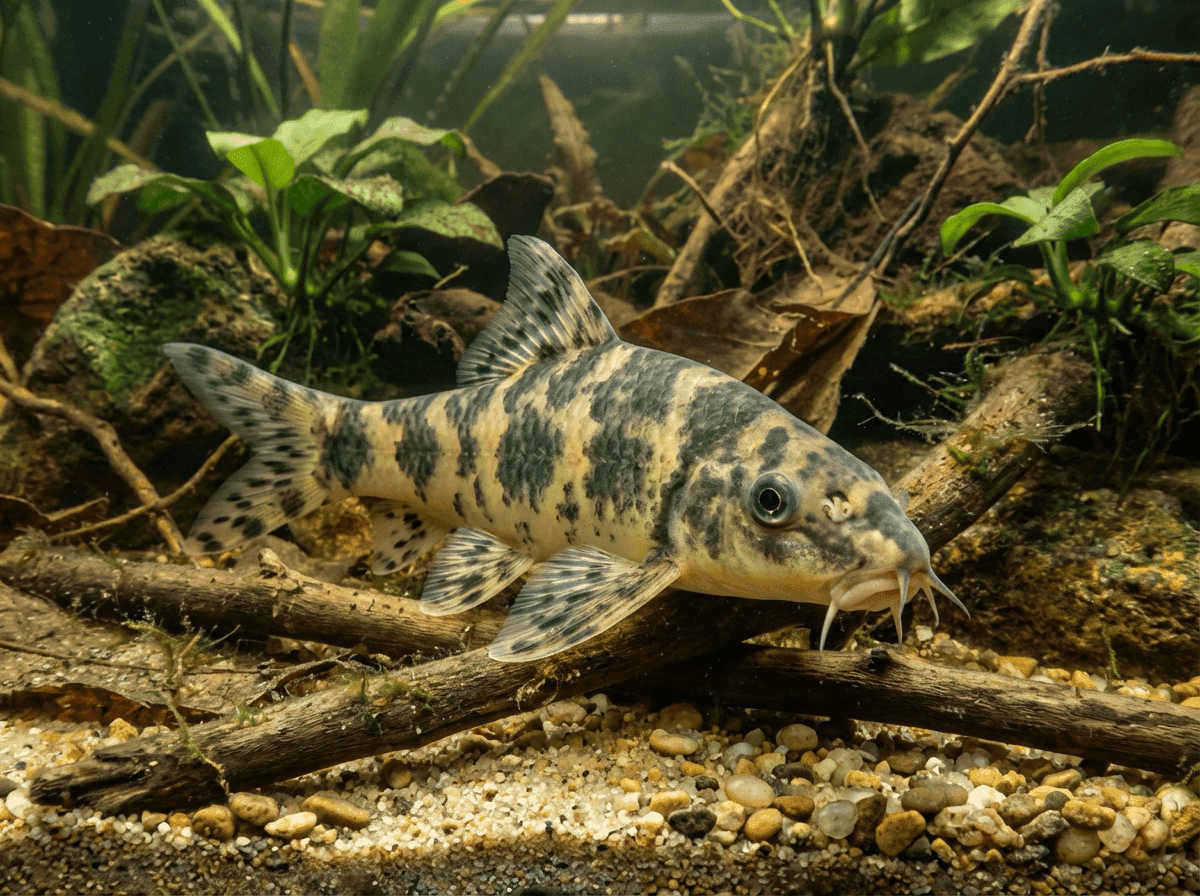
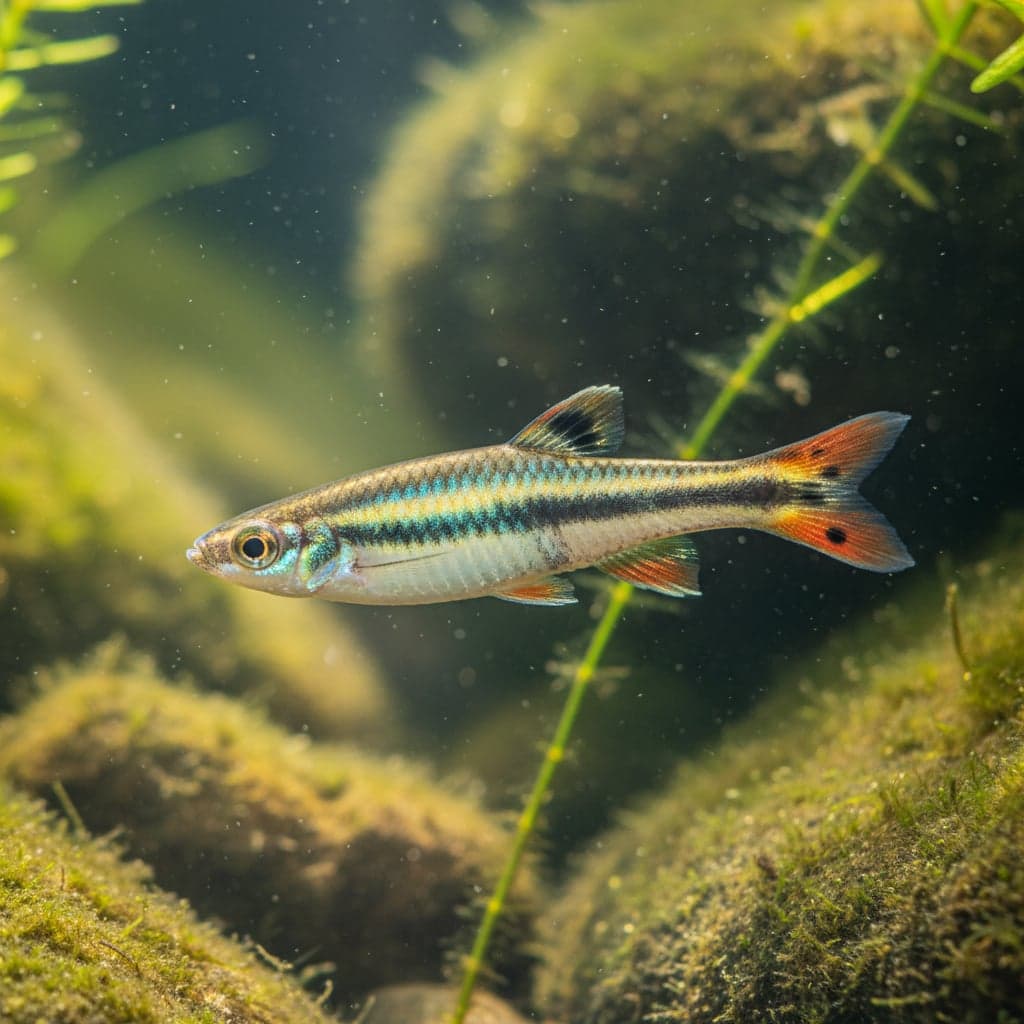
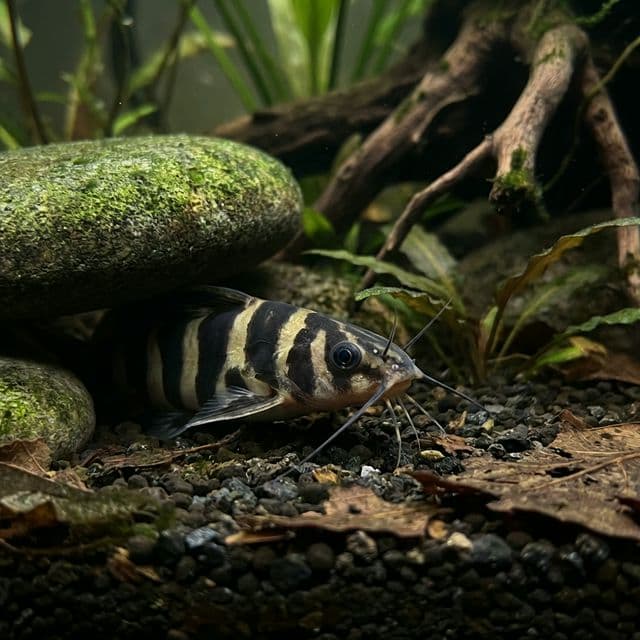
The Banded Leporinus (Leporinus fasciatus) is a striking freshwater fish native to the waterways of South America, particularly in the Amazon River Basin. Known for its distinct black vertical stripes against a silvery body, this fish can reach lengths of up to 12 inches (30 cm) in captivity. The vivid coloration and unique patterns of the Banded Leporinus make it a centerpiece in aquascapes, capturing the attention of both hobbyists and casual observers alike. Their lively behavior and engaging social interaction also add to their popularity in the aquarium hobby, as they are known to be active swimmers that thrive in well-established ecosystems.
The Banded Leporinus is significant within the aquarium community not only due to its aesthetic appeal but also because it represents a fascinating family of fish known as the Leporinus. This genus includes various other species, each with unique adaptations and characteristics. With a broad range of ecological tolerance, the Banded Leporinus serves as an excellent choice for aquarists who wish to create a dynamic and vibrant tank environment. It often sparks interest among beginners as well as experienced aquarists looking to enhance their aquarium displays with a lively species that also boasts a manageable care profile.
Natural Habitat & Origin
The Banded Leporinus is primarily found in the Amazon River Basin, specifically in countries like Brazil, Peru, and Colombia. This region is characterized by an extensive network of rivers, streams, and flooded forests, creating a complex aquatic environment. The fish inhabits both clearwater and blackwater areas, showing a remarkable adaptability to varying water conditions. Typically, the Banded Leporinus prefers waters with abundant vegetation and submerged structures, which provide natural hiding spots and breeding grounds, essential for their social interaction and well-being.
The water in their natural habitat is often enriched with tannins from decaying plant matter, which contributes to its brownish coloration. The pH levels in these habitats usually fall between 6.0 and 7.5, with temperatures ranging from 24°C to 28°C (75°F to 82°F). The combination of warm temperatures, slightly acidic to neutral pH, and varied water chemistry underscores the need for aquarists to replicate these conditions to support the health and vitality of the Banded Leporinus in captivity.
Care Requirements
When considering the care for a Banded Leporinus, it is crucial to replicate their natural environment adequately. Ideal water parameters for this species include a pH range of 6.0 to 7.5, a temperature of 24°C to 28°C (75°F to 82°F), and moderately soft to moderately hard water (3-12 dGH). A well-maintained filtration system is vital to keep the water clean and well-oxygenated, as these fish are sensitive to poor water quality.
For tank setup, a minimum size of 30 gallons is recommended, particularly to accommodate their schooling behavior and ample swimming space. Substrates such as fine sand or smooth gravel are preferable, along with plenty of hiding spots facilitated by driftwood, rocks, and live plants. Banded Leporinus thrive under moderate lighting, which not only supports plant growth but also simulates their natural habitat. Including dense vegetation mimics their environment and provides them with cover, necessary for reducing stress and promoting natural behaviors.
Diet & Feeding
Banded Leporinus are considered omnivores, which means their diet can incorporate both plant-based and protein-rich foods. In captivity, they require a varied diet to maintain optimal health. High-quality flake or pellet foods designed for herbivorous fish are excellent staples, complemented by supplementary feedings of frozen or live foods such as brine shrimp, bloodworms, and daphnia. Additionally, vegetables such as blanched zucchini, spinach, and peas can enhance their diet while providing necessary fibers.
It is advisable to feed them small quantities multiple times a day rather than one large serving, as this mimics their natural foraging behavior and helps prevent overfeeding. Observing their response to food and adjusting portions accordingly is important to keep them healthy and active.
Behavior & Temperament
Banded Leporinus are known for their lively and engaging behavior. They often display social schooling habits, preferring to be kept in groups of at least five individuals. This not only helps mitigate stress but also promotes their social structure behaviors typical of their species. While they can exhibit playful and semi-aggressive tendencies, they are generally peaceful, as long as they are housed with similarly-sized tank mates.
In terms of vertical placement within the aquarium, Banded Leporinus tend to swim throughout the tank but are frequently seen occupying the middle levels. They appreciate space to swim freely and can become territorial, particularly during breeding. To ensure a thriving community, aquarists should provide ample space and hiding spots to diffuse potential disputes among tank mates.
Tank Mates
When selecting tank mates for the Banded Leporinus, it is essential to focus on species that share similar size and temperamental characteristics. Compatible companions include larger tetras (like the Serpae or Blackskirt tetra), barbs (such as the Tiger Barb), larger rasboras, and certain species of cichlids, such as the peaceful community varieties. Danios and larger catfish can also coexist amiably, offering a well-rounded community setup.
Conversely, smaller or overly aggressive fish should be avoided, as Banded Leporinus may display territorial bullying behavior or consume smaller species due to their omnivorous diet. Avoid mixing them with fish like small livebearers (such as guppies) or aggressive species like certain African cichlids that may provoke conflict or stress in the aquarium environment.
Breeding
Breeding Banded Leporinus in captivity can be a rewarding experience but does require attention to detail. These fish are known to spawn in the presence of appropriate water conditions and ample space. A separate breeding tank with a capacity of at least 20 gallons is recommended, with a slightly lower water level (around 12 inches) and well-oxygenated water.
To encourage breeding, the tank should have a dark substrate and several spawning sites, such as flat stones or spawning mops. Temperature should be elevated slightly (around 28°C or 82°F) to induce spawning behavior, while maintaining a pH in the range of 6.0 to 7.0. Once breeding occurs, the Banded Leporinus will scatter their eggs (which can number in the hundreds), typically without parental care. Eggs should hatch within 48-72 hours, after which fry can be fed infusoria or finely crushed flakes.
Common Health Issues
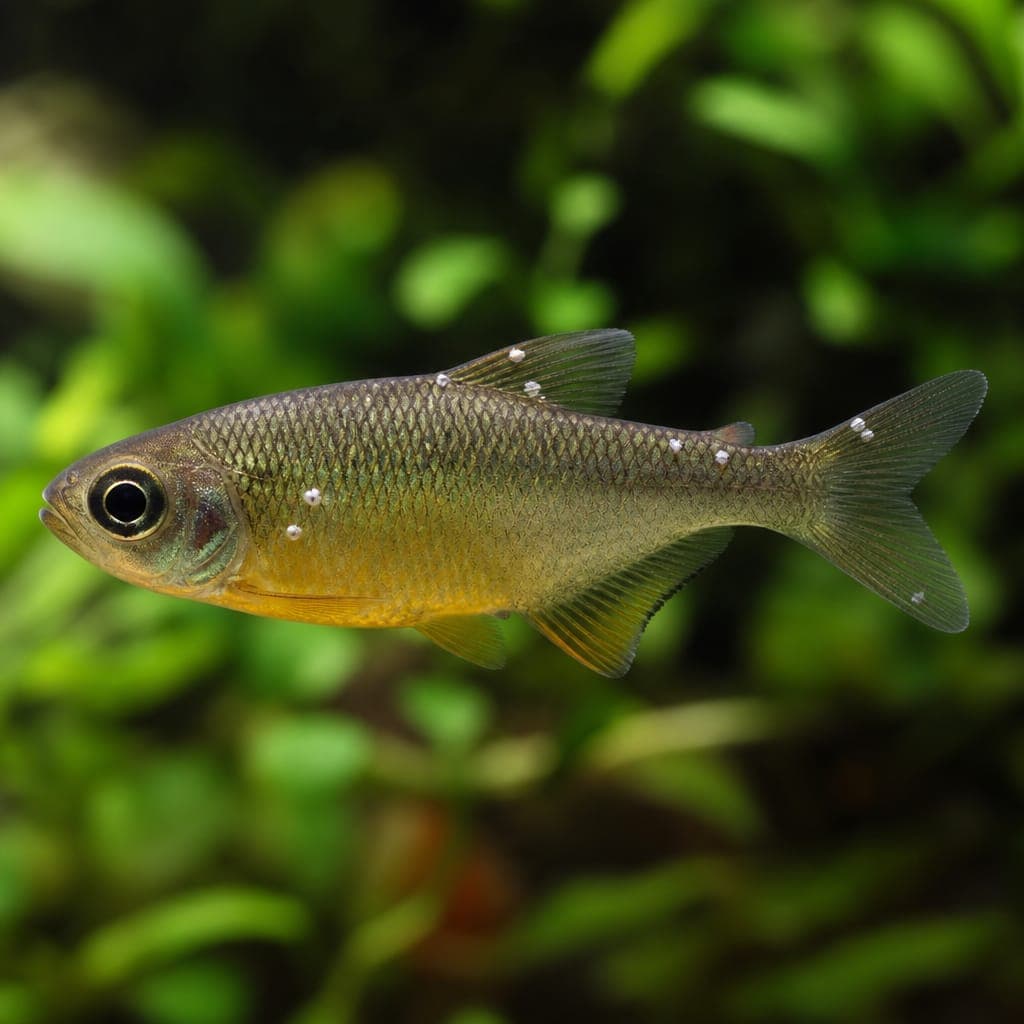
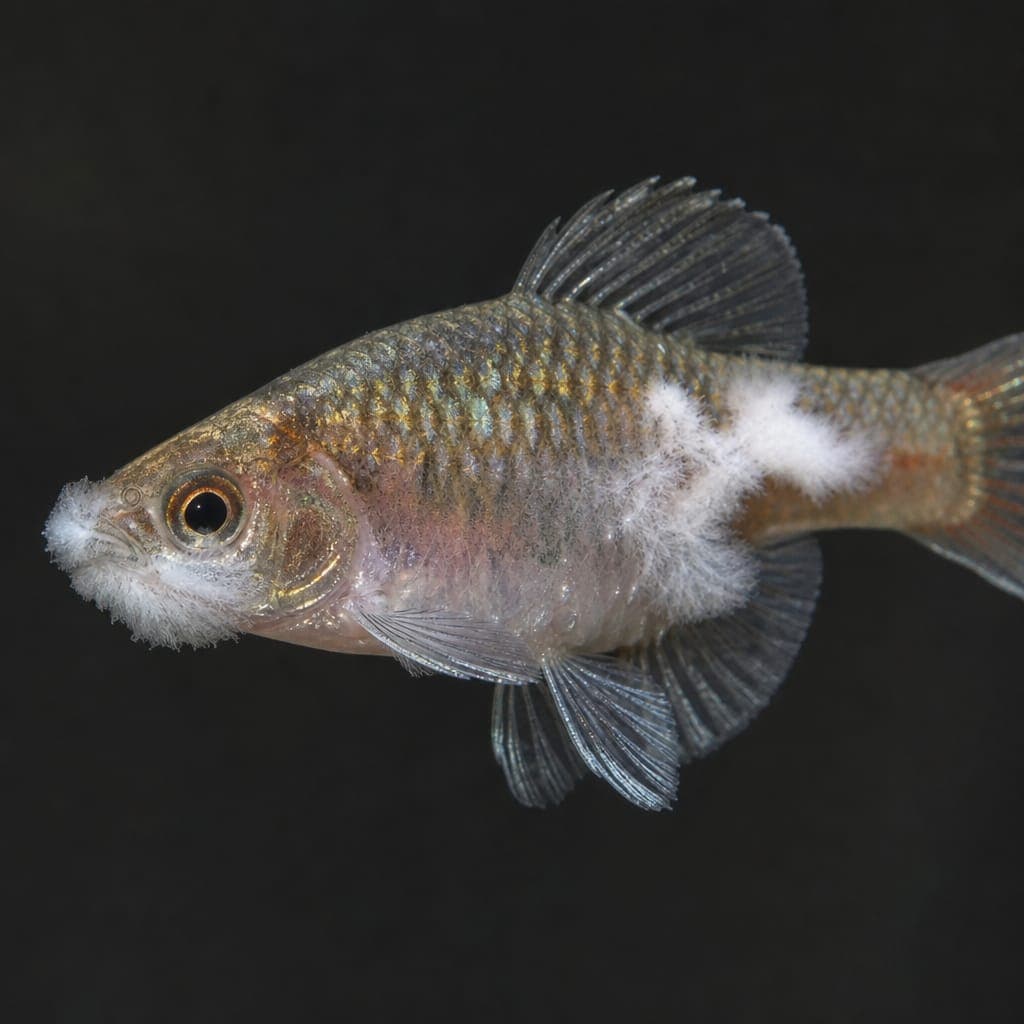
Banded Leporinus can be susceptible to several common health issues typically faced by freshwater fish. These include ich (Ichthyophthirius multifiliis), fin rot, and various forms of fungal or bacterial infections. To prevent these conditions, maintaining optimal water quality through regular changes and monitoring for any signs of stress or disease is crucial.
Observing for symptoms such as lethargy, loss of appetite, or unusual scratches against decor can help in early disease detection. Routine health checks and preventive treatments, such as using a high-quality antibacterial or anti-parasitic medication during stressful periods (e.g., water changes, transportation) can also help maintain their well-being. Quarantine new arrivals and address ich or fin rot promptly with aquarium-safe treatments. Stable water, a fiber-rich diet, and a proper group reduce stress and keep Banded Leporinus active, colorful, and healthy for years.