Bandit Cichlid: Guianacara spp.
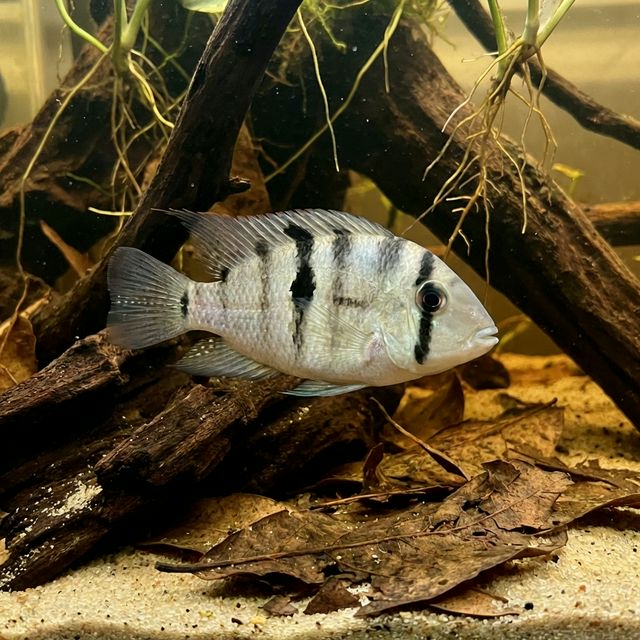
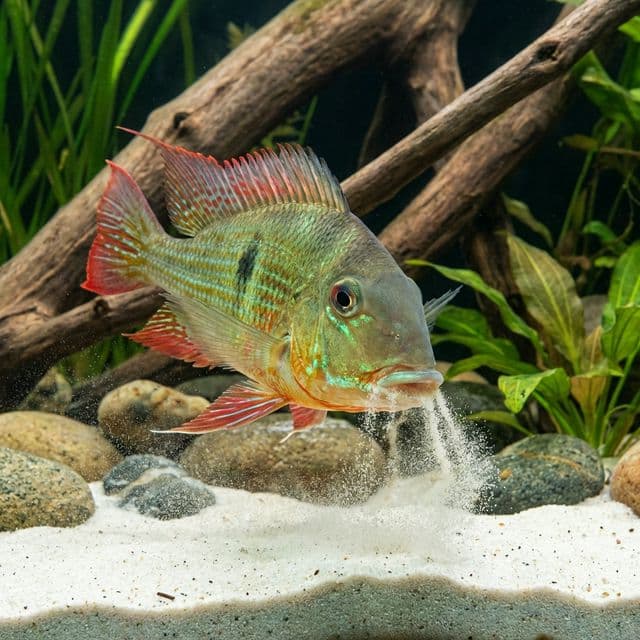
A peaceful Eartheater-type cichlid with a distinct black mask. Great for community tanks.

Bandit Cichlid
The Bandit Cichlid, scientifically known as Guianacara spp., is a captivating species that adds a touch of color and personality to any freshwater aquarium. With their striking patterns and hues, Bandit Cichlids display a unique combination of deep blues and yellows, often accented by bold black bands across their bodies. Their dainty, oval shape and hearty nature make them both visually appealing and a favorite among aquarists. This species is particularly significant in the aquarium hobby for its peaceful disposition and adaptability, which attracts both novice and experienced fish keepers alike. Bandit Cichlids stand out for their dynamic interaction patterns, which can provide endless fascination for observers.
In addition to their aesthetic value, Bandit Cichlids are noteworthy for their engaging behaviors. Known for their inquisitive nature, these fish tend to explore their environments thoroughly, displaying a variety of interesting social behaviors—including pairing off and nurturing their young. This species is not only revered for its visual attributes but also for its relatively easy care requirements, making it an excellent choice for hobbyists looking to diversify their tanks with South American cichlids. The Bandit Cichlid’s adaptability and compatibility with a range of tank mates further bolster its popularity within the community.
Natural Habitat & Origin
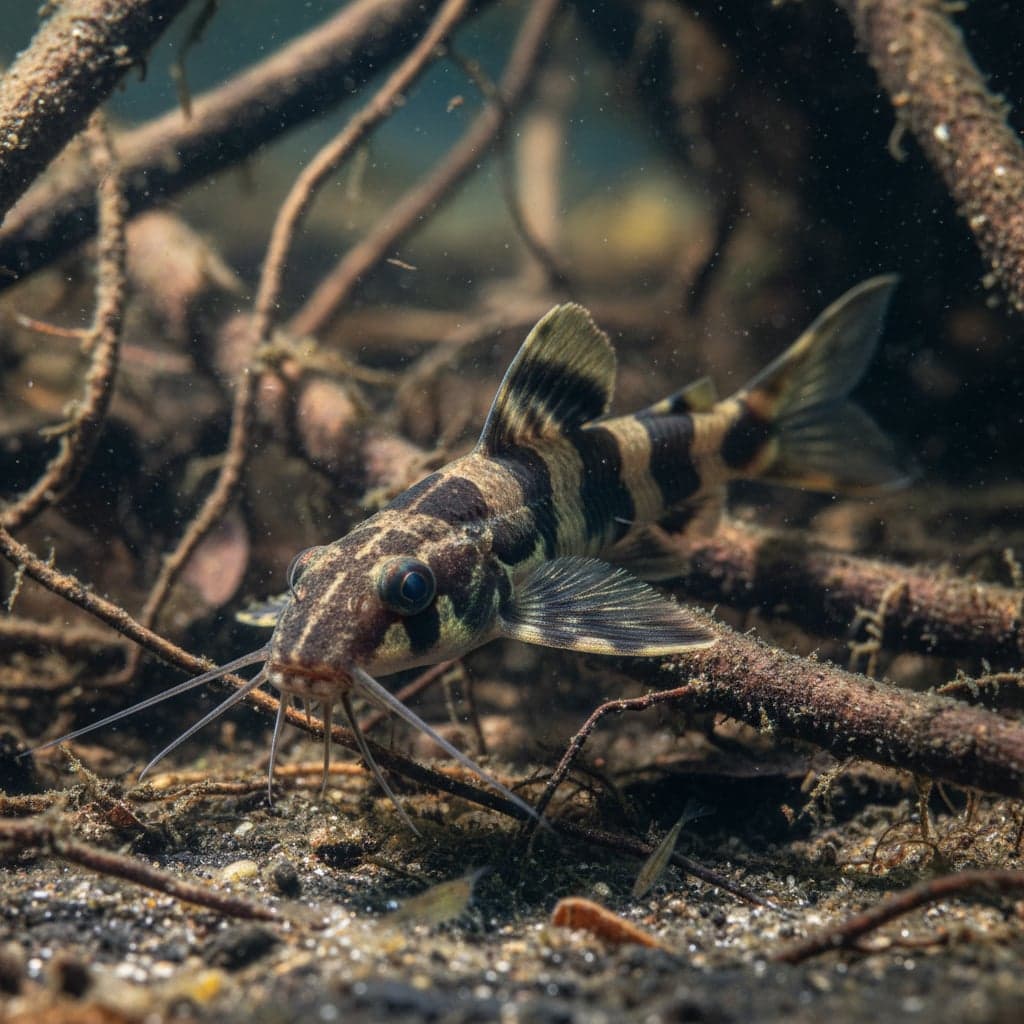
The Bandit Cichlid is native to the slow-moving waterways of the Amazon River basin in South America, particularly in countries like Guyana and Brazil. These fish inhabit a variety of environments, primarily within the clear and acidic waters of rivers and streams that weave through dense rainforests. The typical habitat of the Bandit Cichlid is characterized by an abundance of submerged vegetation, soft substrate, and structures such as driftwood, which provide essential hiding spots. The water in their natural habitat is often darkened by tannins from decaying organic matter, creating a shadowy environment that suits their shy demeanor.
In the wild, Bandit Cichlids favor shallow areas with ample cover, allowing them to thrive and reproduce successfully. The interplay of these environmental factors creates the ideal conditions for their growth and development. Understanding their natural habitat is crucial for aquarists, as it guides the creation of a similar environment within the aquarium, ensuring the health and well-being of these fascinating fish.
Care Requirements
To maintain the health and vitality of the Bandit Cichlid, specific water parameters must be met. The ideal pH range is between 6.0 and 7.5, with a temperature that should be kept between 76°F and 82°F (24°C to 28°C). The hardness of the water can vary from 5 to 15 dGH, simulating the soft water conditions of their natural habitat. When setting up a tank for these fish, a minimum size of 30 gallons is recommended to provide ample swimming space and reduce territorial disputes.
The tank setup should include a soft substrate, such as sand or fine gravel, to mimic the riverbed environment where they naturally reside. Incorporating driftwood, rocks, and live plants enhances the overall aesthetic and offers hiding spots, which are crucial for promoting security. Moderate lighting should be provided to allow plants to thrive while creating areas of shade that will make the Bandit Cichlid feel comfortable. Regular water changes, combined with a robust filtration system to manage waste and maintain stable conditions, are essential for successful long-term care.
Diet & Feeding
The Bandit Cichlid is classified as an omnivore, displaying a preference for a varied diet in captivity. To promote optimal health and color, a balanced nutrition regimen is essential. High-quality flakes and pellets designed specifically for cichlids are excellent foundational foods, providing the necessary vitamins and minerals. Additionally, incorporating frozen or live foods such as brine shrimp, bloodworms, and daphnia enhances their diet, ensuring they receive protein to support growth and vitality.
Feeding should occur 2-3 times daily, with portions that can be consumed within a few minutes to prevent overfeeding. Bandit Cichlids appreciate a diversity of food sources, stimulating their natural foraging instincts while contributing to their overall well-being. It is crucial to monitor weight and health, adjusting their diet as necessary to prevent obesity and nutrient deficiencies.
Behavior & Temperament
The Bandit Cichlid is regarded as a relatively peaceful species, displaying a friendly disposition towards appropriately sized tank mates. Unlike some of their more aggressive cichlid relatives, Bandit Cichlids exhibit a shy temperament, especially when newly introduced to a tank. They are typically bottom-dwellers, favoring the lower sections of the aquarium, but will also venture higher in search of food or during social interactions.
These fish thrive in pairs or small groups, often forming strong bonds, particularly during spawning periods. While they exhibit territorial behavior, this is generally manageable provided that their tank environment is spacious enough, with ample hiding spots. It is essential to observe their interactions to prevent conflicts, and aquarists should be prepared to intervene if aggression escalates.
Tank Mates
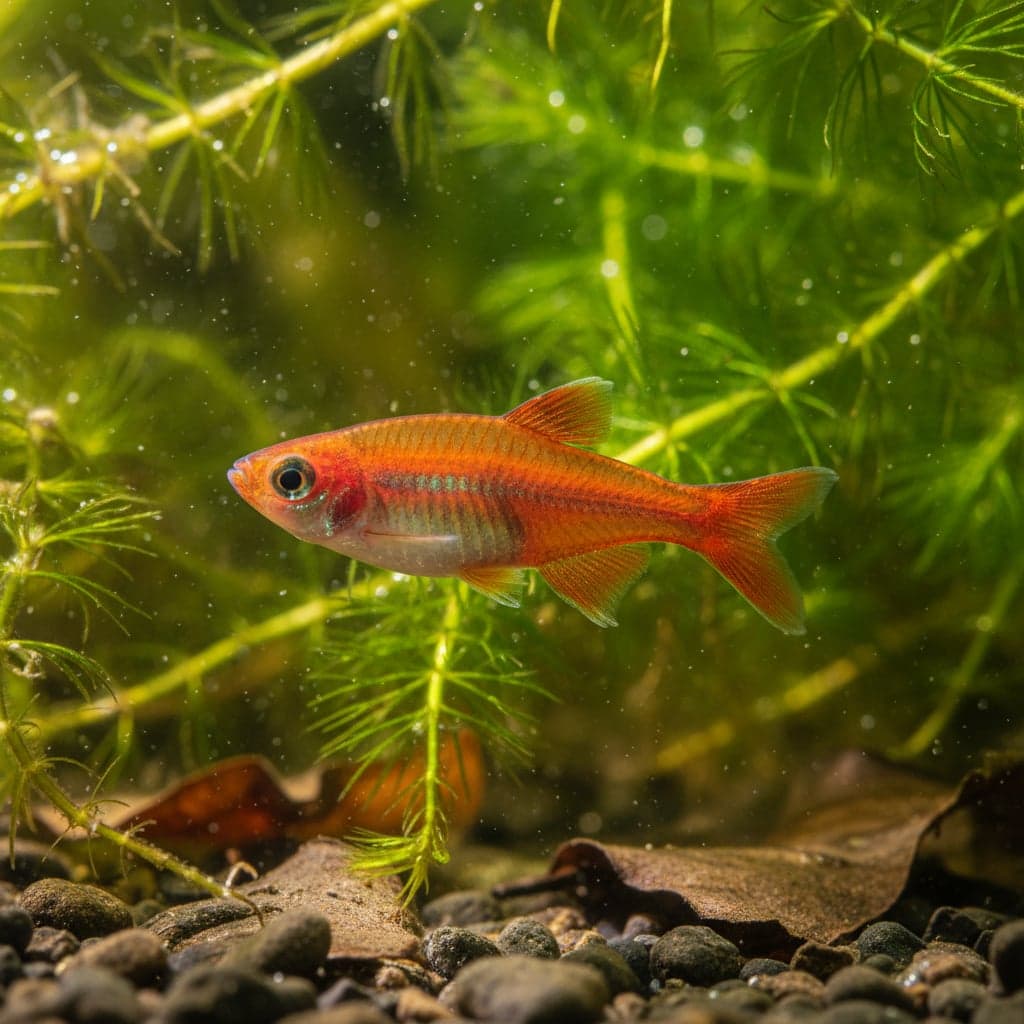
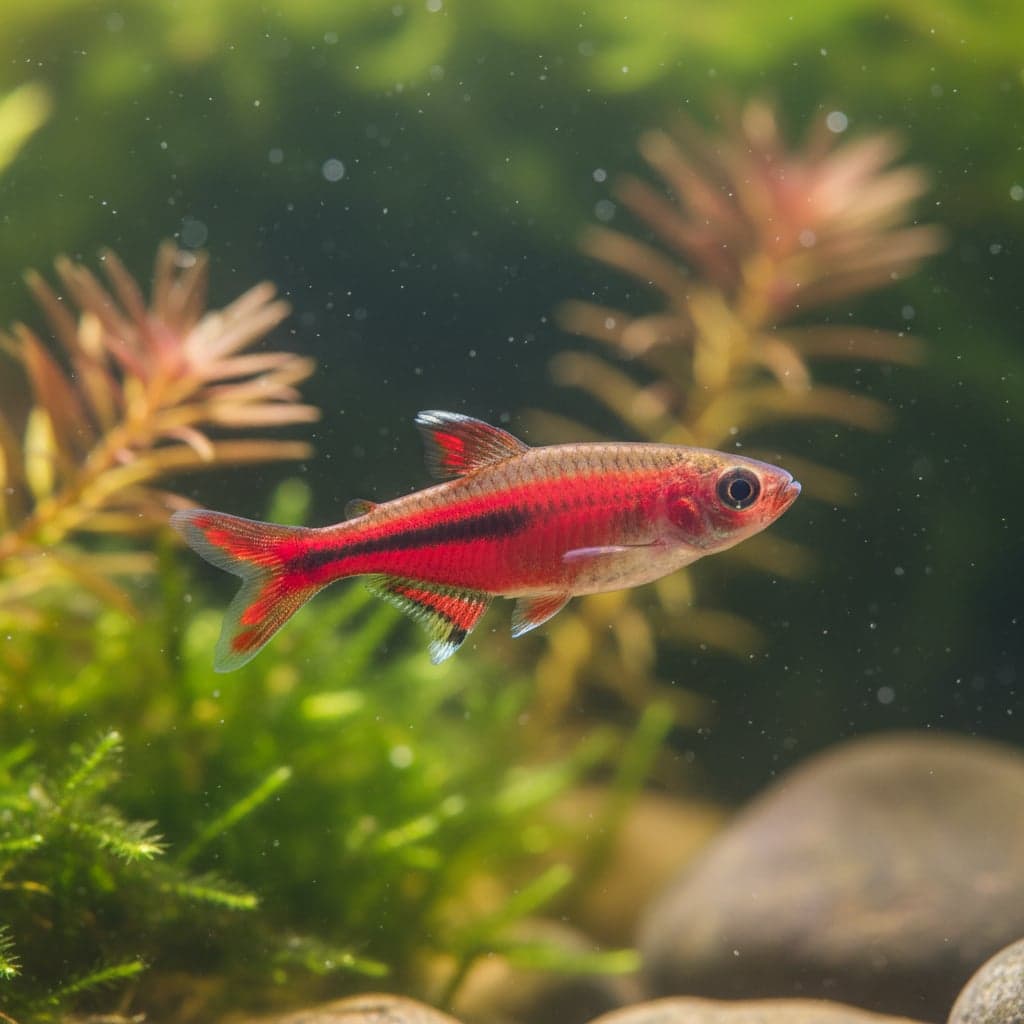
Creating a harmonious community tank for the Bandit Cichlid involves careful selection of compatible species. Suitable tank mates include peaceful fish such as tetras, rasboras, and smaller species of rainbowfish. Other cichlid species of similar temperament, like the Apistogramma or certain dwarf cichlids, can coexist well with Bandit Cichlids, given adequate space.
However, certain species should be avoided to prevent aggression or stress in the aquarium. Larger, more aggressive cichlid species, such as Oscars or jaguar cichlids, are not suitable companions. Additionally, very small fish may be viewed as prey, which can lead to harmful outcomes. It’s essential to ensure that all chosen tank mates complement the peaceful nature of the Bandit Cichlid for a successful community tank.
Breeding
Breeding Bandit Cichlids in captivity can be rewarding, provided that the right conditions are established. These fish are substrate-spawners, typically laying eggs on flat surfaces such as rocks or broad leaves. To stimulate breeding behavior, aquarists can slightly raise the temperature to around 80°F (27°C) and ensure they provide optimal water conditions and a varied diet.
Once a pair has formed, the female will lay several dozen eggs, which the male fertilizes. After spawning, both parents work together to defend the brood, showcasing nurturing behaviors. The eggs usually hatch within 3 to 4 days, and the fry can be fed infusoria or finely crushed flakes until they grow large enough for more substantial foods. Providing a spacious breeding environment with multiple hiding places will foster successful breeding and increase fry survival rates.
Common Health Issues
While generally hardy, Bandit Cichlids can be susceptible to several common fish diseases, including ich, fin rot, and various forms of parasitic infections. Maintaining stable water parameters through regular testing and water changes is critical for preventing these health issues. Additionally, ensuring that tank mates are healthy and that the aquarium is not overcrowded can reduce stress levels, which is a primary factor in the onset of illness.
Regular observation is crucial; any signs of distress or unusual behavior should prompt an evaluation of water quality and health conditions. Quarantining new fish and practicing good hygiene, such as cleaning equipment and substrates, can further minimize the risk of disease outbreaks. Early treatment and stable conditions keep Bandit Cichlids thriving.