Barred Spiny Eel: Macrognathus pancalus
A smaller spiny eel species. Peaceful and great for medium-sized community tanks.
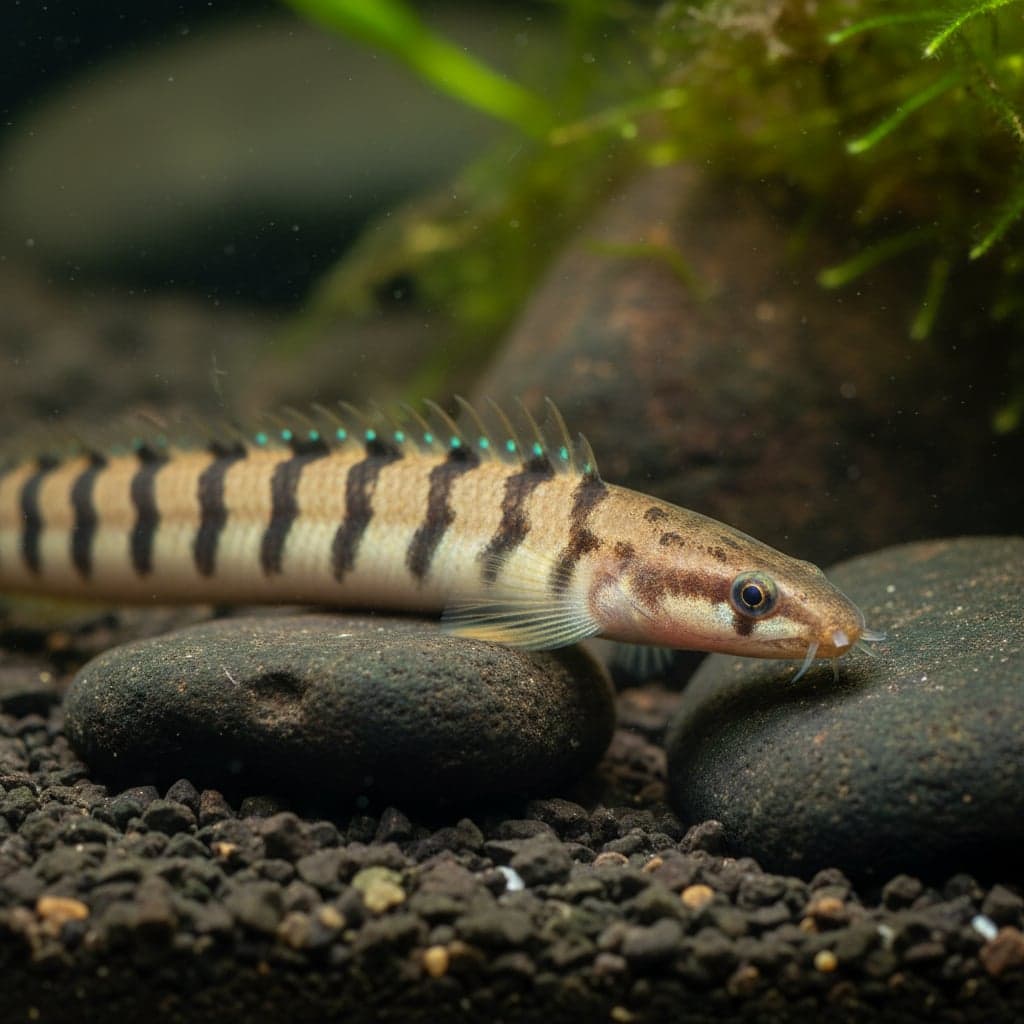
Barred Spiny Eel
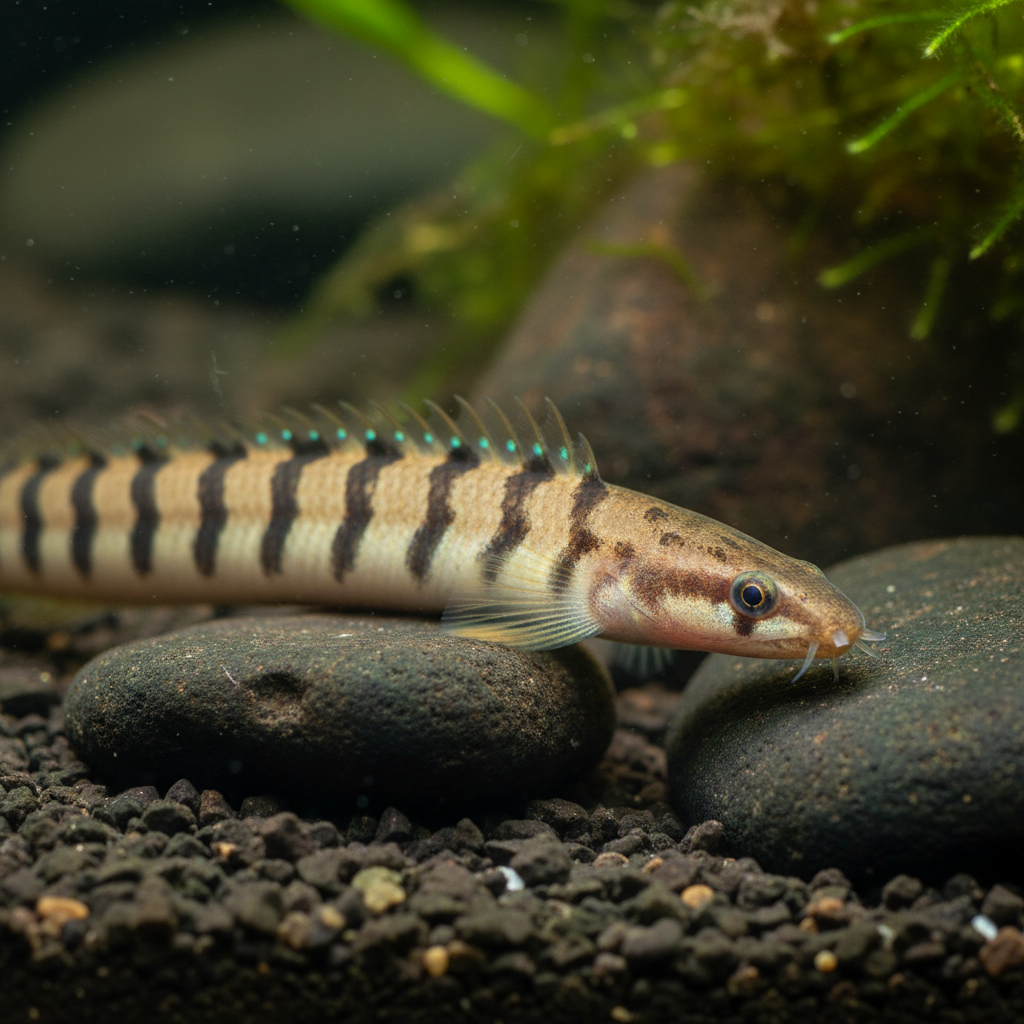
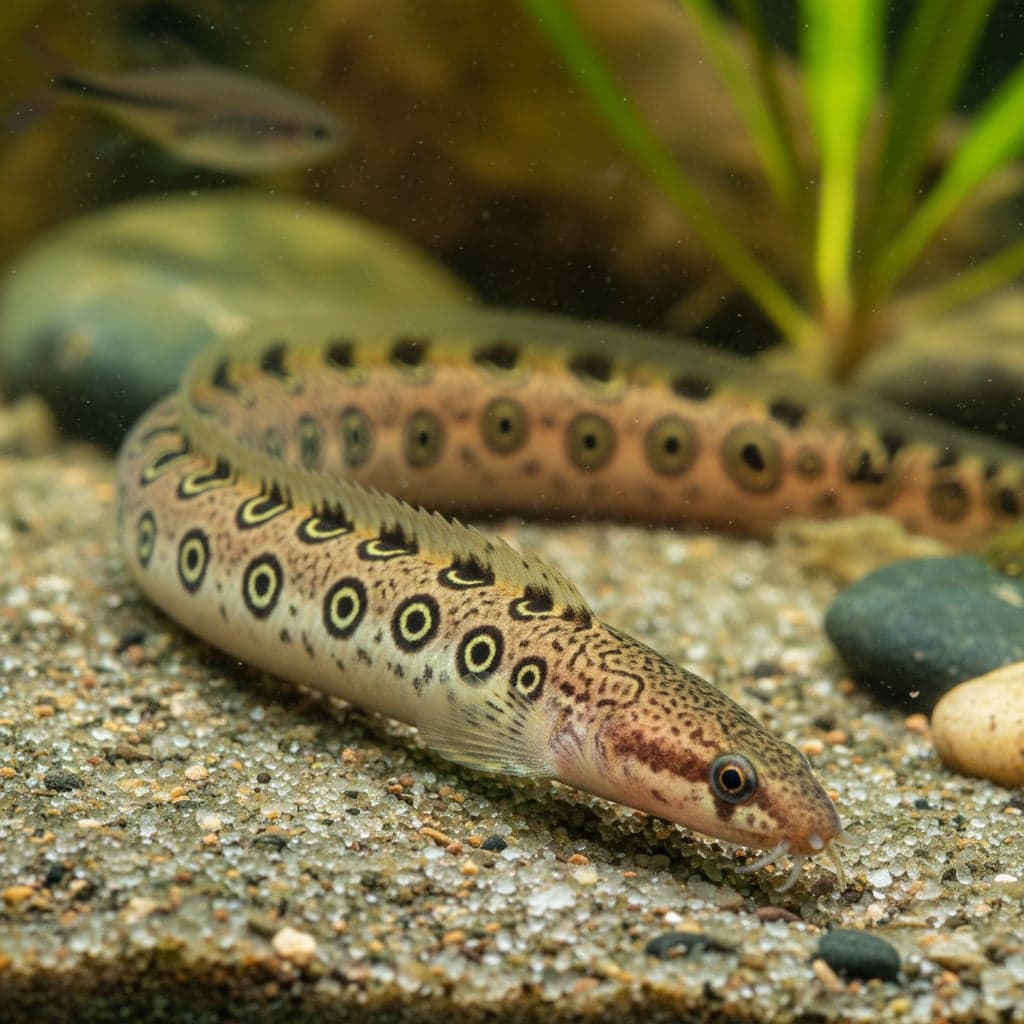
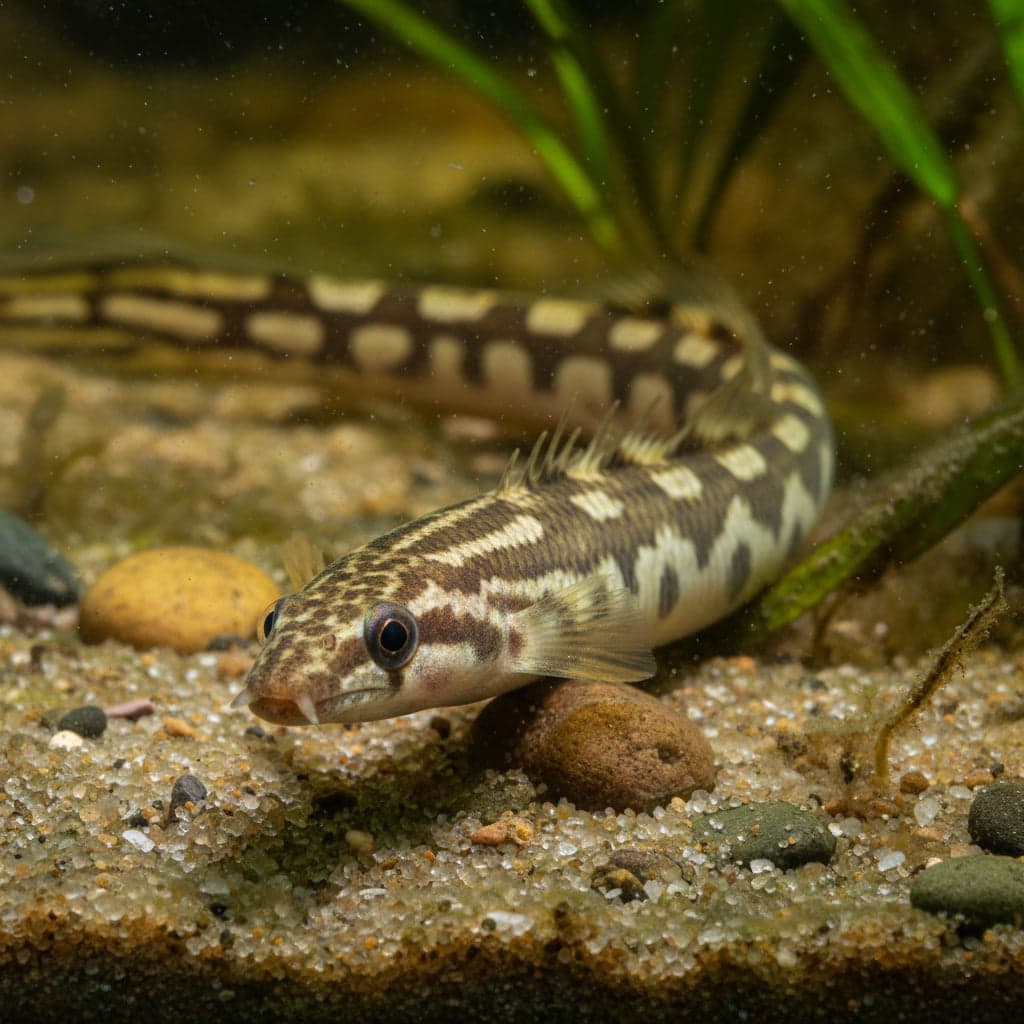
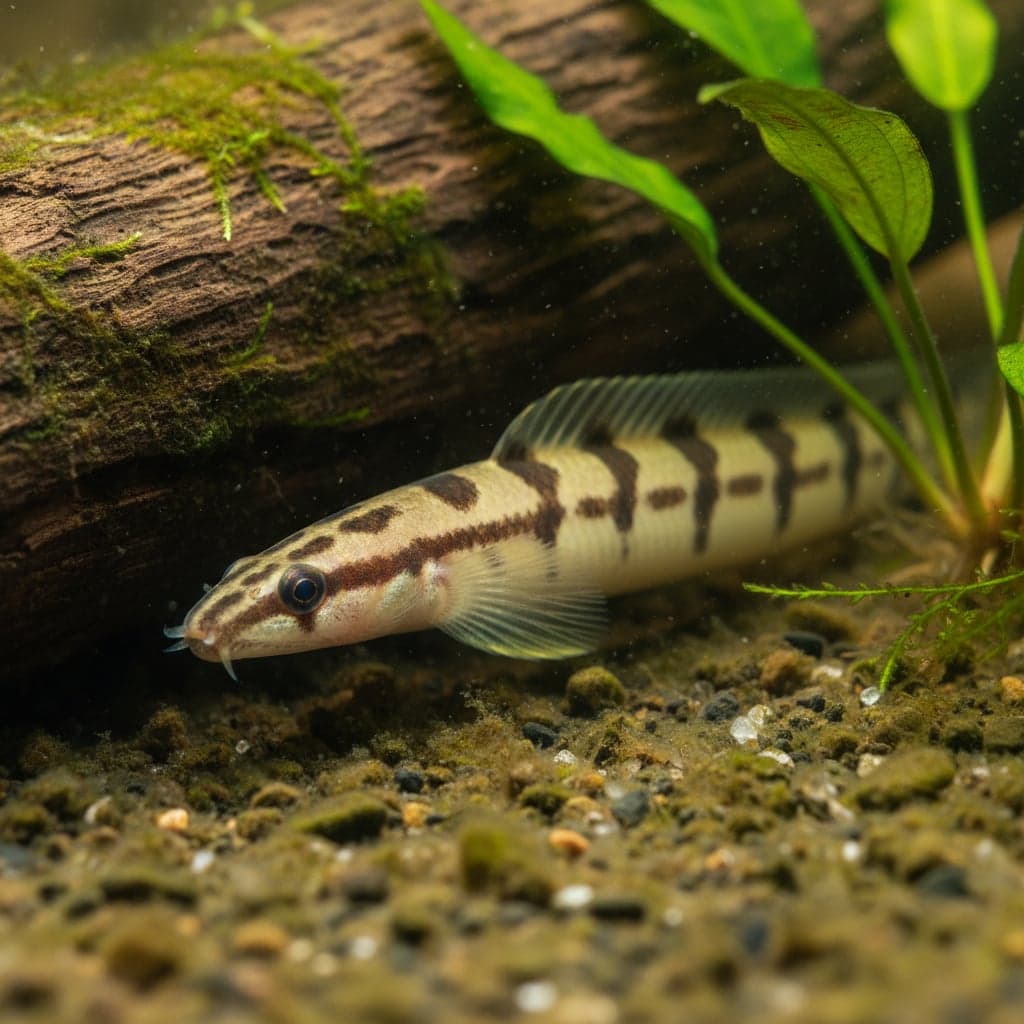
The Barred Spiny Eel (Macrognathus pancalus) is a captivating freshwater species cherished in the aquarium hobby for its unique appearance and interesting behavior. Notable for its elongated, snake-like body, this eel features striking dark bars against a light golden to greyish background, giving it a distinctive and visually appealing look. Its scaleless skin and elongated fins contribute to its unique shape, making it a fascinating addition to any aquarium. This species is not just a visual delight but also offers an engaging display as they swim gracefully along the substrate, often darting in and out of hiding spots.
In the aquarium trade, the Barred Spiny Eel is significant not only as an ornamental species but also as a subject of interest due to its behavioral characteristics. Unlike many traditional aquarium fish, this eel exhibits a calm disposition when provided with a suitable environment. Its nocturnal nature means that it becomes particularly lively during the evening hours, providing entertainment for aquarists who enjoy watching their fish exhibit natural behaviors. With a little patience, hobbyists can also observe the Barred Spiny Eel's unique feeding habits and bottom-dwelling tendencies, making it a rewarding species for both novice and experienced aquarists alike.
Natural Habitat & Origin
The Barred Spiny Eel is native to the rivers and floodplains of Southeast Asia, particularly found in countries such as India, Bangladesh, and Myanmar. This species typically inhabits slow-moving or stagnant water bodies, including streams, swamps, and paddy fields. The waters these eels reside in are primarily soft, acidic blackwaters, rich in organic matter and sheltered by dense vegetation. The natural habitat often consists of sandy or muddy substrates, offering excellent hiding spots that are essential for the eels’ security and comfort.
In these blackwater environments, the Barred Spiny Eel benefits from the abundant plant life and detritus, which provide both shelter and nutrition. The presence of submerged logs, rocks, and leaf litter creates a complex ecosystem that aids in the eel's growth and development. Understanding these natural habitats can help aquarists replicate a suitable environment in captivity, providing the Barred Spiny Eel with the conditions it needs to thrive.
Care Requirements
To keep the Barred Spiny Eel healthy, specific water parameters must be maintained. Optimal pH levels should range from 6.0 to 7.5, with temperatures kept between 24°C to 28°C (75°F to 82°F). The hardness of the water should be soft to moderately soft, ideally around 5-12 dGH. For tank setup, a minimum aquarium size of 75 gallons is recommended, as these eels require ample space to swim and explore.
The substrate plays a critical role in creating a suitable environment for the Barred Spiny Eel. A soft, sandy substrate mimics their natural habitat and ensures their delicate bodies are protected. The tank should be well-planted, incorporating both rooted plants and floating varieties to create a sense of security and stimulate natural behaviors. Adequate hiding places such as caves, driftwood, and rocks are essential; these not only provide shelter but also reduce stress. Lighting should be subdued, mimicking their natural dimly lit habitat, allowing the Barred Spiny Eel to feel secure as it goes about its activities in the tank.
Diet & Feeding
The Barred Spiny Eel is primarily carnivorous, exhibiting a diet that consists of both animal protein and plant matter. In captivity, they thrive on a varied diet that includes high-quality sinking pellets, spirulina, and a mix of frozen or live foods, such as bloodworms, brine shrimp, and earthworms. Although they may accept flake foods, it is essential to ensure that the majority of their diet consists of nutrient-rich, meaty options to promote optimal growth and health.
Feeding should be done in moderation, as these eels can overeat due to their opportunistic feeding behaviors. It is advisable to provide food in smaller portions multiple times a week rather than a single large meal to prevent uneaten food from polluting the tank and to encourage natural foraging behaviors.
Behavior & Temperament
The Barred Spiny Eel is generally known for its peaceful demeanor, making it compatible with many community tank settings. These eels are thought to be solitary by nature, preferring to establish a territory rather than maintain a strict social hierarchy. While they may not actively school, they can coexist with other species, as long as tank mates are of similar size and temperament. In a well-planted tank with ample hiding spots, they exhibit more natural behaviors, including foraging and digging.
As a bottom-dweller, the Barred Spiny Eel occupies the lower strata of the aquarium. While they are not aggressive, they may display territorial behaviors, particularly during feeding times or when establishing a preferred hiding spot. They thrive in environments where they feel secure, and providing them with vertical space and hiding places encourages relaxed behavior, leading to a more vibrant display of their unique characteristics.
Tank Mates
When considering tank mates for the Barred Spiny Eel, it’s crucial to select peaceful and similarly-sized species. Compatible fish include tetras, rasboras, gouramis, and small barbs, which can coexist harmoniously without provoking aggression. Other suitable companions are certain catfish species, such as Corydoras and Otocinclus, that tend to occupy different levels of the tank.
Conversely, species to avoid include larger, more aggressive fish, such as cichlids and many predatory fish, as they may consider the Barred Spiny Eel as prey. Additionally, fast-moving fish can harass this slower bottom-dweller, creating stress. Maintaining a balanced community with an emphasis on compatible group dynamics will ensure the well-being of the Barred Spiny Eel in your aquarium.
Breeding
Breeding the Barred Spiny Eel in captivity is relatively rare due to their specific requirements and relatively low inclination to spawn outside their natural habitat. However, when conditions are right, successful breeding can occur. To encourage breeding, it is essential to replicate their natural environment, which includes soft, slightly acidic water and abundant hiding spaces.
Spawning may occur in the early morning hours, often triggered by hormonal changes or water temperature variations. The female lays eggs in secluded areas among dense vegetation where they can be secure from predation. After spawning, both parents typically abandon the eggs, which hatch within a few days. Due to their delicate nature, care must be taken when rearing the young, and a separate breeding tank may be beneficial to provide a safe environment for the fry until they are large enough to integrate into the community tank.
Common Health Issues
The Barred Spiny Eel can be susceptible to a few common health issues typical of freshwater fish, including ich (ichthyophthirius multifiliis), fin rot, and columns diseases. Maintaining stable water parameters is crucial in preventing these diseases, along with providing a stress-free environment. Regular water changes and monitoring water quality can significantly help in lowering the risk of outbreaks.
A well-balanced diet also plays a pivotal role in preventing health issues, with nutritious foods supporting a robust immune system. If signs of illness arise, such as lethargy, fading colors, or unusual swimming, isolate the affected fish and address water quality first. With stable conditions, a meaty diet, and a sand substrate that protects their soft bodies, Barred Spiny Eels remain hardy, long-lived bottom dwellers.