Bearded Cory: Scleromystax barbatus
A large, stunning corydoras. Males develop distinct bristles "beards" on their cheeks.
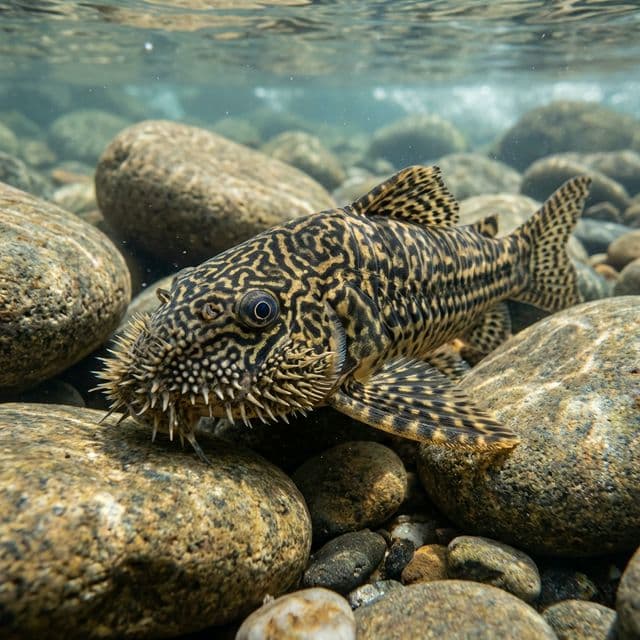
Bearded Cory
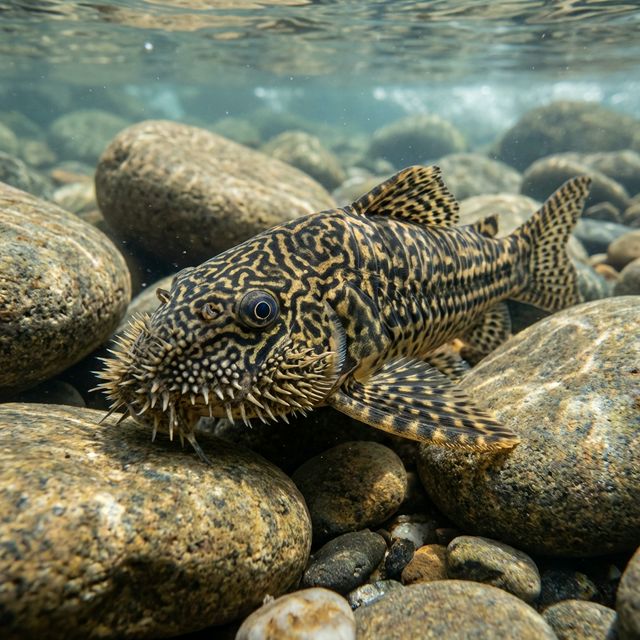
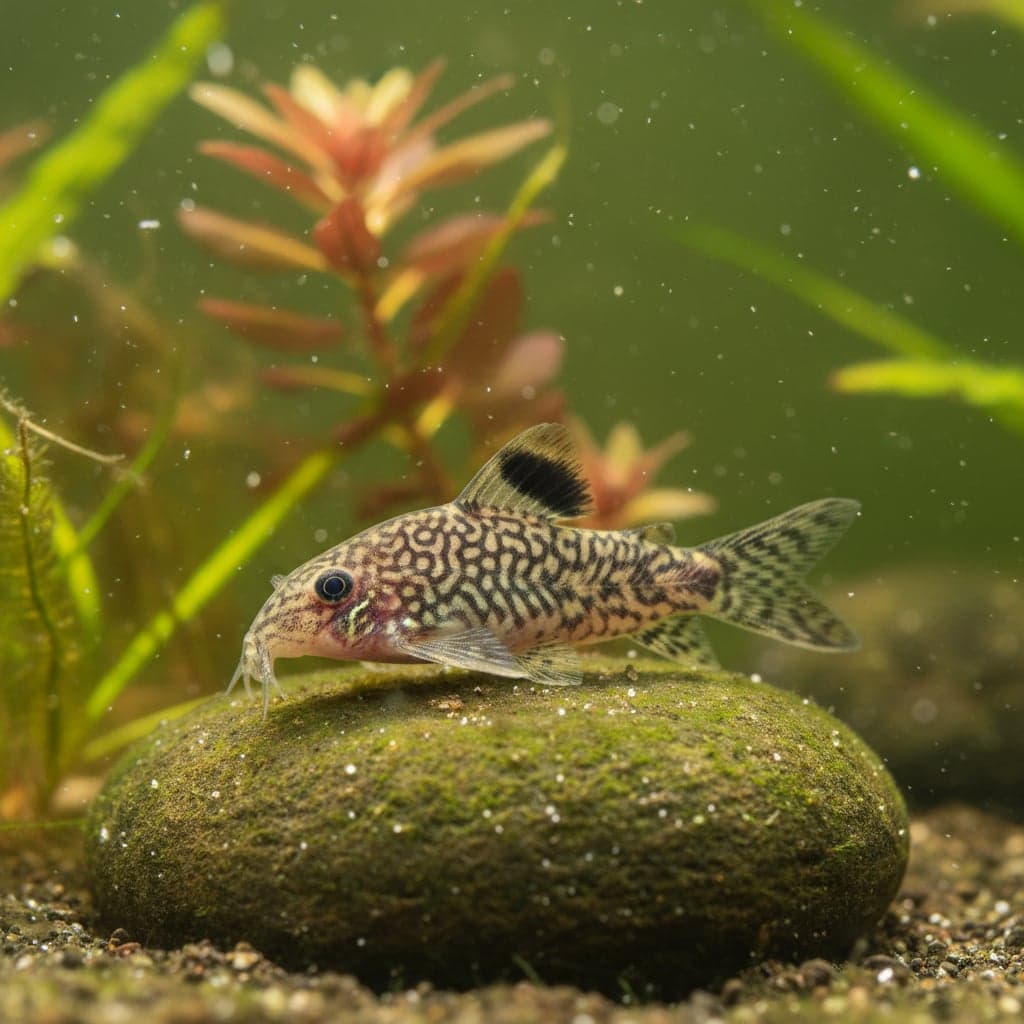
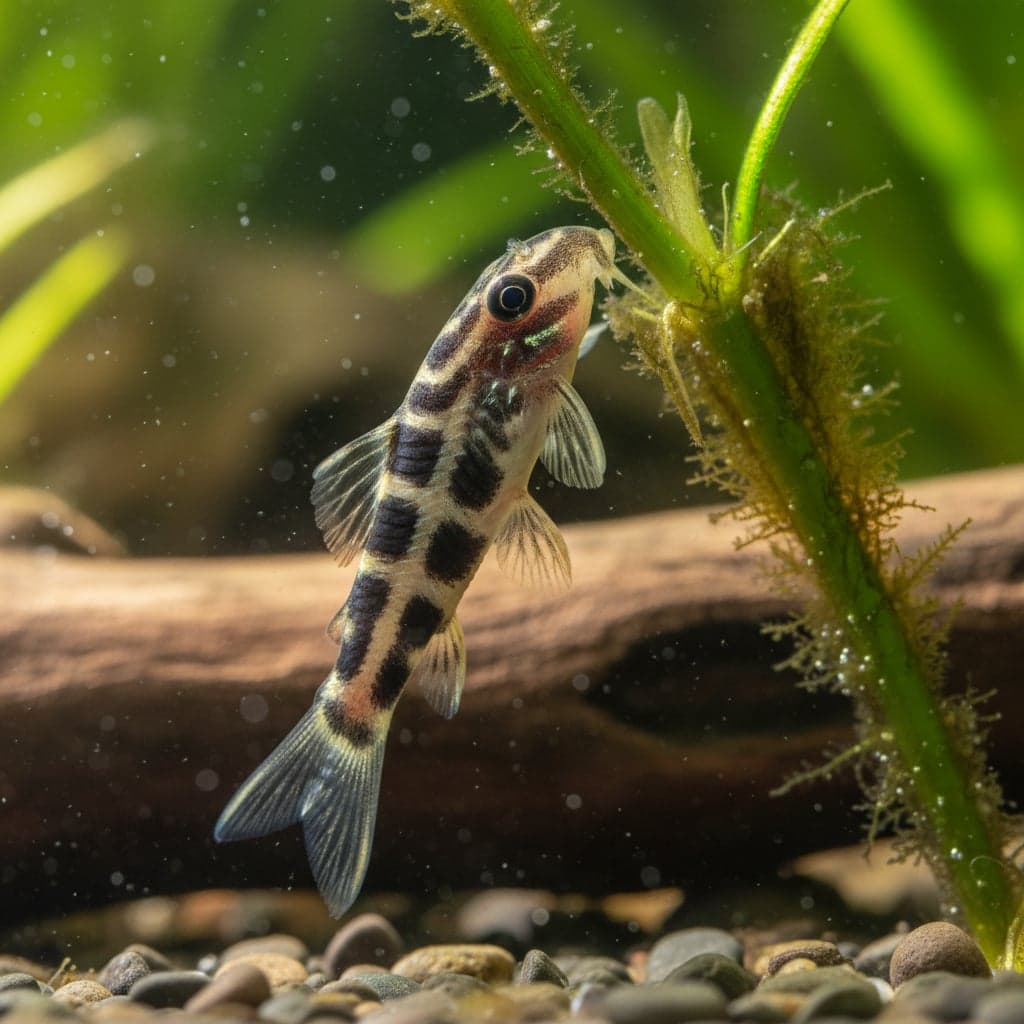
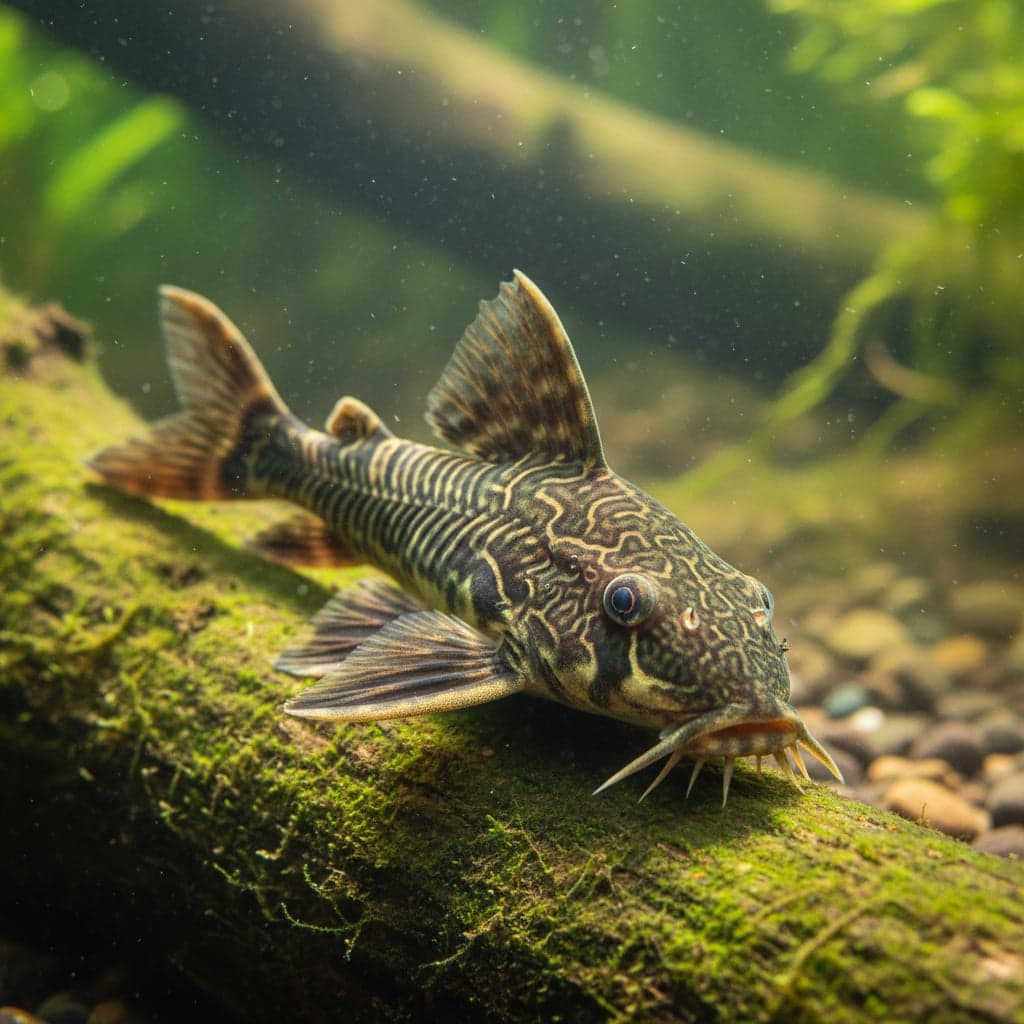
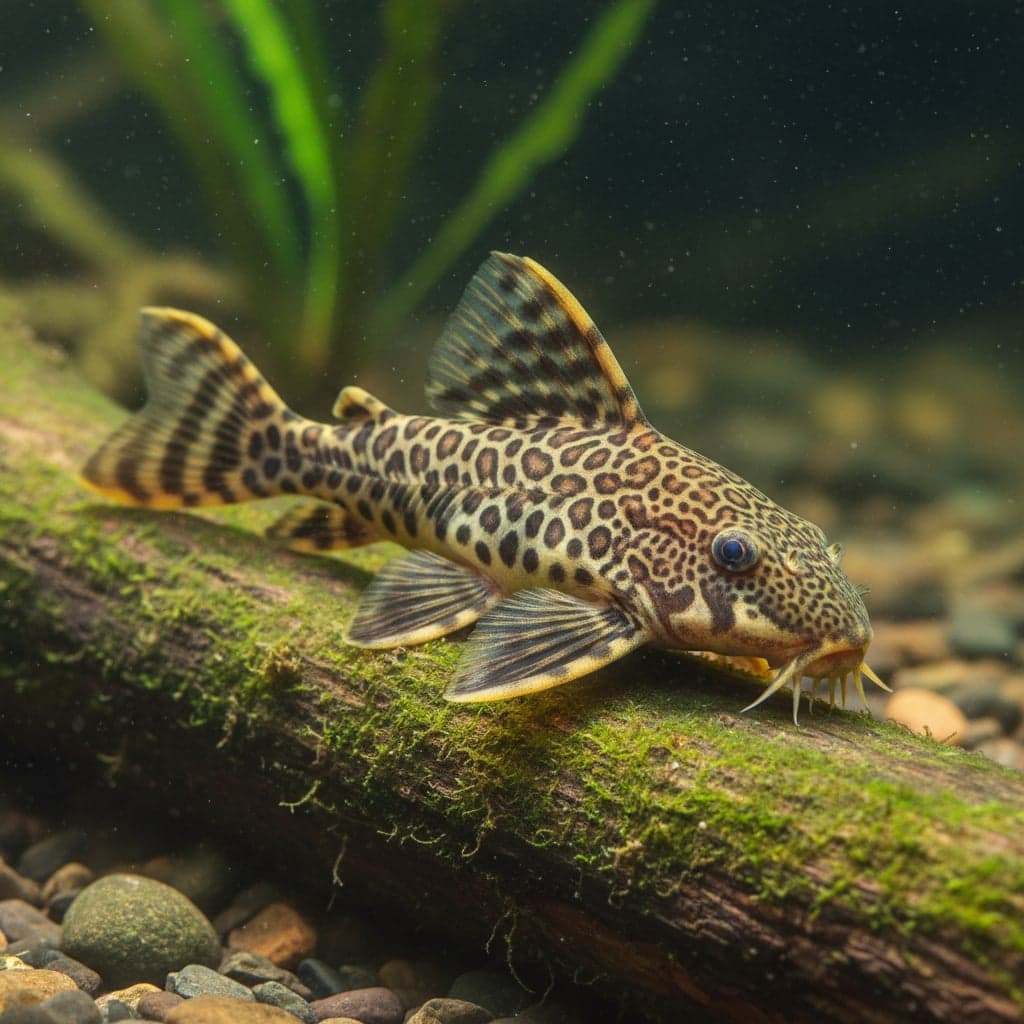
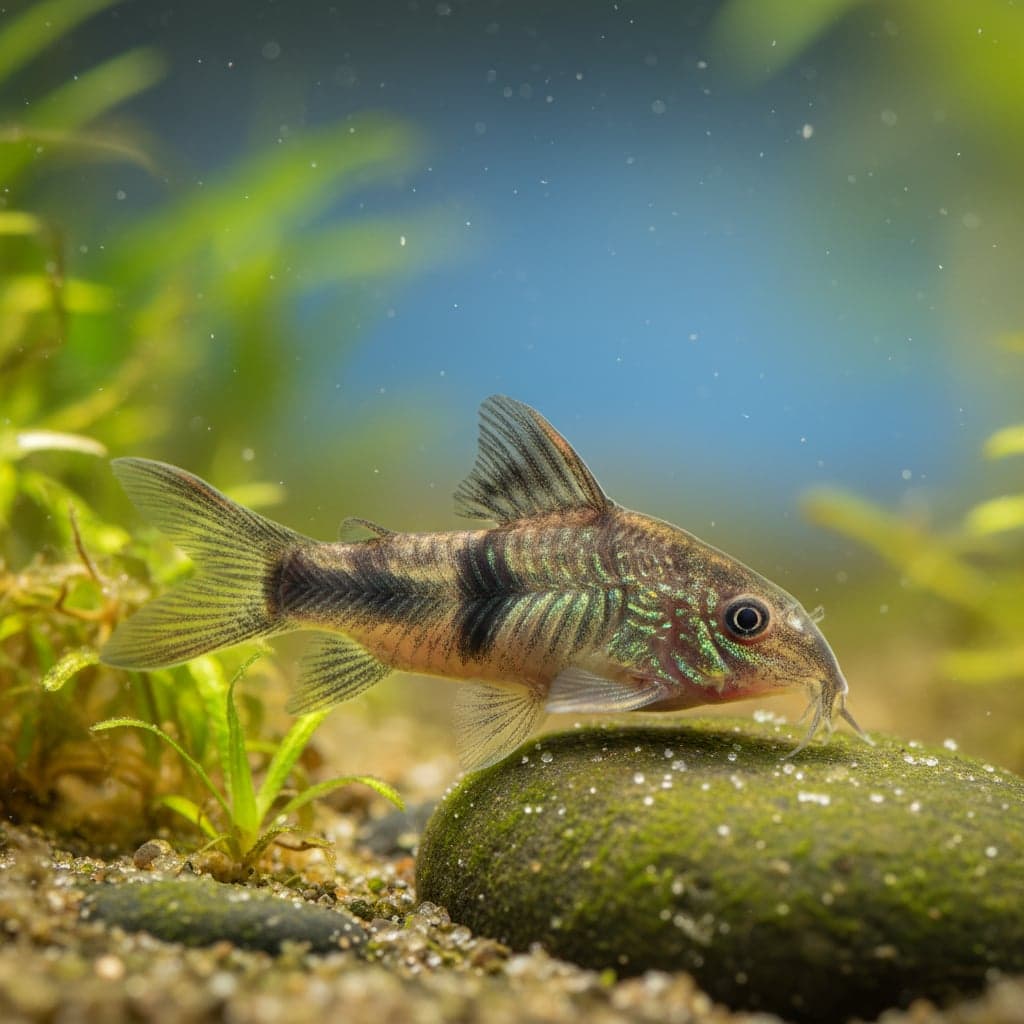
The Bearded Cory, scientifically known as Scleromystax barbatus, is a captivating species of catfish that has gained immense popularity among aquarium enthusiasts. Known for its distinctive appearance, the Bearded Cory features a round body covered in a combination of soft hues of yellows and browns, accented by dark spots that create a striking contrast. Its most notable feature is its sensitive facial barbels, which give it the appearance of possessing a "beard," hence the name. This enchanting fish not only adds aesthetic value to aquariums but also plays a crucial role in the ecosystem as a bottom-dwelling scavenger, helping maintain water cleanliness by consuming detritus and leftover food.
In the aquarium hobby, the Bearded Cory is highly valued for its peaceful demeanor and engaging behaviors. These social fish thrive in schools, making them a lively addition to community tanks. Their playful antics as they sift through substrate and interact with one another are a joy to observe. Additionally, the Bearded Cory's hardiness and adaptability to varying water conditions make it accessible to both beginner and experienced aquarists. As awareness of sustainable fishkeeping practices grows, the Bearded Cory has solidified its place as a staple species in home aquariums around the world.
Natural Habitat & Origin
The Bearded Cory originates from the slow-moving rivers and tributaries of South America, particularly in regions of Brazil and Argentina. These areas are characterized by warm, shallow waters that can be rich in organic material due to the abundance of decaying vegetation. The natural habitat of the Bearded Cory typically features soft, blackwater conditions, where the water is stained by tannins, providing a unique environment that supports its survival. The sandy or muddy substrates of its habitat are crucial for the species, allowing it to forage effectively for detritus and microorganisms that contribute to its diet.
The environmental context of the Bearded Cory's habitat consists of densely vegetated areas where roots and fallen leaves create suitable hiding places and breeding grounds. The water temperatures in these habitats generally range from 22°C to 28°C (72°F to 82°F), with a slightly acidic to neutral pH (5.5-7.0). Understanding the origins and natural conditions of the Bearded Cory is essential for recreating a suitable aquarium environment that promotes healthy growth and behavior.
Care Requirements
When keeping Bearded Corys in captivity, attention to specific water parameters is crucial for their well-being. Ideally, the water should maintain a pH level between 6.0 and 7.5, with temperatures ranging from 24°C to 26°C (75°F to 78°F). A hardness level of 2 to 10 dGH would foster a more comfortable environment for this species. Given their sensitivity to water quality, regular monitoring through water tests and routine changes are necessary to ensure optimal conditions.
The ideal tank setup for Bearded Corys should provide a minimum of 20 gallons of space, allowing enough room for them to swim in groups and explore. The substrate should consist of fine sand or smooth gravel, avoiding harsh materials that could injure their delicate bodies and barbels. Incorporating plenty of hiding spots through the use of driftwood, rocks, and live plants will help mimic their natural habitat, while gentle, diffuse lighting can enhance the visual appeal of the aquarium without stressing the fish.
Diet & Feeding
The Bearded Cory is an omnivorous species, primarily feeding on a diet of small invertebrates, plant matter, and detritus in the wild. In the home aquarium, it is crucial to provide a varied diet that includes quality sinking pellets or granules designed for bottom feeders to ensure they receive essential nutrients. Supplementing their diet with frozen or live foods such as bloodworms, daphnia, or brine shrimp can also enhance their health and vitality. Additionally, providing blanched vegetables like zucchini or spinach will offer crucial dietary fiber and promote a balanced nutrition regime.
Feeding should occur once or twice a day, with care taken to avoid overfeeding, as uneaten food can quickly degrade water quality. An effective feeding strategy can include timing to observe their foraging behavior, which is a delightful aspect of keeping Bearded Corys. This diverse diet will contribute to their growth, coloration, and overall well-being in the aquarium.
Behavior & Temperament
Bearded Corys are known for their peaceful and social behavior, making them excellent community fish. They thrive in groups of six or more, where they display natural schooling habits, swimming together at the lower levels of the tank. They exhibit interesting behaviors such as grazing through the substrate with their barbels and playfully interacting with one another. Although generally non-aggressive, they can exhibit slight territoriality during breeding or if startled; thus, maintaining adequate space and sufficient hiding spots is essential for their comfort.
In terms of vertical placement, Bearded Corys are primarily bottom dwellers, continuously foraging along the substrate. They can occasionally venture up into the mid-water layers, particularly when investigating new tank mates or food sources. However, they are not inclined to occupy the upper levels of the tank, which makes them an ideal addition to community setups that cater to fish of various swimming habits.
Tank Mates
When selecting tank mates for Bearded Corys, it is crucial to consider the temperament and size of potential companions. They are best housed with similarly peaceful species such as tetras, rasboras, guppies, and other small community fish. Avoid keeping them with aggressive or fin-nipping species like bettas, cichlids, or large labyrinth fish, as these could pose a threat to the Bearded Cory’s well-being. Additionally, larger predatory fish should also be avoided as they may see the Bearded Cory as a potential meal.
In a well-thought-out set-up, complementary tank mates will not only keep the Bearded Corys safe but also create a dynamic and engaging environment, promoting the ideal social conditions for all inhabitants. Regular monitoring of the community dynamics will ensure that all species coexist harmoniously without undue stress.
Breeding
Breeding Bearded Corys in captivity requires particular conditions and patience. To encourage spawning, maintain stable water parameters, including slightly softer water with a pH around 6.5 and increased water temperature (around 28°C or 82°F). A tank with flat, smooth surfaces such as smooth stones or broad-leaved plants can serve as a spawning site. Often, breeding occurs in the presence of a small group, where a pair or trio may emerge and engage in communal courtship behaviors.
During spawning, females will lay eggs which males will subsequently fertilize. It’s essential to separate the eggs from the main tank to prevent parental or tank mate interference. Transfer the fertilized eggs to a separate hatching tank where conditions can be monitored closely. After incubating for 3 to 5 days, the fry will hatch and require appropriate infusoria or freshly hatched brine shrimp until they are big enough to consume finely crushed flakes.
Common Health Issues
While generally resilient, Bearded Corys may be susceptible to certain health issues, including ich, fin rot, and bacterial infections. Ich, a common parasitic infection, is characterized by white spots on the fish's body and can be treated with elevated temperature or medication when detected early. To prevent fin rot, ensure excellent water quality and avoid overcrowding or aggressive tank mates that may injure fins. Soft sand substrate protects their sensitive barbels, and quarantine new fish before adding them. A varied diet and calm community setup keep Bearded Corys resilient and active for years.