Bentosi Tetra: Megalamphodus bentosi
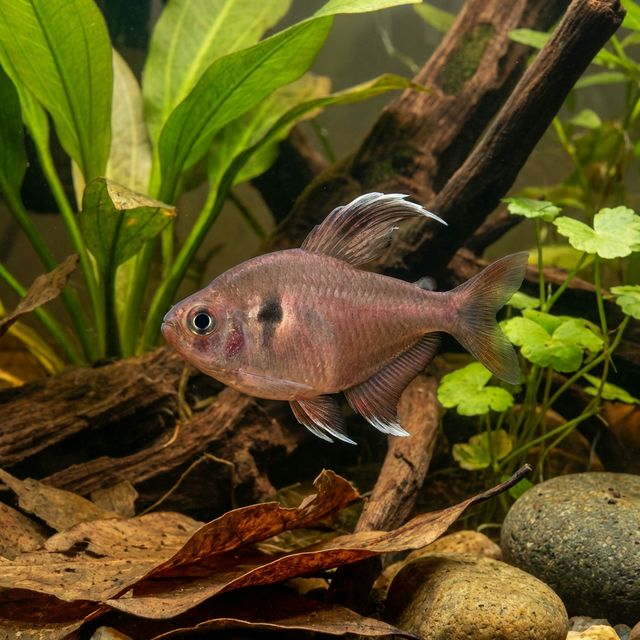
Often called the White Tip Tetra. A close relative of the Rosy Tetra with distinctive white fin tips.
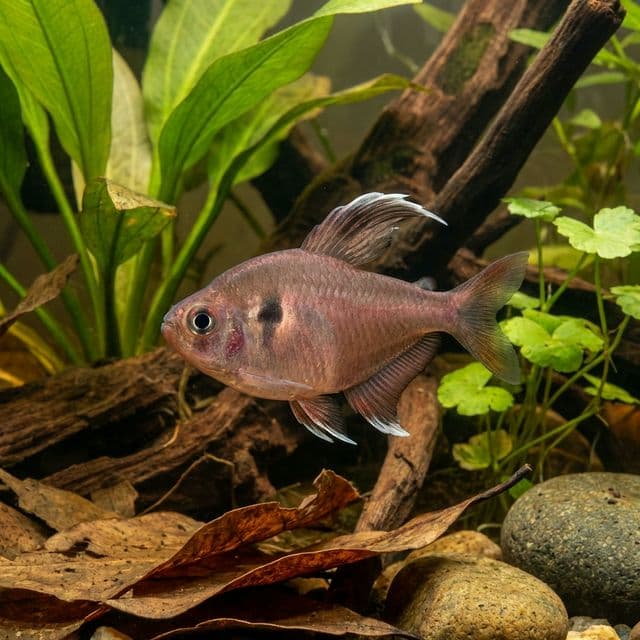
Bentosi Tetra
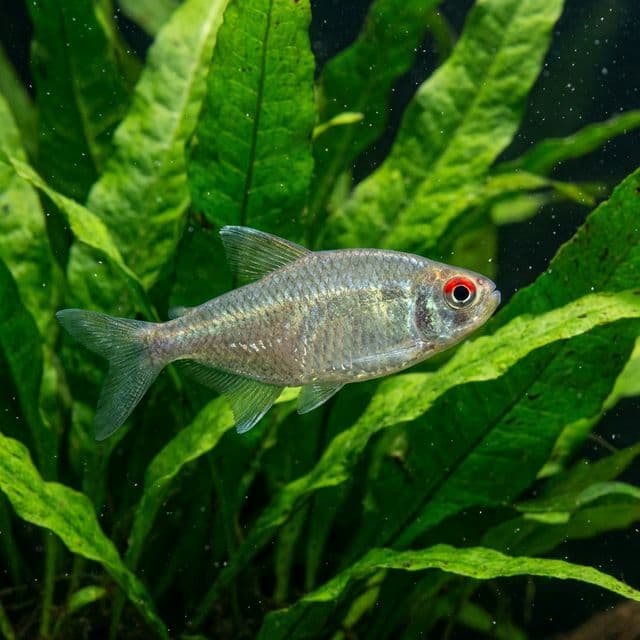
The Bentosi Tetra, scientifically known as Megalamphodus bentosi, is a striking freshwater fish belonging to the Characidae family. This species is cherished in the aquarium hobby for its vibrant coloration and distinctive body shape. Typically, Bentosi Tetras exhibit a soft gradient of hues ranging from shimmering silver to a breathtaking electric blue, often punctuated by prominent black markings. The contrast of their bright colors with the smooth outlines of their bodies makes them a captivating addition to any aquascape. Their small size, generally reaching about 2 inches (5 cm) in length, allows for versatile stocking options in community tanks, solidifying their status as a favorite among aquarists.
Beyond their aesthetic appeal, Bentosi Tetras hold ecological significance as they thrive in the complex ecosystems of their native habitats. They are known for their peaceful demeanor and schooling behavior, often found congregating in groups. This social nature not only enhances their visual allure when displayed in aquariums but also contributes to their overall well-being, as they feel more secure in larger numbers. Their adaptability to a range of water conditions combined with their lively behavior makes them a popular choice for both novice and experienced hobbyists alike.
Natural Habitat & Origin
Bentosi Tetras are native to the freshwater rivers and streams of South America, particularly distributed across the regions of Brazil and Argentina. They inhabit the slow-moving waters and floodplain areas, characterized by lush vegetation and a plethora of submerged structures. These environments often feature a blackwater profile due to the decomposition of organic materials, leading to an acidic and soft water condition. The presence of leaf litter and tannins also adds to the unique coloring of the water, making it a rich habitat for these graceful fish.
In their natural habitat, Bentosi Tetras are typically found in shallower waters where they can forage for food amidst the vegetation. The clear, dark waters provide an ideal setting for these fish to exhibit their natural behaviors and social interactions. It is essential for aquarium enthusiasts to replicate these environmental conditions to ensure the health and vitality of their Bentosi Tetras, creating a simulated natural habitat that fosters their characteristic traits.
Care Requirements
To successfully maintain Bentosi Tetras, specific water parameters and tank setups need to be observed. The ideal pH level ranges from 6.0 to 7.0, with a temperature between 72°F and 80°F (22°C - 27°C). They thrive in soft to moderately hard water, with hardness levels ideally between 2 to 10 dGH. A well-maintained aquarium should also feature excellent filtration and regular water changes to keep conditions optimal.
In terms of tank setup, a minimum tank size of 15 gallons is recommended, though larger tanks provide better schooling opportunities. Substrates should ideally be dark and smooth to mimic their natural environment, while the inclusion of soft, floating plants, and ample hiding spots crafted from driftwood and rocks will contribute to their sense of security. Gentle lighting is preferable to avoid stress, as Bentosi Tetras are somewhat shy and prefer dimly lit conditions.
Diet & Feeding
As omnivores, Bentosi Tetras have a varied diet, which makes feeding them highly flexible. Their diet primarily consists of small pellets, high-quality flakes, and frozen or live foods such as brine shrimp, daphnia, and bloodworms. A balanced diet is crucial for maintaining their vibrant colors and overall health. Regular feeding should include both plant-based and protein-rich foods to replicate the diversity of their natural diet.
Aquarists should aim to feed Bentosi Tetras small amounts several times a day, ensuring that they consume everything within a few minutes to prevent water quality issues. Incorporating a high-quality, sinking pellet food can also be beneficial, as it allows bottom-dwelling fish in a community tank to share in the feast. Offering occasional treats of frozen food or live prey can enhance their colors and stimulate natural hunting behaviors.
Behavior & Temperament
Bentosi Tetras are known for their peaceful demeanor and sociable nature, which makes them ideal candidates for community tanks. They thrive in schools of six or more individuals, which helps reduce stress and encourages natural behaviors such as foraging and swimming in the mid to upper levels of the tank. Their schooling habits create an exciting visual dynamic, as the fish dart gracefully throughout the aquarium.
While they are mostly non-aggressive, some individuals may exhibit mild territoriality, especially during breeding periods or in tightly crowded conditions. Generally, Bentosi Tetras avoid confrontation and are best kept with similarly non-aggressive species. Their naturally calm temperament and preference for the upper and mid-levels of the tank allow them to coexist peacefully alongside a variety of tank mates.
Tank Mates
When selecting tank mates for Bentosi Tetras, it’s crucial to choose species that share similar temperaments and environmental needs. Compatible tank mates include small, peaceful fish like Neon Tetras, Corydoras Catfish, Rasboras, and Guppies. These fish often occupy different water levels and provide a balanced community dynamic.
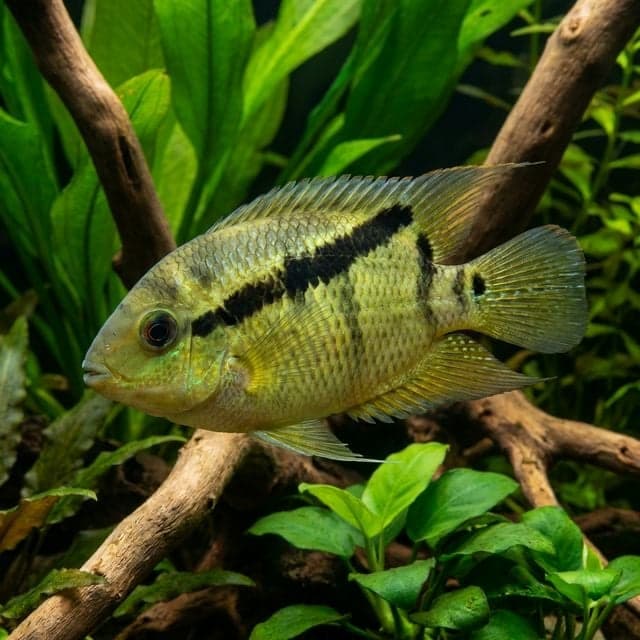
However, it’s essential to avoid aggressive or larger fish that may see Bentosi Tetras as prey or may become territorial towards them. Species such as Cichlids, larger Rainbowfish, or any fish with a tendency to nip fins could lead to stress or injury. An ideal community tank should promote a peaceful environment that encourages schooling behaviors among the Bentosi Tetras while also providing a harmonious atmosphere for all inhabitants.
Breeding
Breeding Bentosi Tetras in captivity can be rewarding, although it requires specific conditions to encourage spawning behavior. The first step involves creating a breeding tank with slightly acidic water conditions (pH around 5.5 to 6.5) and a temperature softened between 75°F and 80°F (24°C to 27°C). Providing fine-leaved plants for spawning, such as Java Moss or spawning mops, will help simulate their natural reproductive environment.
During the breeding process, males may display courtship behavior, characterized by a series of lively movements and shimmering displays to attract females. After successful pairing, females will lay eggs on the substrate or plants, which should ideally be removed to prevent them from being eaten by the parents. It’s essential to keep the fry in a separate rearing tank with finely crushed flake food or infusoria to ensure their survival and promote healthy growth.
Common Health Issues
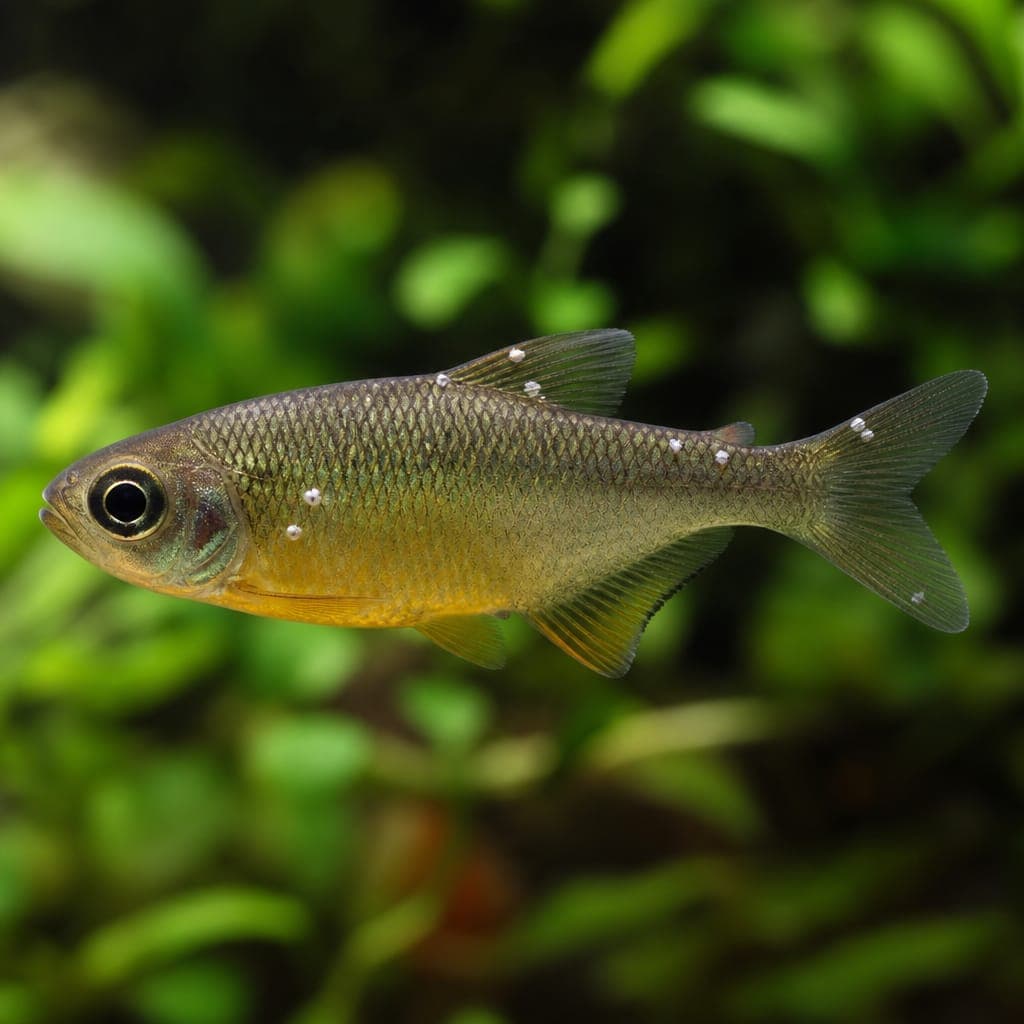
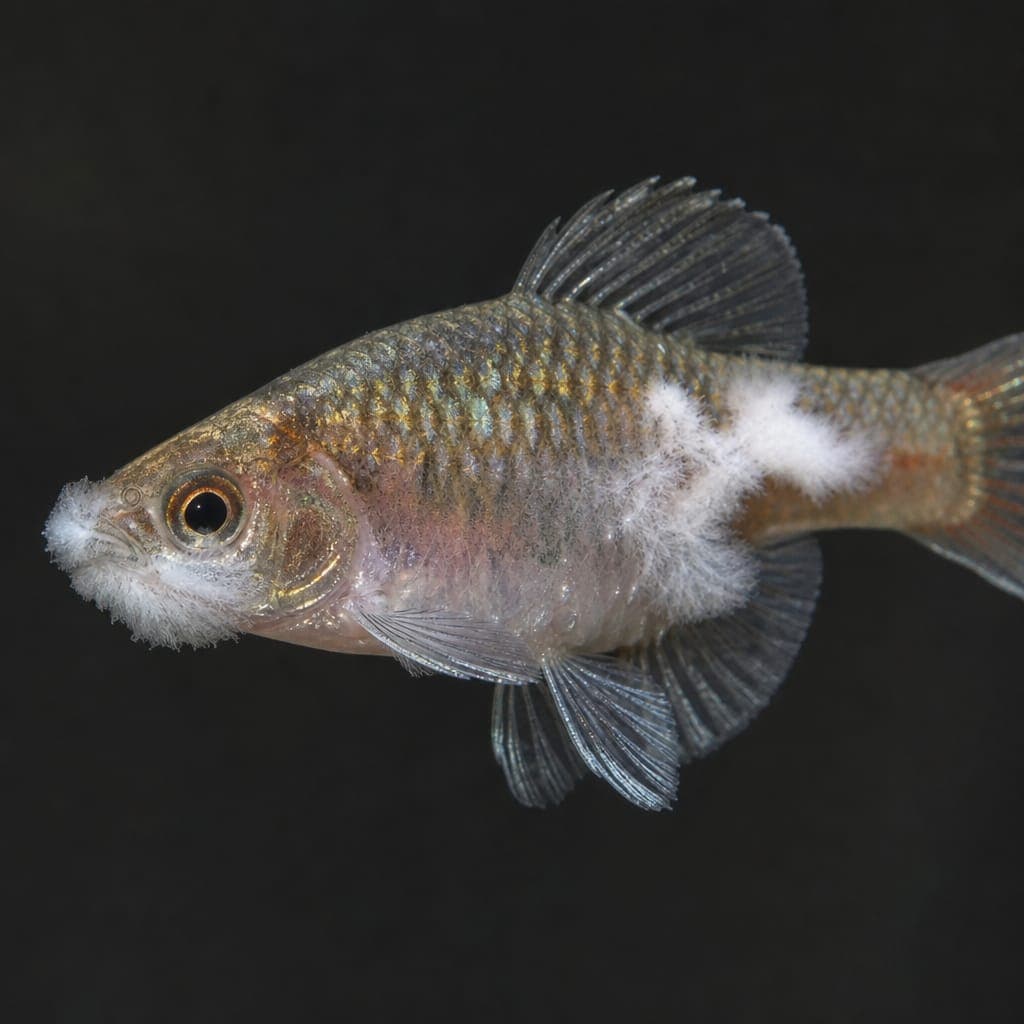
Like many aquarium fish, Bentosi Tetras can be susceptible to certain health issues, including Ich (white spot disease), fungal infections, and fin rot. Preventive measures such as maintaining good water quality, regular tank maintenance, and a balanced diet are essential to lowering the risk of these ailments.
Monitoring the behavior and physical condition of the fish regularly can also help catch any early signs of illness. Quarantining new arrivals before introducing them to the main tank can minimize the chance of introducing diseases, making it a best practice for maintaining a healthy aquarium. Additionally, ensuring that the aquarium is properly cycled and that water parameters remain stable contributes to the long-term health of Bentosi Tetras.