Bicolour Anthias
A 13cm anthias that needs several small feeds a day. Less demanding than most of its genus, but still not a fish for a new tank.
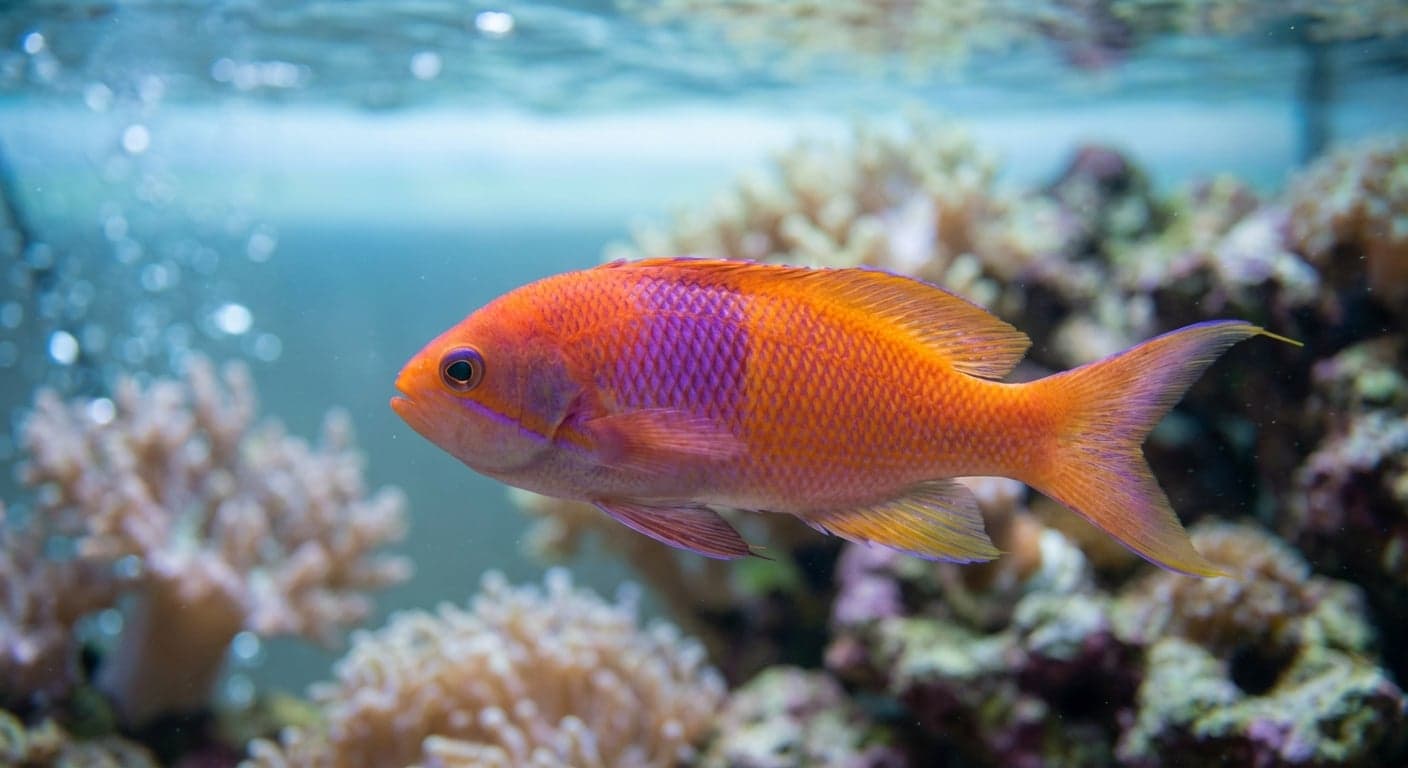
Bicolour Anthias
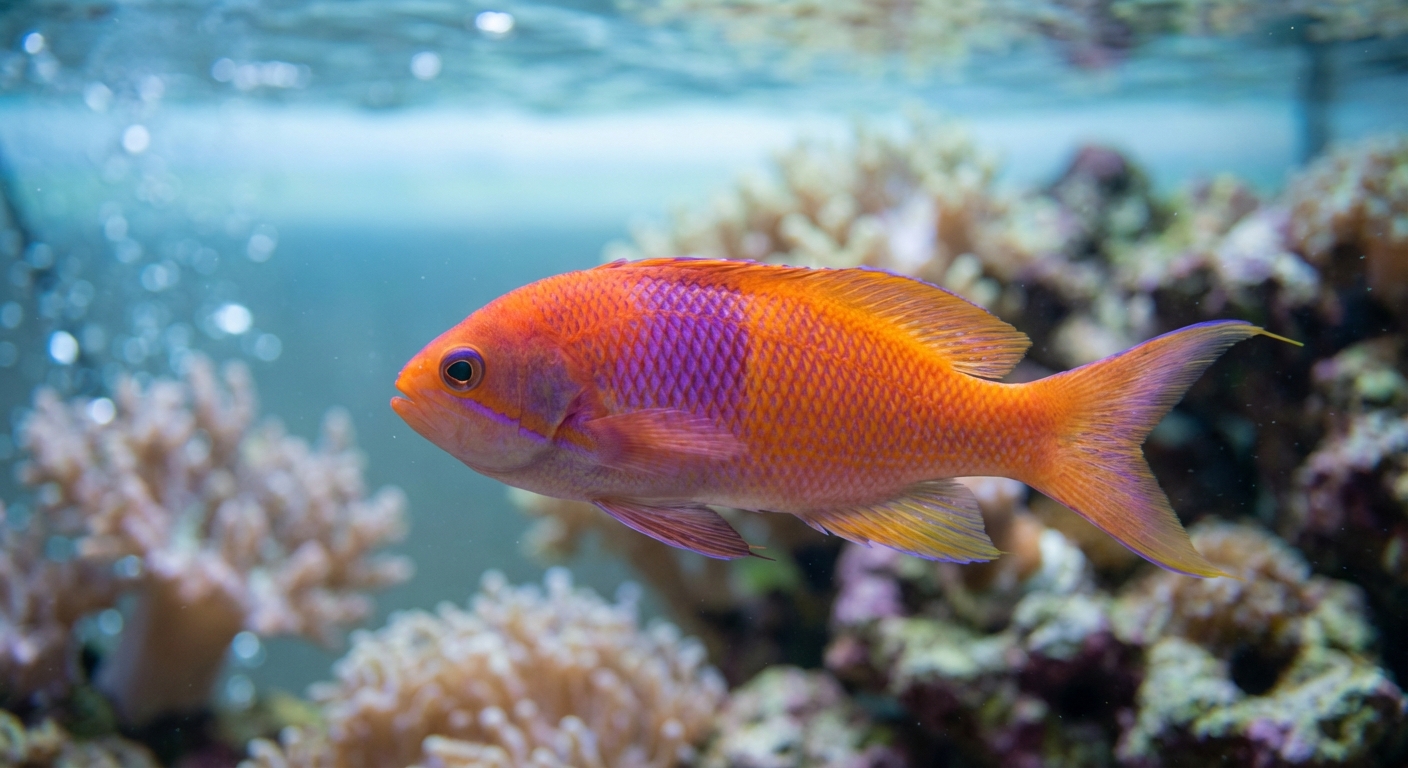
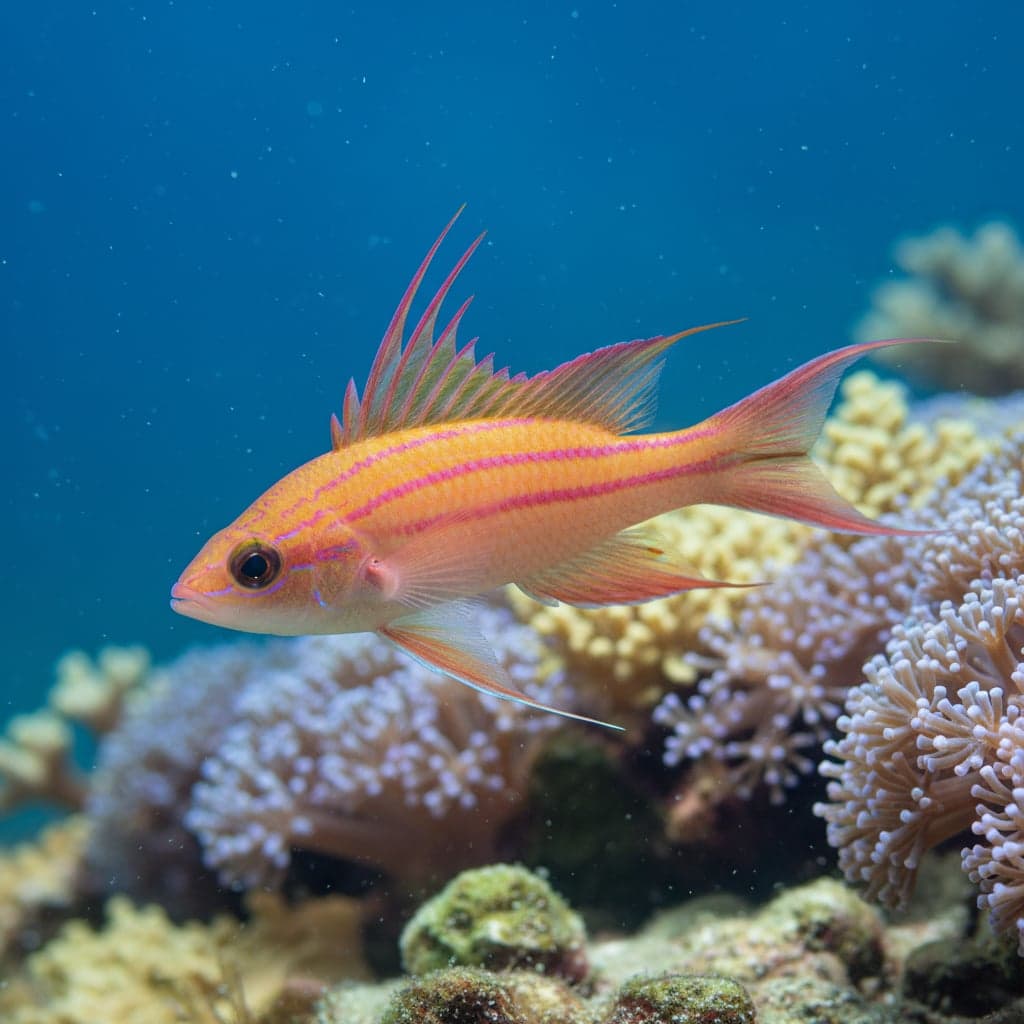
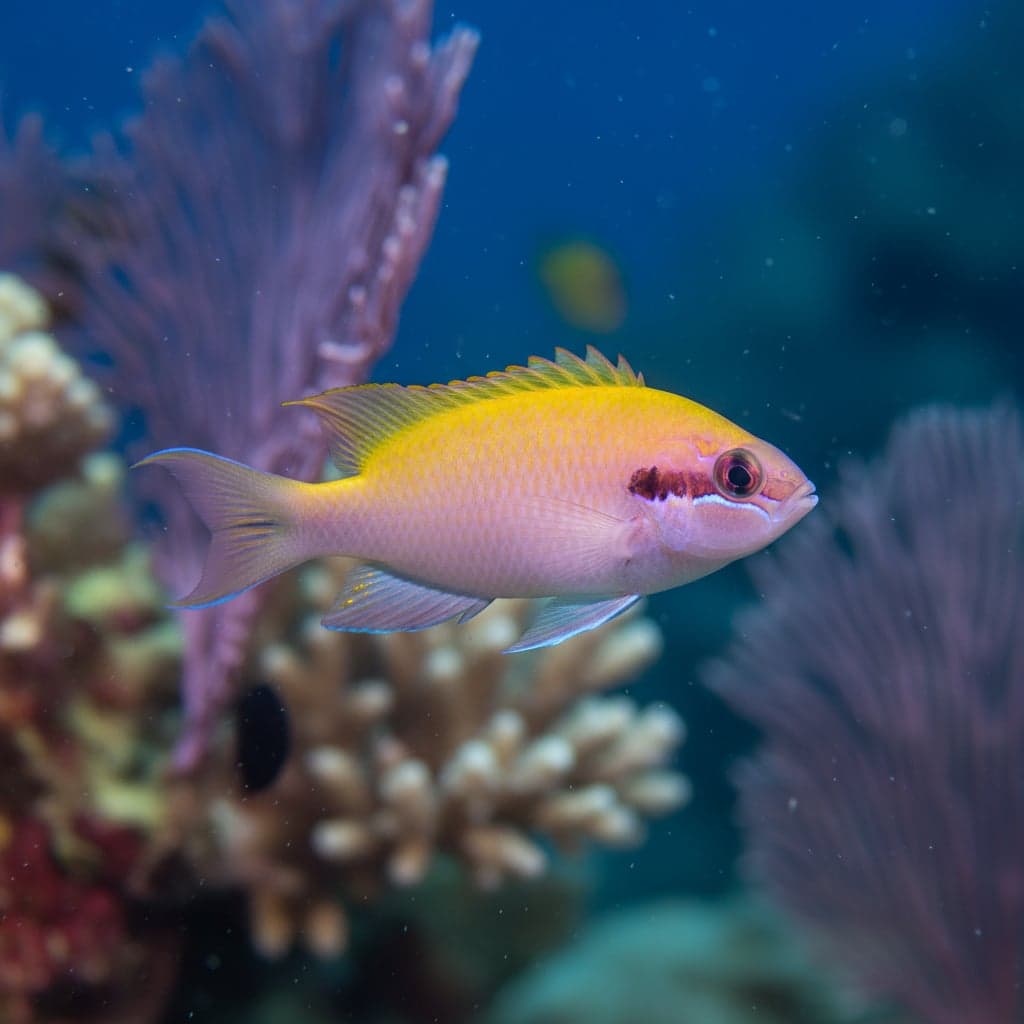
The Bicolour Anthias, scientifically known as Pseudanthias bicolor, is a striking marine fish that enchants aquarists with its vibrant hues and lively behavior. Recognized for its eye-catching color gradient, the Bicolour Anthias typically displays a combination of brilliant orange and striking violet, with distinct patterns that can vary among individuals. This unique coloration not only enhances the aesthetic appeal of both home and public aquariums but also plays a significant role in showcasing the biodiversity found in coral reef ecosystems. As a popular choice within the aquarium hobby, the Bicolour Anthias symbolizes the beauty and fragility of marine life, urging aquarists to maintain responsible practices.
In addition to its visual allure, the Bicolour Anthias is significant for its role in marine ecosystems and aquarium welfare. Being a social fish, it often thrives in groups, making it an excellent centerpiece in community tanks that mimic its natural environment. Its dynamic swimming patterns and active nature contribute to the liveliness of a tank, engaging both keen observers and novice aquarists alike. Understanding the care and habitat demands of this species is crucial for ensuring their well-being, sustainability in captivity, and overall contribution to the health of marine life.
Natural Habitat & Origin
The Bicolour Anthias is native to the warm, tropical waters of the Indo-Pacific region, with a distribution that spans from the eastern coasts of Africa to the islands of the central Pacific Ocean, including locations such as the Great Barrier Reef and the coral reefs of the Solomon Islands. Typically found at depths ranging from 10 to 50 meters, these fish inhabit coral reef slopes and flats where they benefit from the rich biodiversity that such environments offer. The underwater landscape often features a mix of clear water and abundant coral structures, providing both safety and ample feeding opportunities.
In its natural habitat, the Bicolour Anthias thrives in warm, clear, and well-oxygenated waters. It is primarily found in areas that are rich with live rock and coral formations, which offer suitable hiding spots and feeding grounds. These conditions are critical as they impact the health and behavior of the Bicolour Anthias. Captive keeping of this species must recreate aspects of their natural environment to facilitate their well-being and promote natural behaviors, which is essential for aquarists looking to maintain healthy populations.
Care Requirements
The successful care of Bicolour Anthias necessitates a well-maintained aquarium with specific water parameters. Ideally, the water should have a pH level between 8.1 and 8.4, a temperature range of 72°F to 78°F (22°C to 26°C), and a salinity of 1.020 to 1.025 specific gravity. Additionally, the hardness should be kept within the range of 8-12 dKH, ensuring stable conditions conducive to their health and well-being.
When it comes to tank setup, a minimum aquarium size of 50 gallons is recommended to accommodate their social nature and allow for ample swimming space. The substrate should consist of fine sand or a mix of small gravels paired with live rock to emulate their natural habitat. Adequate lighting is essential, given that Bicolour Anthias are often found in brightly lit coral reefs, so moderate to high lighting conditions are ideal. Incorporating various plants and corals can also provide ideal shelter and feeding areas, which are vital for the overall health of these fish.
Diet & Feeding
Bicolour Anthias are classified as carnivorous omnivores, primarily subsisting on zooplankton, small crustaceans, and algae in their natural habitat. In captivity, they thrive on a diverse diet to ensure optimal health and coloration. A balanced feeding regimen should include high-quality flakes or pellets formulated for marine fish, as well as supplemental offerings like frozen mysis shrimp, brine shrimp, and other types of feed such as crushed garlic or algaeculture to maintain their vitality.
To accommodate their high metabolism, these fish should be fed multiple small meals throughout the day rather than one large feeding session. This feeding strategy aligns with their natural foraging behavior, allowing them to actively seek food and engage with their environment, contributing positively to their overall health and reducing stress levels.
Behavior & Temperament
Bicolour Anthias exhibit a dynamic and social behavior, often forming small schools in the wild. They are known for their active swimming habits, which add liveliness to any aquarium setup. In captivity, it is advisable to maintain them in groups rather than solitary pairs to promote natural behaviors and reduce stress. These fish display minimal aggression but can be somewhat territorial, especially during feeding times or when establishing hierarchy within a group.
In terms of vertical placement in an aquarium, Bicolour Anthias prefer the middle to upper levels of the tank, where they can swim freely and respond to any perceived threats. Providing vertical space and structure within the aquascaping design allows these fish to exhibit their natural behaviors while reducing territorial disputes.
Tank Mates
When selecting tank mates for Bicolour Anthias, it is essential to choose species that are equally peaceful and occupy different levels of the water column. Compatible tank mates include smaller, non-aggressive species such as Clownfish, Royal Gramma, Gobies, and other types of Anthias like lyretail or squareback varieties. Additionally, larger schooling fish such as damsels can coexist peacefully, contributing to a vibrant aquarium community.
On the contrary, it is crucial to avoid more aggressive species, such as larger wrasses, triggers, or lionfish, that may intimidate or harm the Bicolour Anthias. Similarly, it's best to refrain from housing them with highly territorial fish, which can lead to stress and aggression within the tank environment.
Breeding
Breeding Bicolour Anthias in captivity can be a rewarding experience, although it can be somewhat challenging due to their specific spawning requirements. These fish exhibit a protandrous hermaphroditic behavior, meaning they start as males and can change to females later, depending on social structure within their group. For successful breeding, it is essential to provide them with a well-maintained and spacious aquarium, replicating their natural reef environment.
Optimal conditions for spawning include stable water parameters, specifically maintaining proper pH, temperature, and salinity. Additionally, creating a spawning site using live rock or natural structure is recommended. To trigger spawning behavior, increasing the water temperature slightly and ensuring a high-quality diet can encourage breeding events. Spawning typically occurs in the early morning, where males perform courtship displays to attract females, often resulting in small egg clusters released into the water column.
Common Health Issues
Bicolour Anthias, like many marine fish, can be susceptible to certain health issues, notably ich (marine white spot disease), fin rot, and velvet disease. Prevention strategies should include maintaining optimal water quality through routine testing and water changes, along with providing a stress-free environment that allows the fish to thrive.
Regular monitoring of dietary intake and ensuring that tank mates are compatible can also significantly minimize health risks. Quarantining new fish before introducing them to an established aquarium setup is vital, as it helps to avoid the introduction of pathogens that could affect the overall health of existing inhabitants. In the case of health concerns, prompt identification and treatment are vital for recovery, so educating oneself on common symptoms will aid in timely intervention and reduce losses in the display tank. Keep salinity, oxygenation, and a frequent plankton-based feeding schedule consistent so anthias stay robust. Quarantine newcomers and watch for white spots, rapid breathing, or clamped fins, treating with reef-safe options when needed. With steady husbandry and a proper group, Bicolour Anthias remain colourful mid-water swimmers for years in a well-run reef or fish-only system.