Black Cory: Osteogaster schultzei
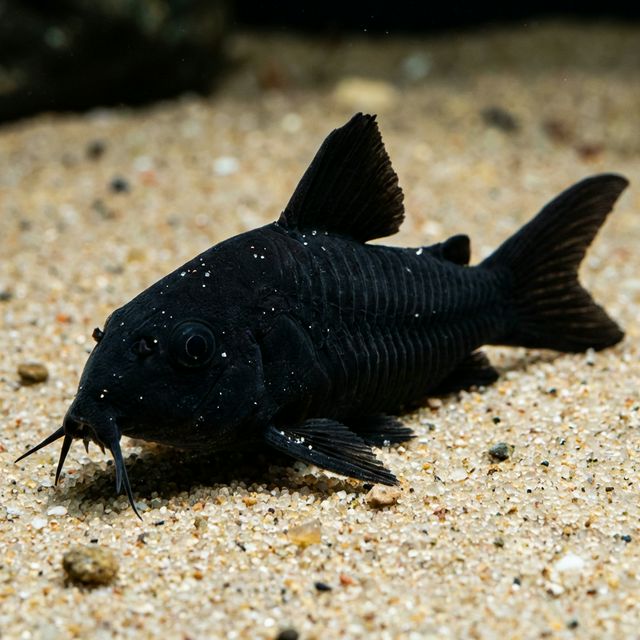
A striking, deep black corydoras. Also known as the Venezuela Black Cory.

Black Cory
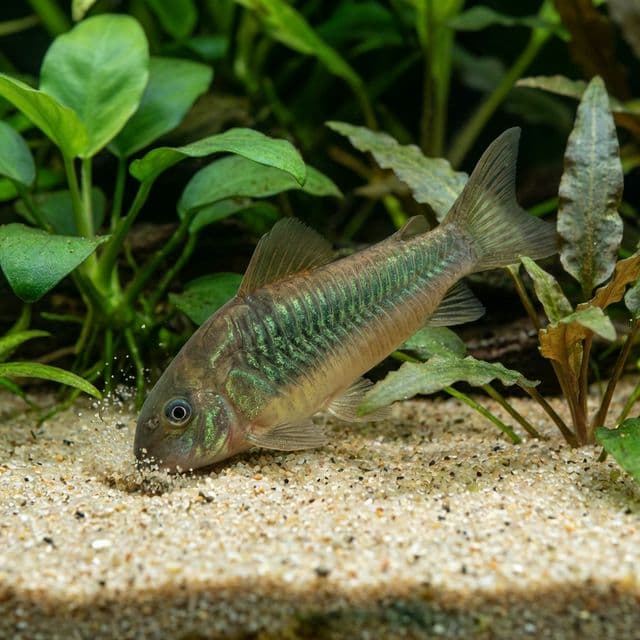
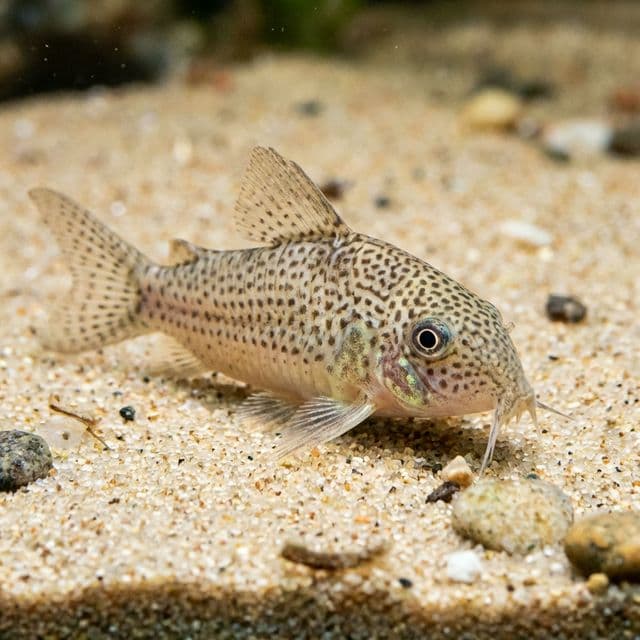
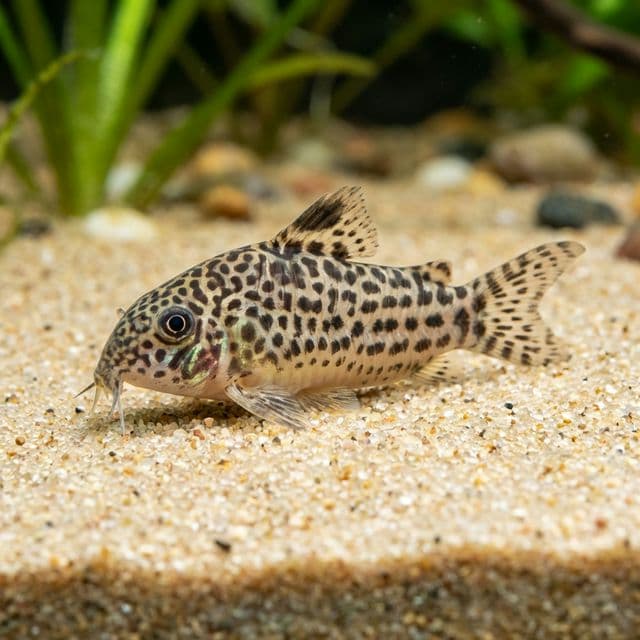
The Black Cory, scientifically known as Osteogaster schultzei, is a small, bottom-dwelling freshwater fish that has gained popularity among aquarists for its unique appearance and peaceful disposition. Featuring a sleek, jet-black body that may exhibit shimmering iridescent highlights, the Black Cory adds an elegant contrast to community tanks, especially when paired with vibrant, colorful species. Its compact size, typically reaching around 2.5 to 3 inches (6 to 8 cm), makes it an ideal candidate for smaller aquariums while still providing captivating movement and activity as it forages on the substrate.
In addition to its striking aesthetics, the Black Cory has significant cultural value in the aquarium hobby. As part of the Corydoras genus, this species offers insight into the ecological intricacies of South American rivers and serves as a living example of the biodiversity that these environments harbor. With its social nature and playful behavior, the Black Cory is often seen darting around in schools, which makes it not only a joy to observe but also an essential species for creating balanced and interactive community setups.
Natural Habitat & Origin
The Black Cory is native to the slow-moving waters and tributaries of the Amazon Basin, primarily found in Brazil and areas surrounding the Rio Xingu. Thriving in a variety of aquatic environments, these fish typically inhabit blackwater systems, characterized by dark, stained water that results from the decomposition of organic matter in densely forested areas. This natural habitat indicates that Black Corys are adapted to lower light conditions and have evolved to prefer soft, acidic water, usually with a pH ranging from 5.5 to 7.0.
In these environments, Black Corys can be found amongst the leaf litter, submerged roots, and branches, where they scavenge for food. Their natural instinct to root around in the substrate makes them crucial for maintaining the ecological balance in their habitats, as they help in sifting through organic material. Such behavior is replicated in the aquarium, where their environmental needs should be considered for optimal health and behavior.
Care Requirements
To ensure the well-being of Black Corys in captivity, understanding their specific care requirements is essential. The recommended tank size for a group of at least six Black Corys is a minimum of 20 gallons (75 liters), allowing ample swimming space and room for territorial behavior. Water parameters should be closely monitored, ideally maintaining a temperature between 74°F to 80°F (23°C to 27°C), with a pH ranging from 6.0 to 7.5. Hardness should be kept around 2-12 dGH, reflecting the soft, acidic waters of their natural habitat.
In terms of tank setup, a sandy substrate is preferred, as it prevents damage to their sensitive barbels while allowing them to exhibit their natural foraging behavior. Soft, low-light plants such as Java moss, Anubias, and Cryptocoryne can provide both shelter and surface area for beneficial biofilms, which aid in their diet. Soft lighting is also recommended to mimic their natural environment and promote a stress-free atmosphere.
Diet & Feeding
Black Corys are omnivores and have a varied diet in the wild that consists of detritus, small invertebrates, and plant material. In captivity, they should be offered a balanced diet to maintain their health and vibrancy. High-quality sinking pellets specifically formulated for bottom feeders can serve as a staple food source. Additionally, providing high-protein options such as frozen or live foods (e.g., brine shrimp, daphnia) once or twice a week will enhance their nutrition and encourage natural foraging behavior.
Aquarists should also supplement their diet with occasional vegetable matter, such as blanched spinach or zucchini, to mimic the natural variety found in their habitat. It is essential to avoid overfeeding, which can lead to poor water quality; hence, a feeding regimen of 2-3 small meals per day is preferable.
Behavior & Temperament
The Black Cory is known for its generally peaceful temperament and sociable nature. These fish thrive in groups and display schooling behavior, often seen sticking together as they explore the tank substrate. Their social interactions not only promote a healthy environment but also help reduce stress levels among individuals. They tend to be non-aggressive, making them ideal tenants in community tanks alongside other peaceful species.
In terms of vertical placement, Black Corys primarily inhabit the lower part of the tank, often scouring the sand for edible morsels. Occasionally, they may swim mid-water or explore upper areas as they engage in playful interactions with fellow school members, showcasing their lively personality. While they are generally shy, providing hiding spots and structures can help them feel secure and encourage more active behavior.
Tank Mates
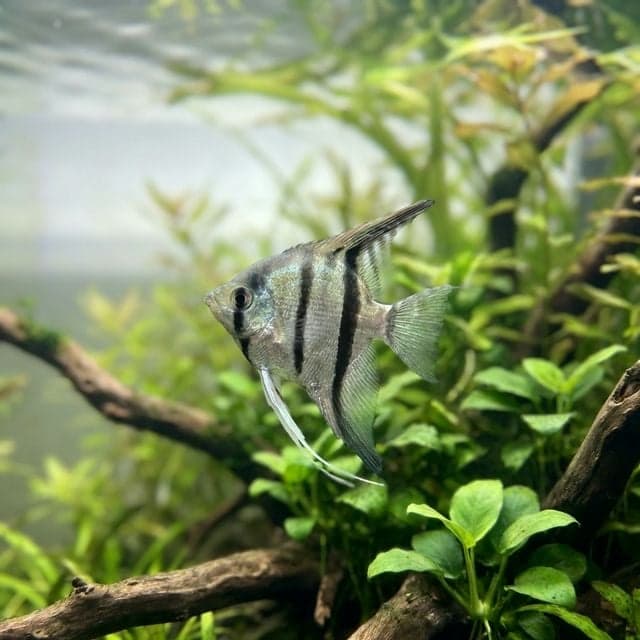
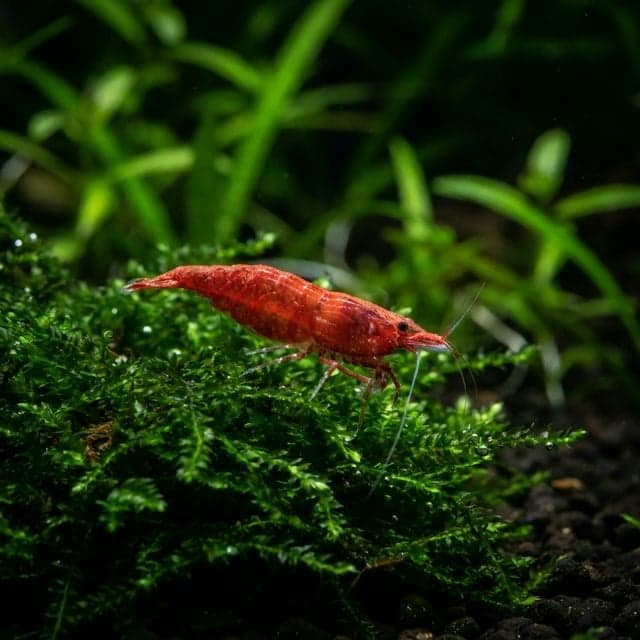
When selecting companions for Black Corys, it is essential to choose tank mates that share similar water parameters and temperament. Ideal tank mates include peaceful community fish such as Neocardinia shrimp, tetras (like Neon and Rummy Nose), Guppies, and Rasboras. Additionally, other Corydoras species can be kept together, which often enhances the schooling behavior observed in these social fish.
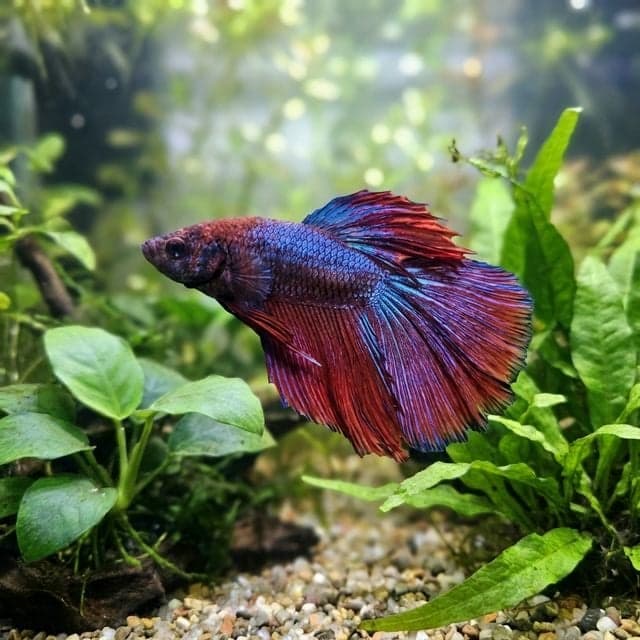
Species to avoid include aggressive fish, those with long fins such as Betta fish, or territorial species that could outcompete them for food or space. Larger cichlids, indeed, are also unsuitable due to their potential for aggression towards smaller bottom-dwellers like the Black Cory. Creating a harmonious environment with balanced community dynamics will ultimately benefit all inhabitants of the aquarium.
Breeding
Breeding Black Corys in captivity can yield positive results with proper conditions in place. These fish are known to spawn during the rainy season in their natural habitat, which can be simulated in captivity by performing regular water changes with slightly cooler water (around 2-3°F lower than the tank temperature). A small breeding tank of about 10 gallons (38 liters) is recommended, featuring a sandy substrate and gentle filtration to prevent damage to the eggs.
The breeding process begins with the male performing courtship displays, leading the female to suitable areas for egg laying, often among plants or on flat surfaces. After fertilization, the eggs will be adhered to surfaces, and parents should be removed shortly after spawning, as they may consume the eggs. The eggs hatch in about 3 to 5 days, and once free-swimming, the fry should be offered infusoria or finely crushed flakes until they can consume appropriately-sized foods.
Common Health Issues
Though robust and relatively hardy, Black Corys can be prone to several common health issues primarily related to poor water quality. Some prevalent diseases include ich (white spot disease) and fin rot, often resulting from stress or high ammonia levels in the tank. Regular water changes, proper filtration, and maintaining a stable environment will significantly reduce these risks.
Providing a well-balanced diet aids in preventing nutritional deficiencies, while attention to stressors, such as overcrowding or aggressive tank mates, will help in keeping Black Corys healthy. It is advisable to monitor their appearance and behavior routinely to catch symptoms of illness early. Early detection and appropriate treatment can help ensure the longevity and vitality of these lovely fish.