The Black Ghost Knifefish: Apteronotus albifrons
A mesmerizing, nocturnal electrical fish that glides through the water with a ghost-like grace. Requires a large tank and excellent water quality.

Black Ghost Knifefish
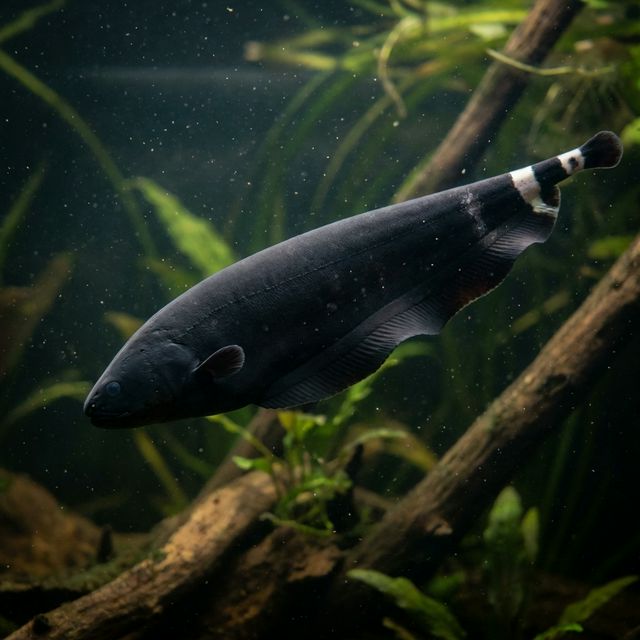
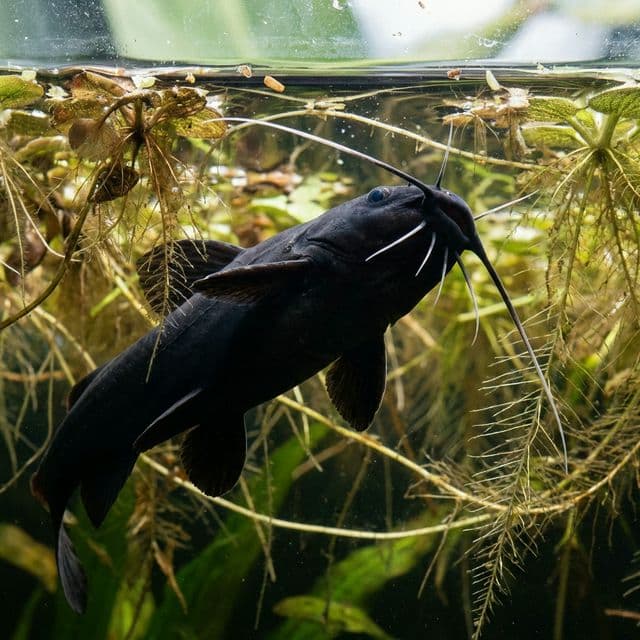
The Black Ghost Knifefish, scientifically known as Apteronotus albifrons, is a captivating freshwater fish admired for its unique morphology and enchanting swimming style. Its elongated, ribbon-like body, complemented by a sleek, jet-black coloration, makes it a striking addition to any aquarium. With a subtle luminescent quality in its fins, the Black Ghost Knifefish glides gracefully through the water, creating an ethereal presence that many aquarists find alluring. Originating from the waters of South America, particularly within the Amazon Basin, it is not just a supreme visual spectacle; the Black Ghost Knifefish also holds significant cultural importance in its native regions and has become a favorite among aquarium enthusiasts worldwide.
In the aquarium hobby, the Black Ghost Knifefish is often sought after due to its fascinating behaviors and ability to adapt to various tank conditions, making it suitable for both beginner and advanced keepers alike. This species exhibits a gentle yet intriguing temperament, often displaying playful interactions with its environment and tank mates. As nocturnal creatures, they capitalize on their unique electroreceptor capabilities to navigate in dark waters, making them not only an aesthetically pleasing fish but also an intelligent and interactive one. This combination of beauty and intrigue solidifies the Black Ghost Knifefish's place as a premium choice in aquarist circles.
Natural Habitat & Origin
The Black Ghost Knifefish is native to the slow-moving and often murky rivers and floodplains of the Amazon Basin, which spans across several South American countries, including Brazil, Colombia, and Peru. These aquatic environments are characterized by their dark, acidic waters rich in organic materials, particularly due to the seasonal inundation of surrounding foliage. As such, the natural habitat of the Black Ghost Knifefish typically features blackwater conditions, where dissolved tannins impart a tea-like hue. This unique environment comprises submerged structures such as driftwood, plant matter, and leaves, providing both shelter and foraging opportunities.
In the wild, the Black Ghost Knifefish prefers areas with dense cover, such as submerged vegetation and shadows cast by rocks or branches, which allow it to thrive and navigate its surroundings. Consequently, replicating this natural habitat in aquariums is critical for their overall health and wellbeing. Providing environments akin to their native waters not only enhances their physical appearance but also encourages natural behaviors, thereby enriching the overall aquarium experience.
Care Requirements
Caring for the Black Ghost Knifefish requires a thorough understanding of its specific water parameters and environmental needs. The ideal pH level for this species ranges from 6.0 to 7.5, with a soft to moderately hard water hardness of 5 to 15 dGH. Temperature should be maintained between 24°C to 28°C (75°F to 82°F). These parameters ensure that the fish remains healthy and active, as fluctuations outside these ranges can lead to stress and susceptibility to diseases.
When setting up a tank for the Black Ghost Knifefish, a minimum size of 55 gallons is recommended, as they can grow up to 20 inches in length. The tank should be furnished with a soft substrate, like sand or fine gravel, to prevent injury to their delicate undersides. Dim lighting is ideal, as this mimics their natural habitat, and using floating plants can help diffuse light and create shaded areas. Additionally, incorporating lots of hiding spots made from driftwood and plants can provide essential cover for these timid fish and facilitate their comfort in the aquarium.
Diet & Feeding
The Black Ghost Knifefish is primarily carnivorous, although it may consume some plant matter in captivity, classifying it as an omnivore. In the wild, their diet mainly consists of small invertebrates, crustaceans, and other fish that they can hunt using their electrolocation abilities. In an aquarium setting, a balanced diet should include high-quality sinking pellets, frozen foods such as bloodworms, brine shrimp, and live foods like daphnia or blackworms to satisfy their nutritional needs and mimic their natural feeding habits.
Aquarists should aim to feed the Black Ghost Knifefish several small meals throughout the day instead of one large feeding to prevent overfeeding and ensure proper digestion. As nocturnal feeders, it is often most active during the evening, making it beneficial to schedule feedings during this time. A diverse diet not only keeps these fish healthy but also enhances their color and overall vitality, making them an even more striking addition to the aquarium.
Behavior & Temperament
The Black Ghost Knifefish is known for its gentle demeanor and unique swimming style, which involves undulating its elongated body and using its pectoral fins for propulsion. This species exhibits a solitary temperament and is primarily nocturnal, meaning it may spend much of the day hiding among decor. Although they can be kept with other fish, it is essential to consider their shy nature, as they may become stressed in overly boisterous or aggressive tank environments.
In terms of social behavior, the Black Ghost Knifefish may show varying levels of engagement with other tank mates, often preferring to occupy the middle to bottom levels of the aquarium. While they are generally peaceful, some individuals may display territorial behaviors, particularly during feeding times. Thus, careful consideration should be given when selecting tank mates and providing adequate space to reduce the chances of stress-related issues.
Tank Mates
Choosing appropriate tank mates for the Black Ghost Knifefish is vital to maintaining harmony in the aquarium. Compatible species include larger tetras, such as Glowlight or Black Phantom Tetras, and peaceful catfish species, like Corydoras and Bullheads, which can coexist without provoking aggression. Other species that successfully cohabitate with the Black Ghost Knifefish include larger danios and some types of rasboras.
Conversely, it is essential to avoid aggressive fish or overly active species like Cyprinids (e.g., Barbs) and fast-moving Cichlids (such as Jack Dempsey and African Cichlids). These fish can stress the Black Ghost Knifefish, leading to territorial disputes and injuries. Additionally, ultra-small or timid species that occupy the same feeding zone may be seen as prey, further complicating tank dynamics.
Breeding
Breeding the Black Ghost Knifefish in captivity can be quite a challenge, primarily because they are sexually mature only after reaching a length of around 8-10 inches. Spawning is typically attempted in soft, slightly acidic water with a temperature of 26°C to 28°C (78°F to 82°F). Prospective breeders should ensure that the pair shares ample space and hiding spots to reduce stress during the breeding process.
In their natural habitat, Black Ghost Knifefish lay adhesive eggs amongst dense vegetation or submerged structures. In the aquarium, creating a designated breeding area with spawning mops or fine-leaved plants can encourage successful spawning. Post-breeding, the adults should be removed to prevent them from eating the eggs or fry, as parental care is minimal with this species.
Common Health Issues
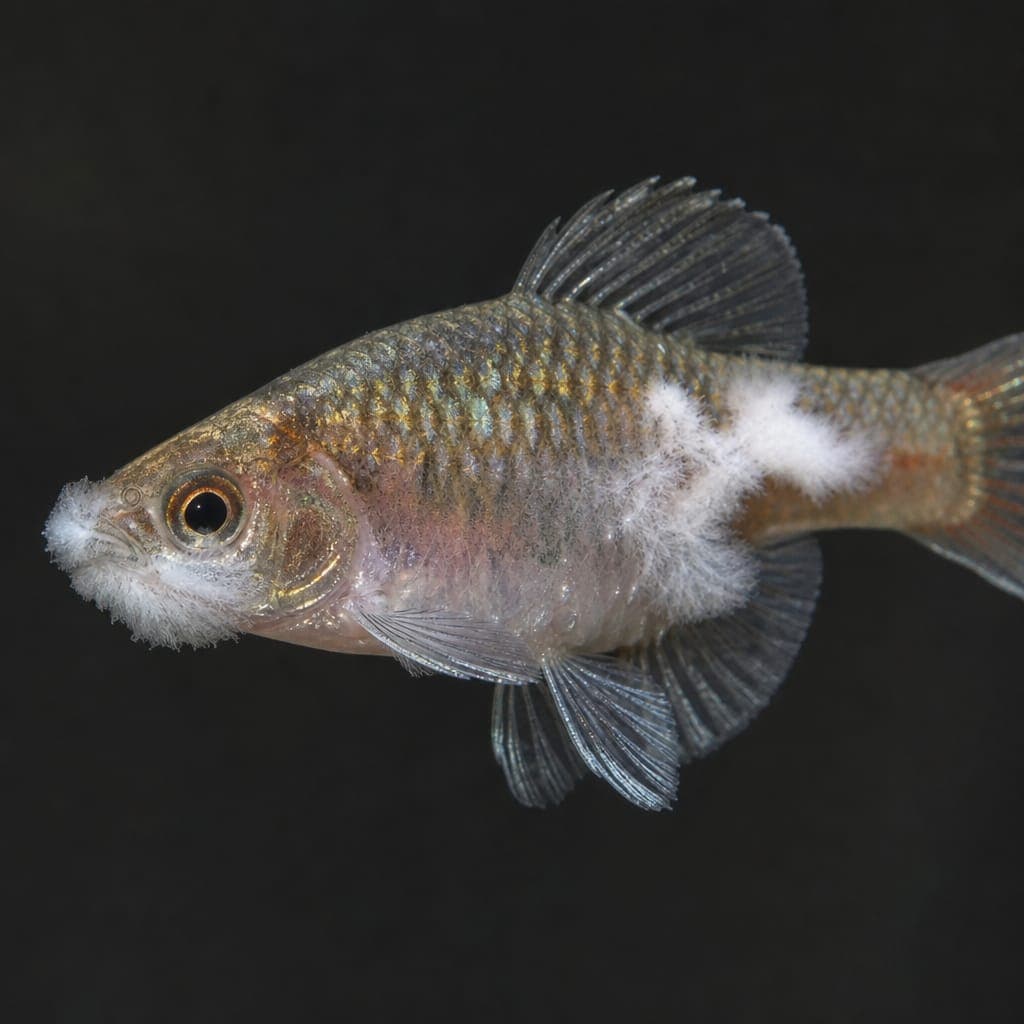
The Black Ghost Knifefish may be prone to several health issues, including ich (Ichthyophthirius multifiliis), fungal infections, and freshwater parasitic diseases like flukes and nematodes.