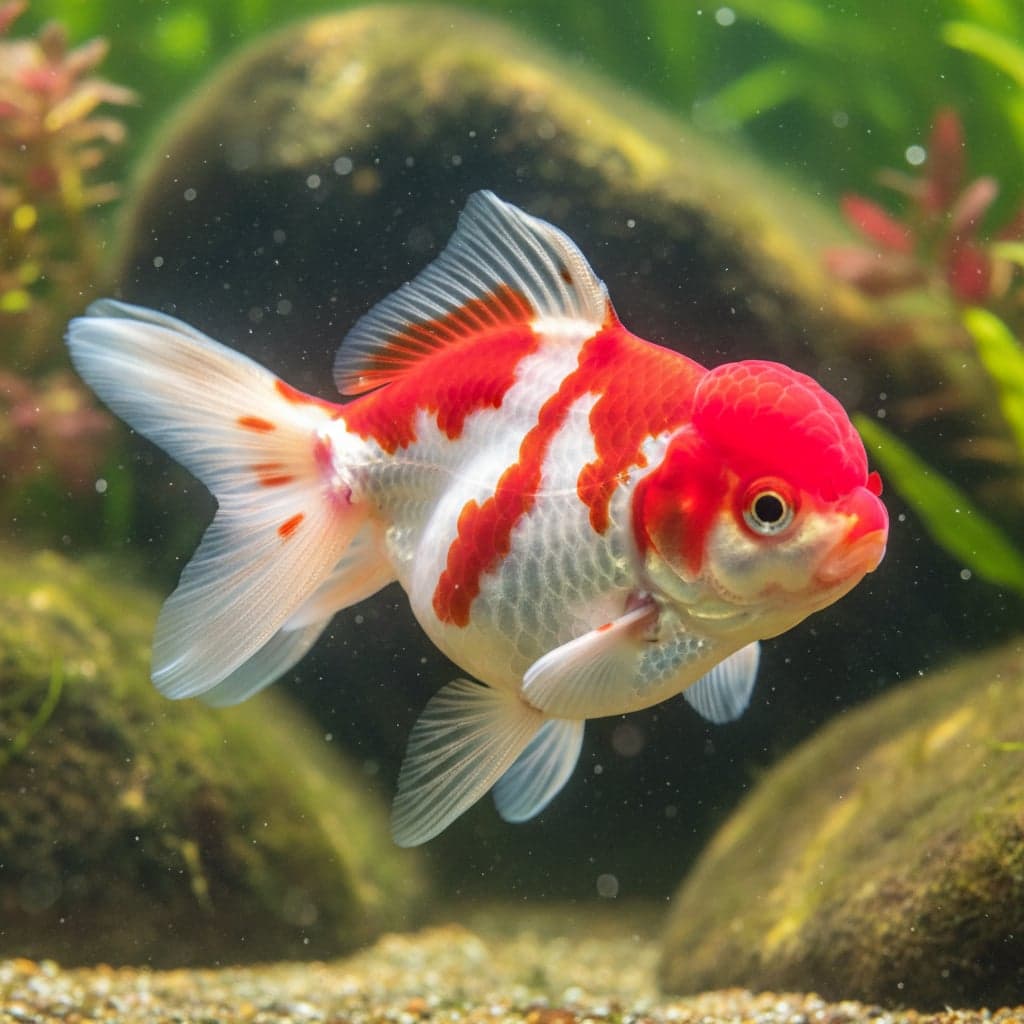
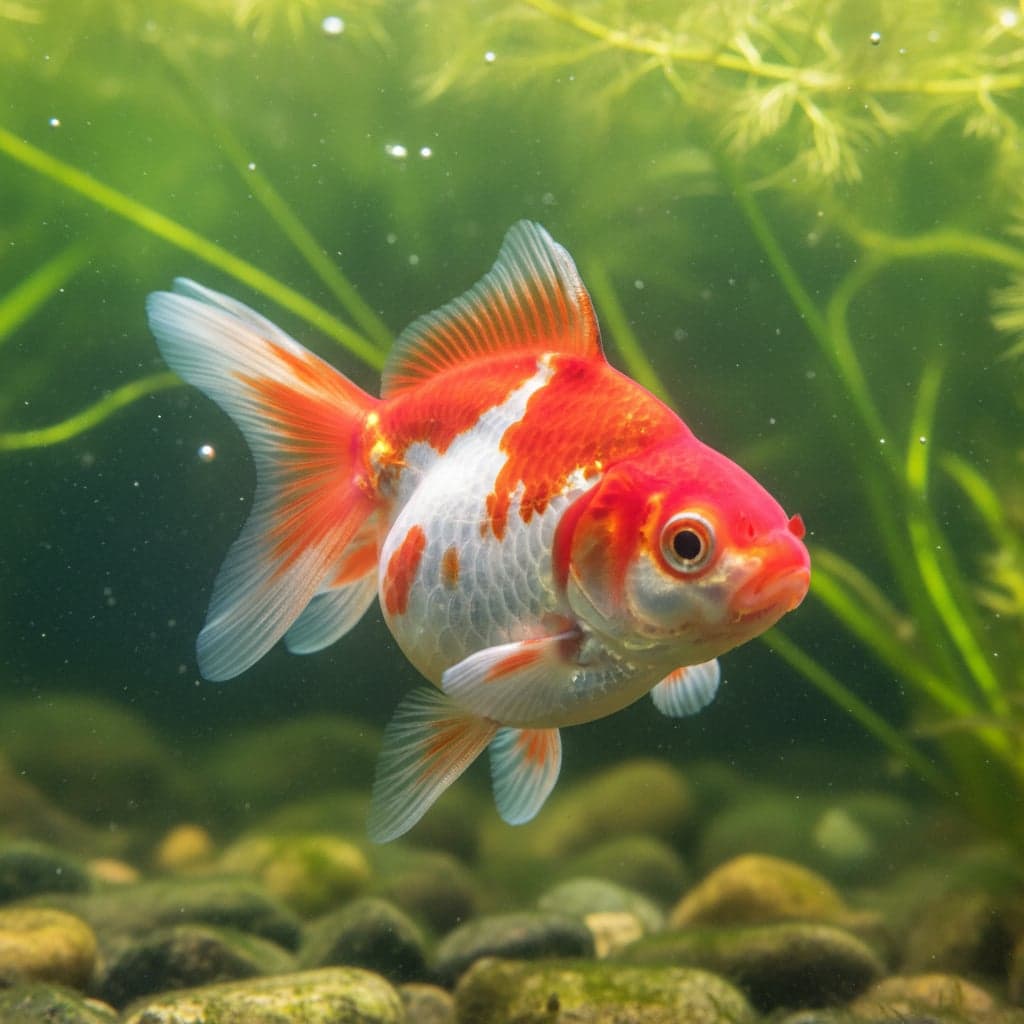
Black Moor: Carassius auratus
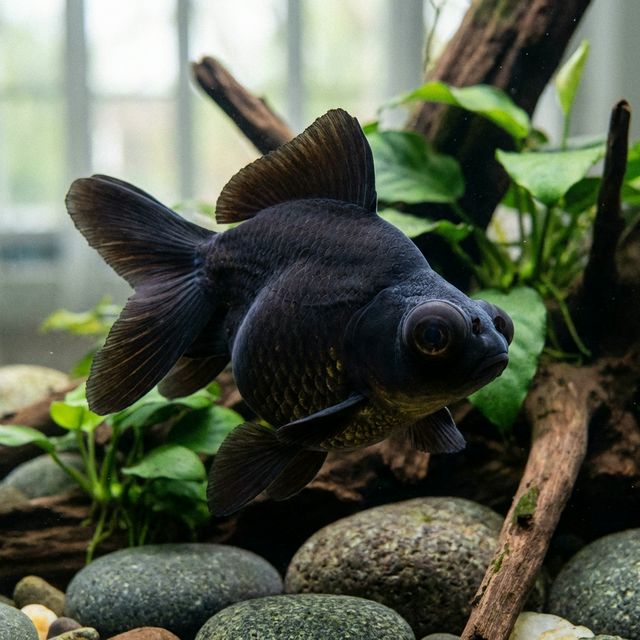
A popular fancy goldfish variety with telescope eyes and deep black velvet scales.

Black Moor
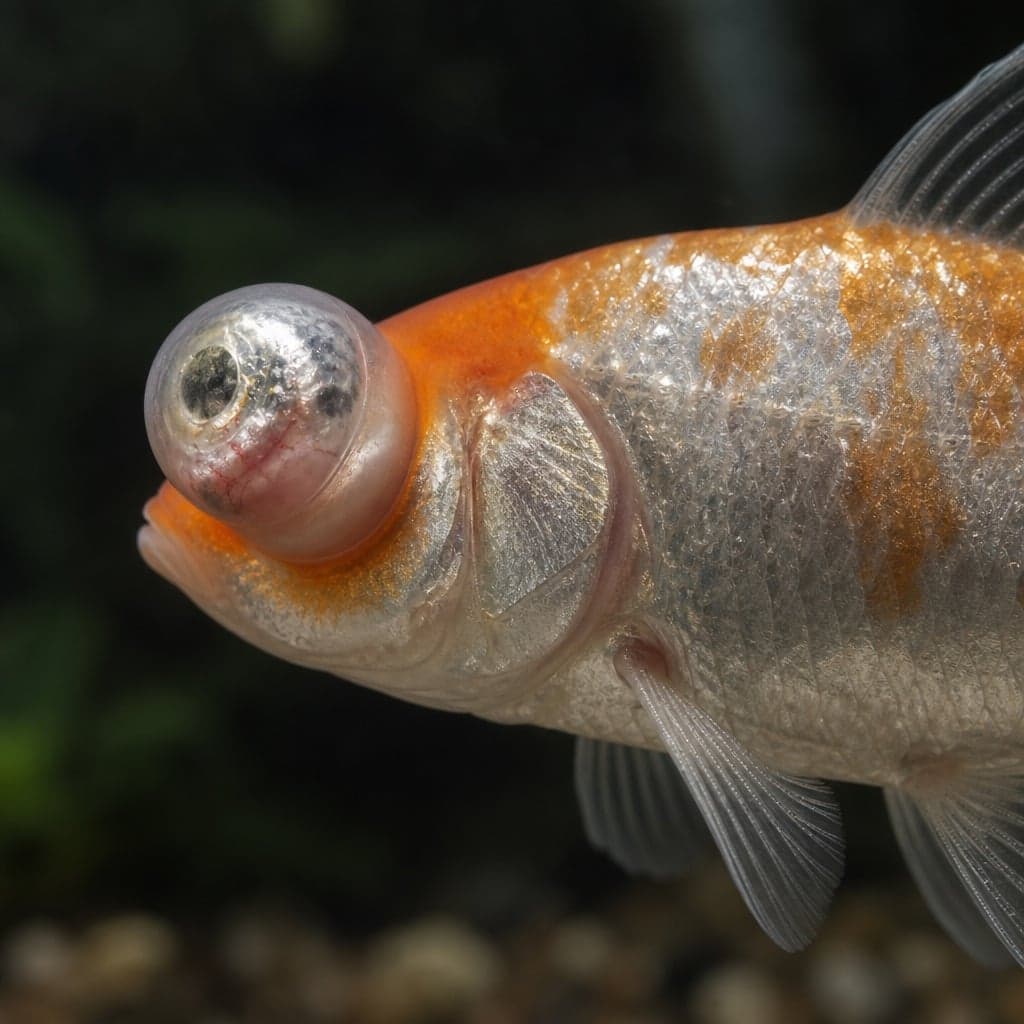
The Black Moor, scientifically known as Carassius auratus, is an enchanting variety of goldfish characterized by its distinctively deep-set, bulbous eyes and a velvety, jet-black coloration. Its appearance is not just striking; the unique shape of the Black Moor contributes to its charm. With a rounded body and flowing fins that can reach impressive lengths, this fish is a captivating addition to any aquarium. The deep black color contrasts beautifully with brightly colored plants and substrates, providing a visually stunning display. The Black Moor is also significant in the aquarium hobby for its gentle demeanor and ease of care, making it an ideal choice for both novice and experienced aquarists.
Originating from selective breeding of the common goldfish, the Black Moor has become a popular variant in the aquatic world. Known for its peaceful nature, it serves as an excellent community fish, often cohabiting with various non-aggressive species. As aquatic enthusiasts continue to seek out unique and visually appealing fish, the Black Moor remains a staple in many hobbyists' collections, appreciated not only for its beauty but also for its low-maintenance requirements.
Natural Habitat & Origin
The Black Moor does not have a specific wild habitat, as it is a domesticated variant of the common goldfish, which is native to East Asia. In its ancestral form, Carassius auratus thrives in various freshwater environments, including ponds, lakes, and rivers, typically in slow-moving water bodies with lots of vegetation. The Black Moor, being a product of artificial selection, is often kept in aquaria that replicate these natural environments. These fish are accustomed to a range of water types, generally favoring softer, slower-moving waters that contain ample cover.
In terms of environmental context, the Black Moor prefers habitats rich in plant life, which provide hiding spots and breeding grounds. These environments often have a moderate pH (around 6.5 to 7.5) and a temperature range that typically falls between 18°C to 23°C (65°F to 73°F). As such, replicating similar conditions in an aquarium not only promotes the health of the Black Moor but also enhances its vibrant colors and natural behavior.
Care Requirements
To successfully keep Black Moors in an aquarium, specific water parameters must be maintained. Ideally, the tank should have a pH level between 6.5 and 7.5, a temperature between 18°C to 23°C (65°F to 73°F), and moderate hardness ranging from 5 to 20 dGH. A minimum tank size of at least 20 gallons is recommended to provide ample swimming space and minimize stress, especially as these fish can grow to about 6 inches or larger.
When setting up an aquarium for Black Moors, it’s crucial to create a comfortable environment. A substrate of fine sand or smooth gravel is ideal, as it allows easy foraging and prevents damage to their delicate fins. Low to moderate lighting is preferred, mimicking their natural habitat, while plenty of live or artificial plants can be used to create hiding spots and safe areas. Additionally, a good filtration system is essential to maintain pristine water quality, as Black Moors are sensitive to waste accumulation.
Diet & Feeding
The Black Moor is classified as an omnivore and thrives on a varied diet. In their care, it's vital to provide a balanced mix of high-quality flakes, pellets, and occasional protein sources. While they can be fed specialized goldfish pellets that sink, incorporating frozen or live foods like brine shrimp and daphnia enhances their diet and helps with color enhancement. A well-rounded diet promotes healthy growth, vibrant colors, and overall wellness.
Feeding should be done in moderation to prevent overfeeding, a common issue with goldfish due to their tendency to gulp air while eating. It's advisable to offer small amounts of food two to three times a day, allowing the fish to consume everything within a few minutes. Ensuring a varied diet with both plant and protein-based foods will lead to a healthier and more robust Black Moor.
Behavior & Temperament
The Black Moor is primarily a peaceful and social fish, often thriving in community tanks. Although they do appreciate the company of their own kind, they can also coexist beautifully with other non-aggressive species. Their temperament is generally calm, making them suitable for community settings. However, their poor eyesight due to their bulging eyes means they might pair best with slow-moving and non-nippy fish.
Interestingly, while Black Moors are not schooling fish in the traditional sense, they do enjoy being in groups, as it helps alleviate stress and encourages natural behaviors. They are usually found at the mid to bottom levels of the tank, as they prefer straying near the substrate where they can scavenge for food. Although they aren’t aggressive, it’s advisable to keep an eye on social dynamics, especially in mixed-species tanks.
Tank Mates
When selecting tank mates for the Black Moor, the primary factor is compatibility in temperament and swimming habits. Ideal companions include other goldfish varieties, such as Fantails and Orandas, as well as peaceful species like Corydoras catfish, Ghost shrimp, and certain tetras (like Neon or Rummy Nose). Avoiding aggressive or nippy fish, such as Tiger Barbs or Cichlids, is crucial, as these can injure the Black Moor due to its delicate fins and slower pace.
Additionally, it's wise to consider tank mates that share similar water parameter preferences to ensure a harmonious environment. Fish such as Platys, Guppies, and Mollies may also work well, provided they are not overly active or aggressive. Creating a balanced community that respects the Black Moor's gentle nature will lead to a more enjoyable aquarium experience.
Breeding
Breeding Black Moors in captivity can be a rewarding yet challenging endeavor. Spawning typically occurs in the spring when water temperatures rise, and the fish are in prime condition. To successfully breed, it’s important to create a separate breeding tank with a capacity of at least 30 gallons, complete with plenty of fine-leaved plants or spawning mats that serve as a surface for the eggs.
During the spawning process, males will chase females vigorously, often leading to the release of eggs, which are adhesive and will stick to plants or substrate. After spawning, it is crucial to remove the adults, as they might consume the eggs. Egg hatching usually occurs within 3-5 days at appropriate temperatures. Once the fry are free-swimming, they can be fed infusoria or finely crushed flakes until they grow large enough to transition to standard fish food.
Common Health Issues
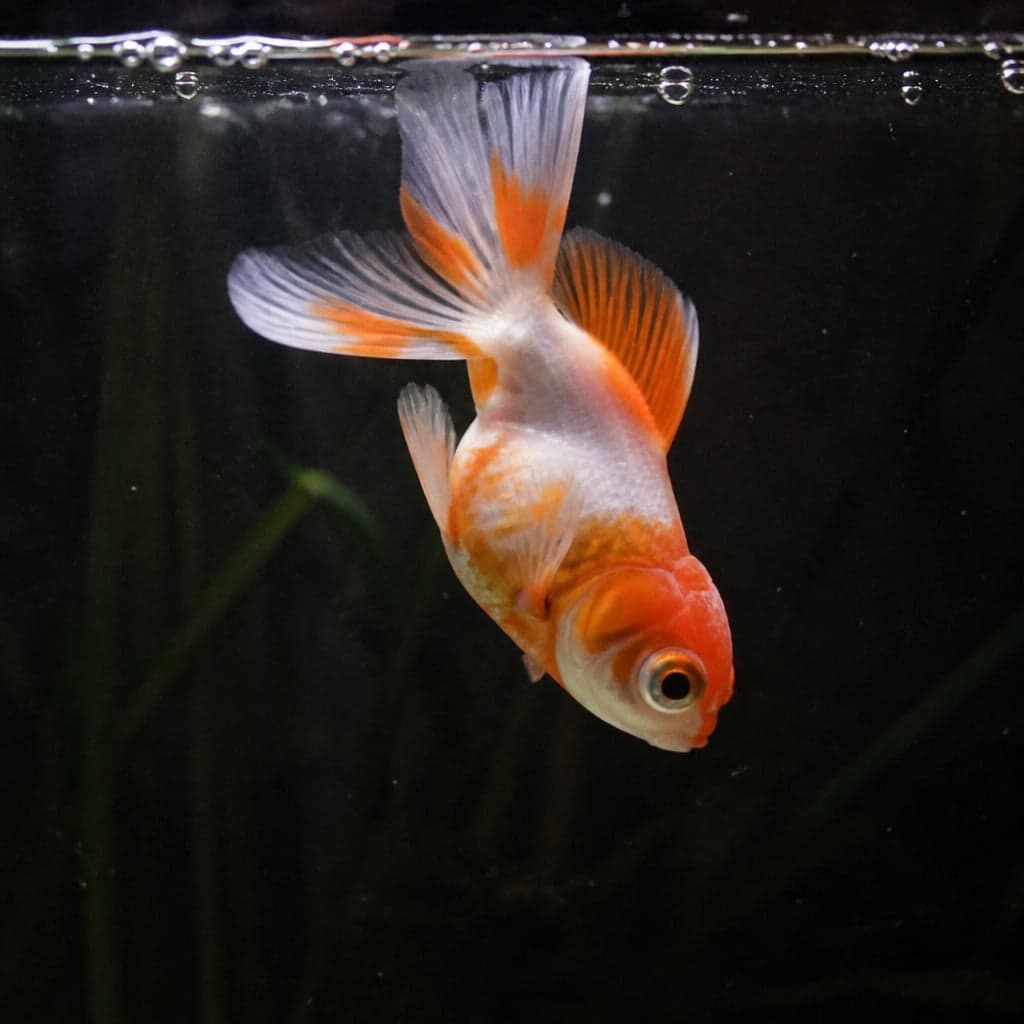
Black Moors, like all fish, can be susceptible to a variety of health issues. Their prominent eyes make them prone to injuries and infections such as eye cloud or pop-eye. They may also suffer from common goldfish ailments like swim bladder disorder, which affects their buoyancy, and ich (white spot disease), which can be exacerbated by poor water quality.
To prevent these issues, maintaining pristine water conditions is key. Regular water changes, proper filtration, and routine monitoring of water parameters will help prevent illness. A balanced diet and stress-free environments also contribute to a strong immune system for the Black Moor. Observing the fish regularly for any signs of distress or abnormal behavior will enable early detection and treatment of any potential health concerns.