The Black Phantom Tetra: Hyphessobrycon megalopterus
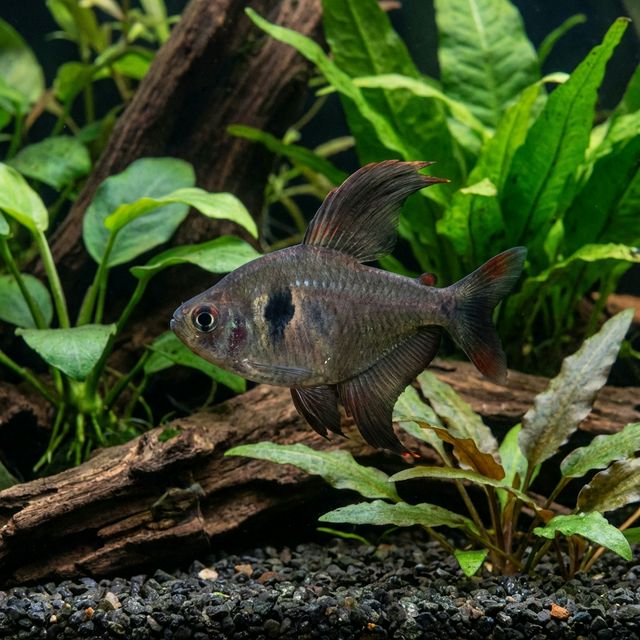
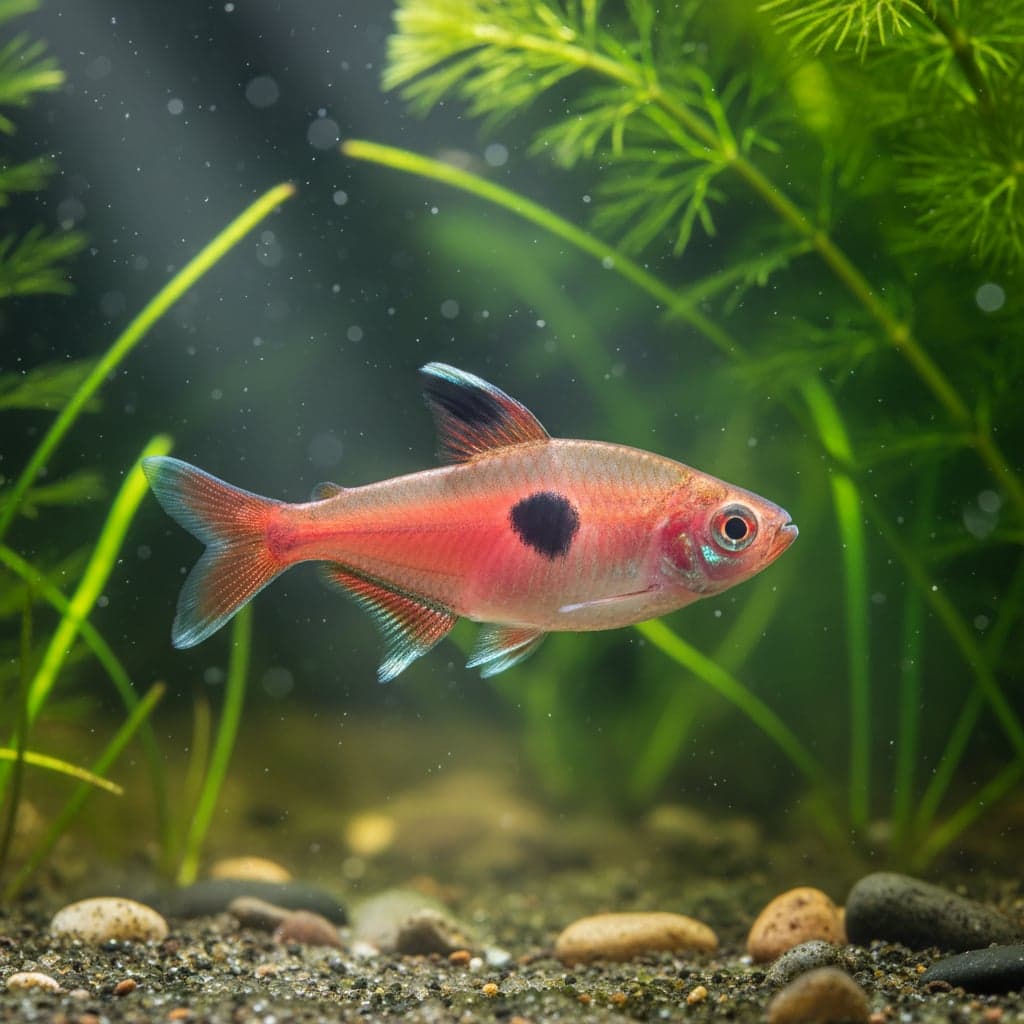
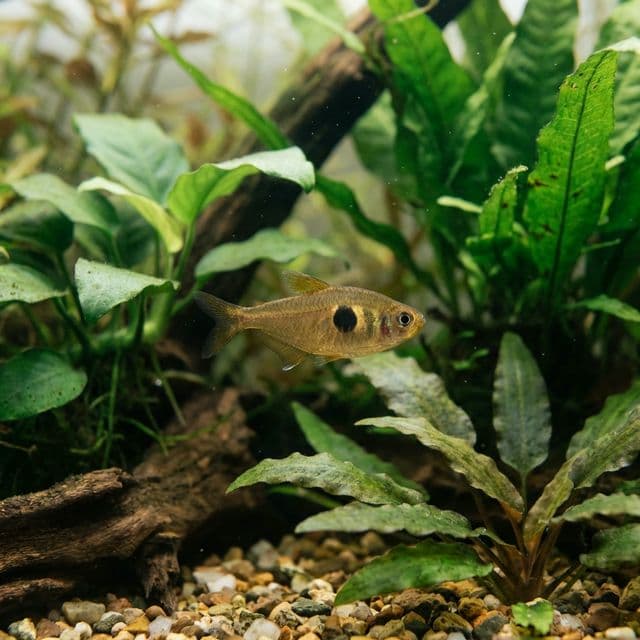
A striking, transparent-grey tetra with a dramatic black eyespot and tall, flowing fins. A peaceful but visually arresting addition to planted aquariums.
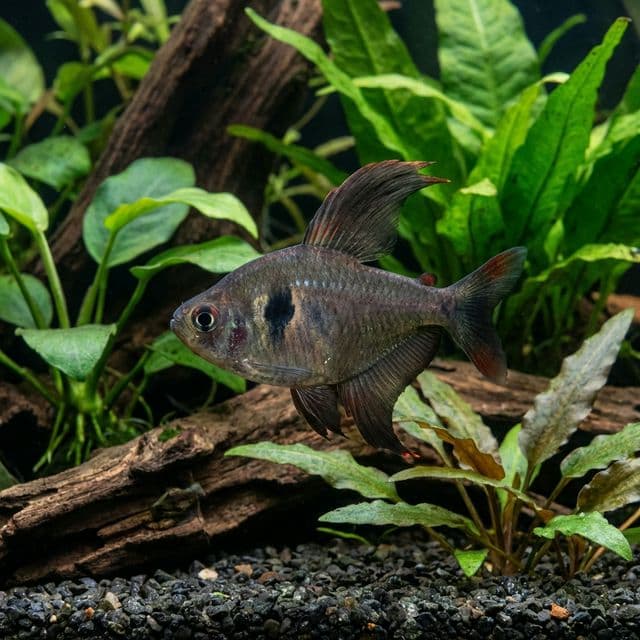
Black Phantom Tetra
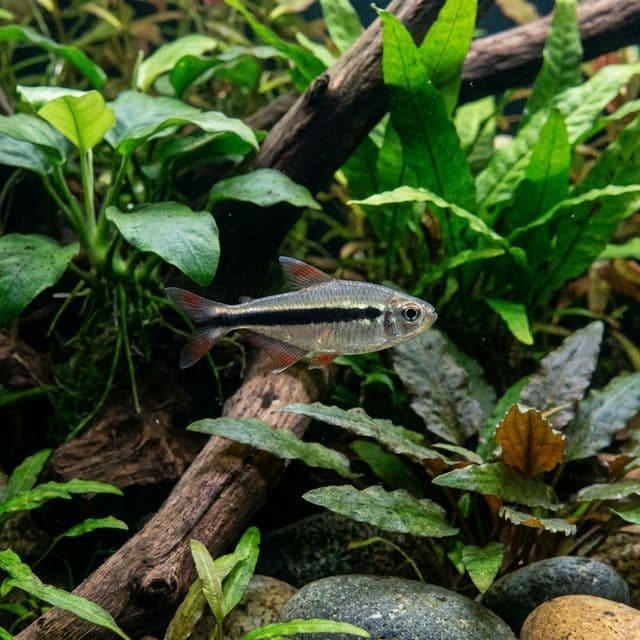
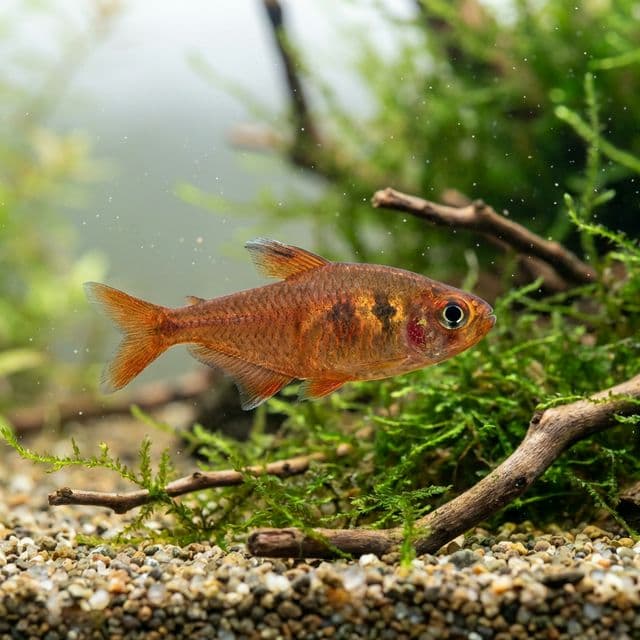
The Black Phantom Tetra (Hyphessobrycon megalopterus) is a captivating freshwater fish popular among aquarists due to its striking appearance and peaceful demeanor. With its elegant, dark body adorned with iridescent blue to green highlights, this tetra exhibits a unique charm that can enhance the visual appeal of any aquarium. The distinguishing feature of the Black Phantom Tetra is its large, triangular dorsal fin and flowing caudal fin, which give it a graceful swimming motion. A mature Black Phantom Tetra can grow up to 2.5 inches (6 cm) in length, making it an ideal addition to community tanks.
In addition to its aesthetic value, the Black Phantom Tetra holds significance in the aquarium hobby for its adaptability and ease of care, making it an excellent choice for novice and experienced aquarists alike. It is renowned for its tranquil nature, which allows it to thrive in peaceful community setups. Its schooling behavior and active swimming patterns create dynamic displays, capturing the essence of a vibrant underwater ecosystem. For these reasons, it is not just a visually appealing species but also a cornerstone of many aquarist collections.
Natural Habitat & Origin
The Black Phantom Tetra is native to the freshwater rivers and streams of South America, specifically found in the Amazon Basin, predominantly in countries such as Brazil and Peru. Preferring warm and nutrient-rich environments, these fish inhabit blackwater habitats filled with decaying plant matter and organic debris. The water conditions in their natural habitat typically exhibit low pH levels and soft water, often stained a dark color due to the tannins released by decomposing plant materials. This blackwater environment offers them shelter and plentiful food sources, which are crucial for their development and growth.
The mountainous regions surrounding the Amazon River create a unique environment where the Black Phantom Tetra has evolved to adapt to fluctuating water conditions, including varying degrees of light penetration and water flow. Understanding these natural habitats not only sheds light on their ecological importance but also helps aquarists recreate an ideal environment for them to thrive in captivity.
Care Requirements
When caring for Black Phantom Tetras, it is vital to maintain specific water parameters to ensure their health and well-being. The ideal pH range for these fish is between 5.5 and 7.0, with a temperature maintained between 72°F and 80°F (22°C to 27°C). The hardness of the water should be kept between 4 to 12 dGH to mimic their natural habitat conditions.
For tank setup, a minimum aquarium size of 20 gallons is recommended, as Black Phantom Tetras are social and prefer to be kept in groups of six or more. The substrate can consist of dark sand or fine gravel, enhancing the visibility of their colors. Incorporating plenty of live plants, driftwood, and aquarium decorations can create hiding spots and shaded areas, important for their comfort. Moderate lighting simulating dappled sunlight will further promote their well-being, while also allowing them to display their beautiful coloration.
Diet & Feeding
Black Phantom Tetras are omnivores, which means their diet comprises both plant and animal-based foods. In captivity, they thrive on a varied diet that includes high-quality flake foods, small pellets, and freeze-dried or frozen foods such as bloodworms, brine shrimp, and daphnia. It’s advisable to feed them multiple times a day in small amounts to prevent overfeeding, which can lead to health issues. Occasionally incorporating vegetable matter, such as spirulina flakes or blanched spinach, can aid in providing a balanced diet and promoting optimal health.
Ensuring their diet is rich in protein will not only contribute to their vibrant colors but will also enhance their immune system, making them less susceptible to disease. A varied and nutritious diet is crucial for the growth and overall vitality of Black Phantom Tetras.
Behavior & Temperament
In terms of behavior, Black Phantom Tetras are known for their peaceful and sociable nature. They prefer to swim in schools and exhibit a lively swimming pattern throughout the mid to upper levels of the aquarium. These tetras are generally non-aggressive and can coexist harmoniously with other peaceful species, making them an excellent choice for community tanks.
As schooling fish, it is recommended to keep at least six individuals together, as this helps reduce stress and encourages natural behaviors. They tend to be more confident and active when they are in larger groups. Positionally, they often inhabit the middle levels of the tank, frequently darting between plants and decorations, which enhances their vibrant and dynamic display.
Tank Mates
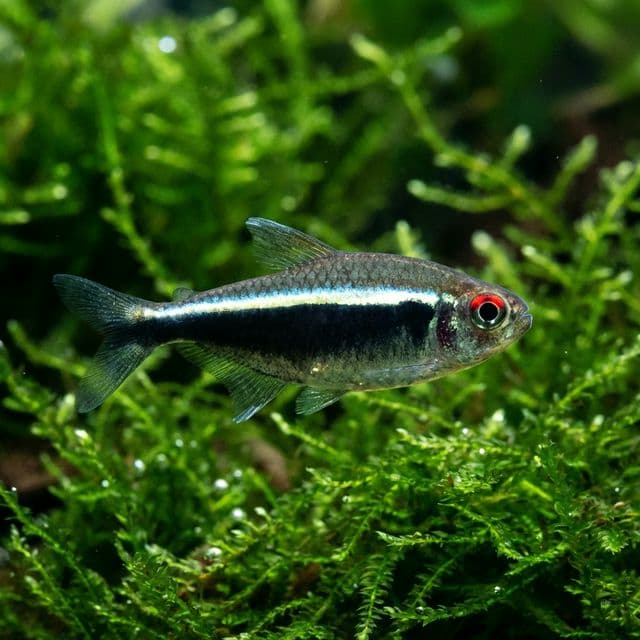
When selecting tank mates for Black Phantom Tetras, it is essential to consider their peaceful nature. Suitable companions include other small, non-aggressive species such as Neon Tetras, Corydoras Catfish, Guppies, Zebra Danios, and Rasboras. Additionally, many species of peaceful livebearers can coexist peacefully with these tetras.
It’s important to avoid housing them with overly aggressive species, such as Cichlids or larger predatory fish like Oscar fish, which may pose a threat to their safety. Additionally, fin-nipping species such as certain barbs can also stress Black Phantom Tetras, so careful consideration should be given when choosing tank mates to ensure a harmonious community environment.
Breeding
Breeding Black Phantom Tetras in captivity can be an exciting and rewarding experience for aquarists. These fish are egg scatterers and will require specific conditions to encourage spawning. To initiate breeding, they should be placed in a separate breeding tank that simulates their natural environment, featuring soft, slightly acidic water and abundant spawning plants, such as Java Moss or dense foliage.
The ideal conditions for breeding include a temperature around 75°F to 80°F (24°C to 27°C) and a pH around 6.0 to 6.5. The male Black Phantom Tetra can often be distinguished by their more pronounced dorsal fins and brighter coloration, while females will be slightly rounder. After inducing spawning through proper conditioning and environmental setup, the female will deposit eggs among the plants, which will hatch within 24 to 36 hours. It is crucial to remove the adult fish once spawning is complete, as they may consume the eggs.
Common Health Issues
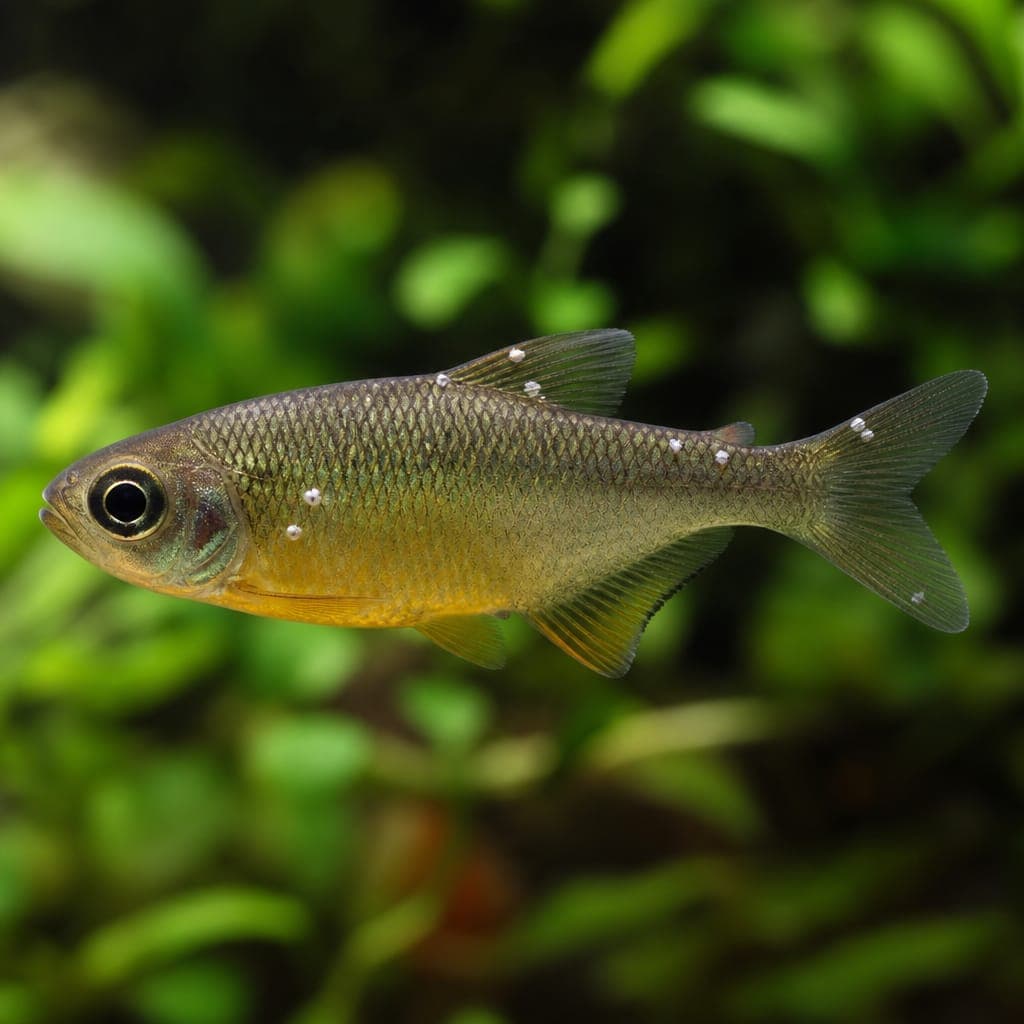
While Black Phantom Tetras are hardy fish, they can still be susceptible to several common health issues. One of the most prevalent conditions is ich (Ichthyophthirius multifiliis), a parasitic infection that manifests as small white spots on the fish's body and fins. Preventative measures include maintaining stable water conditions, performing regular water changes, and avoiding sudden temperature fluctuations.
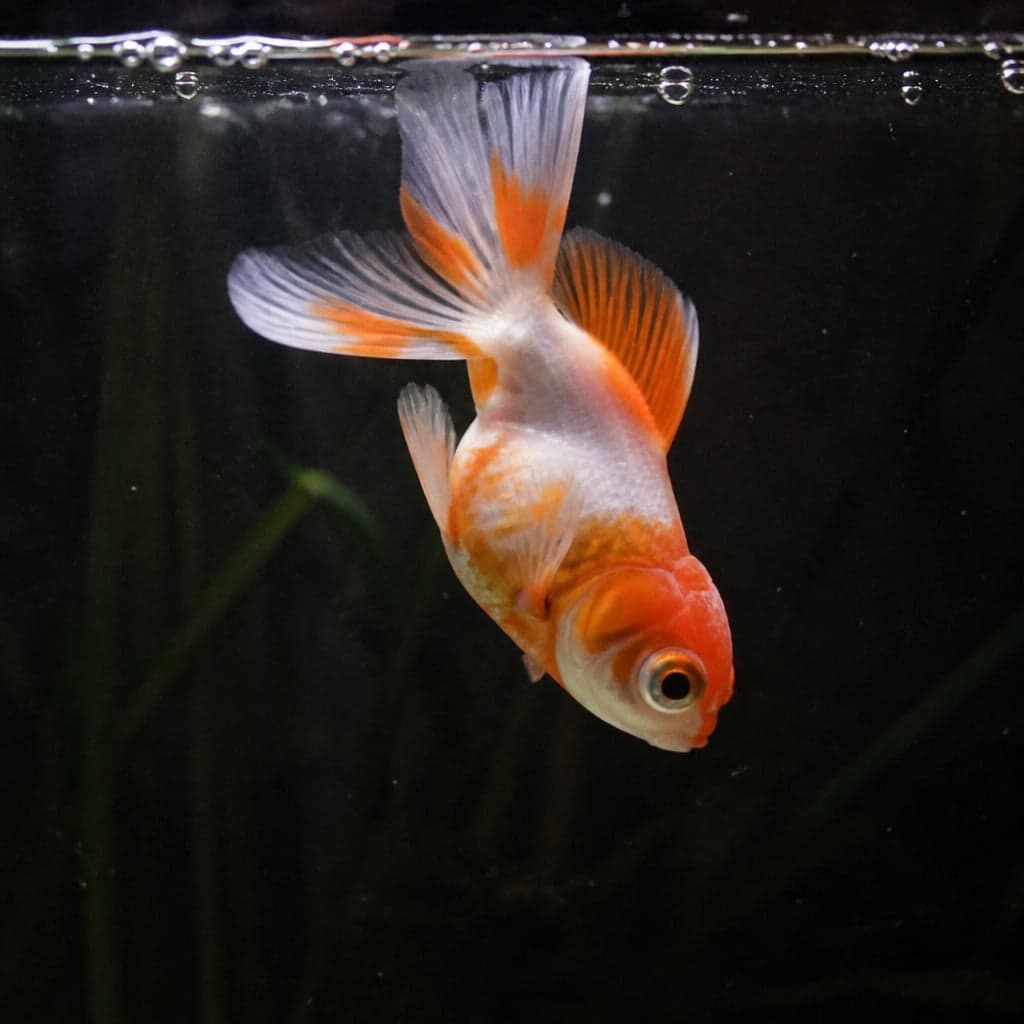
Other possible health concerns include fin rot, which can arise from poor water quality or environmental stressors, and swim bladder disorders, affecting their buoyancy. It's essential to closely monitor their health by observing behavior and appearance regularly, and acting quickly to treat any noted symptoms with appropriate medications or by adjusting their tank environment. Providing a clean, well-maintained aquarium combined with a balanced diet significantly contributes to their resilience against diseases.