The Black Skirt Tetra: Gymnocorymbus ternetzi
A hardy, dramatic tetra with a flowing black skirt-like anal fin. Bold, active, and slightly nippy—a classic for medium-sized community tanks.
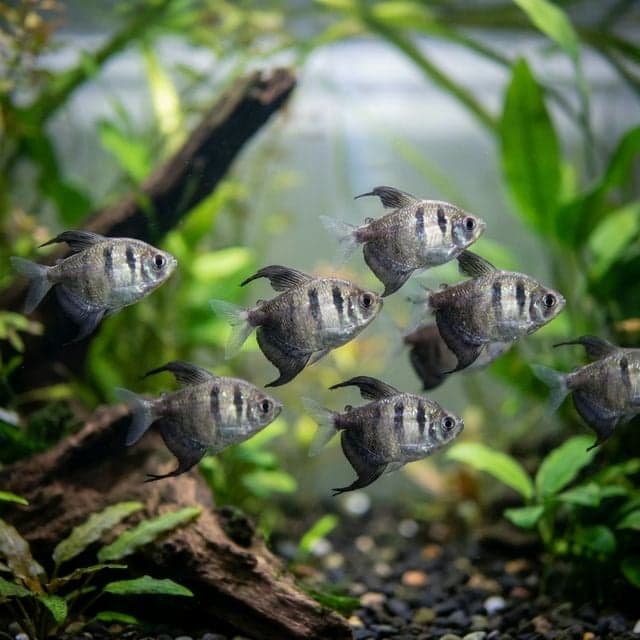
Black Skirt Tetra
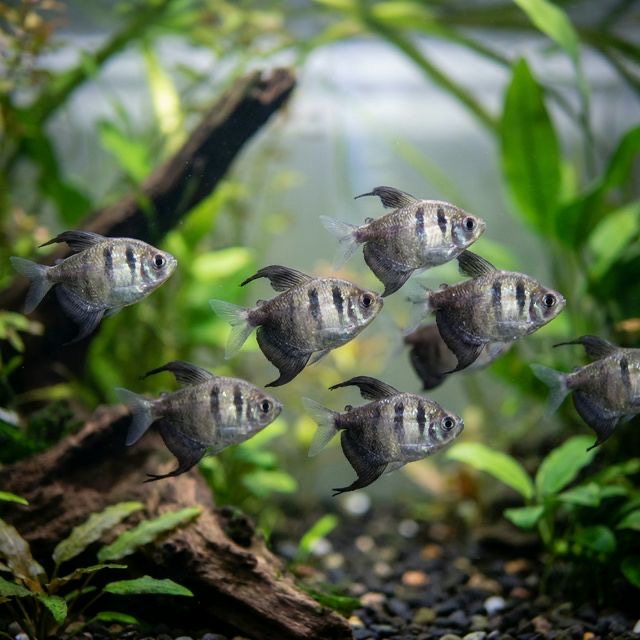
The Black Skirt Tetra, scientifically known as Gymnocorymbus ternetzi, is a small freshwater fish that has become a staple in the aquarium hobby. With its striking black coloration and distinctive flowing fins, this species captivates both novice and experienced aquarists alike. Typically growing to a maximum length of about 2 inches, the Black Skirt Tetra's appearance features a silvery body adorned with a jet-black skirt-like fin structure that adds grace and elegance to any community tank. Their lively swimming patterns and social nature make them a delightful addition to aquaria, where they can be observed darting through plants and swaying in the current.
Beyond its aesthetic appeal, the Black Skirt Tetra holds significance in the aquarium industry for its hardiness and adaptability. Originating from South America, particularly the rivers and streams of Brazil and Paraguay, this species is well-suited for a range of water conditions, making it an ideal choice for beginners and seasoned aquarists alike. The Black Skirt Tetra’s peaceful temperament encourages lively interactions, promoting a dynamic aquascape that appeals to fish keepers that value both biodiversity and the visual spectacle of an active tank.
Natural Habitat & Origin
The Black Skirt Tetra is originally found in the slow-moving waters of the Amazon River basin in South America, encompassing regions in Brazil, Paraguay, and Argentina. These fish thrive in shallow waters, typically in areas rich in vegetation where they can find shelter and forage. The environment is characterized by blackwater conditions that are nutrient-rich and slightly acidic, with a pH ranging from 6.0 to 7.0. The water often appears dark due to the tannins released from decaying plant material, which creates a unique habitat that is both protective and enriching for the species.
The Black Skirt Tetra is accustomed to warm temperatures in its natural habitat, usually varying between 72°F and 82°F (22°C to 28°C). This warm climate supports a diverse ecosystem, teeming with microorganisms that contribute to the omnivorous diet of these fish. The presence of dense vegetation in their natural habitats not only offers refuge from predators but also serves as an important breeding ground, where that natural behavior can be replicated in captivity.
Care Requirements
To successfully maintain Black Skirt Tetras in an aquarium setting, specific water parameters should be adhered to. Ideal conditions include a pH range of 6.0 to 7.5, a water temperature between 72°F and 82°F (22°C to 28°C), and a hardness level of 2 to 10 dGH. Filtration should be adequate to ensure water quality is maintained, but care must be taken to avoid strong currents that may stress these small fish.
When setting up the tank for Black Skirt Tetras, a minimum size of 10 gallons is recommended to accommodate their schooling nature. The substrate can be fine gravel or sand, which mimics their natural environment. Decoration should include a combination of live or silk plants, driftwood, and rocks to create hiding spots and open swimming spaces. A gentle lighting scheme will help replicate their natural habitat and promote a relaxed environment.
Diet & Feeding
As omnivores, Black Skirt Tetras have a varied diet that should include a balance of high-quality flake foods, which form the basis of their nutrition, and supplementary offerings of micro-pellets or granules. They also relish occasional feedings of frozen or live foods such as brine shrimp, daphnia, or bloodworms, which can enhance their color and vitality. It is advisable to feed small portions two to three times per day to prevent overfeeding and maintain water quality.
Including both plant-based and protein-rich options in their diet will ensure that Black Skirt Tetras receive a well-rounded nutritional profile, supporting their health and growth. Regular dietary supplements are recommended but should be introduced gradually to ensure fish adaptation and prevent digestive issues.
Behavior & Temperament
Black Skirt Tetras are known for their active and social behavior, making them ideal candidates for community tanks. These fish are schooling species that thrive in groups of six or more, as this not only enhances their confidence but also reduces stress levels. Within a school, they display energetic swimming patterns, often mimicking each other's movements. Their peaceful temperament allows them to coexist with many other community fish, provided that all tankmates are similarly mild-mannered.
Vertical space in the aquarium is used as these fish prefer to swim at various levels. They are commonly observed in the mid to upper sections of the tank, particularly when schooling. Tank decorations such as plants and structures create valuable hiding spots, enabling them to move freely while feeling secure.
Tank Mates
When selecting tank mates for Black Skirt Tetras, it's crucial to opt for compatible species that share similar water requirements and temperament. Ideal tank mates include:
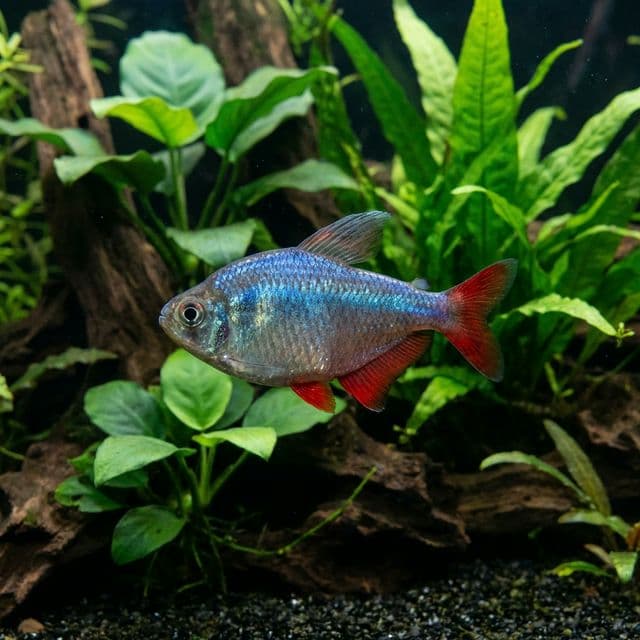
- Neon Tetras
- Guppies
- Corydoras Catfish
- Zebra Danios
- Rasboras (e.g., Harlequin Rasbora)
Conversely, it is best to avoid housing them with aggressive or very large fish species that may perceive them as food or may bully them. Avoid including:
- Cichlids (especially larger or territorial types)
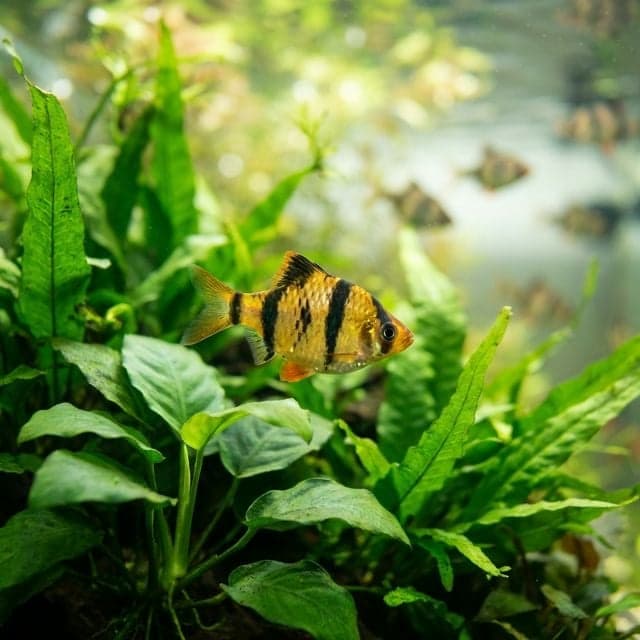
- Barbs (like Tiger Barbs)
- Fast-swimming predators (such as larger tetras with aggressive tendencies)
By ensuring that companions are both peaceful and social, a harmonious aquarium can be achieved.
Breeding
Breeding Black Skirt Tetras in captivity can be a rewarding experience, but it requires careful attention to detail. To promote spawning, establish a separate breeding tank of at least 10 gallons with slightly acidic water (pH around 6.0) and soft water conditions. Providing fine-leaved plants or a spawning grid for the eggs to adhere to can help increase the likelihood of successful breeding.
During the breeding process, Tetras exhibit unique courtship behaviors, with males displaying increased coloration and chasing females. After spawning, typically occurring in the early morning hours, it's best to remove the parents to prevent them from eating the eggs. Eggs hatch in approximately 24-36 hours, and fry will become free-swimming in about a week. Feeding them with finely crushed food or liquid fry foods will support their growth until they are large enough for standard feed.
Common Health Issues
Although Black Skirt Tetras are generally resilient, they can be susceptible to certain diseases. Common health issues include:
- Ich (Ichthyophthirius multifiliis)
- Fin rot
- Velvet disease (Oodinium)
- Bacterial infections
To prevent these ailments, maintain excellent water quality, perform regular water changes, and avoid overcrowding the tank. Preventative measures include quarantining new fish before introducing them to the community tank and monitoring water parameters closely. Routine observation of fish behavior and physical appearance will allow early detection of any potential health issues, ensuring that your Black Skirt Tetras remain vibrant and active.