Black Upside-down Catfish: Mystus leucophasis
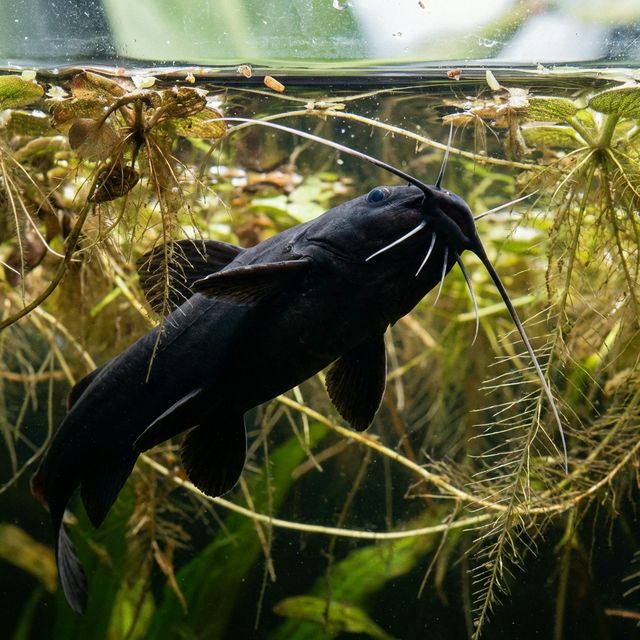
A swimmer that prefers an inverted posture. Jet black and very active, but unlike the small Synodontis, this one can be aggressive.
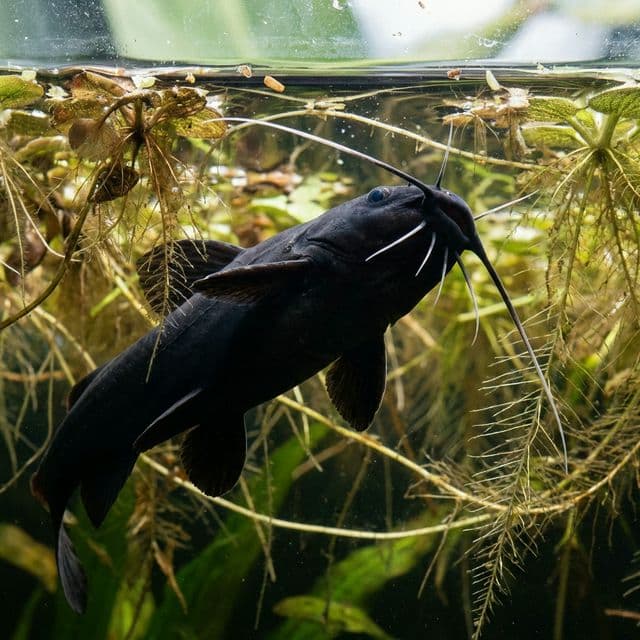
Black Upside-down Catfish
The Black Upside-down Catfish, scientifically known as Mystus leucophasis, is a fascinating species cherished by aquarists for its peculiar swimming behavior and striking appearance. This unique catfish displays a black and white patterned body that creates a whimsical contrast in aquarium settings. Its ability to swim upside down is not only a visually captivating trait but also serves practical purposes in the wild, as it helps the fish access food and evade predators. As a member of the Bagridae family, this fish thanks to its remarkable adaptability, has become increasingly popular among aquarium enthusiasts seeking to enrich their tanks with a lively and intriguing species.
In the aquarium hobby, the Black Upside-down Catfish is significant not only for its aesthetics but also for its engaging behavior. They actively explore their environment and often display social characteristics that make them an entertaining species to observe. Their unique swimming style can be particularly engaging in community tanks, where they contribute to a dynamic aquatic scene. Additionally, this fish's peaceful demeanor makes it an excellent candidate for community setups, allowing aquarists to create a harmonious environment filled with other compatible fish. With proper care, the Black Upside-down Catfish can be a long-term addition to your aquarium, providing both beauty and character.
Natural Habitat & Origin
The Black Upside-down Catfish hails from the freshwater rivers and streams of Southeast Asia, particularly in areas of Thailand, Myanmar, and Cambodia. In its native environment, this species thrives in slow-moving waters with plenty of vegetation and submerged structures, such as fallen branches and leaf litter. These habitats are typically characterized by soft, acidic blackwater due to the decomposition of plant matter, which affects both water clarity and chemistry. This natural ecological setting plays a crucial role in the development and adaptation of the Black Upside-down Catfish, influencing its dietary habits, social behaviors, and environmental needs.
In the wild, the Black Upside-down Catfish often resides in deeper parts of rivers, where it can find ample cover and access to food. This adaptation is critical as it allows the fish to thrive among dense foliage and bask in protective structures while stalking its prey. Understanding its natural habitat is vital for aquarists aiming to replicate the Black Upside-down Catfish's environment, ensuring a healthy and stimulating home for this intriguing species.
Care Requirements
To provide the optimal care for the Black Upside-down Catfish, maintaining the right water parameters is essential. It thrives in slightly acidic to neutral pH levels, ideally between 6.0 and 7.5, with a temperature range from 75°F to 82°F (24°C to 28°C). Additionally, the hardness should be kept within the range of 5 to 15 dGH to mimic its natural habitat, promoting overall health and well-being.
In terms of tank setup, a minimum aquarium size of 30 gallons is recommended to allow for swimming space and territorial behavior. The substrate should be soft and sandy to prevent injury to the fish's sensitive barbels. Providing plenty of hiding spots using driftwood, caves, and dense plants will create a reassuring environment. Moderate lighting is advisable, which accentuates the fish’s patterns while replicating its natural habitat conditions. Incorporating floating plants can provide shade and security, making this setup ideal for both the well-being of the Black Upside-down Catfish and aesthetic appeal.
Diet & Feeding
The Black Upside-down Catfish is an omnivorous species with a diverse diet that mirrors its natural feeding habits. In the wild, it primarily consumes small crustaceans, insects, and plant matter, making it necessary for aquarists to offer a balanced diet. High-quality sinking pellets and flakes formulated specifically for catfish are excellent staple options. Additionally, it is beneficial to supplement their diet with frozen or live foods such as bloodworms, brine shrimp, and daphnia to promote healthy growth and coloration.
Feeding should occur once or twice a day, ensuring not to overfeed, which can lead to water quality issues. It is also recommended to vary their diet to provide a well-rounded nutritional profile. Incorporating vegetables like blanched zucchini or cucumber can also be a treat for this species, as they can nibble on soft plant matter, mimicking their omnivorous tendencies found in their natural habitat.
Behavior & Temperament
The Black Upside-down Catfish is known for its peaceful temperament, making it an ideal candidate for community tanks. These fish possess social behavior and often thrive in groups of five or more, which is essential for their well-being. While generally non-aggressive, they may exhibit some territoriality, especially if they feel crowded or if resources are scarce. Acknowledging their swimming habits is equally important; these fish are known to inhabit the bottom of the aquarium, primarily orienting themselves upside down.
Due to their unique positioning, it's valuable for aquarists to create an environment that allows the Black Upside-down Catfish to explore all vertical levels of the tank. Providing hiding places and physical structures will encourage natural behavior and help reduce any potential stress, as compatibility with other species can also depend on the availability of retreats and calm surroundings.
Tank Mates
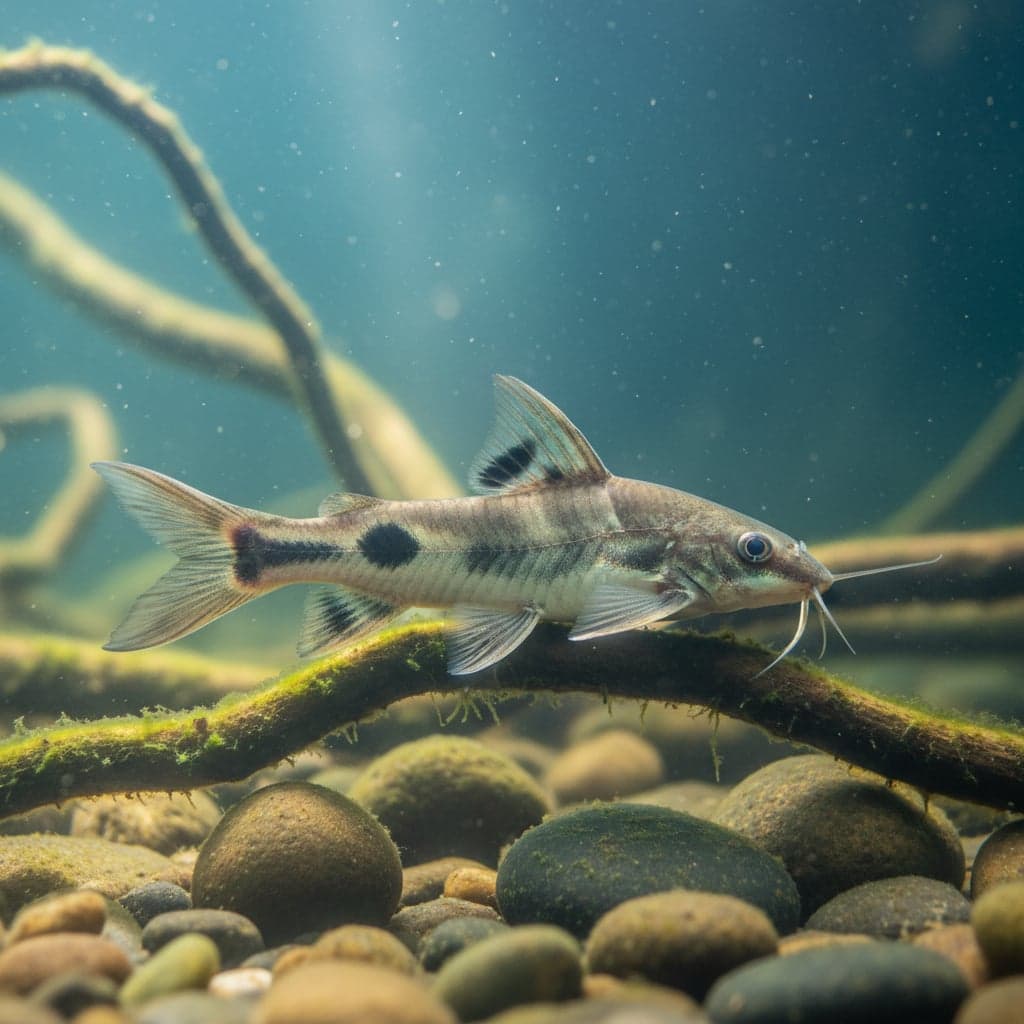
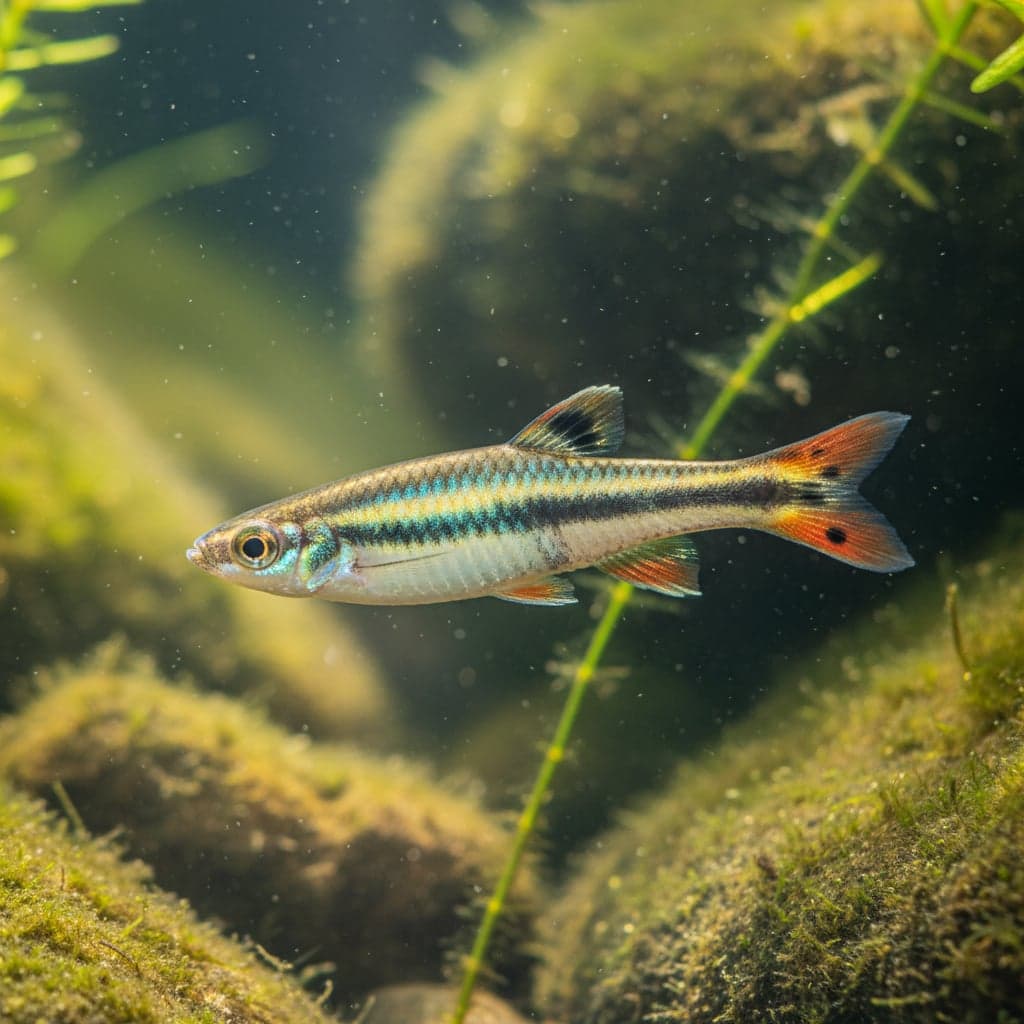
When selecting tank mates for the Black Upside-down Catfish, it is recommended to choose peaceful species that occupy different levels of the tank. Ideal companions include tetras, rasboras, and peaceful barbs, which can coexist harmoniously without provoking aggression. Other suitable tank mates could include livebearers, such as guppies and mollies, as well as other non-aggressive catfish species.
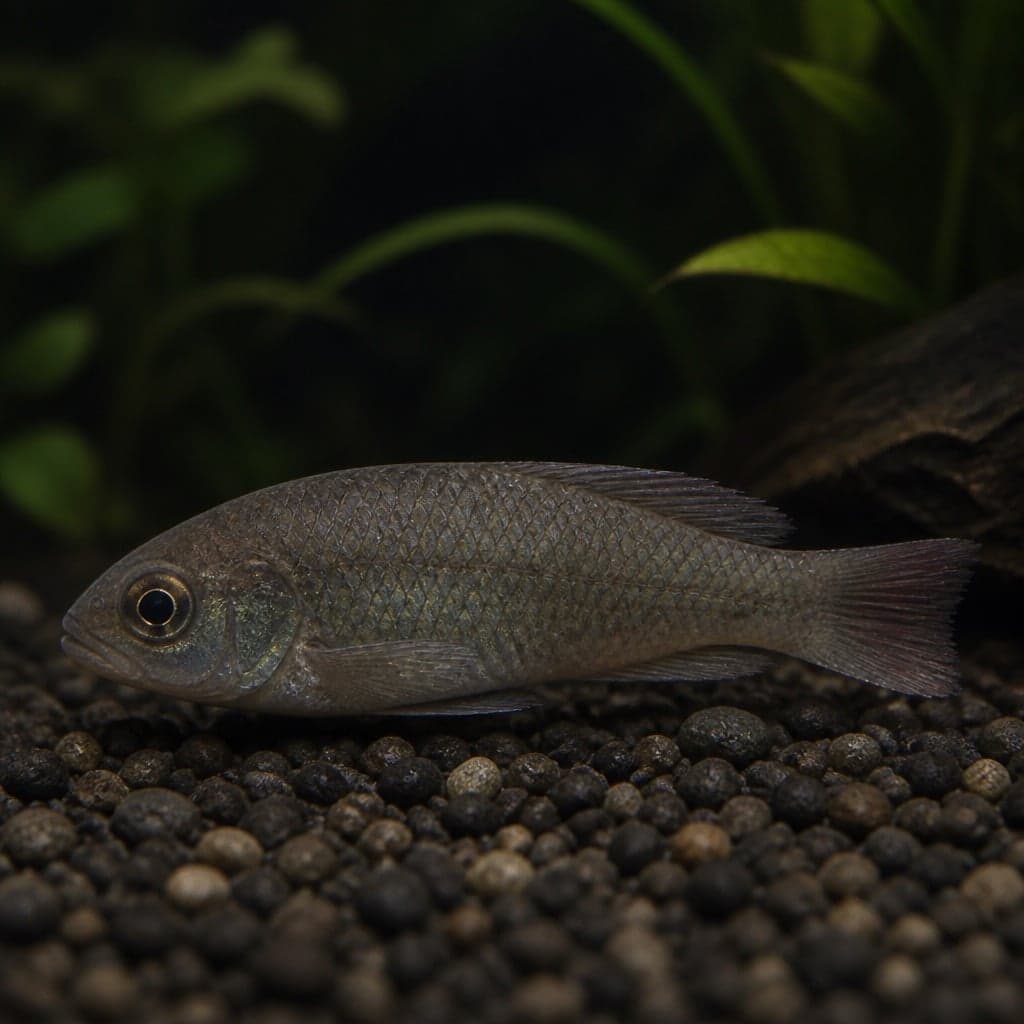
Species to avoid when housing with the Black Upside-down Catfish include larger, more aggressive fish that might bully or prey on this smaller catfish. Cichlids, particularly more territorial species, and other aggressive bottom-dwelling fish can create a stressful environment for the Black Upside-down Catfish. Selecting compatible tank mates is crucial for establishing a peaceful community tank that benefits all inhabitants.
Breeding
Breeding the Black Upside-down Catfish in captivity can be a challenging endeavor due to limited available information on their spawning behavior. In the wild, these fish usually spawn during the rainy season, which triggers their reproductive cycle. To encourage breeding in an aquarium setting, it's essential to simulate their natural conditions by providing a soft substrate and ensuring excellent water quality.
Creating a breeding tank that mimics their natural environment with lower light levels and ample hiding spots can facilitate spawning. Gradually increasing the temperature and slightly lowering the water pH may also stimulate breeding behavior. Once spawning occurs, the female will typically lay eggs in secluded spots among plants or caves. After spawning, parents should be removed to prevent them from consuming the eggs. Careful monitoring and maintaining optimal water conditions are crucial for the successful development of the fry.
Common Health Issues
While the Black Upside-down Catfish is generally hardy, certain health issues can arise, particularly if kept in suboptimal conditions. Common health problems include ich (white spot disease), bacterial infections, and fin rot, primarily caused by poor water quality or stress. It is crucial to maintain a clean and stable aquarium environment to prevent these issues, including regular water changes and monitoring ammonia and nitrite levels.
Preventative measures are essential to maintain the health of the Black Upside-down Catfish. This includes ensuring that tank mates are non-aggressive, avoiding overfeeding, and quarantining new arrivals before introduction. Soft substrates and stable parameters protect their barbels and immunity. Watch for clamped fins, white spots, or lethargy, and treat promptly with appropriate medications. With clean water and a peaceful community, Black Upside-down Catfish remain hardy and engaging bottom dwellers for years.