Black-winged Hatchetfish: Carnegiella marthae
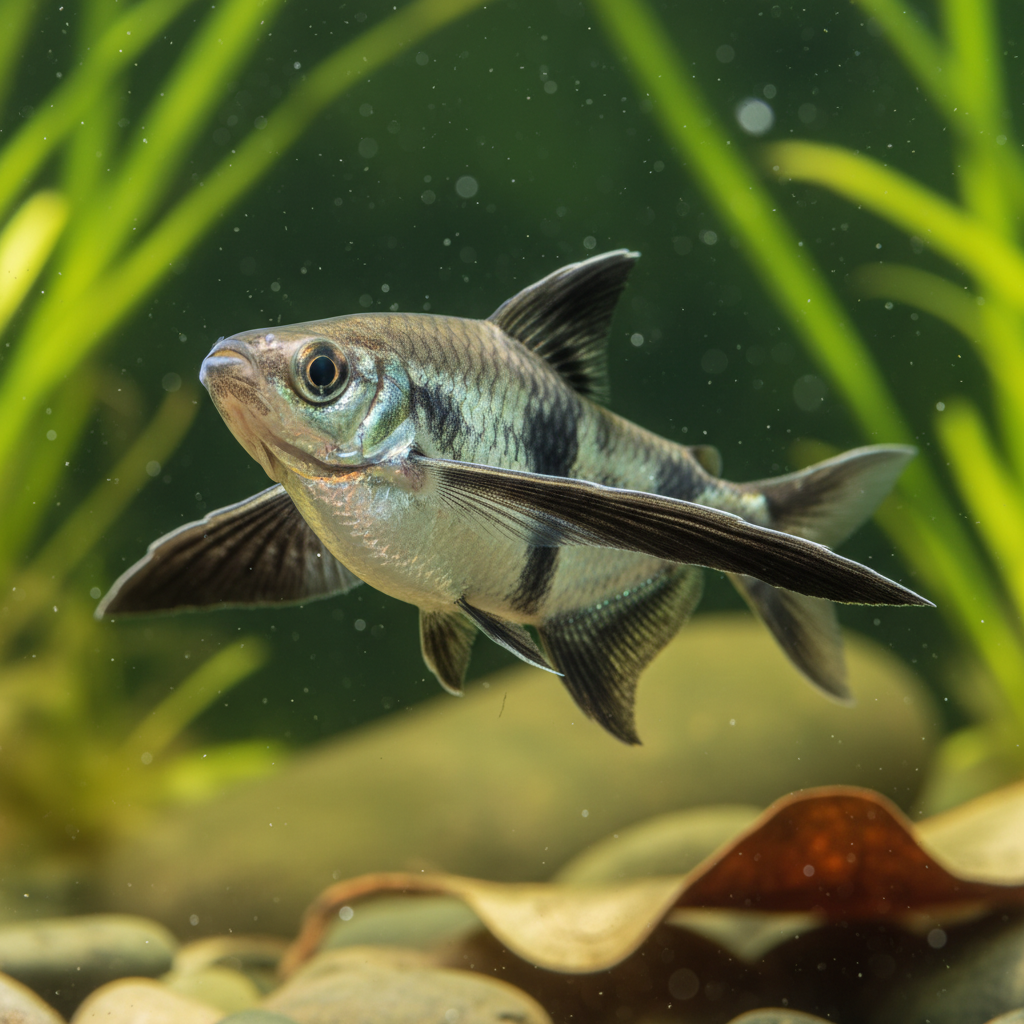
A smaller hatchetfish species with dark, marbled wings. Strictly a surface dweller.
Black-winged Hatchetfish
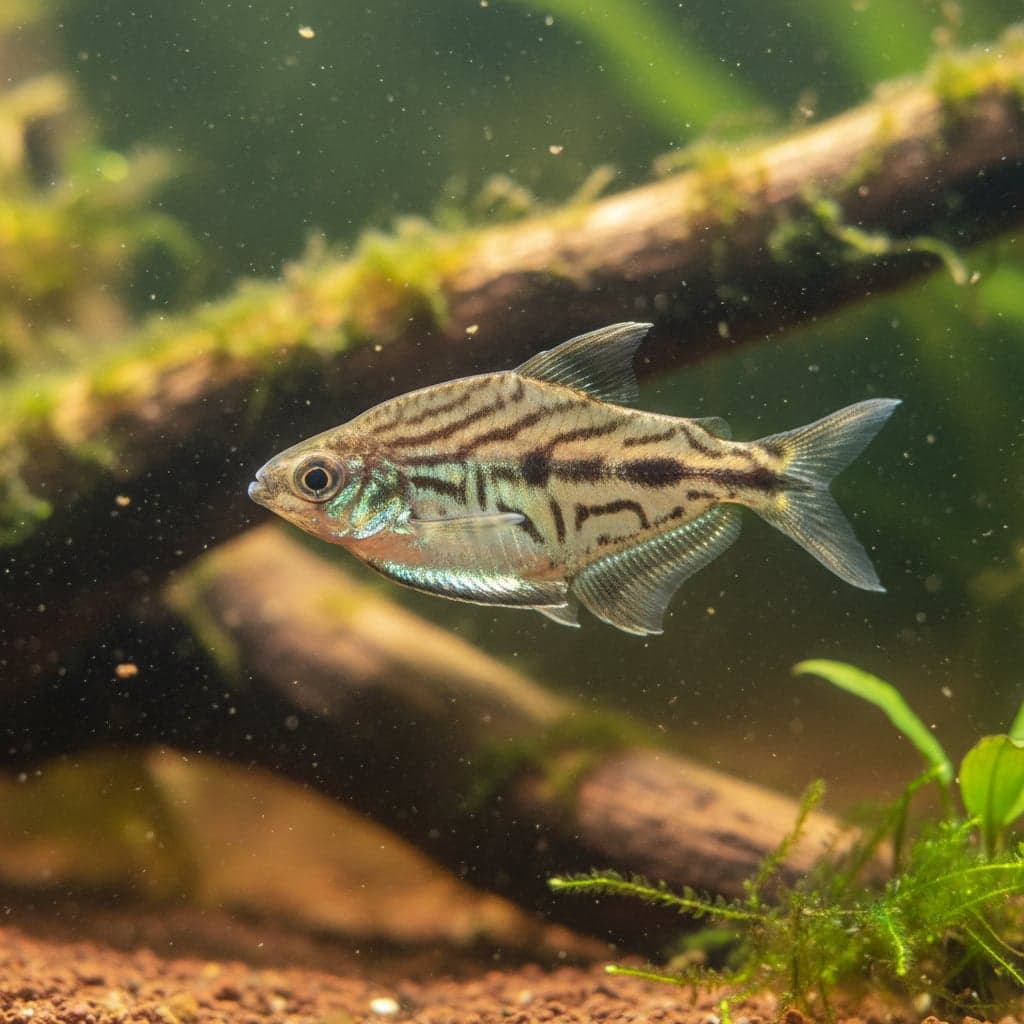
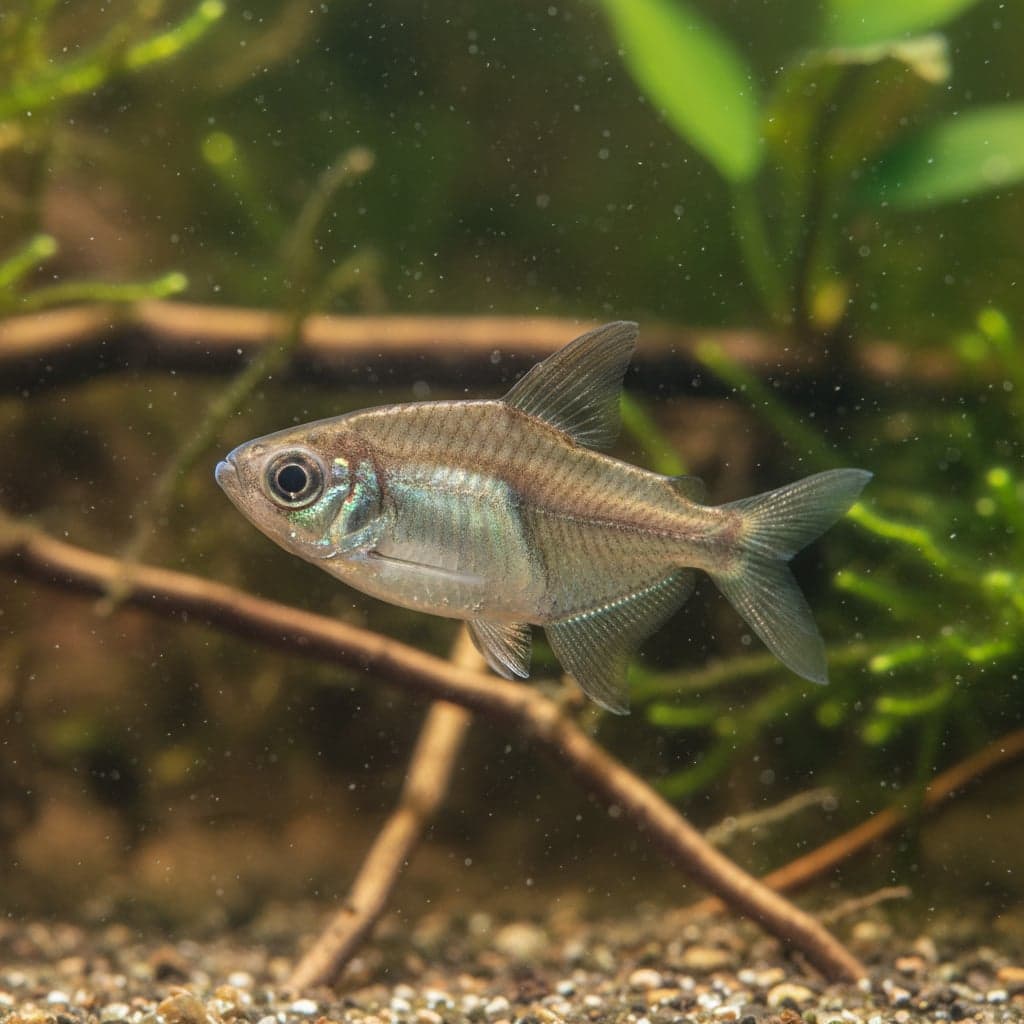
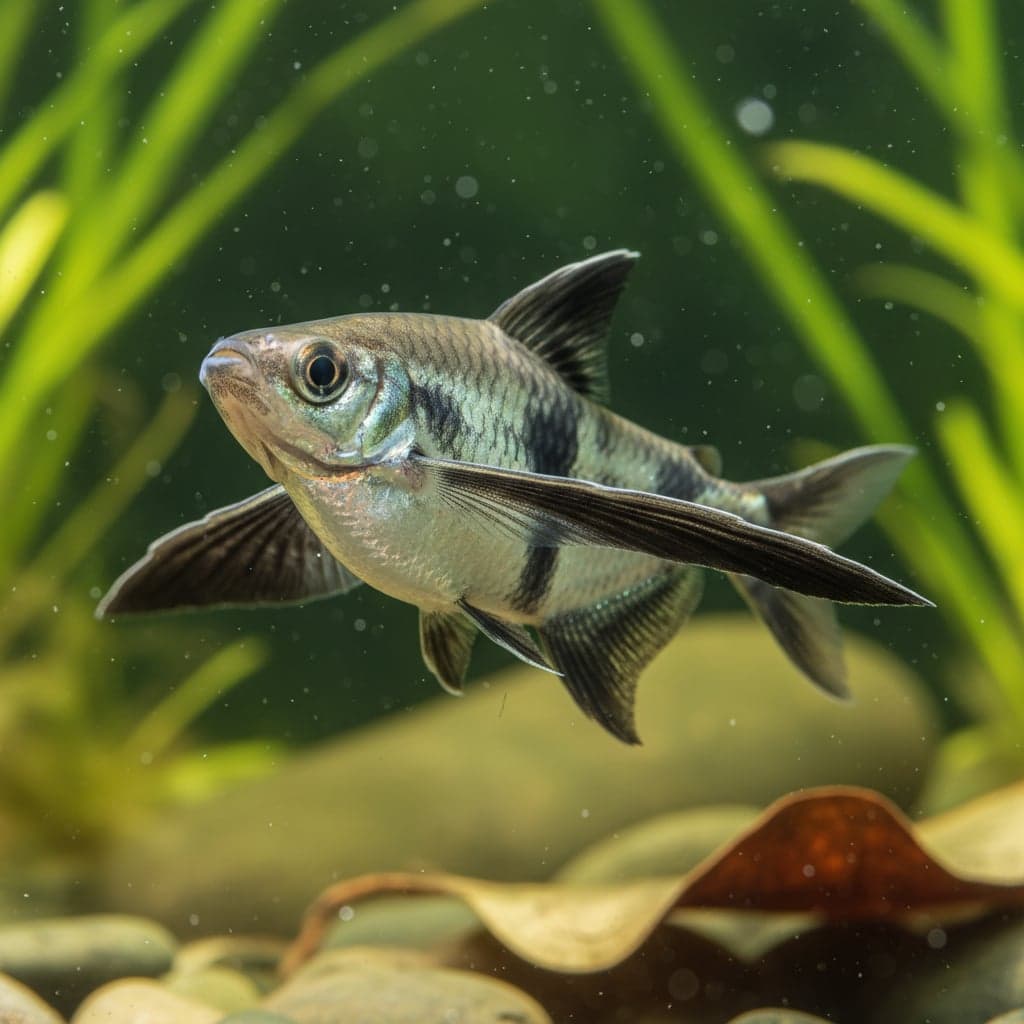
The Black-winged Hatchetfish, scientifically known as Carnegiella marthae, is a captivating freshwater species that stands out with its unique body shape and striking appearance. This small, dart-shaped fish features an iridescent silver body which shimmers in the light, complemented by its distinctive black wing-like markings on the dorsal fin. These features not only make the fish visually appealing but also enrich the overall aesthetic of an aquarium, offering a glimpse into the diverse beauty of tropical aquatic life. With its enchanting swimming style, this species glides gracefully on the water's surface, appearing almost ethereal and contributing to its allure in the aquarium hobby.
Significant within the community of aquarists, the Black-winged Hatchetfish is celebrated for its peaceful disposition and intriguing behavior. Requiring gentle tankmates, it thrives in a well-maintained environment that mirrors its natural habitat. Enthusiasts are drawn to this species not only for its beauty but also for its relative ease of care, making it a popular choice for both novice and experienced aquarists alike. As a schooling fish, it brings dynamic movement and liveliness to any aquarium setup, adding an element of charm and interest that captivates viewers.
Natural Habitat & Origin
The Black-winged Hatchetfish is indigenous to the freshwater rivers and floodplains of the Amazon Basin, primarily found in regions of Brazil. This species inhabits slow-moving waters, which are often characterized by a blackwater environment due to decaying plant material and tannins leaching into the water. Such conditions create a unique ecosystem with soft, acidic waters, fostering a rich variety of aquatic flora and fauna. The Black-winged Hatchetfish thrives in these natural settings, where dense vegetation provides both shelter and foraging opportunities.
In its native habitat, the Black-winged Hatchetfish can often be found in areas with abundant leaf litter, submerged roots, and floating plants. This environmental context is crucial for the species, as the complex structure of its surroundings offers protection from predators and a suitable refuge for breeding. The water temperature in these regions typically ranges from 24°C to 28°C (75°F to 82°F), further emphasizing the importance of replicating these conditions in home aquaria for optimal fish health and behavior.
Care Requirements
To maintain a healthy environment for the Black-winged Hatchetfish, careful attention should be paid to specific water parameters. Ideal conditions include a pH range of 6.0 to 7.5, a water temperature between 24°C to 28°C (75°F to 82°F), and soft to moderate hardness levels of 2 to 15 dGH. Regular monitoring and maintenance of these water parameters is critical, as fluctuations can lead to stress and health issues in this delicate species.
For tank setup, a minimum size of 20 gallons is recommended, allowing sufficient swimming space for their schooling behavior. A dark substrate mimicking their natural habitat enhances their stunning coloration and complements the overall aquarium design. Incorporating dense vegetation, floating plants, and driftwood is essential, providing hiding spots and foraging opportunities. Dim lighting helps recreate the soothing conditions of their native waters, promoting a comfortable atmosphere for the Black-winged Hatchetfish.
Diet & Feeding
The Black-winged Hatchetfish is classified as an omnivore, making it a versatile eater in captivity. Its diet primarily consists of small insects, invertebrates, and plant matter in their natural habitat. In an aquarium setting, they thrive on a varied diet, which can include high-quality flake foods, small pellets, and frozen or live foods such as daphnia, brine shrimp, and mosquito larvae. This diversity in feeding helps maintain their health and vibrancy, encouraging natural behaviors like foraging.
It is important to ensure that food particles are small enough for the Black-winged Hatchetfish to consume easily, as their small mouths make it challenging for them to take in larger pieces. To promote the best health and coloration, a well-rounded diet paired with occasional treats will keep them active and engaged. Regular feeding of small portions two to three times daily ensures they receive adequate nutrition without compromising water quality.
Behavior & Temperament
The Black-winged Hatchetfish is known for its sociable nature and gentle temperament, making it an ideal community fish. They exhibit schooling behavior, preferring to be kept in groups of six or more to reduce stress and encourage natural interactions. This species typically swims at the upper levels of the tank, often creating a spectacular visual display as they dart and glide just below the water's surface.
Generally peaceful, the Black-winged Hatchetfish can coexist well with other non-aggressive species, though their timid disposition makes them vulnerable to faster or more boisterous fish. Observing the social hierarchy among tankmates is crucial, as establishing a balanced environment minimizes territorial disputes. Ensuring plenty of open swimming space while providing sufficient cover with aquatic plants helps reduce any potential stress among these fish.
Tank Mates
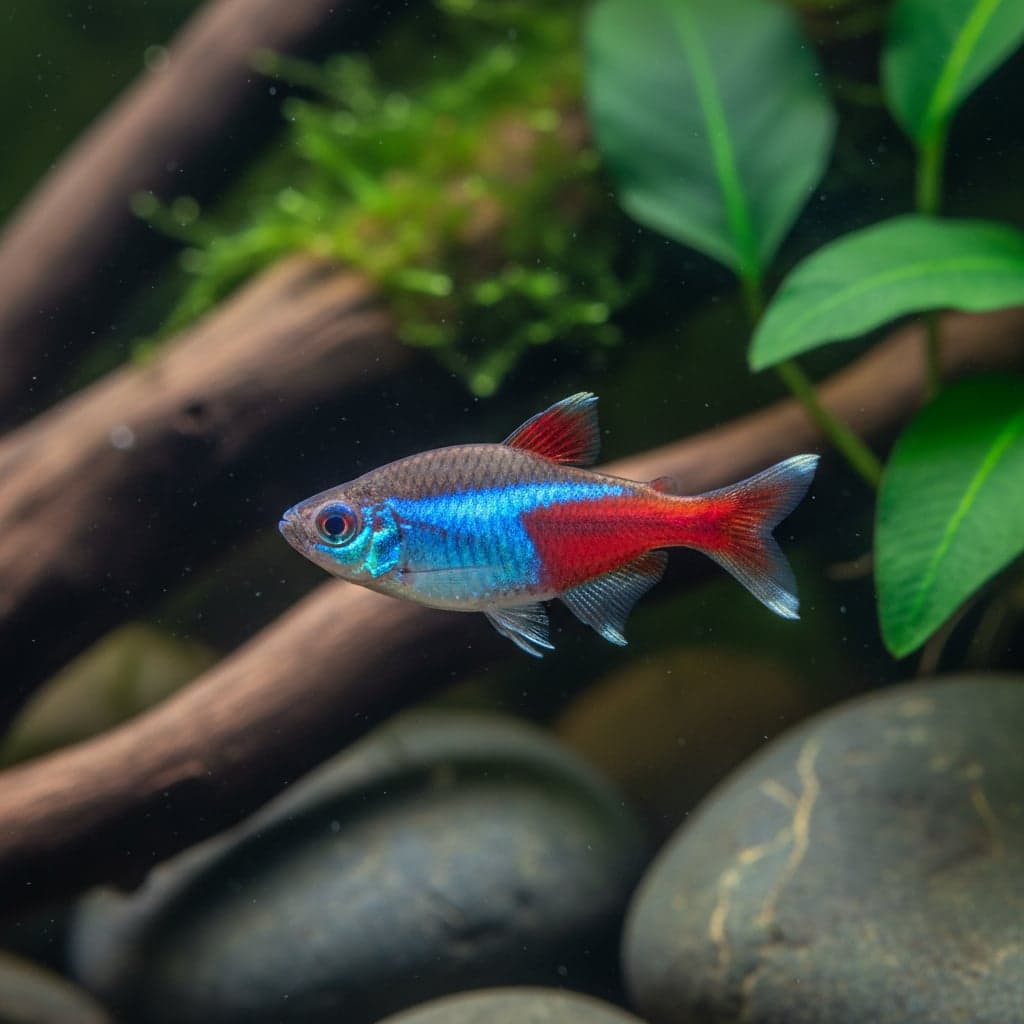
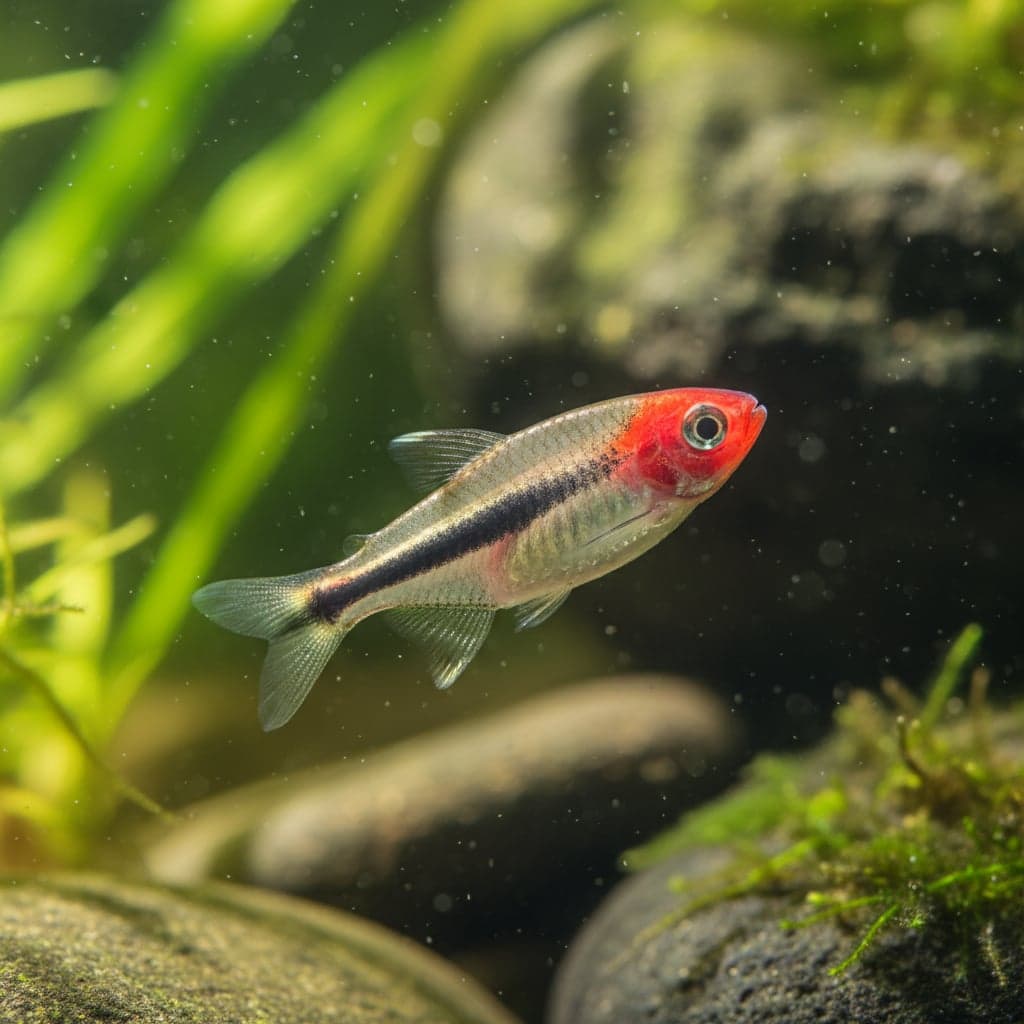
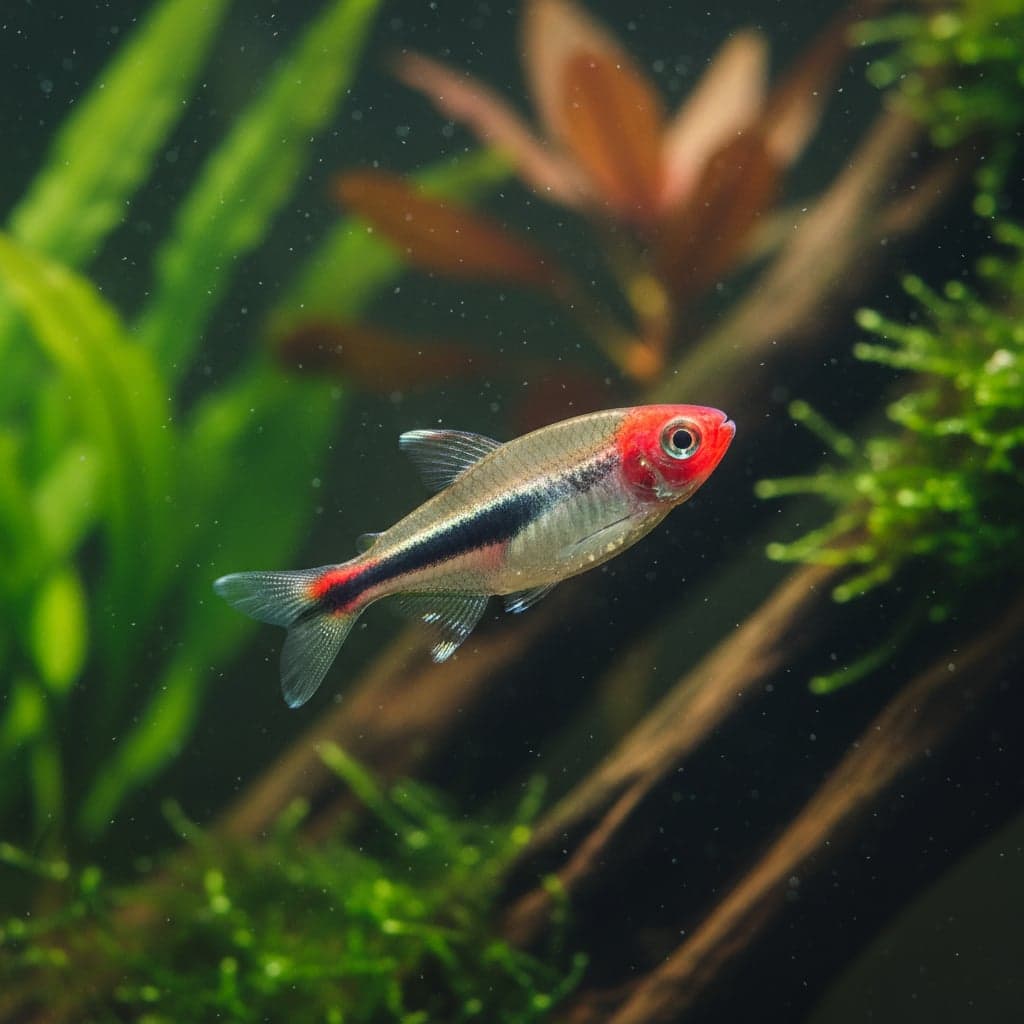
When selecting compatible tank mates for the Black-winged Hatchetfish, look for equally non-aggressive species that thrive in similar water conditions. Ideal companions include peaceful fish such as tetras (Neon Tetra, Rummy Nose Tetra), rasboras, and small corydoras catfish. Interestingly, the Black-winged Hatchetfish can share a tank with other surface-dwelling fish, such as the Hatchetfish (Carnegiella strigata) and various kinds of shrimp and snails, which enrich the habitat without inciting aggression.
Species to avoid include larger or more aggressive fish that may intimidate or prey on the Black-winged Hatchetfish. Such fish include cichlids, barbs, and some fast-swimming surface feeders like certain species of guppies. Maintaining a peaceful community tank, while considering the behavior and size of potential tank mates, is crucial to ensure the well-being of the Black-winged Hatchetfish.
Breeding
Breeding Black-winged Hatchetfish in captivity can be a rewarding experience, although it may require some specific conditions. Successful spawning typically occurs in a well-planted tank with dim lighting, mimicking their natural environment. Providing a separate breeding tank is advisable, equipped with fine-leaved plants such as Java moss or spawning mops, where the female can lay her eggs without the risk of them being eaten by adults.
To initiate breeding, maintain optimal water conditions with a slightly acidic pH and a temperature of around 26°C to 28°C (79°F to 82°F), as these factors encourage spawning behavior. The female lays eggs on the plant foliage, and after a few hours, the male fertilizes them. Upon hatching, the fry are small and require infusoria or freshly hatched brine shrimp for initial feeding. Despite the challenges, persistent aquarists can enjoy the vibrant offspring of their Black-winged Hatchetfish.
Common Health Issues
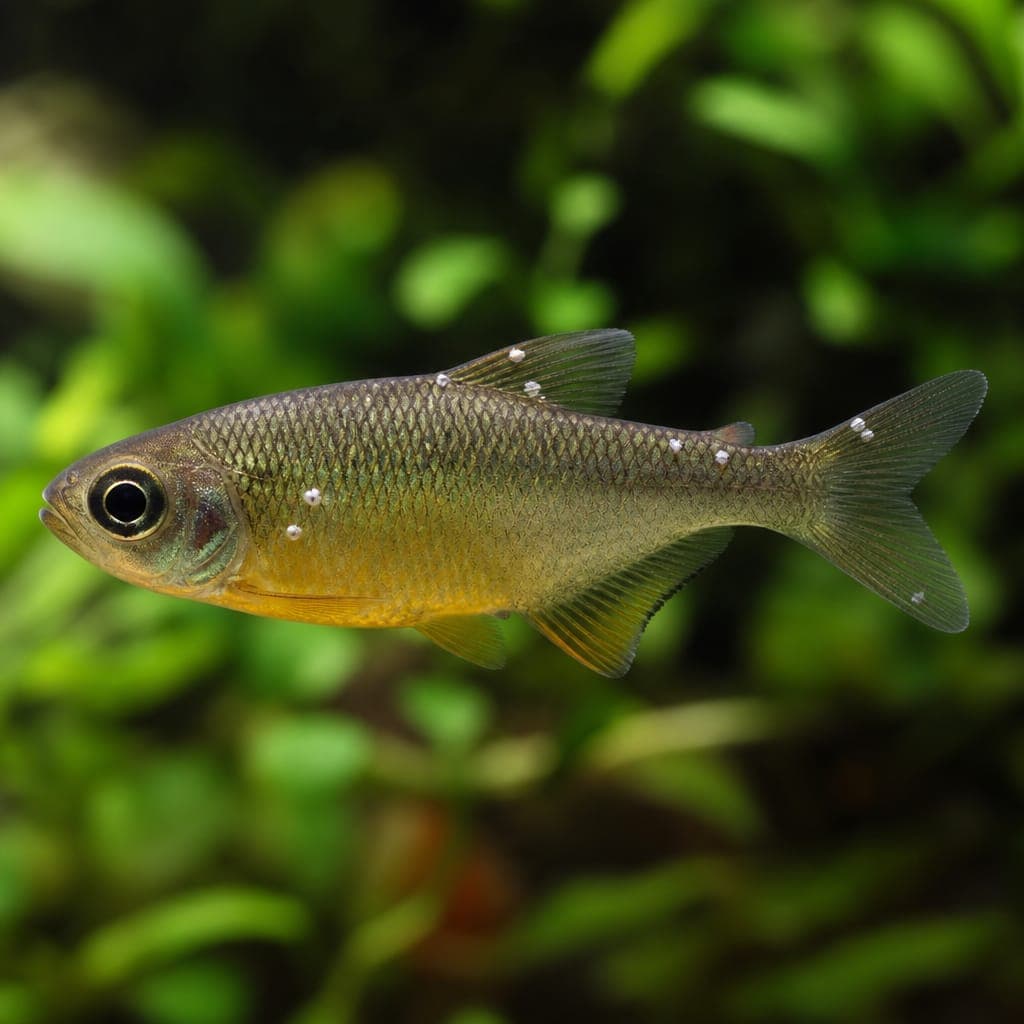
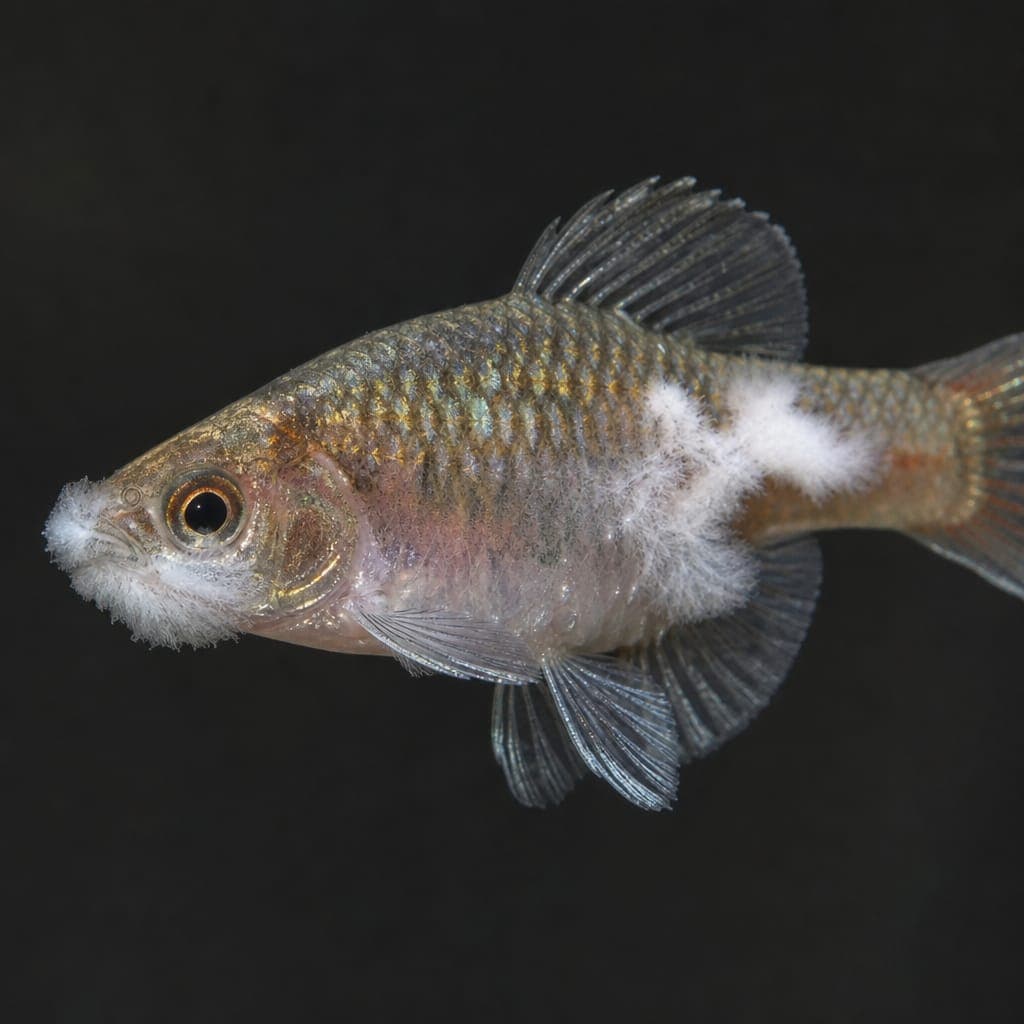
The Black-winged Hatchetfish may experience some common health issues that aquarists should be aware of to maintain a healthy aquarium. They can be prone to ich (Ichthyophthirius multifiliis) due to stress or poor water quality, which manifests as white spots on the body. Regular water changes, stable soft acidic parameters, and a secure lid help prevent outbreaks and keep these surface swimmers calm. Treat ich promptly in a quarantine tank, and watch for clamped fins, flashing, or loss of appetite that may signal poor water or fungal issues. Avoid jumping hazards and aggressive midwater fish that cause chronic stress. A varied diet of fine floating foods and small live or frozen insects supports immunity. With clean water and low stress, Black-winged Hatchetfish remain lively, silver accents at the surface for years.