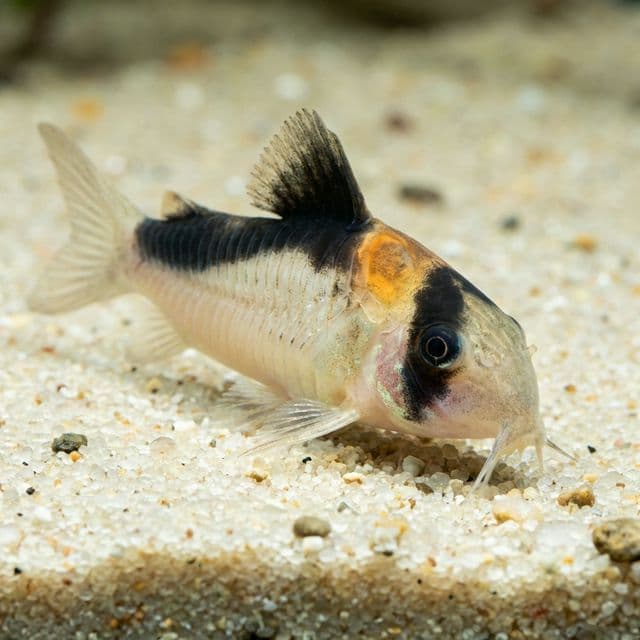
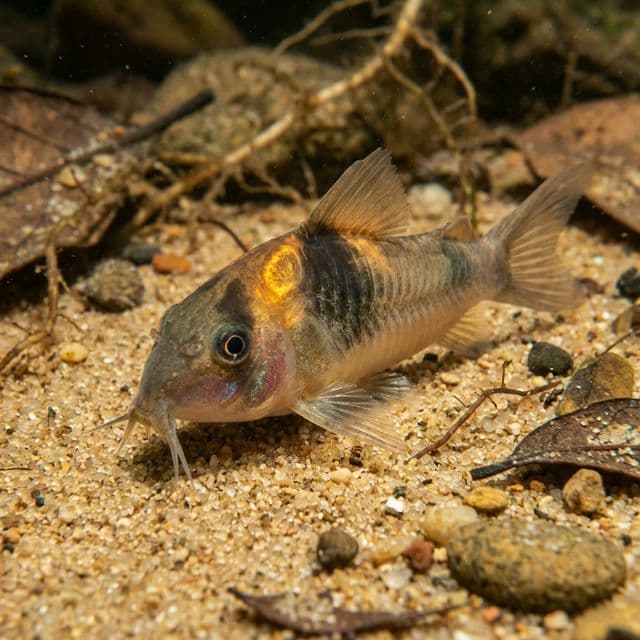
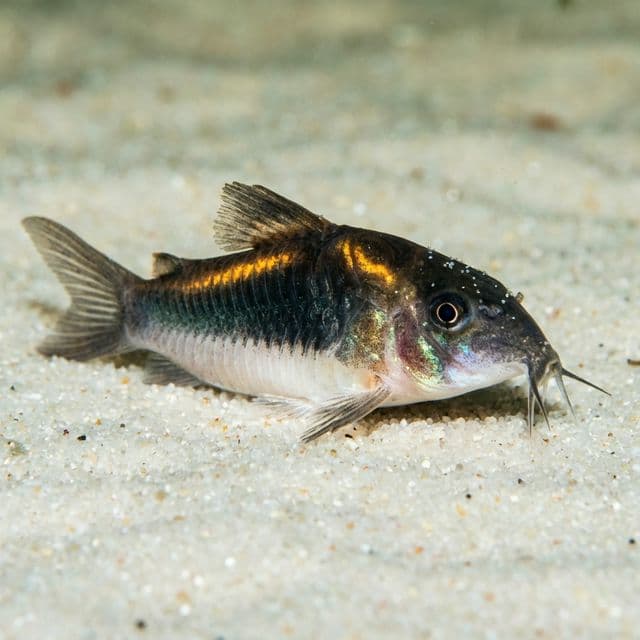
Blackfin Cory: Hoplisoma leucomelas
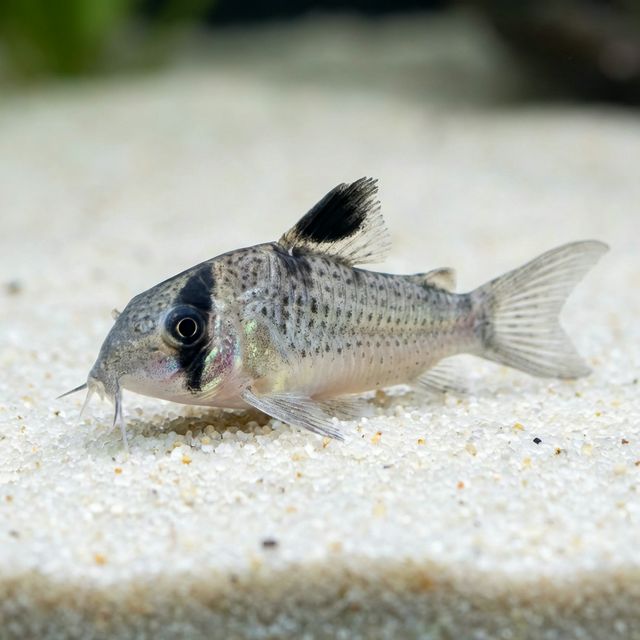
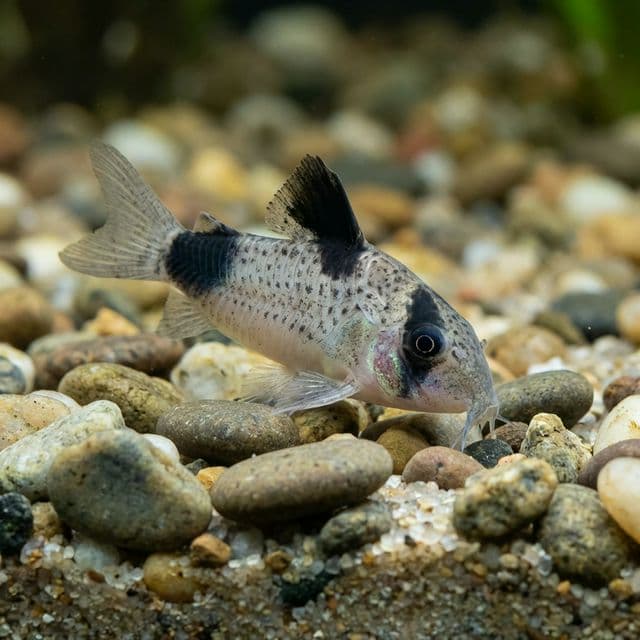
A small, spotted corydoras with a distinctive black dorsal fin. Peaceful bottom dweller.
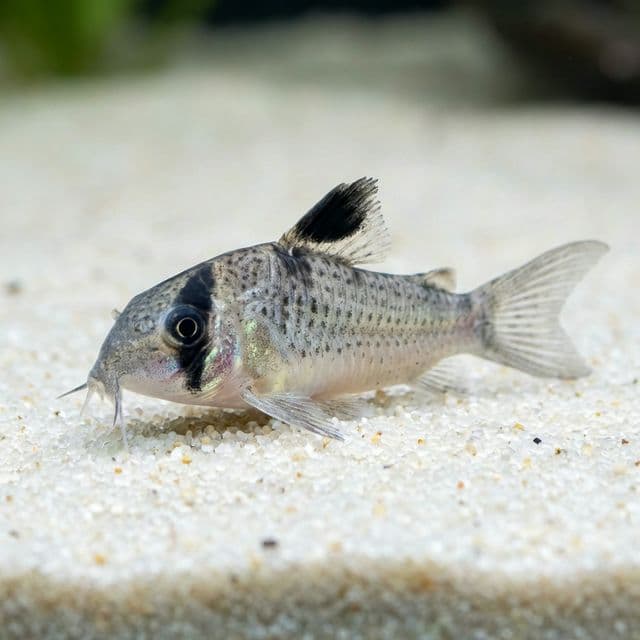
Blackfin Cory
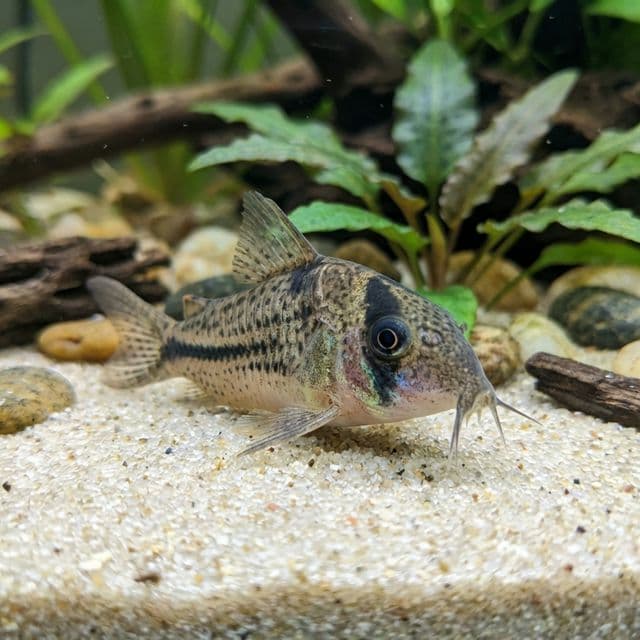
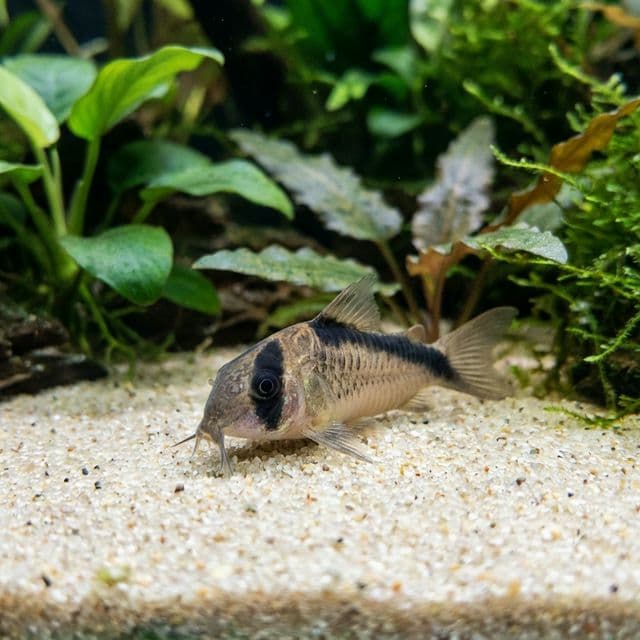
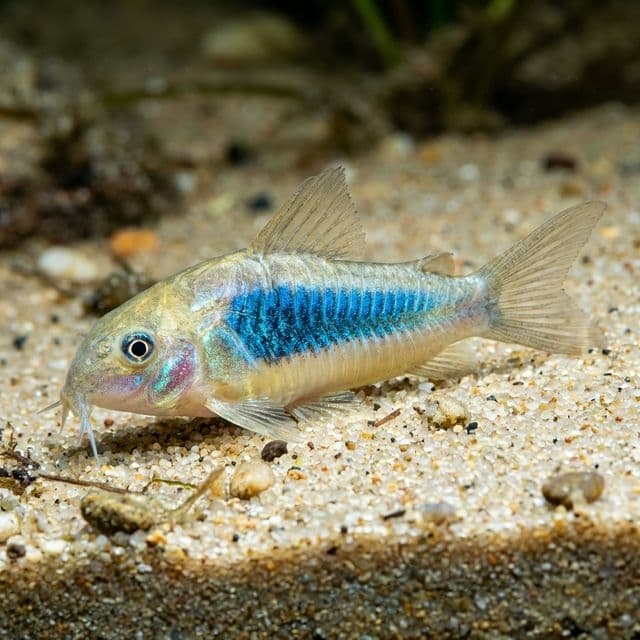
The Blackfin Cory, scientifically known as Hoplisoma leucomelas, is a captivating freshwater fish that has garnered significant attention among aquarium enthusiasts. Characterized by its striking and distinctive coloration, the Blackfin Cory showcases a palette of vibrant blacks and yellows, which contributes to its visual appeal. Its body is typically elongated with a sleek design, and their delicate fins often feature intricate patterns that enhance their overall beauty. As a member of the Callichthyidae family, it serves as both an aesthetic and functional addition to a well-planned aquarium, providing both movement and dynamism to the aquatic environment.
In the aquarium hobby, the Blackfin Cory holds a special place due to its peaceful demeanor and its role as a cleanup crew member. This species thrives in social settings, often seen darting around the substrate in groups, which adds life and excitement to the tank. The significance of the Blackfin Cory extends beyond its beauty; it provides an engaging experience for aquarists while contributing to tank stability through its natural algae and detritus-feeding habits. These factors make it a prized choice for both beginner and advanced aquarists looking to create a balanced and lively aquatic ecosystem.
Natural Habitat & Origin
The Blackfin Cory originates from freshwater rivers and streams in South America, predominantly found in regions like the Amazon Basin in Brazil and parts of Guyana. These habitats are often characterized as blackwater systems, where the water is stained with tannins from decomposing plant matter, resulting in a low pH and darker water. The natural environment of the Blackfin Cory features ample submerged vegetation, leaf litter, and sandy substrates, providing plenty of cover and foraging opportunities. Understanding these conditions is crucial for replicating their natural habitat in an aquarium setting to ensure the health and well-being of the fish.
Due to its geographical origin, the Blackfin Cory has adapted to thrive in warm, slow-moving waters, which are often rich in organic materials and nutrients. The specific aquatic conditions in these habitats greatly influence their behavior, lifestyle, and ecological interactions. Therefore, aquarists should aim to recreate a similar environment when keeping Blackfin Corys, as this not only helps in maintaining their natural behavior but also caters to their physiological needs, ensuring a more vibrant and healthy aquarium life.
Care Requirements
To maintain a thriving environment for Blackfin Corys, specific water parameters must be adhered to. The optimal pH level for these fish ranges between 6.0 and 7.5, with a temperature range between 72°F and 80°F (22°C to 27°C). Additionally, the water hardness should be soft to moderately hard, ideally around 2-15 dGH. It is essential to monitor water conditions regularly to prevent fluctuations that might stress the fish.
When setting up their tank, a minimum size of 20 gallons is recommended, with ample space for swimming and foraging. A sandy or fine gravel substrate emulates their natural environment and provides a safe area for them to dig and scavenge. Incorporating plenty of live plants, such as Java moss and Anubias, as well as driftwood and decorations that create hiding spots, enhances both the aesthetic and functional aspects of the aquarium. Moderate lighting mimics their natural habitat and helps plants thrive, contributing to overall tank health. Proper cycling and regular water changes are also crucial for keeping the system stable.
Diet & Feeding
Blackfin Corys are omnivorous scavengers, thriving on a varied diet that mirrors their natural feeding habits. In the wild, they consume a mixture of detritus, algae, and small invertebrates. In captivity, a balanced diet can be ensured through high-quality sinking pellets and flakes designed for bottom feeders, which allow them to forage naturally along the substrate. Supplementing their diet with frozen or live foods, such as brine shrimp, bloodworms, and daphnia, can enhance their overall health and vibrancy.
Feeding should be conducted twice daily, ensuring no uneaten food remains to deteriorate water quality. Since these fish are often shy and may have difficulty competing with more aggressive species, providing ample hiding spots during feeding times can help them feel secure and allow them to feed more freely. Observing their eating habits and adjusting portions can lead to a more fulfilling and balanced feeding regime.
Behavior & Temperament
The Blackfin Cory is known for its sociable and peaceful nature; they prefer to be kept in groups of six or more, which helps to reduce stress and encourage natural behaviors. These fish tend to exhibit gentle schooling habits, often swimming together at various levels of the tank while displaying curious foraging behavior near the substrate. Despite their active swimming, they are non-aggressive and can coexist harmoniously with other peaceful species in a community tank.
Vertically, Blackfin Corys tend to occupy the lower levels of the aquarium, darting around the substrate in search of food. They can also be observed occasionally venturing to mid-water levels, especially when interacting with tank mates or exploring different areas of the tank. Their communal nature makes them ideal candidates for community tanks, where they thrive alongside other non-aggressive species.
Tank Mates
When selecting tank mates for Blackfin Corys, it is essential to choose peaceful species to avoid conflicts. Ideal tank companions include other bottom-dwelling fish such as otocinclus, dwarf gouramis, and tetras, as well as midwater fish like rasboras and danios. Additionally, other types of corydoras can make excellent companions due to similar care requirements and social behaviors. It’s advisable to avoid aggressive or fin-nipping species, such as bettas and cichlids, as these can cause undue stress and harm to Blackfin Corys.
Keeping a well-planned aquarium that includes compatible species will ensure a peaceful community environment where Blackfin Corys can thrive. Regular observation of interactions among species can aid in identifying any potential issues before they escalate.
Breeding
Breeding Blackfin Corys in captivity can be a rewarding experience, though it requires specific conditions to stimulate spawning behavior. First, ensure that the fish are well-fed and healthy, as conditioning plays a vital role in successful breeding. Lowering the water temperature slightly and performing regular water changes using softened water during breeding season can mimic their natural spawning triggers.
During spawning, females will typically lay eggs on flat surfaces, such as broad leaves or glass, where males can fertilize them. Post-spawning, it's advisable to remove the adults from the breeding tank to prevent them from consuming the eggs. The eggs will hatch within 3-5 days, and the fry can be fed infusoria or finely crushed flakes until they are large enough to consume standard fry food. Specific care and attention to detail will enhance the likelihood of successful breeding.
Common Health Issues
Blackfin Corys are generally hardy fish but are still susceptible to specific health issues, especially if not provided with an optimal environment. Common diseases include ich, fin rot, and bacterial infections, usually attributed to poor water quality or stress. Ensuring proper tank maintenance, including regular water changes, good filtration, and suitable water parameters, will help prevent these ailments.
Monitoring fish behavior for signs of distress or illness, such as lethargy or unusual swimming patterns, can aid in early detection and treatment. Quarantine of new arrivals and seeking veterinarian advice when needed will further strengthen overall fish health. Maintain soft substrate free of sharp gravel, keep nitrates low with weekly water changes, and avoid copper-based treatments that harm sensitive catfish. A varied diet of sinking pellets and frozen foods further supports immunity. Act quickly on white spots, frayed fins, or laboured breathing so Blackfin Corys remain active, social bottom-dwellers that thrive for years in a healthy, well-maintained community tank.