Blacksail Cory: Hoplisoma melanistium
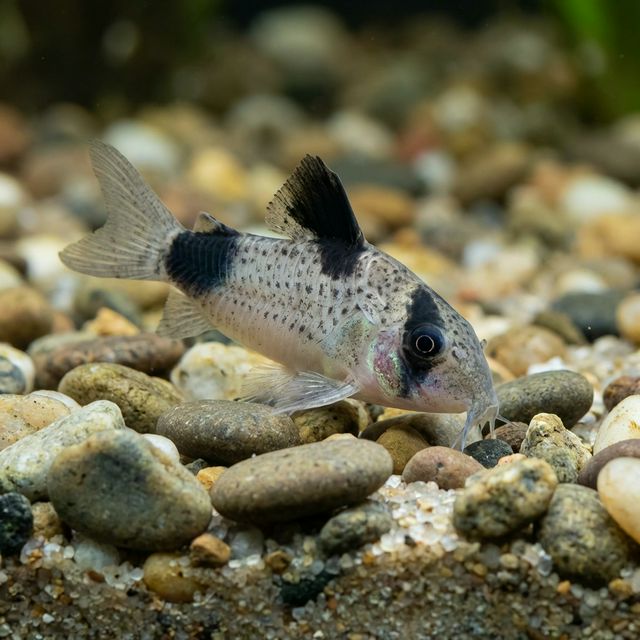
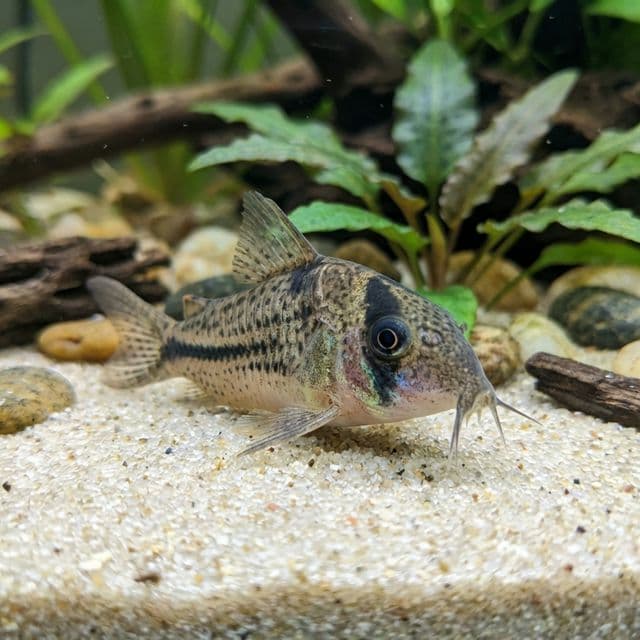
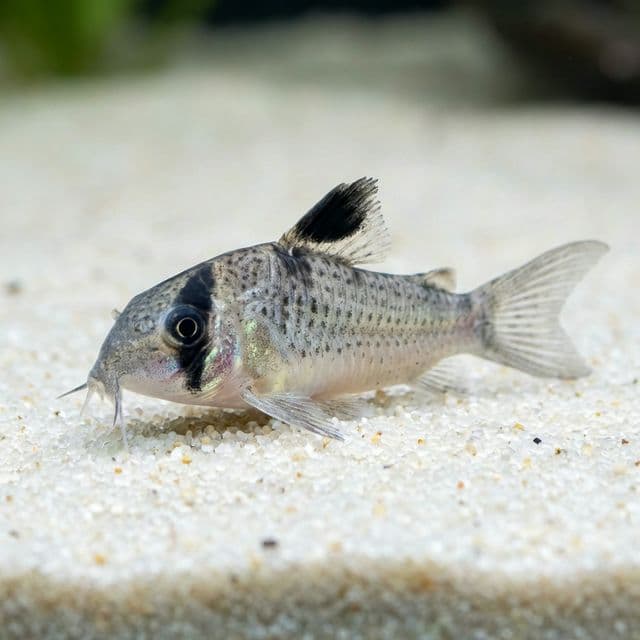
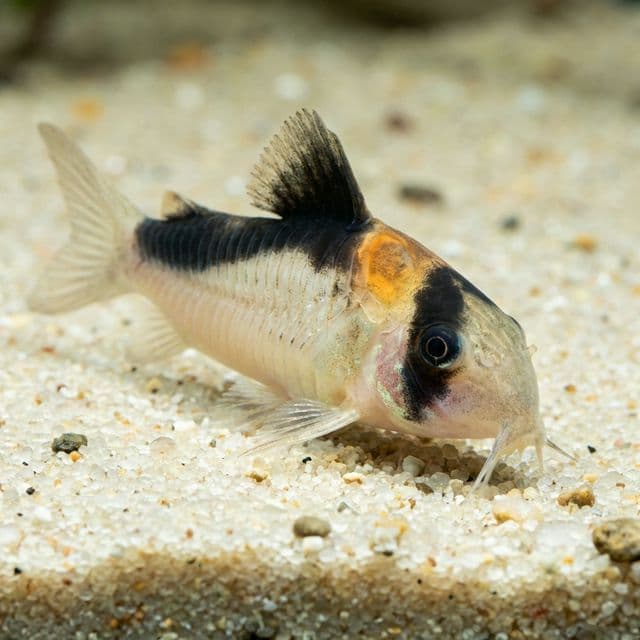
Often confused with the Spotted Cory, but has a larger dorsal fin and more distinct spotting.
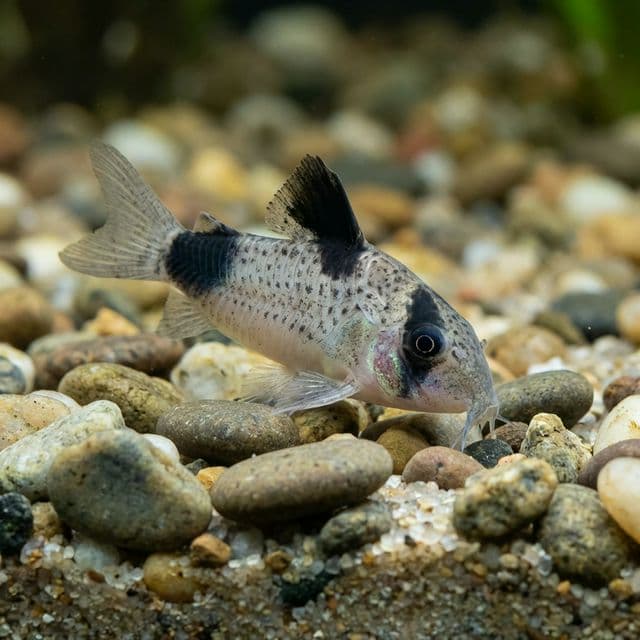
Blacksail Cory
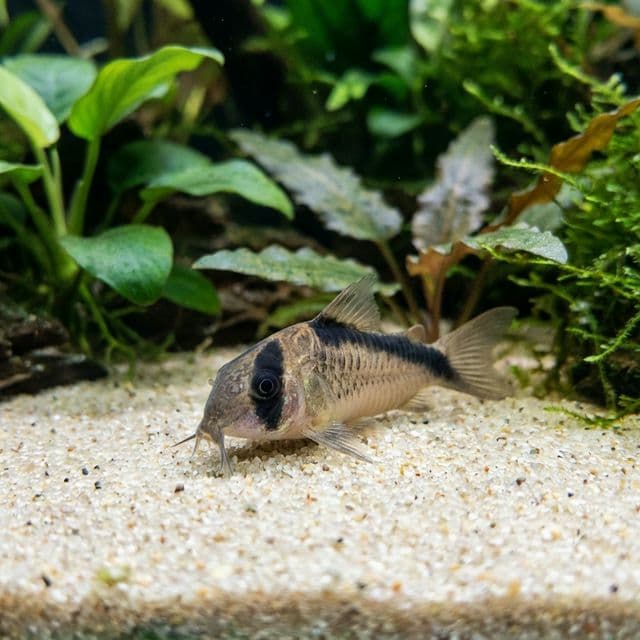
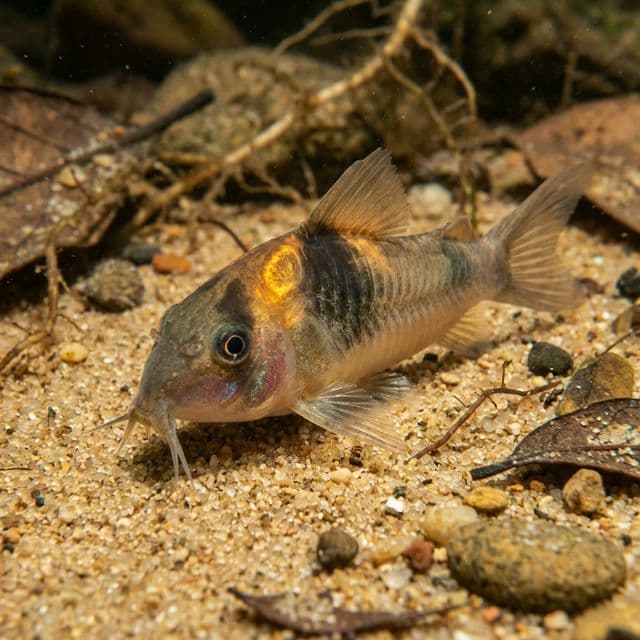
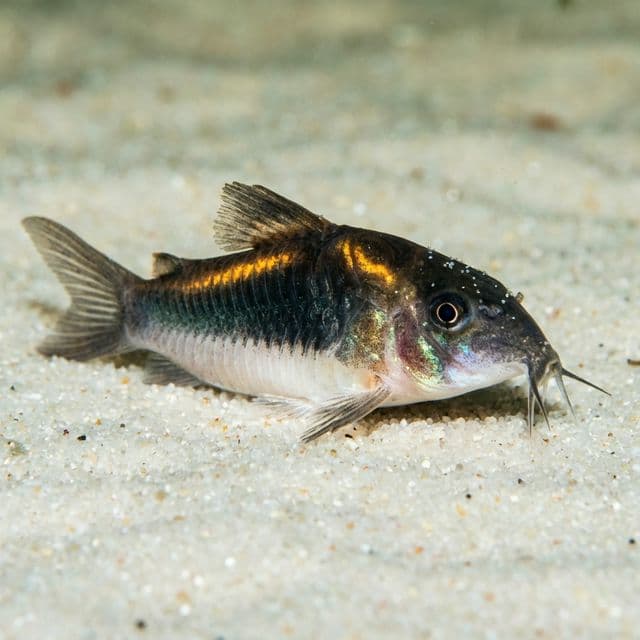
The Blacksail Cory, scientifically known as Hoplisoma melanistium, is an enchanting addition to any freshwater aquarium. Recognized by its striking black sail-like dorsal fin and attractive coloration, this species can captivate both novice and experienced aquarists alike. Its intricate patterns of dark shades blend with subtle iridescence, making it visually dynamic as it gracefully explores its aquatic environment. The unique appearance of the Blacksail Cory not only showcases nature’s artistry but also highlights its adaptive characteristics, which can be a fascinating topic for hobbyists looking to deepen their understanding of their aquatic pets.
In addition to its aesthetic appeal, the Blacksail Cory holds a significant place in the aquarium hobby due to its ease of care and interactive behavior. These fish are known to exhibit sociable dispositions, often engaging with tank mates and foraging in the substrate for food. The combination of their hardy nature and compelling behavior makes them a delightful species for community tanks, further enhancing their popularity among aquarists. Understanding the nuances of the Blacksail Cory's care and habitat can lead to a rewarding experience, allowing owners to observe the lively antics of these captivating creatures.
Natural Habitat & Origin
The Blacksail Cory hails from the freshwater rivers and streams of South America, specifically regions within the Amazon Basin. These areas are characterized by soft, slightly acidic waters, often enriched with organic materials, which lend a tea-colored hue to the water. The ecological environment of blackwater rivers provides the Blacksail Cory with the ideal habitat, where it thrives among the submerged roots and dense vegetation. The combination of gentle flowing waters and abundant hiding spaces offers both safety and food sources, making this environment essential for their natural behavior.
In their native habitats, Blacksail Corys typically inhabit densely vegetated creek beds and slow-moving waterways, where they forage for detritus and small invertebrates. Understanding these environmental conditions helps aquarists replicate a suitable habitat for them in captivity, ensuring their well-being and enhancing their natural behaviors in a home aquarium.
Care Requirements
To maintain the health and vitality of the Blacksail Cory, aquarists should adhere to specific water parameters. These fish prefer a pH range of 6.0 to 7.5, a temperature between 22°C to 28°C (72°F to 82°F), and a hardness level of 3 to 10 dGH. Setting these optimal conditions allows for the thriving of these fish, minimizes stress, and increases their lifespan in captivity.
In terms of tank setup, a minimum of 30 gallons is recommended to provide adequate swimming space and reduce territorial disputes. The substrate should comprise soft materials like fine sand or smooth gravel to protect their sensitive barbels while they forage. Adequate lighting is important, but it should mimic their natural habitat's dim conditions—thus, using moderate lighting with ample hiding spots from driftwood and live plants is ideal. Additionally, foliage such as Java fern and Anubias can create both shelter and foraging opportunities, enhancing the overall aesthetic and functionality of the aquarium.
Diet & Feeding
The Blacksail Cory is omnivorous, which allows for a varied diet in captivity. In the wild, they primarily feed on small invertebrates, plant matter, and detritus, which can be replicated in an aquarium setting. Commercially available fish flakes and sinking pellets formulated for bottom feeders are excellent staples for their diet. Incorporating a mix of high-quality frozen and live foods—such as bloodworms, brine shrimp, and daphnia—can contribute to their nutritional needs, ensuring they receive essential proteins and nutrients.
Feeding should occur multiple times a day in small portions to simulate their natural foraging behavior. By offering a balanced diet and keeping feeding areas varied in the tank, aquarists can prevent competition and ensure all fish receive adequate nourishment.
Behavior & Temperament
Blacksail Corys are naturally sociable creatures, exhibiting strong schooling behavior. They thrive when kept in groups of at least six, which helps reduce stress and provides comfort in numbers. Their peaceful temperament makes them ideal for community tanks where they coexist amiably with a variety of species. However, they may occasionally display dominant behaviors, particularly during feeding, but overall, they are non-aggressive and more focused on foraging than territorial conflicts.
In terms of vertical placement, Blacksail Corys are primarily bottom dwellers, residing close to the substrate where they search for food. Nonetheless, they may swim throughout the lower and mid-water levels of the tank, especially during active feeding times or when feeling secure in their environment.
Tank Mates
When selecting tank mates for the Blacksail Cory, it is essential to choose compatible species that share similar water parameter requirements and peaceful temperaments. Good options include:
- Tetras (e.g., Neon Tetra, Cardinal Tetra)
- Small Rasboras (e.g., Harlequin Rasbora)
- Other Corydoras species (e.g., Peppered Cory, Bronze Cory)
- Guppies
- Platies
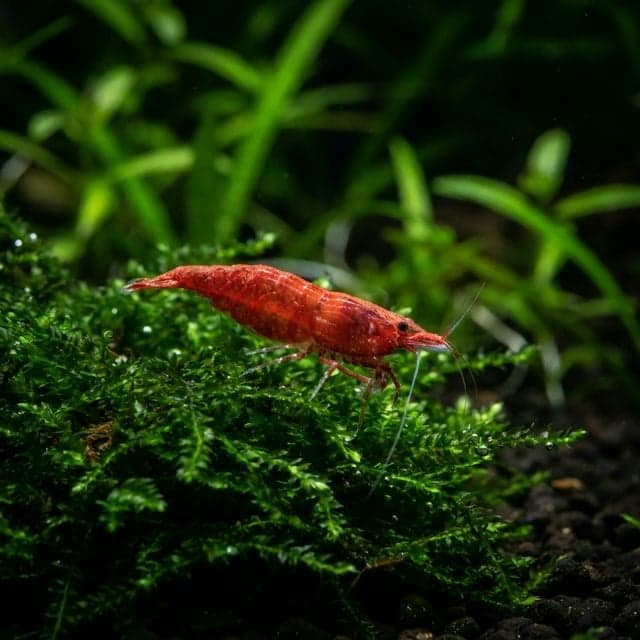
- Shrimp (e.g., Cherry Shrimp)
Species to avoid include aggressive or larger fish that may bully or prey upon the Blacksail Cory, such as:
- Cichlids (e.g., Oscar, Jack Dempsey)
- Large barbs (e.g., Tiger Barb)
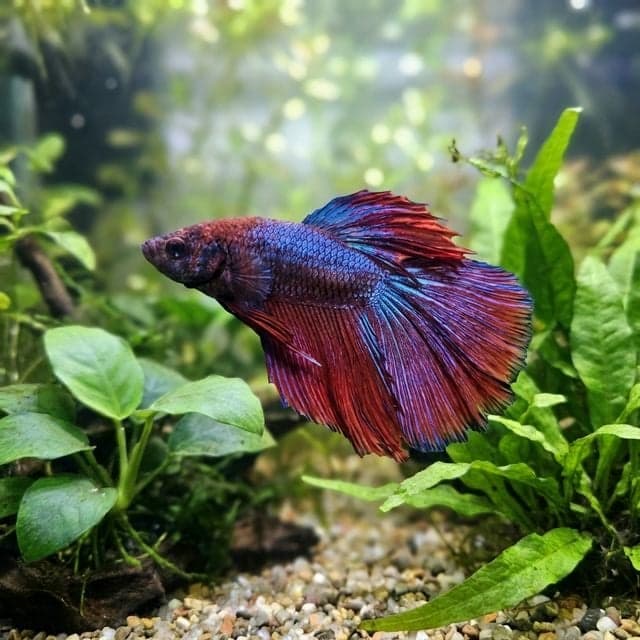
- Bettas (especially males)
- Fish that exhibit territorial behaviors, especially during breeding seasons
Choosing the right tank mates can lead to a harmonious aquarium ecosystem where all species thrive.
Breeding
Breeding Blacksail Corys in captivity can be an enjoyable yet challenging endeavor. The first step is to ensure you have a suitably conditioned group of fish, ideally in a separate breeding tank. Appropriate spawning conditions typically require slightly cooler water temperatures and a pH around 6.0 to 6.5. Adding fine-leaved plants or spawning mats can provide suitable locations for the females to lay eggs.
During courtship, males will display vibrant colors and chase females in a synchronized manner, encouraging them to lay eggs on flat surfaces. Once eggs are fertilized, it is advisable to remove the adults from the breeding tank, as they may consume the eggs or fry. The eggs will typically hatch within 3 to 5 days, and once the fry are free-swimming, they should be fed infusoria or liquid fry food for optimal growth and survival.
Common Health Issues
While the Blacksail Cory is generally hardy, it can be prone to common freshwater fish ailments if water quality is not maintained. Some issues include:
- Ich (Ichthyophthirius multifiliis): Often characterized by white spots on the skin and fins, caused by stress or poor water quality. Prevention includes maintaining stable water parameters and a balanced diet.
- Fin Rot: Commonly linked to poor water conditions, this can be prevented by regular tank cleaning and monitoring for signs of stress or injury.
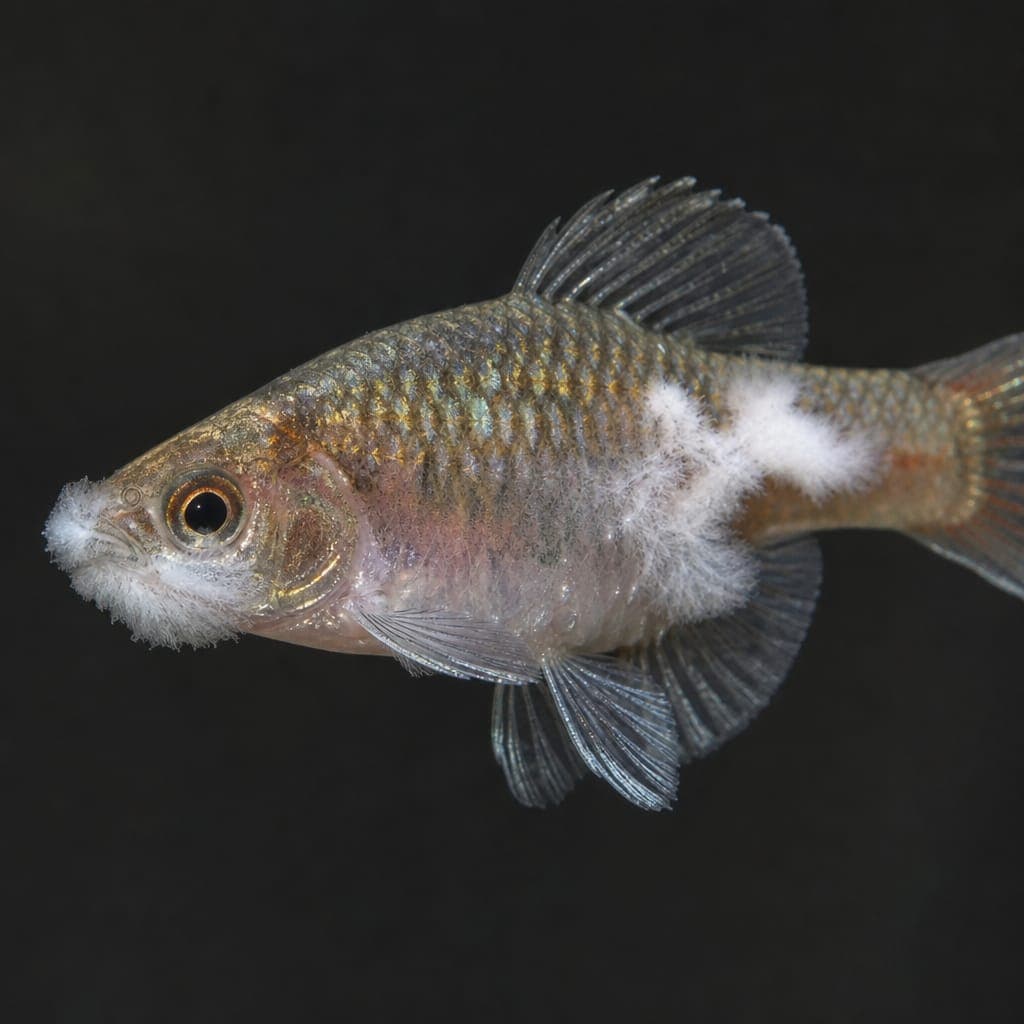
- Columnaris: This bacterial infection can cause mouth rot and lesions; maintaining high water quality, as well as prompt treatment with antibiotics, can aid in prevention.
Regular tank maintenance, monitoring of water parameters, and prompt attention to any signs of distress are crucial for minimizing these health risks and ensuring a thriving Blacksail Cory population in your aquarium.