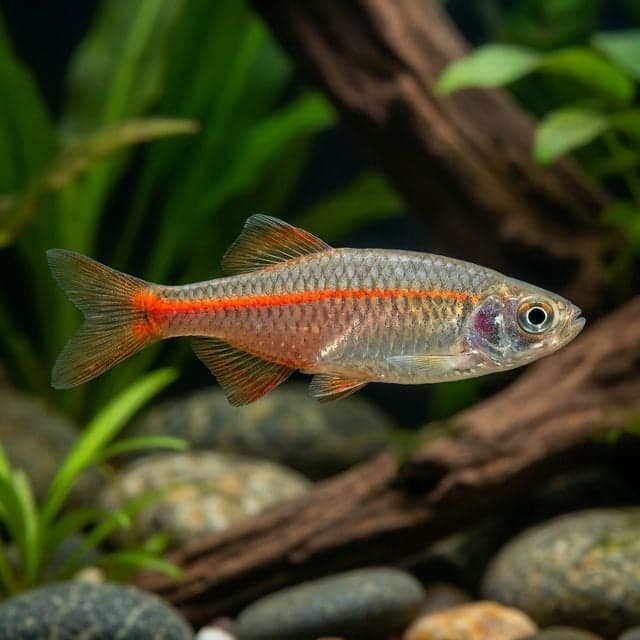
Blind Cavefish: Astyanax mexicanus
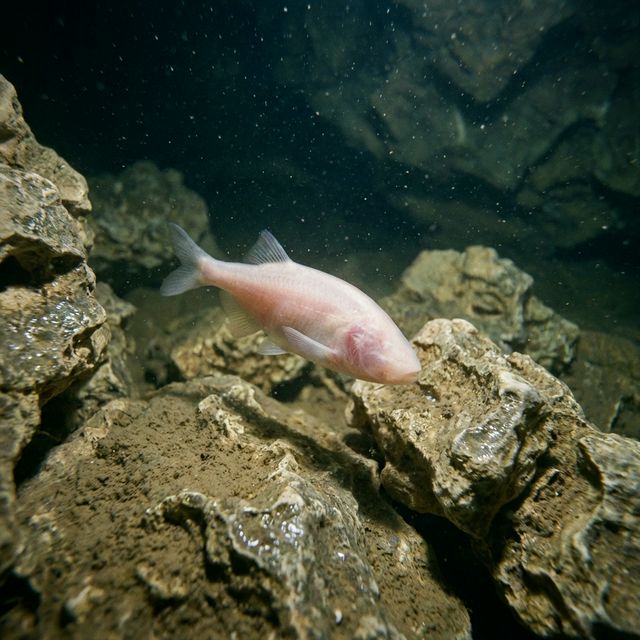
A fascinating tetra that has evolved without eyes. It navigates entirely by lateral line sensing.
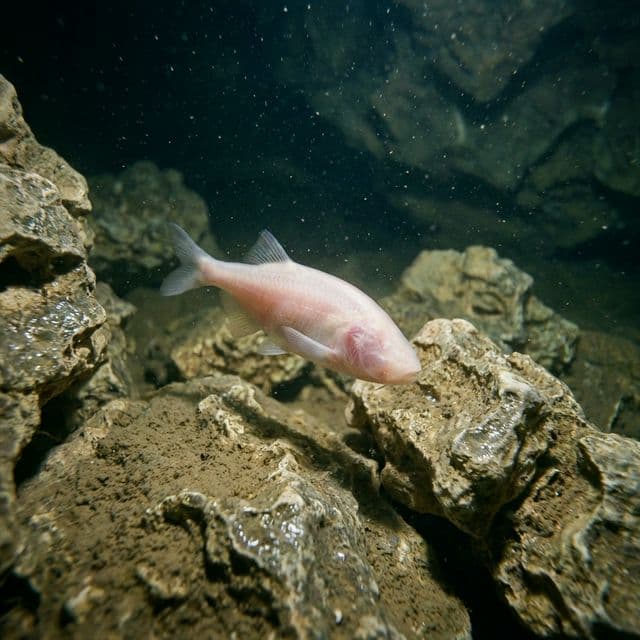
Blind Cavefish
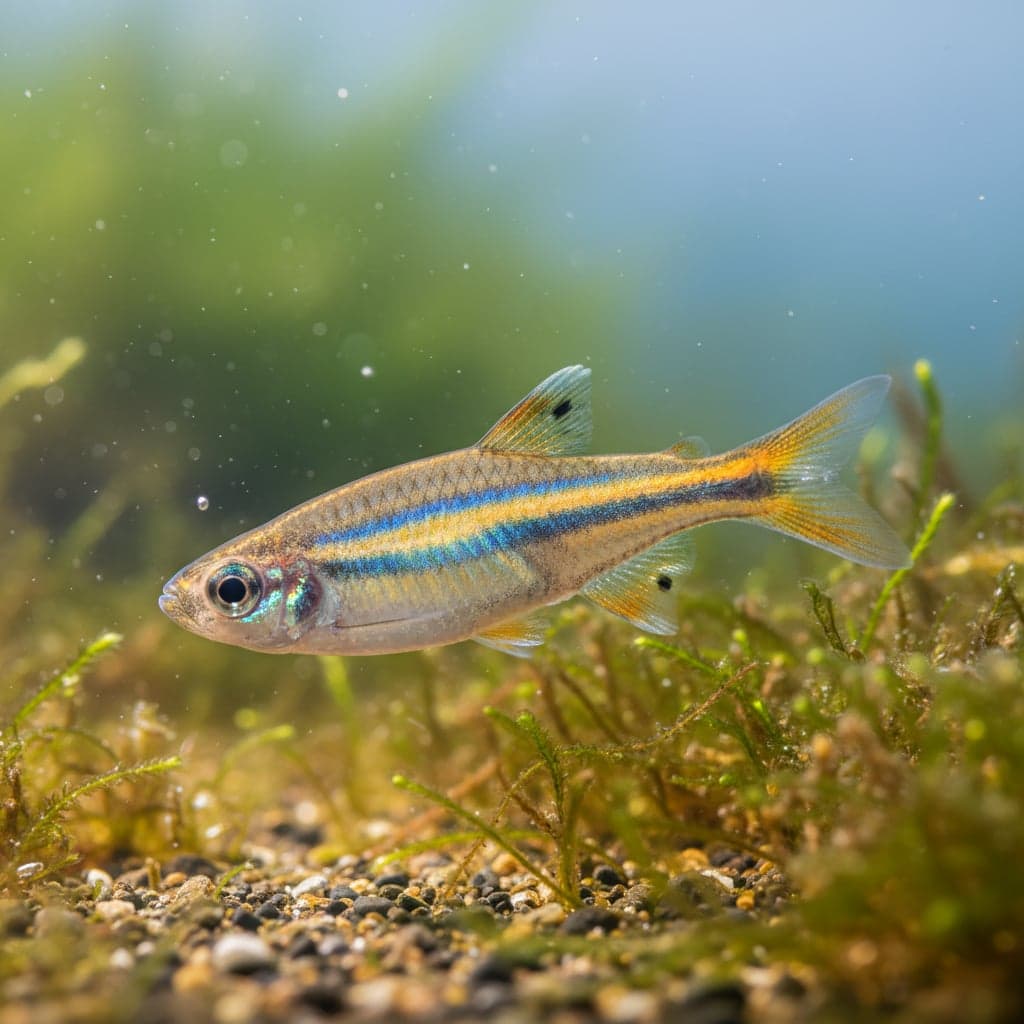
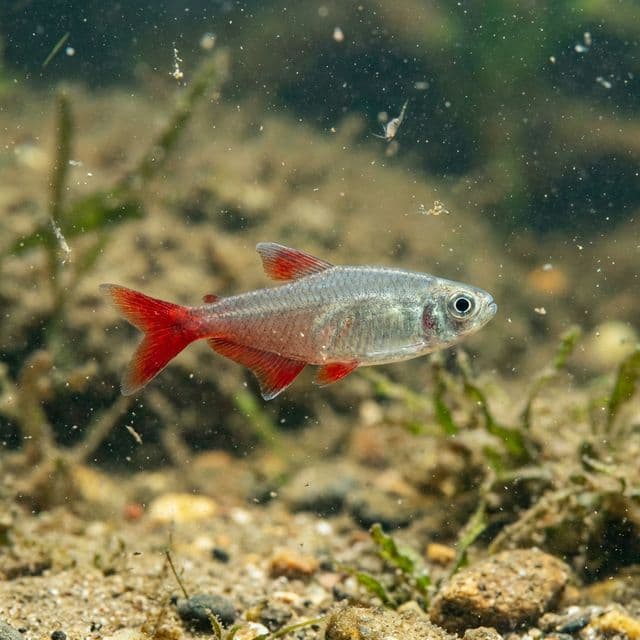
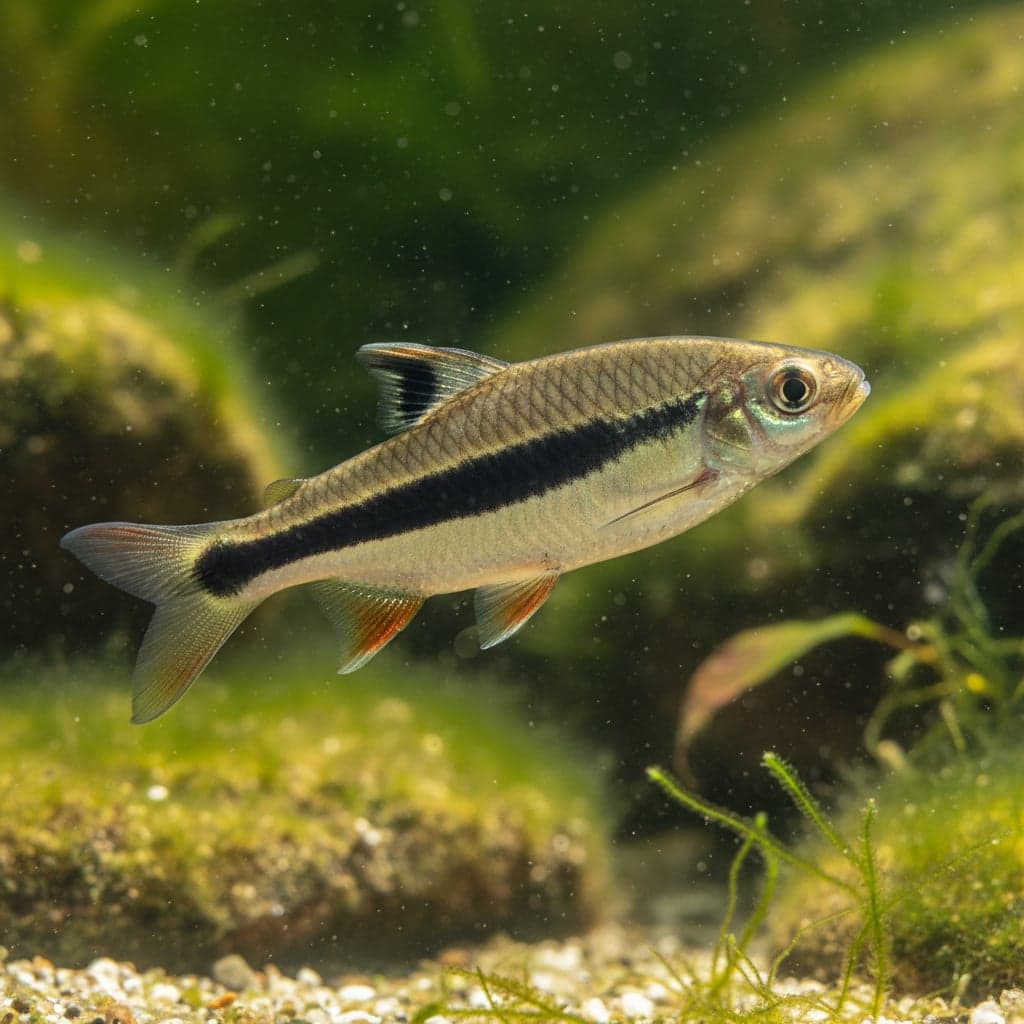
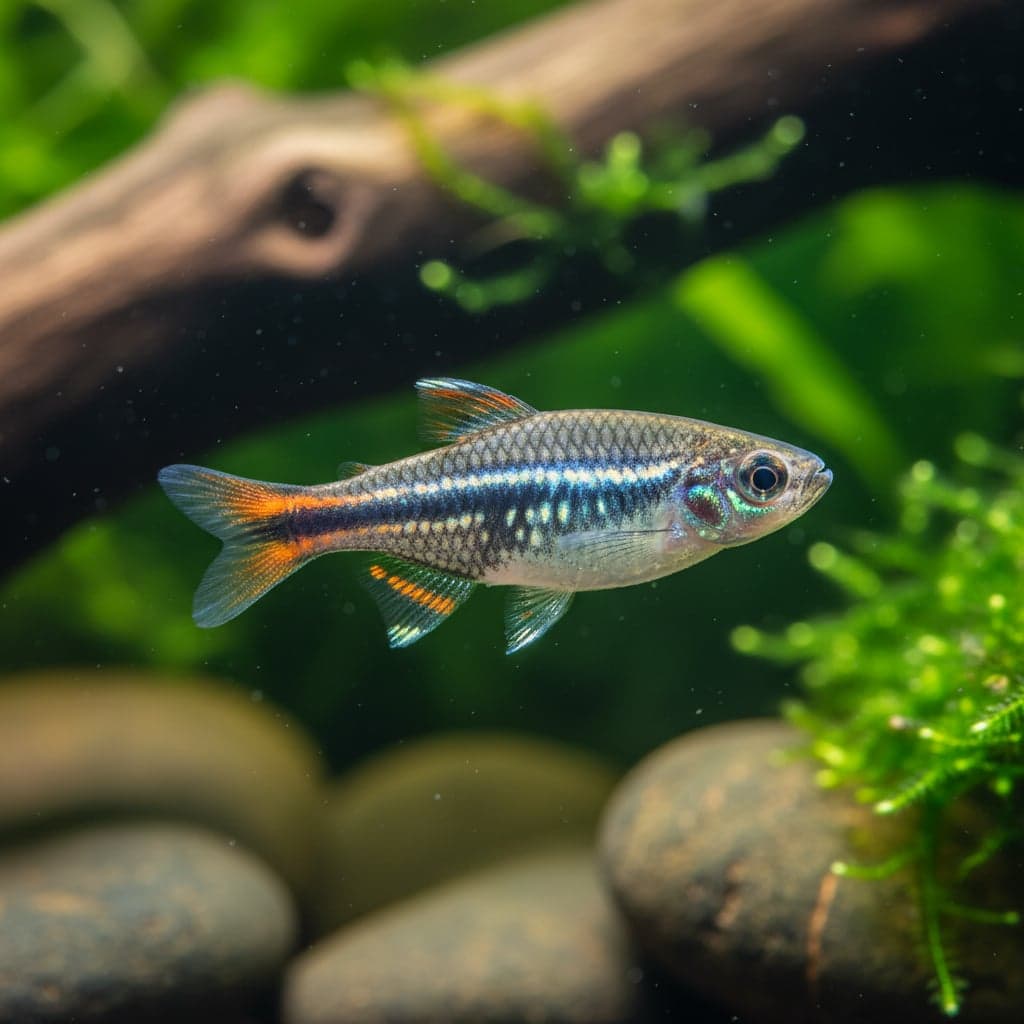
The Blind Cavefish, scientifically known as Astyanax mexicanus, is a fascinating species that has captured the hearts of aquarium enthusiasts and researchers alike. Originating from the dark and submerged environments of Mexico's cave systems, this remarkable fish has evolved in isolation, developing a unique adaptation: it has lost its eyesight and pigmentation. Instead, it features a streamlined body and heightened sensory systems, allowing it to thrive in its obscure habitat. The striking contrast of its pale body against the dark backdrop of a cave makes this fish visually appealing, particularly for aquarists looking for unique and unusual specimens to add to their collections.
From an ecological perspective, the Blind Cavefish is significant not only because of its adaptation to life in complete darkness but also due to the insights it provides into evolutionary processes and genetics. As one of the most studied organisms for understanding cave adaptations, its study can inform various scientific fields, including ecology and evolutionary biology. In the aquarium hobby, its uniqueness and curious nature make the Blind Cavefish a sought-after addition for biotope tanks and educational setups, showcasing the wonders of evolutionary adaptation while fostering a deeper appreciation for aquatic biodiversity.
Natural Habitat & Origin
The Blind Cavefish hails primarily from the extensive cave systems found in northeastern Mexico, notably within the Sierra Madre Oriental. These fish inhabit underground rivers and pools where sunlight is nonexistent, relying on their acute sensitivity to vibrations and chemicals in the water. Due to their cave-dwelling lifestyle, the fish are accustomed to blackwater conditions; the water is typically low in mineral content and may have a dark, tannin-stained appearance due to decaying organic matter. In these unique environments, both temperature and water quality can vary significantly, which influences the Blind Cavefish's adaptations and behavior.
The caves where Blind Cavefish are found often feature a stable temperature range, typically between 20°C to 22°C (68°F to 72°F). The absence of light and competition from other fish species allows the Blind Cavefish to thrive, making it an excellent candidate for breeding and study in controlled aquarium settings.
Care Requirements
To successfully care for Blind Cavefish, it’s essential to replicate their natural habitat as closely as possible. A minimum tank size of 20 gallons is recommended for groups, as they are social creatures and require adequate space to exhibit their natural schooling behavior. The ideal water parameters for keeping Blind Cavefish include a pH between 6.5 and 7.5, a temperature maintained at about 20°C to 22°C (68°F to 72°F), and water hardness ranging from 5 to 15 dGH.
For tank setup, choose a substrate that mimics the cave environment, such as fine sand or smooth gravel, which will not injure the fish. Providing driftwood, cave structures, and densely planted sections with low-light plants will give a naturalistic feel while creating hiding spots—essential for these insecure fish. Lighting should be dim to replicate their dark cave surroundings, avoiding harsh illumination that can disturb their sensitive eyes.
Diet & Feeding
Blind Cavefish are omnivorous, and in captivity, they thrive on a varied diet to ensure optimal health. High-quality floating or sinking flakes and pellets designed for community tank fish work well. They also appreciate live and frozen foods, such as brine shrimp, daphnia, and bloodworms, which can entice them to forage—mimicking their natural hunting behavior in the wild. Offering a balanced diet ensures that these fish receive the nutrients necessary for growth, vibrant health, and overall well-being.
It's advisable to feed the Blind Cavefish small amounts several times a day rather than one large meal, as they can be prone to overfeeding if not monitored carefully. Varying their diet keeps them active and interested, promoting better health and vitality.
Behavior & Temperament
Blind Cavefish are known for their docile and peaceful nature. They are social creatures that thrive in groups, ideally kept in schools of five or more to reduce stress and encourage natural behaviors. Their schooling instinct promotes a sense of security, as they feel safer in numbers. In the aquarium, these fish exhibit non-aggressive behavior towards each other and most tank mates, although their shy nature may lead them to seek shelter at the bottom or in hiding spots during the day.
When housed in a community tank, Blind Cavefish tend to dwell toward the lower and middle sections of the aquarium, making them ideal for deeper tanks equipped with various levels and hiding spaces. Observing their interactions with tank mates can provide an engaging and dynamic viewing experience.
Tank Mates
When selecting tank mates for Blind Cavefish, it is crucial to choose species that share similar water parameters and temperament. Compatible species include peaceful community fish such as Tetras, Rasboras, Guppies, Corydoras catfish, and certain dwarf cichlids. These fish inhabit similar water conditions and will not pose a threat to the Blind Cavefish.
However, it's best to avoid housing Blind Cavefish with aggressive or territorial species, such as Cichlids or larger predatory fish, which may stress or prey upon the Blind Cavefish. Small, fast-moving fish can also outcompete them for food, so careful consideration should be given to all potential tank mates to ensure a harmonious environment.
Breeding
Breeding Blind Cavefish can be challenging, as they typically do not exhibit notable sexual dimorphism. However, successful spawning can occur with the right conditions. To induce breeding, provide males and females with a well-maintained and clean environment with slightly cooler water (around 18°C or 64°F) for a few weeks, simulating seasonal changes that provoke spawning.
Spawning usually occurs in spring, where females will lay adhesive eggs on the aquarium surfaces or plants. After spawning, it is advisable to remove the parents to avoid consuming the eggs. Ensure proper filtration and water quality, maintaining a gentle flow to mimic the fish's natural habitats. With the right conditions, the eggs will hatch within a few days, and the fry can be fed infusoria or crushed flakes until they grow sufficiently.
Common Health Issues
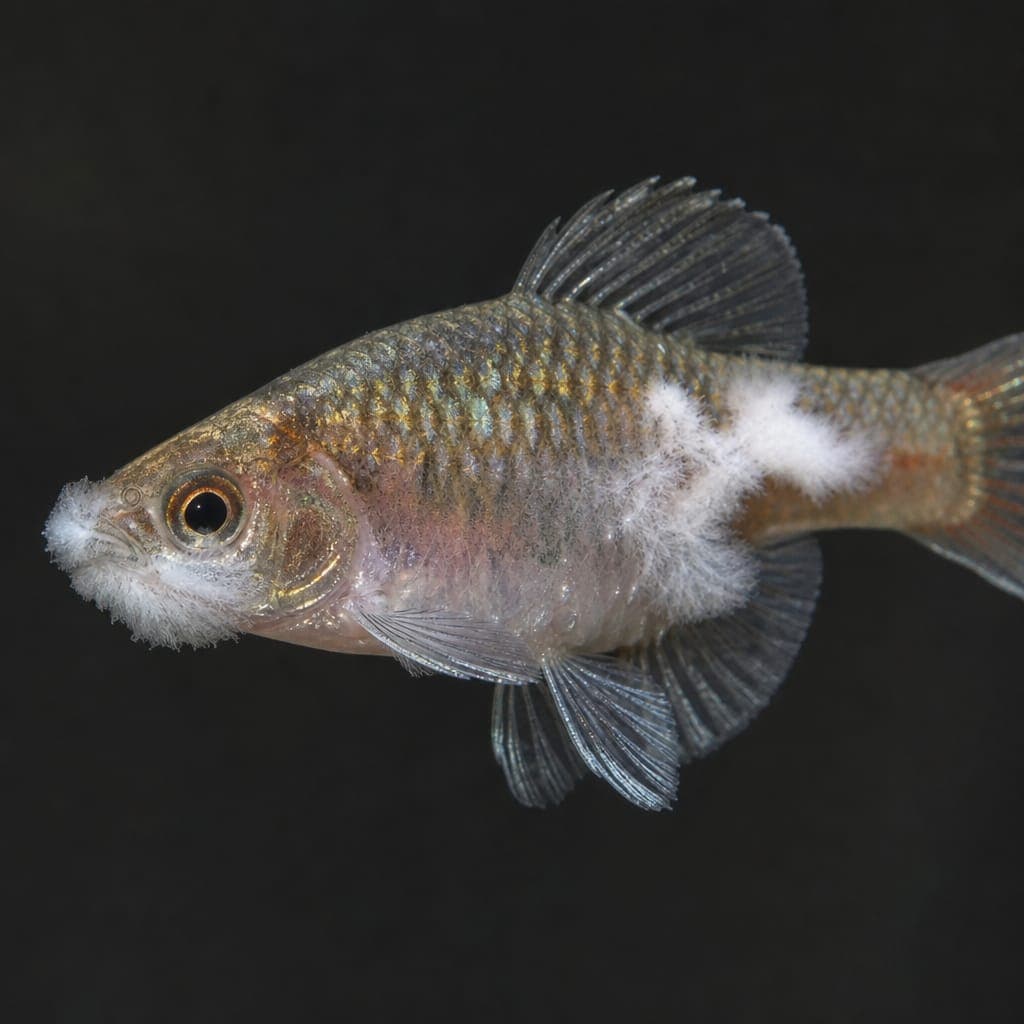
Blind Cavefish are generally hardy but can be prone to a few common health issues, particularly if water quality is not adequately managed. Diseases such as ich (Ichthyophthirius multifiliis), fin rot, and body fungus are some of the more common ailments that may affect them. Signs of ich include white spots on the body, while fin rot will manifest as frayed or disintegrating fins.
Preventative measures include maintaining stable water conditions, performing regular water changes, and ensuring a balanced diet to support their immune systems. Observing your fish regularly and addressing any concerns promptly can help mitigate health problems and ensure a long and healthy life for your Blind Cavefish.