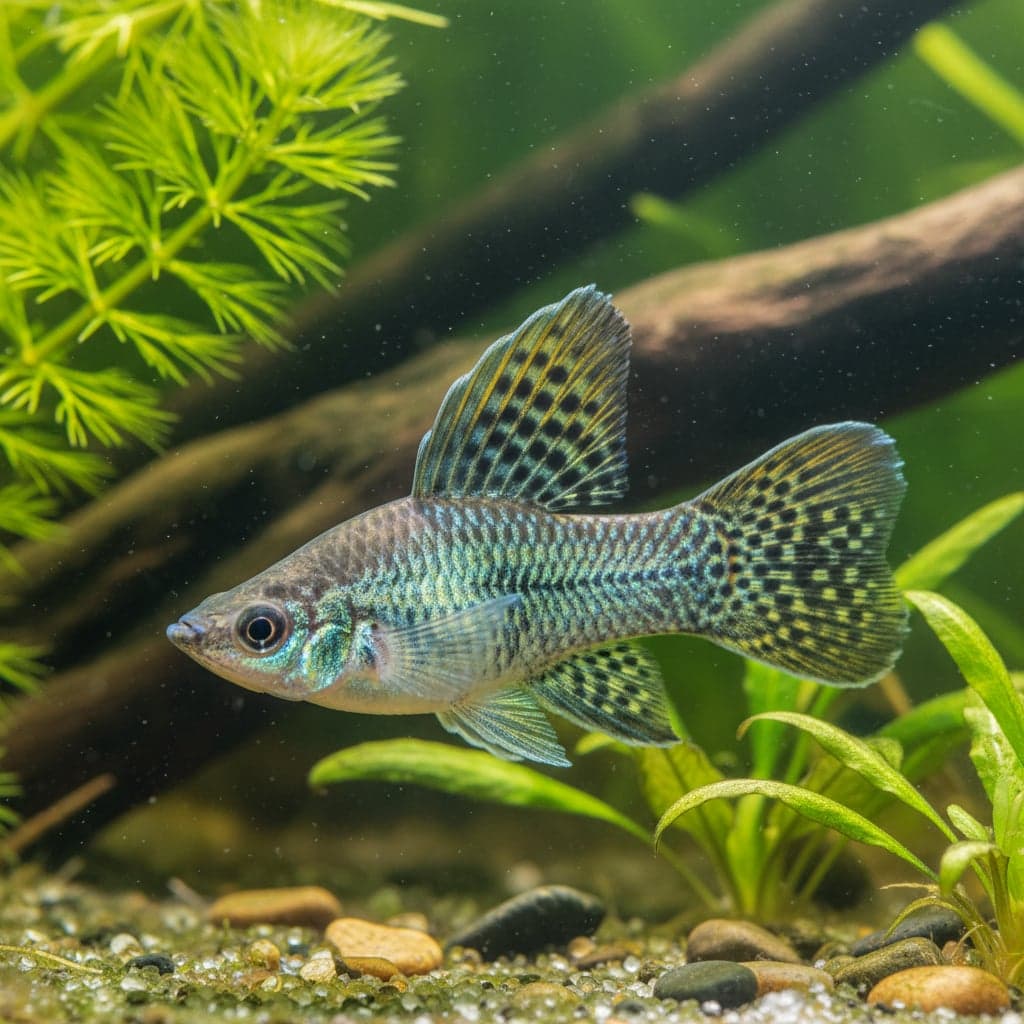
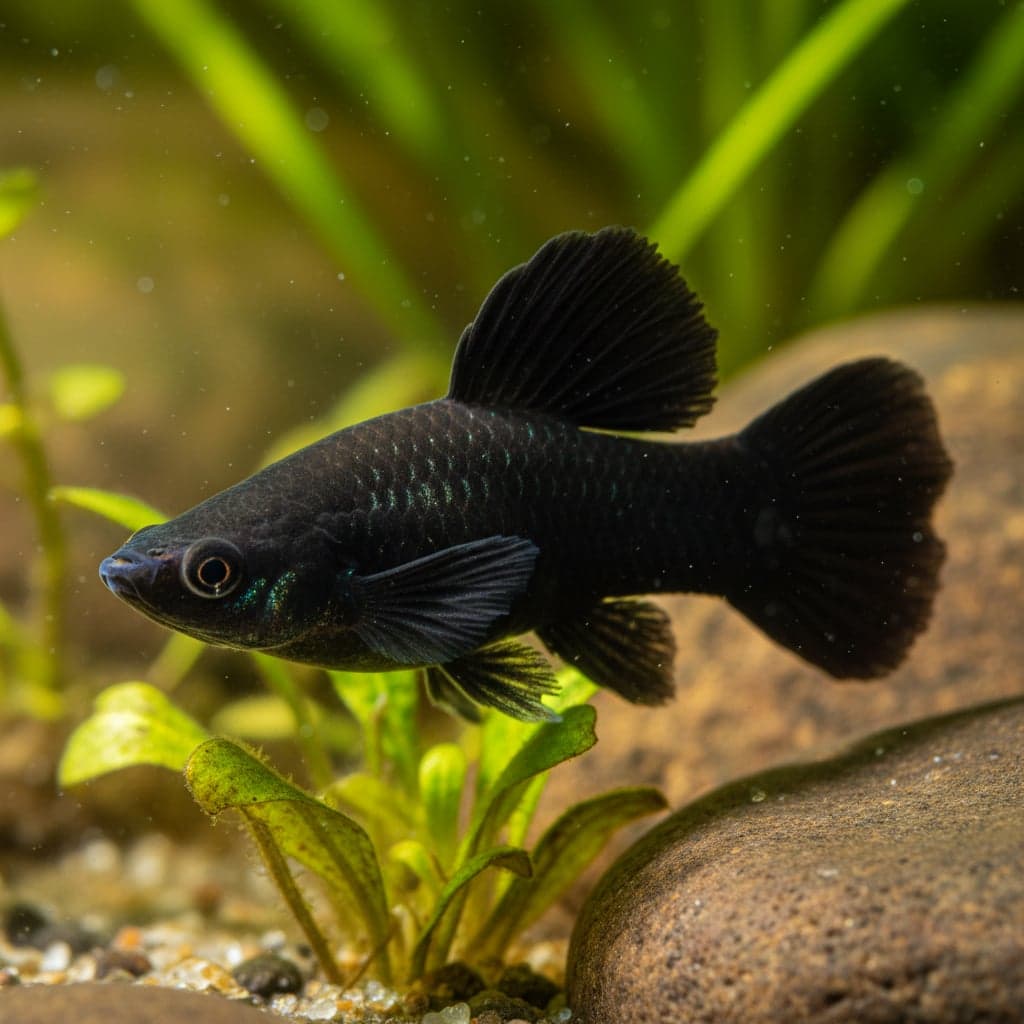
Blue-bellied Limia: Poecilia melanogaster
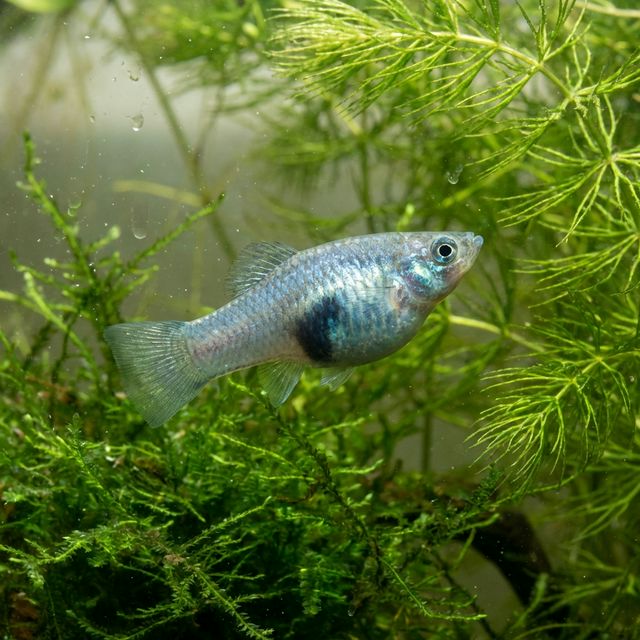
A peaceful livebearer from Jamaica. Females have a distinct blue patch on the abdomen.
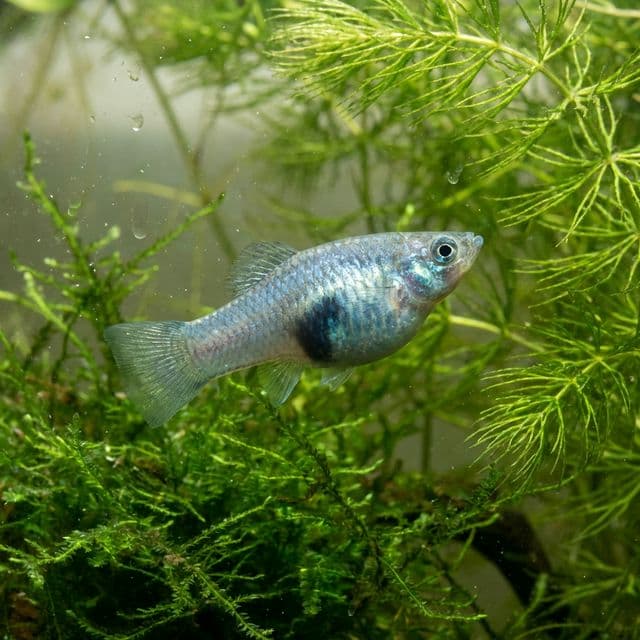
Blue-bellied Limia
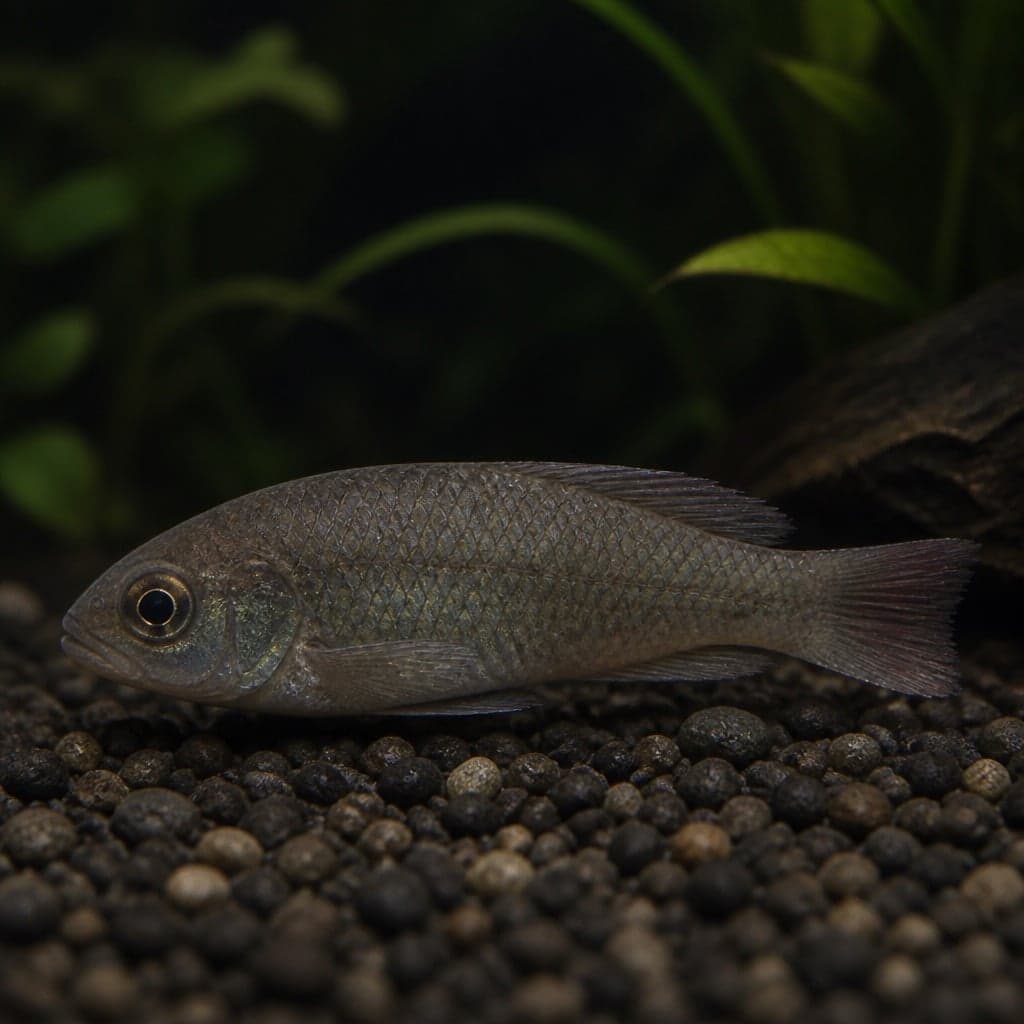
The Blue-bellied Limia, scientifically known as Poecilia melanogaster, is a striking freshwater fish celebrated for its vivid coloration and unique charm. Originating from the brackish waters of Caribbean islands, particularly Cuba, this species exhibits an enticing palette of colors, primarily featuring a shimmering blue hue on its belly, contrasted with darker tones on its dorsal and upper body. Its visual appeal has made it a favorite among aquarists, who admire not only its aesthetic qualities but also its lively behavior. As a part of the Poeciliidae family, the Blue-bellied Limia is part of a rich lineage of popular aquarium fish, known for their robustness and adaptability.
In the aquarium hobby, the Blue-bellied Limia holds particular significance due to its relative ease of care and peaceful demeanor. This species is a delightful addition to community tanks and offers aquarists a chance to appreciate the complexities of freshwater ecosystems. Their lively actions and colorful displays contribute to the dynamic environment of aquariums, making them not just a passive occupant but an active participant in the aquatic landscape. Understanding the Blue-bellied Limia allows aquarists to create an environment that reflects its natural habitat, enhancing the overall health and vitality of these remarkable fish.
Natural Habitat & Origin
The Blue-bellied Limia is native to the brackish waters of Cuba, where it can be found in still waters such as lagoons, swamps, and slow-moving streams. These habitats are characterized by a mix of fresh and saltwater, often with a darker, tea-colored tint due to the presence of tannins from decaying plant matter. This fish thrives in environments that provide both cover and open swimming space, usually flourishing in waters with a slightly acidic to neutral pH and lower water hardness. Understanding the natural habitat of the Blue-bellied Limia is critical for recreating suitable conditions in a home aquarium, as it emphasizes the importance of water quality and environmental stability for their well-being.
In the wild, Blue-bellied Limias often inhabit densely vegetated areas that provide both refuge from predators and ample food sources. These regions highlight their adaptability to various environmental conditions, showcasing their resilience and dietary flexibility. When introducing them into home aquariums, providing a similar environment with floating and rooted plants not only replicates their natural ecosystem but also reduces stress on the fish, promoting a healthier and more vibrant display.
Care Requirements
Caring for the Blue-bellied Limia requires an understanding of its specific water parameters and tank setup. Ideally, the water should maintain a pH range of 6.5 to 7.5 with a temperature between 24°C to 28°C (75°F to 82°F). The hardness should be kept within 5 to 15 dGH, providing a comfortable environment where these fish can thrive. In terms of tank size, a minimum of 10 gallons is recommended, especially for a small group, as these fish benefit from social interactions.
When setting up the tank, a substrate of fine gravel or sand is preferred, as it allows for easier burrowing and access to food particles. Aqua-scaping should include plenty of plants, both floating and rooted, alongside decorations such as driftwood to create hiding spots and simulation of their native habitat. Moderate lighting is suitable, as it aids in plant growth while mimicking natural dappled light conditions found in the wild. A well-planted tank also helps maintain water quality by providing additional filtration, making routine maintenance easier.
Diet & Feeding
The Blue-bellied Limia is an omnivore with a well-rounded diet, consuming a variety of food sources in both its wild and aquarium settings. In captivity, it thrives on high-quality fish flakes, sinking pellets, and specially formulated foods that contain essential nutrients for optimal health. It is beneficial to supplement their diet with frozen or live foods, such as brine shrimp, daphnia, or mosquito larvae, which provide protein and support growth.
To ensure a balanced diet, feeding should occur multiple times a day in small portions that they can consume within a few minutes, preventing excess waste in the aquarium. This feeding regimen promotes a healthy appetite and helps maintain vibrant colors and energy levels in the Blue-bellied Limia. Additionally, it’s vital to monitor their feeding response and adjust food types according to their preferences, as variation in diet can prevent potential dietary deficiencies.
Behavior & Temperament
Blue-bellied Limias are known for their sociable nature and peaceful temperament, making them excellent candidates for community tanks. They exhibit schooling behavior and thrive in groups, ideally kept in a minimum of five individuals. This schooling habit not only enhances their vibrant display but also provides a sense of security within their group. While Blue-bellied Limias are generally non-aggressive, males can occasionally show dominance during mating displays, particularly when competing for females.
In terms of vertical placement in the tank, Blue-bellied Limias tend to inhabit the middle to upper levels of the water column. They enjoy swimming amidst submerged vegetation, where they feel secure while actively foraging for food. Creating an environment that mimics this natural behavior not only promotes their well-being but also contributes to the overall aesthetic appeal of the aquarium.
Tank Mates
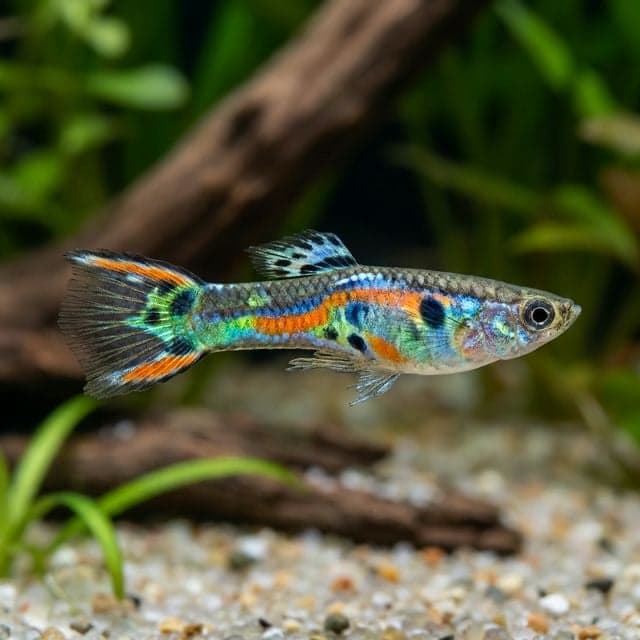
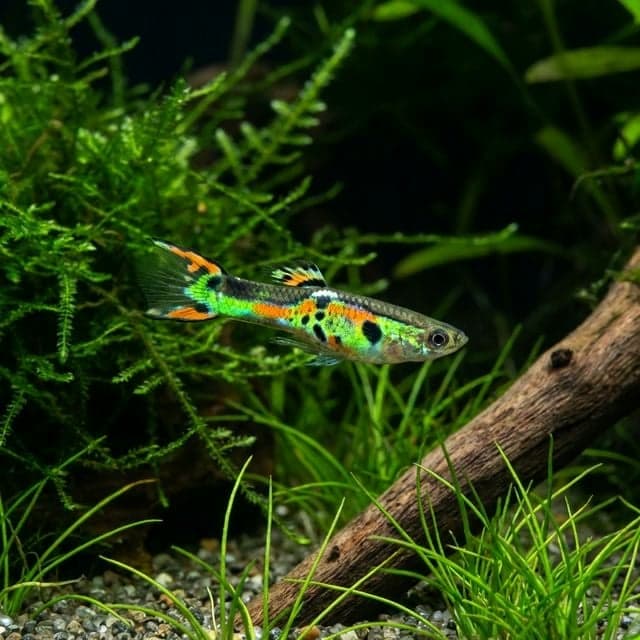
When selecting tank mates for the Blue-bellied Limia, it is essential to choose species that share similar environmental preferences and temperaments. Compatible species include small to medium-sized fish such as guppies, neon tetras, rasboras, and other peaceful community fish. Additionally, bottom-dwelling species like otocinclus catfish and corydoras catfish can coexist harmoniously with the Blue-bellied Limia, creating a diverse and colorful aquarium ecosystem.
However, it's crucial to avoid aggressive or larger fish species that might intimidate or prey on the Blue-bellied Limia, such as cichlids or certain livebearers that could dominate the space or compete for food. Ensuring a balanced community with calming tank mates allows for a stress-free environment, fostering the health and happiness of the Blue-bellied Limia while maintaining a vibrant aquarium.
Breeding
Breeding Blue-bellied Limias in captivity can be an exciting venture for aquarists. These fish are livebearers, meaning they give birth to free-swimming fry rather than laying eggs. To facilitate successful spawning, it’s essential to create a conducive environment that mimics their natural breeding conditions. Providing a separate breeding tank with slightly warmer water (around 28°C or 82°F) and numerous floating plants can serve as a spawning ground, offering cover for both the parents and the newborn fry.
When spawning occurs, females will give birth to several fry over time. Once the fry are born, it is crucial to provide finely crushed fish flakes or specialized fry food to support their early development. Males are typically more colorful and active during this period, displaying their vibrant colors to attract females. Ensuring proper food and optimal conditions post-birth is vital to raising healthy Blue-bellied Limia fry, making this an enjoyable yet responsible breeding process for aquarists.
Common Health Issues
Like many aquarium fish, Blue-bellied Limias are susceptible to specific health issues, particularly if water conditions are not adequately maintained. Common ailments include ich, fin rot, and bacterial infections when water quality declines or fish become stressed. Quarantine new arrivals, avoid overcrowding, and keep parameters stable with regular water changes and solid filtration. A varied diet and peaceful tank mates further reduce vulnerability. Watch for white spots, frayed fins, clamped fins, or lethargy, and treat promptly with appropriate medication. Consistent maintenance and early intervention help Blue-bellied Limias stay active, colourful, and resilient in the community aquarium.