Blue Cheek Goby
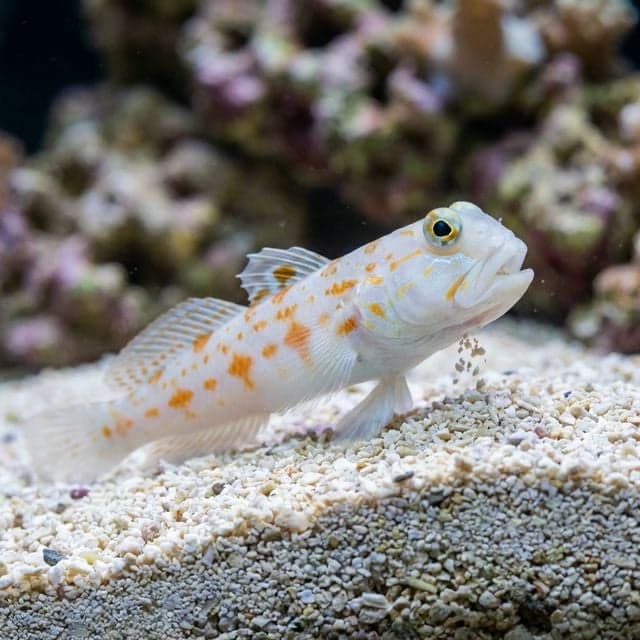
A 15cm sand-sifting goby that processes mouthfuls of substrate for food. Needs deep fine sand, a mature tank with live copepods, and a tight lid.

Blue Cheek Goby
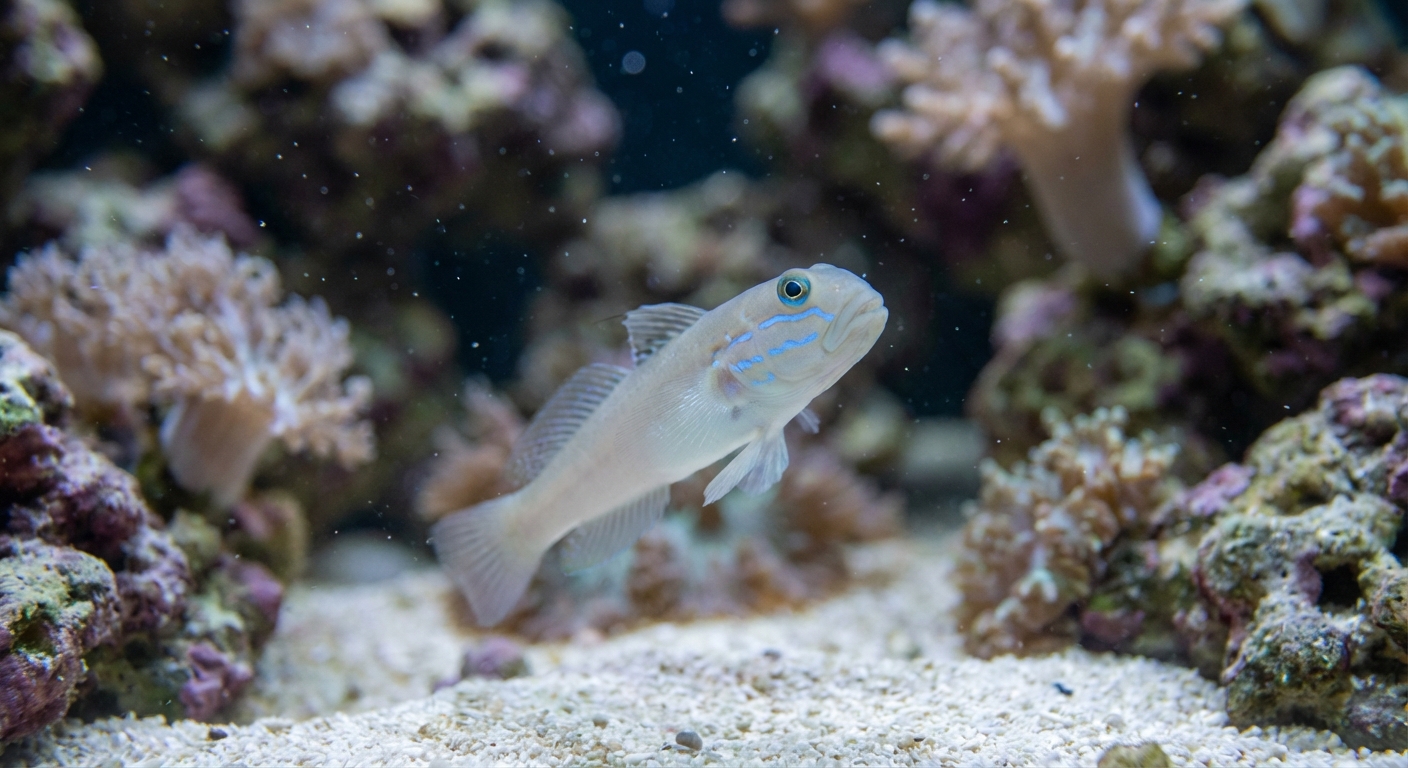
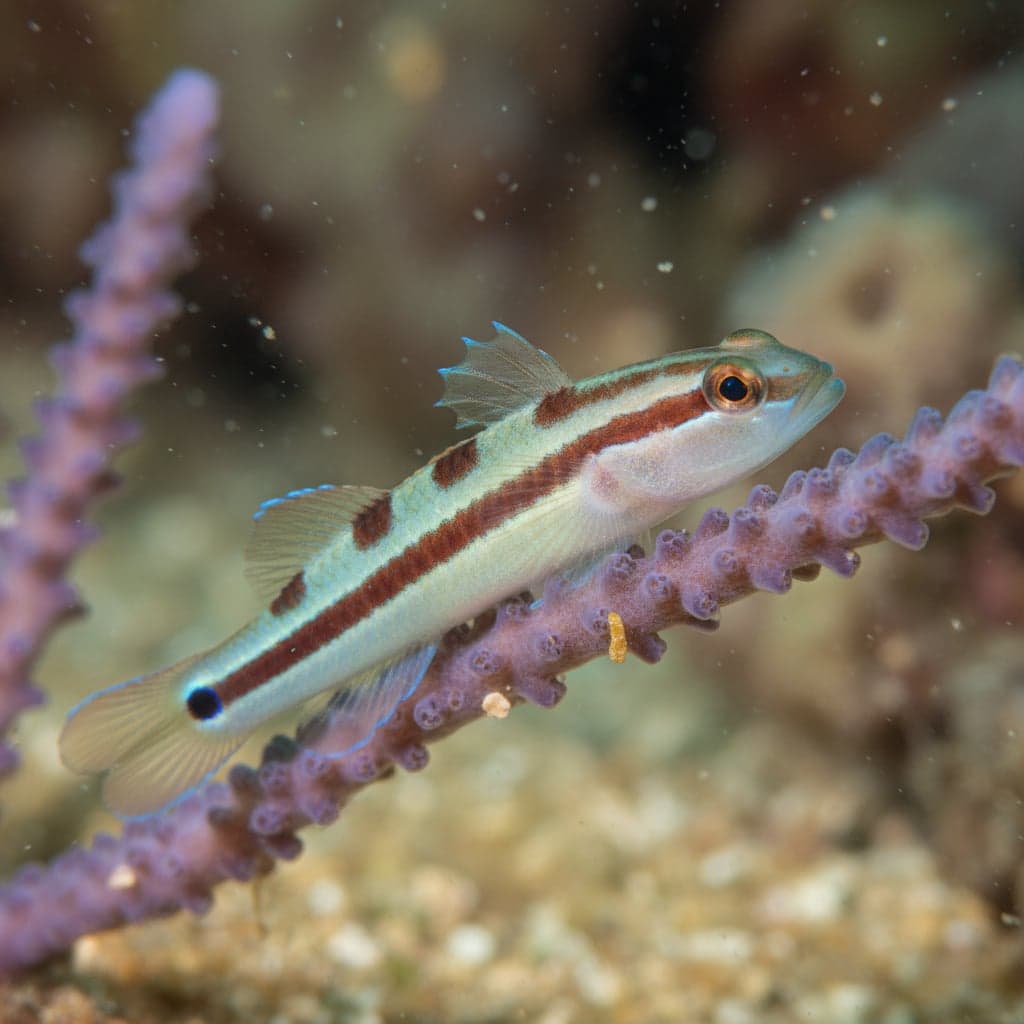
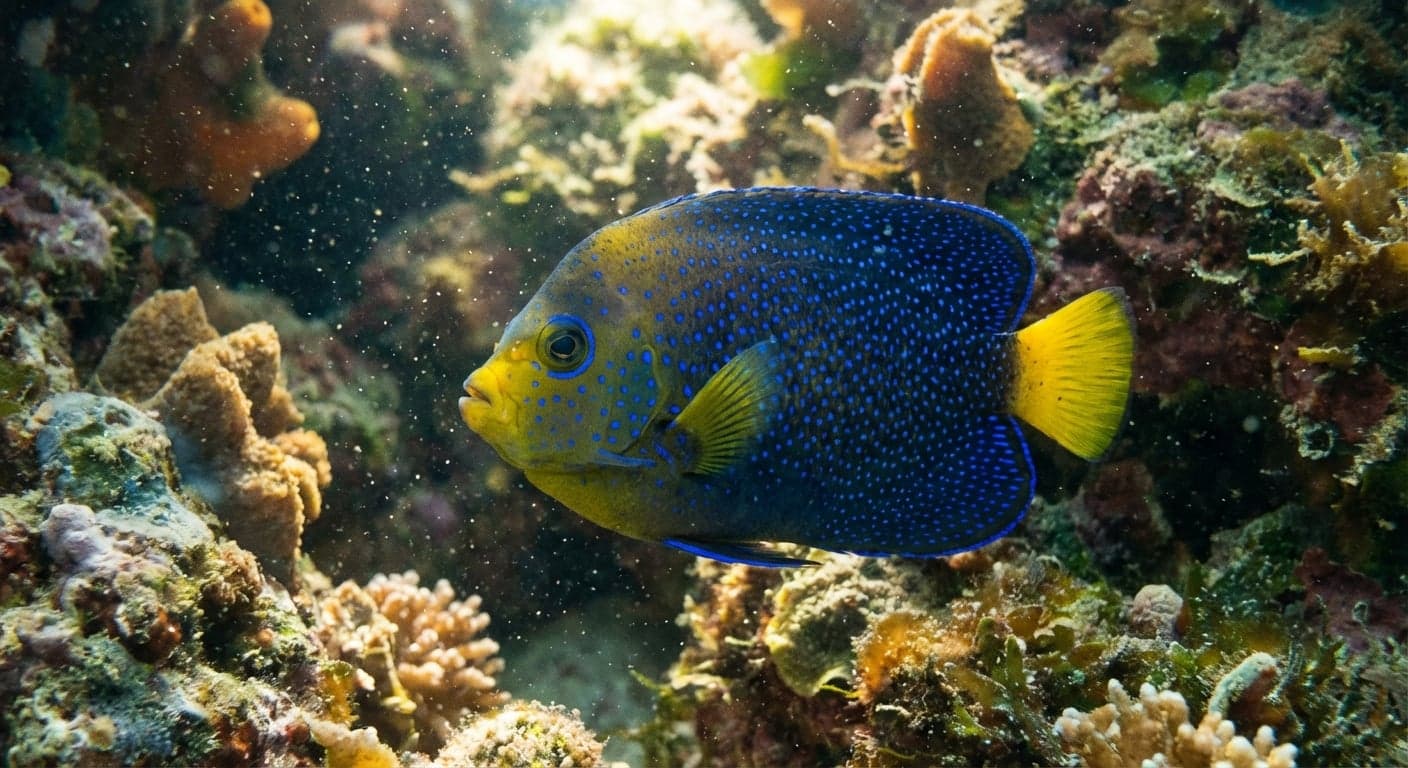
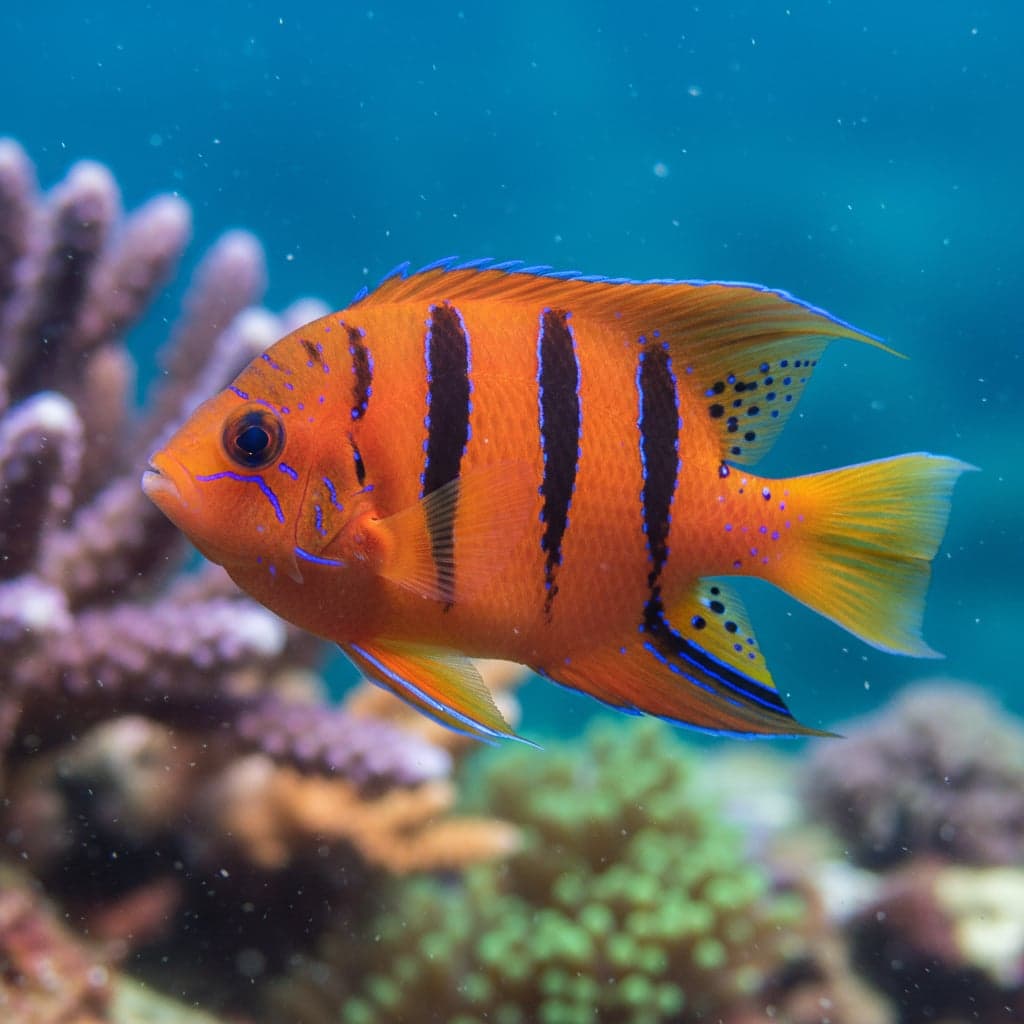
The Blue Cheek Goby, scientifically known as Stiphodon spp., is a captivating freshwater fish that has gained popularity among aquarists for its stunning visual characteristics and unique behaviors. This fish features striking iridescent blue markings on its cheeks and fins, contrasted against a background of subtle earth tones and hues. The Blue Cheek Goby's appearance not only adds an aesthetic touch to aquariums but also serves as a reminder of the rich biodiversity found in freshwater ecosystems. This species is particularly appealing for those who appreciate the nuances of aquatic life that range from delicate coloring to interesting social interactions.
In the aquarium hobby, the Blue Cheek Goby holds significant importance due to its unique ecological role and feeding habits. These fish are typically found in small streams and rivers, where they contribute to the health of their natural habitats by grazing on algae and detritus. Keeping Blue Cheek Gobies not only enhances the beauty of aquascapes but also educates hobbyists about the importance of such species in maintaining balanced ecosystems. Due to their fascinating behavior and relatively peaceful demeanor, they have become a favorite choice for freshwater aquarists looking to create vibrant, dynamic tanks.
Natural Habitat & Origin
The Blue Cheek Goby hails from the streams and rivers of Southeast Asia, particularly in countries like Indonesia and Papua New Guinea. These fish thrive predominantly in clear, fast-flowing waters, often found in less polluted areas that ensure a healthy aquatic environment. The natural habitat is characterized by sandy or gravelly substrates, alongside rocky formations that provide hiding spots and grazing areas for algae. The water is usually soft and slightly acidic, with pH levels ranging from 6.0 to 7.0, making it essential for aquarists to mimic these conditions to promote the fish's well-being.
In its native environment, the Blue Cheek Goby lives in small groups, often seen defending its territory while foraging for food. The natural waters are typically warm, with temperatures ranging from 24°C to 28°C (75°F to 82°F), which is crucial to replicate in captivity. Maintaining stable water parameters that mimic these conditions can contribute greatly to their health and longevity, making understanding their natural habitat vital for successful aquarium care.
Care Requirements
When setting up an aquarium for the Blue Cheek Goby, specific water parameters are essential to ensure their health and happiness. Ideally, the pH should be maintained between 6.0 and 7.0, with a water temperature between 24°C and 28°C (75°F to 82°F). The hardness should be kept between 2-10 dGH, allowing for a comfortable living environment. These fish require clean, well-oxygenated water, so a reliable filtration system is critical, along with regular water changes to prevent the buildup of pollutants.
For tank setup, a minimum tank size of 120 litres (32 gallons) is recommended for this 15cm sand-sifter — deep fine sand and a tight-fitting lid matter as much as volume. The substrate should consist of fine sand or small gravel, allowing these fish to forage naturally. Additionally, incorporating several hiding spots with driftwood, rocks, and dense vegetation can create a natural habitat similar to their native streams. Moderate lighting is preferred, fostering plant growth while leaving areas of shade to help the gobies feel secure.
Diet & Feeding
The Blue Cheek Goby is primarily an omnivore, thriving on a varied diet that mimics their natural feeding habits. In captivity, it's crucial to provide a mixture of high-quality fish flakes, granules, and sinking pellets that are small enough for their mouths. Supplementing their diet with frozen or live foods such as daphnia, brine shrimp, and bloodworms can promote vibrant colors and overall health. Feeding them several times a day in small amounts helps meet their nutritional needs and encourages natural foraging behaviors.
It's essential to ensure that the food offered is rich in spirulina and other algae-based components, as these constitute a significant part of their natural diet. This variety not only contributes to their vibrant coloration but also improves their immune system, permitting the gobies to thrive in captivity.
Behavior & Temperament
The Blue Cheek Goby exhibits fascinating social behaviors and is generally known for its peaceful demeanor, making it suitable for community tanks. These fish often prefer to be in small groups and can display territorial behaviors, particularly during feeding or when establishing hiding spots. Although they are social, they are not considered schooling fish and do not have the same group dynamics as some other species. Instead, they often remain within a small range in the tank, utilizing vertical space by climbing on rocks and plant structures.
In terms of aggression levels, the Blue Cheek Goby is relatively docile and exhibits minimal aggression towards other fish. However, males may display territorial behavior towards one another, particularly in smaller tanks or when breeding. It’s advisable to maintain a proper male-to-female ratio to reduce potential conflicts and ensure a harmonious environment.
Tank Mates
When selecting tank mates for the Blue Cheek Goby, it’s crucial to choose species that share similar water parameter needs and temperament. Compatible tank mates include small to medium peaceful fish such as tetras, rasboras, and dwarf cichlids. These species often share similar habitats and can coexist peacefully with the Blue Cheek Goby while avoiding aggression.
On the other hand, it’s advisable to avoid larger or more aggressive fish like cichlids or large barbs, as they can intimidate or overcompete for territory and food. Additionally, fast-swimming fish that may out-compete the Blue Cheek Goby for food should also be avoided. Proper planning and careful selection of tank mates will ensure a peaceful and thriving aquarium environment.
Breeding
Breeding the Blue Cheek Goby in captivity can be a rewarding experience, although it can be challenging due to their specific spawning requirements. These fish exhibit a unique breeding behavior, often nesting in small crevices or among stones. To encourage breeding, the water temperature should be gradually increased to around 26°C (79°F), and parameters should remain stable to mimic their natural spawning conditions.
During the breeding process, the male will display courtship behaviors, including color intensification and elaborate swimming patterns to attract females. Once a female accepts a male's advances, they will spawn on a flat surface, laying eggs that are often adhered to rock or substrate. Providing plant cover and a well-structured tank layout can facilitate successful breeding, as it allows the pairs to establish territories and ensure the safety of the eggs.
Common Health Issues
The Blue Cheek Goby is generally hardy; however, they can be prone to certain health issues if tank conditions are not ideal. Common diseases include ich (Ichthyophthirius multifiliis), which can occur due to stress from poor water quality or temperature fluctuations, and fin rot, often resulting from overcrowding and poor tank hygiene.
To prevent these health issues, consistent water quality management is critical. Regular water changes, tank cleaning, and ensuring proper filtration can minimize stress and disease. Additionally, maintaining balanced nutrition through a varied diet will help strengthen their immune systems. Monitoring the fish regularly for signs of illness and acting swiftly will ensure a long and healthy life for your Blue Cheek Gobies.