Blue Emperor Tetra: Inpaichthys kerri
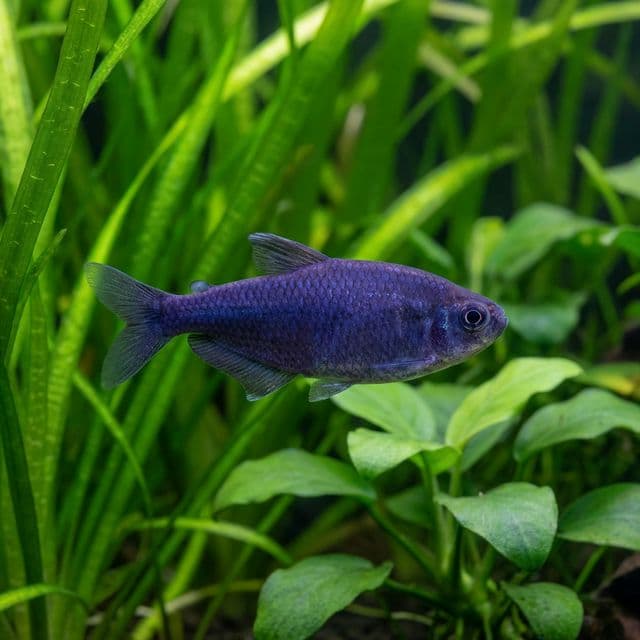
Often called the Purple Emperor Tetra. A stunning community fish that glows royal blue and purple.
Blue Emperor Tetra
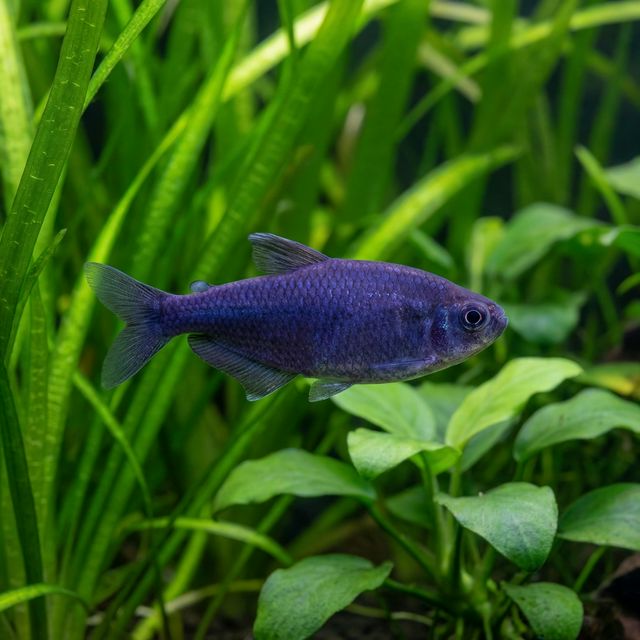
The Blue Emperor Tetra, scientifically known as Inpaichthys kerri, is a captivating freshwater fish renowned for its striking coloration and serene demeanor. With a vibrant blue body adorned with subtle hints of yellow and a stunning iridescent sheen, this small tetra stands out as a gem in the aquarium hobby. Typically reaching sizes of around 2.5 inches, the Blue Emperor Tetra's brilliant hues and delicate features make it a favorite among both novice and experienced aquarists alike. Its unique appearance and peaceful nature also lend themselves well to community tanks, providing beauty and a sense of tranquility.
In addition to its visual appeal, the Blue Emperor Tetra's significance in the aquarium trade has grown over the years. Originating from the waters of South America, these fish are often showcased for their adaptability and hardiness, making them suitable for a variety of aquarium setups. With a friendly disposition, they contribute positively to the social dynamics of a tank, often schooling with other species. Their relatively low-maintenance nature, coupled with their vibrant aesthetic, makes them an excellent choice for those looking to add a splash of color and life to their aquarium environment.
Natural Habitat & Origin
The Blue Emperor Tetra hails from the clear waters of the Upper Rio Xingu and Rio das Mortes in Brazil. This region is characterized by its blackwater and clearwater systems, which are essential to the fish's well-being. The natural habitats consist of slow-moving streams and shallow rivers, often heavily infused with leaf litter and submerged vegetation. Such environments provide not only shelter but also a rich source of micro-organisms and detritus that contribute to the fish's diet in the wild.
In their natural habitat, the Blue Emperor Tetra thrives in slightly acidic to neutral water conditions, with temperatures ranging from 73°F to 82°F (23°C to 28°C). The surrounding flora, which includes aquatic plants and overhanging branches, mirrors the ideal conditions for keeping these fish in captivity. Mimicking their natural environment in the aquarium not only enhances their coloration but also promotes healthier, more active fish.
Care Requirements
When setting up a tank for Blue Emperor Tetras, it's imperative to consider specific water parameters to ensure their health and happiness. The ideal pH ranges from 6.0 to 7.5, favoring a slightly acidic to neutral environment. The tank temperature should be maintained between 74°F and 80°F (23°C to 27°C), with a hardness level of 2 to 12 dGH. These parameters mimic their natural habitat and promote optimal health.
For tank setup, a minimum tank size of 10 gallons is recommended, allowing these fish ample space to swim and school; larger tanks are preferred for more extensive groups. Soft, sandy substrate is ideal to replicate their natural habitat, and the addition of live plants, driftwood, and other decorations not only offers hiding spots but also helps create a sense of security. Moderate lighting paired with shaded areas will help to simulate their natural environment, promoting comfort and reducing stress.
Diet & Feeding
The Blue Emperor Tetra is classified as an omnivore, thriving on a well-rounded diet that includes both plant-based and protein-rich foods. In captivity, they can be easily fed high-quality flake foods or micro pellets designed for small tropical fish. Additionally, supplementing their diet with frozen or live foods such as daphnia, brine shrimp, or bloodworms can stimulate their natural hunting instincts and improve coloration.
It’s important to feed these tetras small amounts 2-3 times a day, ensuring that they consume all the food within a few minutes to maintain water quality. A balanced diet will not only promote vibrant colors but also contribute to overall health and longevity in the aquarium.
Behavior & Temperament
The Blue Emperor Tetra is known for its peaceful demeanor and social behavior, making it an excellent choice for community tanks. These fish exhibit clear schooling habits, often found swimming in groups of six or more. They feel more secure and display their best colors when kept in larger schools, creating a dynamic and visually appealing aquarium environment.
In terms of vertical placement, the Blue Emperor Tetra typically occupies the middle layers of the tank, swimming gracefully among plants and open spaces. They generally exhibit minimal aggression, although it’s crucial to provide enough space in the tank to prevent any squabbles, especially during feeding times or when establishing territory.
Tank Mates
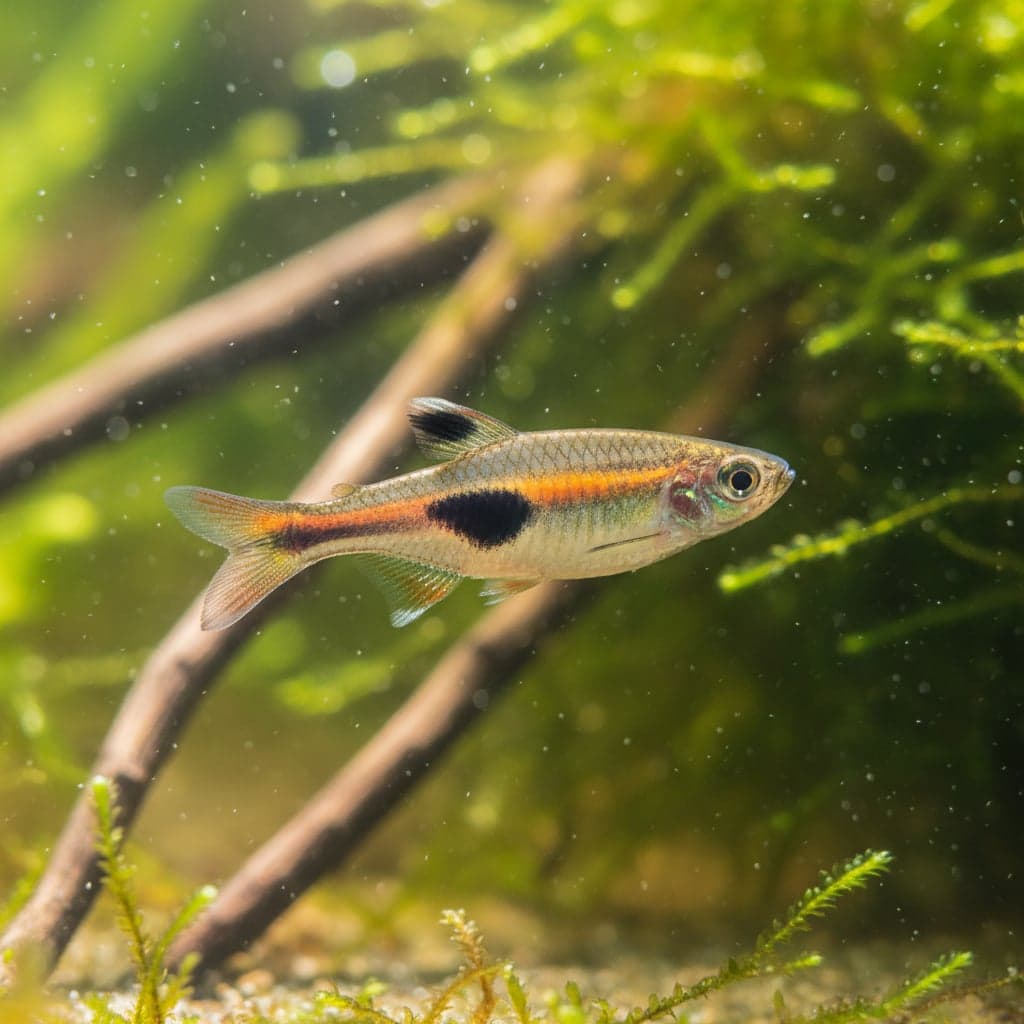
When choosing tank mates for Blue Emperor Tetras, it is essential to select species that share similar water conditions and temperaments. Compatible species include other small tetras, rasboras, dwarf cichlids, and peaceful community fish such as guppies and endlers. Providing a diverse community of fish enhances the dynamics of the aquarium and allows the Blue Emperor Tetras to thrive.
Species to avoid include larger, more aggressive fish such as cichlids, barbs, and some livebearers that may see the tetras as prey. Ensuring that all tank inhabitants are peaceful will contribute to a harmonious environment, essential for the overall well-being of the Blue Emperor Tetra.
Breeding
Breeding Blue Emperor Tetras in captivity can be a rewarding experience, although it may require specific conditions to be successful. Spawning usually occurs in soft, acidic water with a pH of around 6.0 to 6.5 and temperatures between 75°F and 80°F (24°C to 27°C). Providing a separate breeding tank with gentle filtration, fine-leaved plants, or spawning mops will encourage breeding behavior.
During spawning, the female will lay eggs on vegetation, while the male fertilizes them. After spawning, it is crucial to remove the adult fish, as they may eat the eggs. The eggs typically hatch within 24 to 36 hours, and once the fry become free-swimming, they can be fed infusoria or finely crushed flakes to promote healthy growth.
Common Health Issues
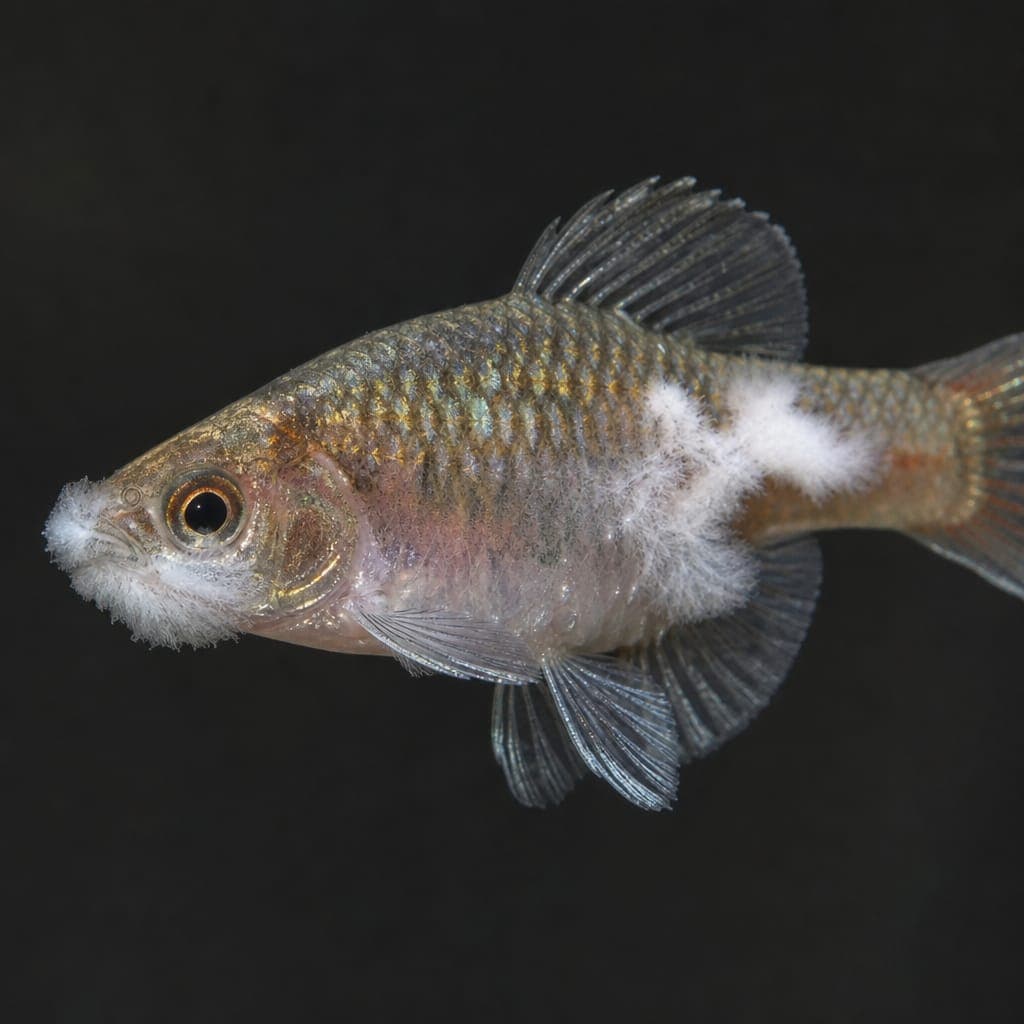
The Blue Emperor Tetra is generally hardy; however, they can be prone to a few common diseases if conditions are not optimal. These include ich (Ichthyophthirius multifiliis), fin rot, and fungal infections. Maintaining a clean environment, performing regular water changes, and providing a well-balanced diet are key to preventing these health issues.
Quarantine new fish before introducing them into an established aquarium to reduce the risk of introducing diseases. Additionally, closely monitoring water parameters and quickly addressing any fluctuations can help maintain the health and vibrancy of Blue Emperor Tetras. Regular observation for any signs of distress or disease can aid in early detection and treatment, ensuring a healthy, thriving aquatic community.