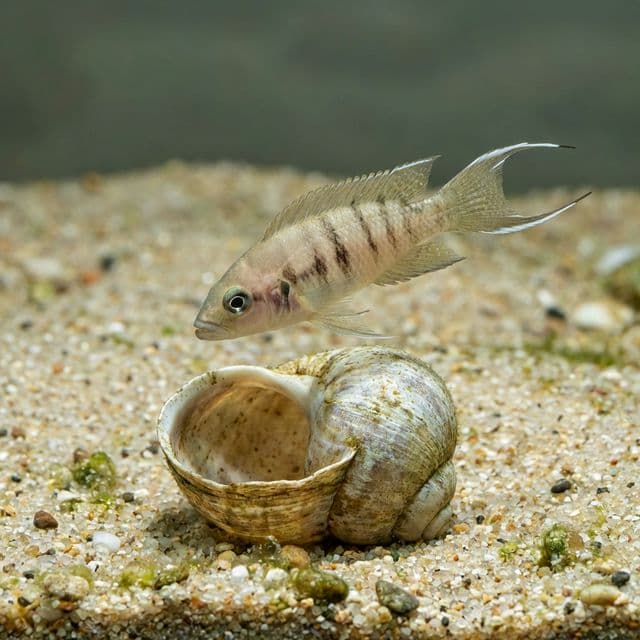
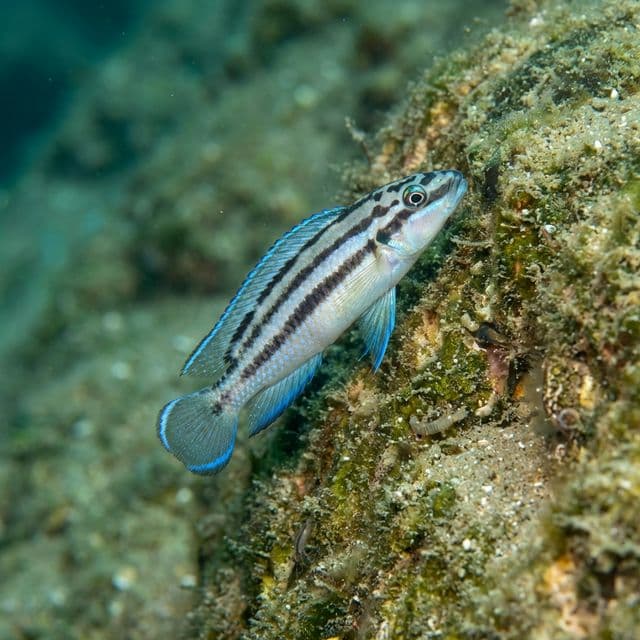
Blue-spotted Goby Cichlid: Spathodus erythrodon
A specialized Goby Cichlid from Lake Tanganyika. Hops among rocks and is full of character.
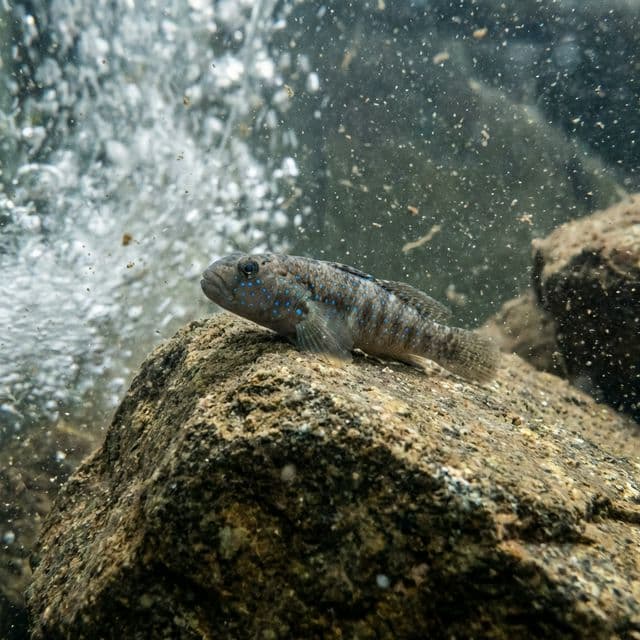
Blue-spotted Goby Cichlid
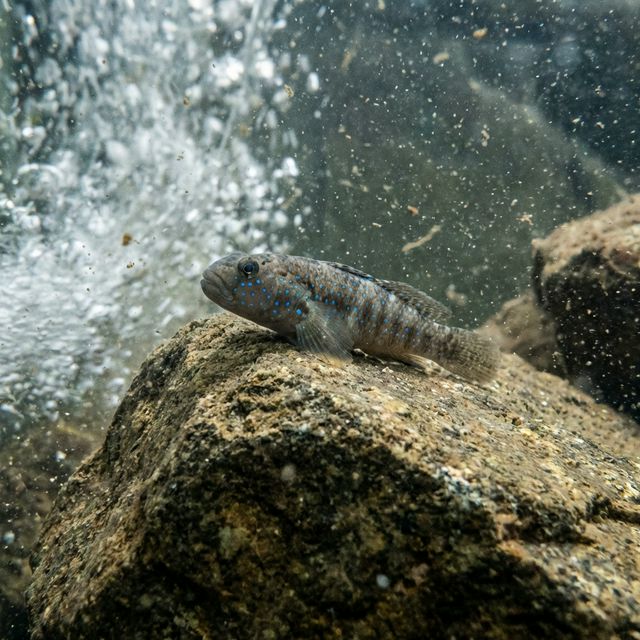
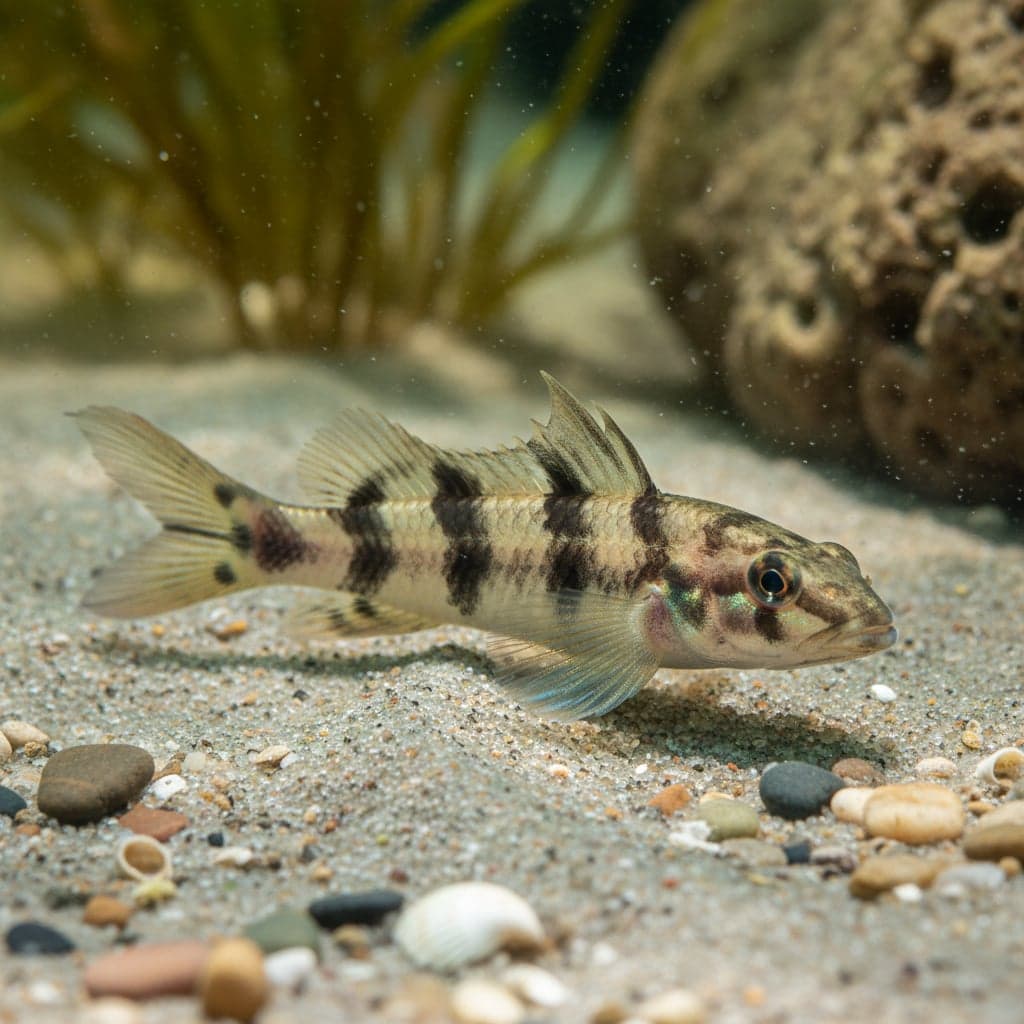
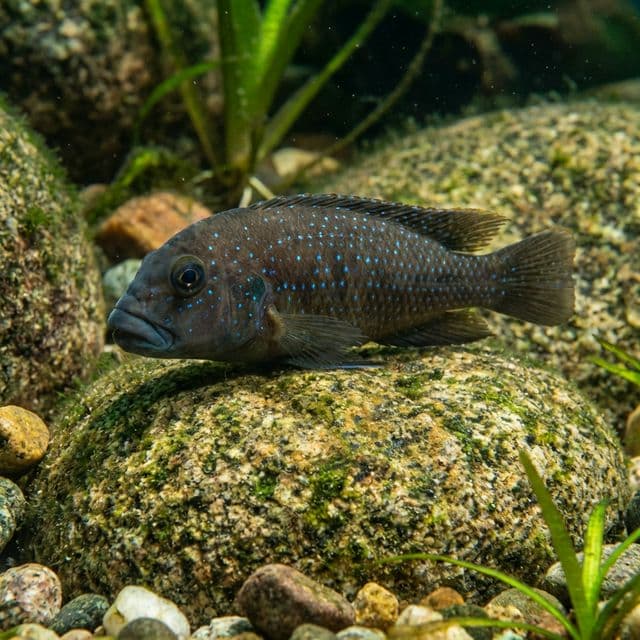
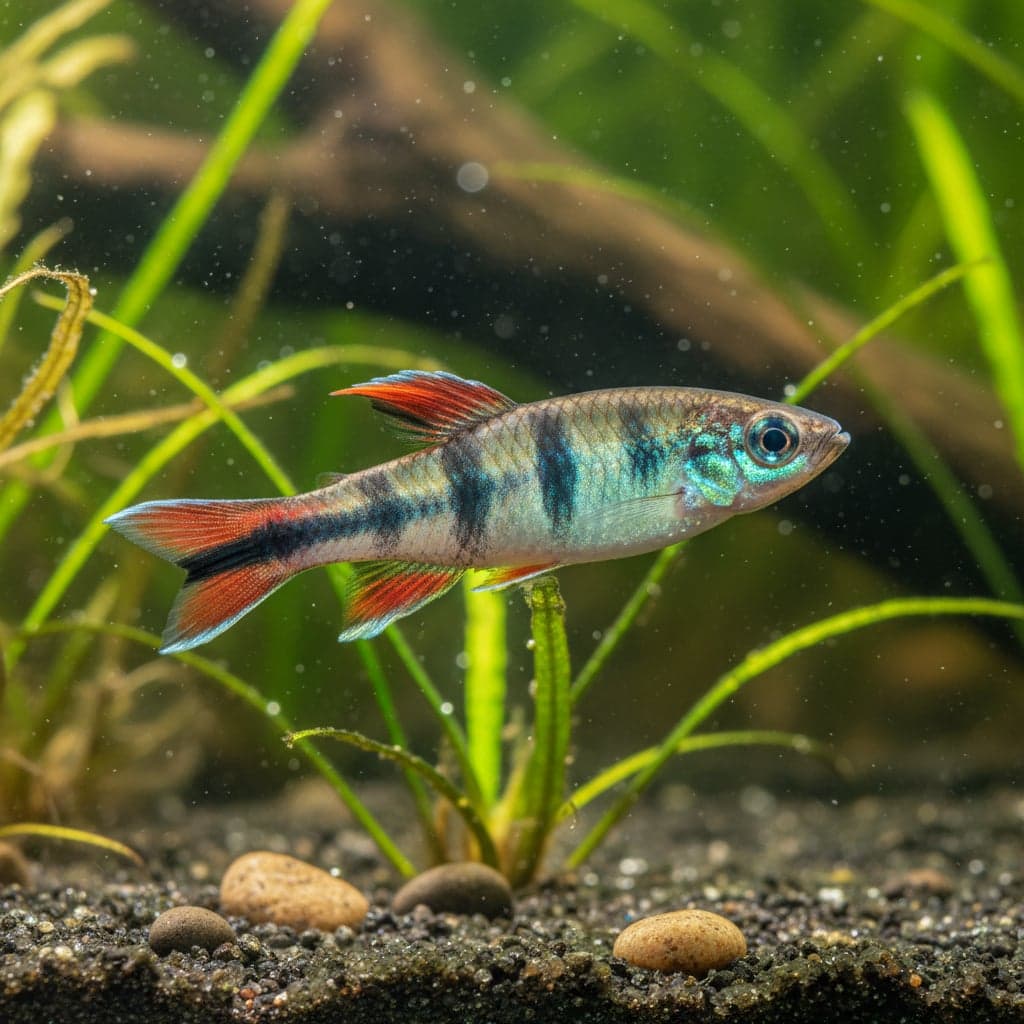
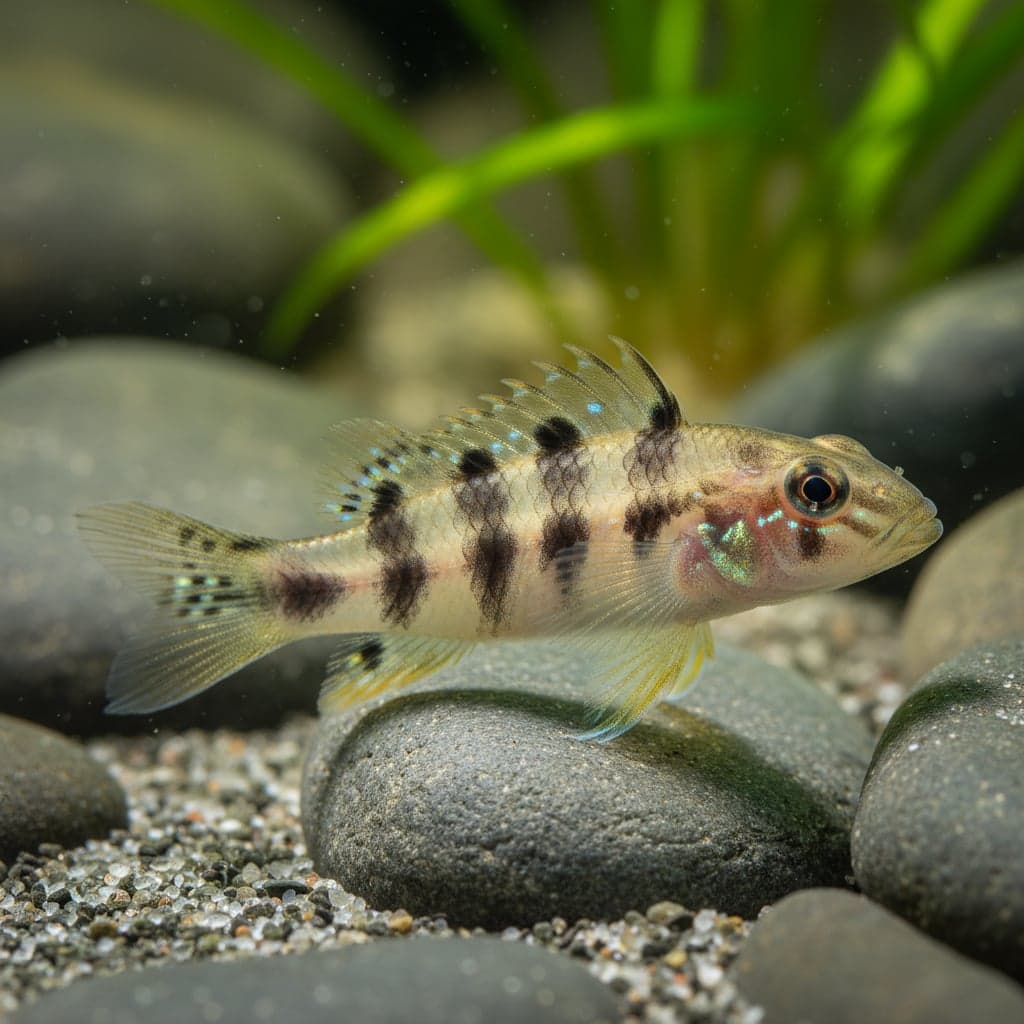
The Blue-spotted Goby Cichlid, scientifically known as Spathodus erythrodon, is a captivating freshwater fish that has captured the interest of aquarium enthusiasts worldwide. Known for its striking coloration, the Blue-spotted Goby Cichlid showcases a vibrant blue hue across its body, accentuated by distinct spots that grant it an almost ethereal appearance. This visually enchanting fish is an active swimmer and possesses a unique morphology adapted to its natural habitats, making it not only an aesthetic choice for aquarists but also an intriguing subject for observation. Its significance in the aquarium hobby lies in its relatively hardy nature combined with its fascinating behaviors, which contribute to a dynamic and engaging aquarium environment.
The Blue-spotted Goby Cichlid is particularly valued for its unique attributes that set it apart from other cichlid species. It exhibits a behavior that is typical of cichlids, known for their intelligence and interactive nature. Hobbyists appreciate its ability to adapt to various tank setups and its distinctive personality, ranging from curious exploration of tank decor to playful interactions with tank mates. As a species that thrives in both community tanks and species-specific setups, the Blue-spotted Goby Cichlid remains a popular choice for both beginner and seasoned aquarists alike.
Natural Habitat & Origin
The Blue-spotted Goby Cichlid is native to the freshwater lakes and rivers of Central Africa, specifically the Lake Tanganyika region. This geographical area is characterized by a diverse range of aquatic environments, including clear waters that are rich in mineral content. The natural habitat of the Blue-spotted Goby Cichlid typically consists of rocky substrates and sandy areas, which provide essential hiding spots and breeding sites. The water conditions in its native environment are crucial for its health and well-being, emphasizing the importance of replicating similar conditions in captivity.
In terms of water type, the Blue-spotted Goby Cichlid thrives in slightly alkaline waters, with parameters that mirror its natural habitat. The availability of natural shelters such as stones and vegetation allows this species to establish territories, playing a significant role in its social dynamics. Understanding the environment that shapes the Blue-spotted Goby Cichlid’s behaviors and health can help aquarists create an optimal habitat that promotes both physical health and active behavior within the aquarium.
Care Requirements
To successfully keep the Blue-spotted Goby Cichlid, specific water parameters must be maintained. Ideal conditions for these fish include a pH range of 7.5 to 8.5, a temperature between 24°C and 28°C (75°F to 82°F), and moderate hardness ranging from 5 to 15 dGH. Ensuring these water parameters mimics their natural habitat contributes to their overall health and vitality.
In terms of tank setup, a minimum aquarium size of 75 gallons is recommended to allow ample swimming space and territory establishment. The substrate should consist of fine sand or smooth gravel, which is gentle on their bodies and facilitates burrowing behavior. Incorporating rocky structures and caves made of natural stone or driftwood can create hiding spots, while adequate lighting should be provided to simulate a natural environment. A balance of live plants and open swimming space caters to their need for both cover and room for active swimming.
Diet & Feeding
The Blue-spotted Goby Cichlid is primarily an omnivore, exhibiting a varied diet essential for their growth and vitality. In captivity, it is crucial to provide a well-balanced nutritional regimen that includes high-quality flake foods, moisture-rich pellets, and a variety of frozen or live foods. Recommended options for dietary enrichment include bloodworms, brine shrimp, and daphnia, which contribute essential protein and nutrients.
Offering a mix of both plant-based and protein-rich foods will ensure a well-rounded diet. Vegetables such as blanched spinach or zucchini can also be introduced to enhance their dietary diversity. Feeding should occur regularly but in moderation, ensuring that excess food does not compromise water quality. Regular upkeep of a nutritionally diverse diet will encourage healthy growth and vibrant coloration in the Blue-spotted Goby Cichlid.
Behavior & Temperament
The Blue-spotted Goby Cichlid exhibits a dynamic and engaging behavior pattern that captivates hobbyists. Generally, these fish are active swimmers that prefer to occupy the lower to mid-levels of the aquarium. They display social behavior, often establishing territories but typically remaining non-aggressive towards compatible tank mates. It's not uncommon to see them interacting with one another, especially during feeding time or play.
However, caution should be exercised as spawning can trigger territorial aggression, particularly in males. As they tend to be more elusive when in the presence of larger or more aggressive tank mates, maintaining a balanced and harmonious community tank will encourage their natural inquisitive behavior. Providing adequate space and hiding spots will help reduce stress and allow the Blue-spotted Goby Cichlid to explore its environment freely.
Tank Mates
Selecting suitable tank mates for the Blue-spotted Goby Cichlid is essential for creating a peaceful community aquarium. Ideal companions include small to medium-sized African cichlids, loaches, and various types of tetras that are not overly aggressive. Species such as Neolamprologus and Cyprichromis are often praised for their compatibility, as they share similar environmental and dietary needs.
Conversely, it is crucial to avoid larger and overly aggressive species such as oscars, large catfish, or any fish that are known to be territorial, as these can stress or harm the Blue-spotted Goby Cichlid. Additionally, smaller tank mates that may be seen as food should also be avoided. Creating an environment with the right mix of compatible species will enhance the overall enjoyment of the aquarium and ensure the well-being of the Blue-spotted Goby Cichlid.
Breeding
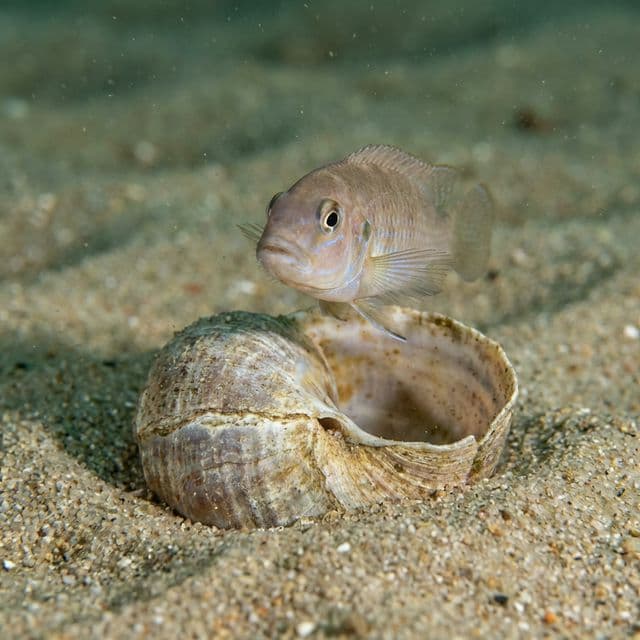
Breeding the Blue-spotted Goby Cichlid in captivity can be a rewarding yet challenging endeavor. This species exhibits interesting spawning behavior, typically laying eggs in sheltered areas such as caves or on flat surfaces. For successful breeding, it is vital to establish a breeding pair, which can often be identified by observing courtship rituals wherein the male will display vibrant colors and perform a courting dance to attract the female.
The ideal breeding conditions include a slight increase in water temperature (ranging from 28°C to 30°C or 82°F to 86°F), a well-conditioned diet to encourage spawning readiness, and the provision of a suitable spawning site. After spawning, both parents can exhibit protective behavior, guarding the eggs from potential threats. Providing ample hiding places in the vicinity will allow the fry to thrive once they hatch, promoting a successful breeding experience.
Common Health Issues
The Blue-spotted Goby Cichlid may be prone to several common health issues that aquarists should be vigilant about. Those include symptoms of Ich (white spot disease), fin rot, and stress-related complications. Maintaining excellent water quality, including regular water changes and parameter monitoring, is critical in preventing these health concerns.
Additionally, proper nutrition and a stress-free environment greatly contribute to the overall health of the fish. Quarantining new arrivals before introducing them to an established tank can minimize the risk of infections spreading. Should health issues arise, early detection and treatment using appropriate medications will prove beneficial in ensuring the longevity and vitality of the Blue-spotted Goby Cichlid over the long term. Keep water parameters stable, provide caves for territory, and avoid overcrowding that fuels aggression and stress. Watch for white spots, frayed fins, or sudden colour loss, and isolate affected fish for treatment while improving filtration and maintenance. A varied diet of quality pellets and frozen foods further supports immunity. With clean water and low stress, Blue-spotted Goby Cichlids remain colorful, engaging Tanganyikan rock dwellers for years.