Blue Tang (Regal Tang): Paracanthurus hepatus
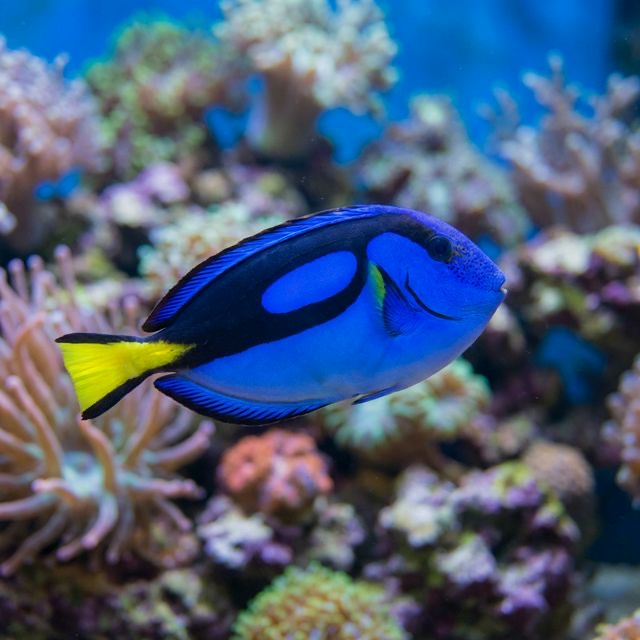
The unforgettable "Dory" from Finding Nemo. A stunning royal blue surgeonfish that requires a very large aquarium and experienced fishkeeping.
Blue Tang
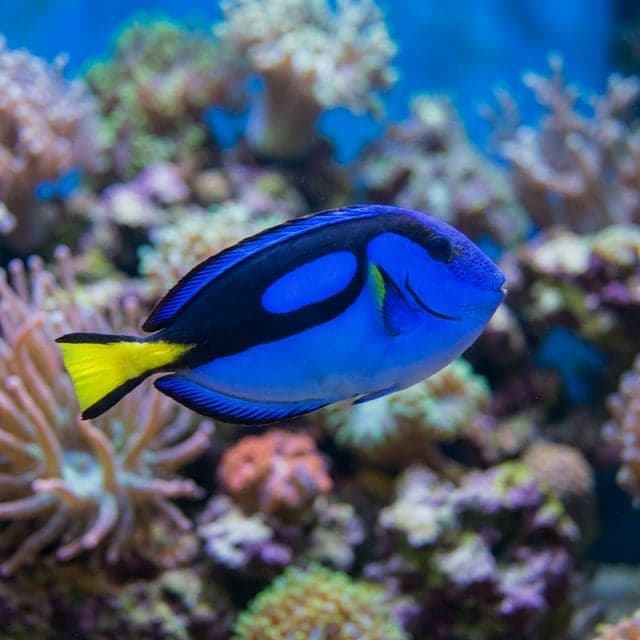
The Blue Tang, scientifically known as Paracanthurus hepatus, is a stunning marine fish renowned for its vibrant coloration, featuring a brilliant blue body and a contrasting yellow tail and dorsal fin. This striking color palette not only makes the Blue Tang a focal point in any aquarium, but also lends it a charismatic presence that captivates aquarists and casual observers alike. With its distinct shape and intricate patterns of yellow highlights, the Blue Tang has garnered a significant following in the aquarium hobby, often considered a must-have species for marine tanks. Its association with popular culture, notably the character “Dory” from the animated film Finding Nemo, has further increased its appeal, making it a household name among fish enthusiasts.
In the aquarium hobby, the Blue Tang symbolizes the allure of underwater beauty and diversity. As a species that thrives in vibrant coral reefs, it represents the health and ecological importance of marine ecosystems. Breeding efforts and conservation programs increasingly focus on the Blue Tang, highlighting the need for responsible sourcing and environmental awareness. Additionally, these fish play an essential role in controlling algae growth on reefs, contributing to the overall health of their natural habitats. As such, keeping Blue Tangs in aquariums goes beyond mere aesthetics; it connects enthusiasts to critical issues surrounding marine conservation and sustainable practices.
Natural Habitat & Origin
The Blue Tang is native to the warm waters of the Indo-Pacific region, generally inhabiting coral reefs from the Red Sea and East Africa to the islands of the Pacific, including Hawaii and the Great Barrier Reef. This fish typically resides in shallow waters, preferably around coral formations where it can find both shelter and ample foraging opportunities. Blue Tangs are often found in depths ranging from 1 to 50 meters, where they can navigate between crevices and open swaths of water to hunt their food. The water conditions in their natural habitat are predominantly clear, with good salinity and moderate water movement, essential for supporting the diverse array of marine life found in these ecosystems.
These fish thrive in environments filled with coral and algae, which play a vital role in their diet and behavior. The reefs not only provide food sources but also act as protective environments, allowing Blue Tangs to exhibit their natural instincts and social behaviors. Maintaining a connection to their natural habitat is crucial in the aquarium setting, as it underlines the importance of replicating their ideal living conditions to ensure their health and well-being.
Care Requirements
For optimal health and growth, Blue Tangs require specific water parameters. The ideal pH range is between 8.0 and 8.4, with a temperature of 74-82°F (23-28°C) and a salinity of 1.020-1.025 S.G. It is important to maintain stable water conditions, as fluctuations can lead to stress and disease. The minimum tank size for a Blue Tang is 75 gallons, as these fish are active swimmers and require ample space to roam. The substrate should be fine sand or small gravel to mimic their natural environment, and the tank should feature live rock and caves to provide hiding spots.
Lighting should simulate natural daylight conditions, with a photoperiod of 10-12 hours, using either LED or fluorescent lights that encourage the growth of beneficial algae. The introduction of live plants in a marine setup can be challenging; however, species like Chaetomorpha or Caulerpa can be included for aesthetic and functional benefits, provided they are monitored for compatibility. Creating a balanced and well-structured environment will help replicate the Blue Tang's natural habitat, promoting overall health and longevity.
Diet & Feeding
As primarily herbivorous fish, Blue Tangs predominantly feed on algae, but they are classified as omnivores, meaning they will also consume small zooplankton in the wild. In captivity, a well-rounded diet is crucial to their health. A varied diet should include high-quality marine flakes, spirulina-based pellets, and frozen or freeze-dried foods enriched with algae. It is advisable to supplement their diet with fresh vegetation, such as blanched spinach or seaweed sheets, which can be attached to a feeding clip in the tank.
Daily feedings—about two to three times per day—are recommended to ensure they receive adequate nutrition. Offering a mix of prepared and natural foods will help prevent nutrient deficiencies and encourage natural grazing behaviors. The use of food designed explicitly for herbivorous marine fish can also help meet their dietary requirements.
Behavior & Temperament
Blue Tangs are known for their active and inquisitive nature, making them fascinating to observe in an aquarium setting. In the wild, they often swim in pairs or small groups, exhibiting social behaviors that can be beneficial in a community tank. However, these fish can exhibit territorial tendencies, especially towards members of the same species. Therefore, it’s advised to house only one Blue Tang per tank unless the aquarium is exceptionally large and the fish are introduced simultaneously.
They are typically found swimming at various levels in the tank, using the entire vertical space for exploration. Providing ample swimming space and enrichment through decorations and hiding spots will help reduce any potential stress or aggression. Observing their interactions with other fish can be entertaining, especially when they engage in playful chasing or exhibit courtship behaviors.
Tank Mates
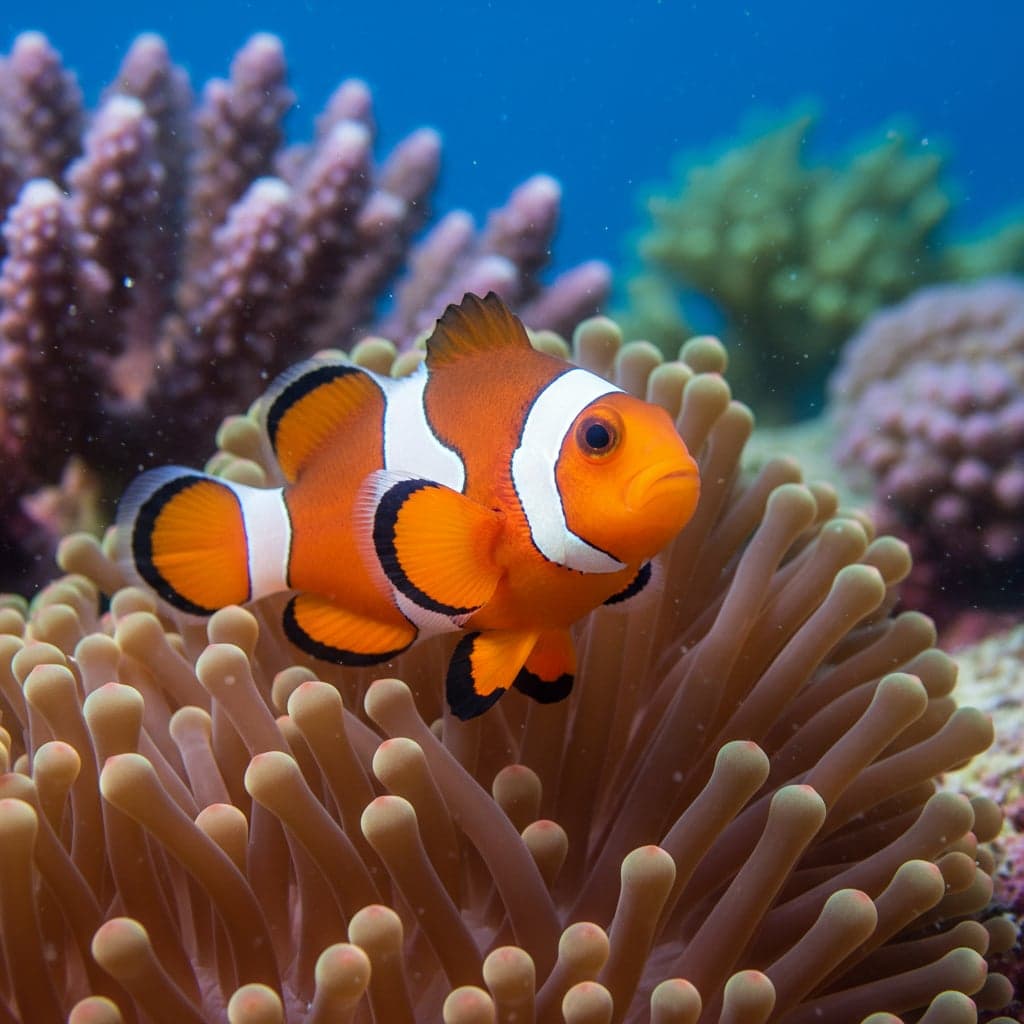
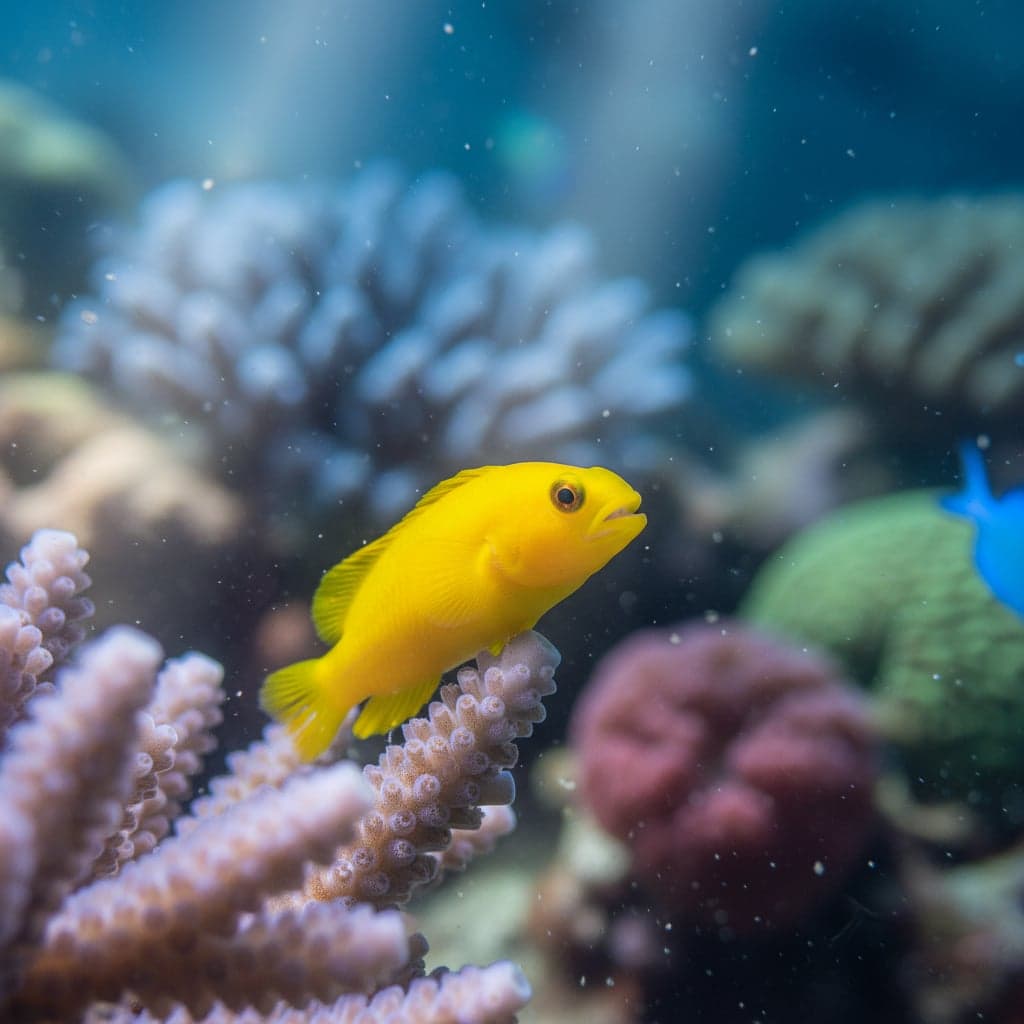
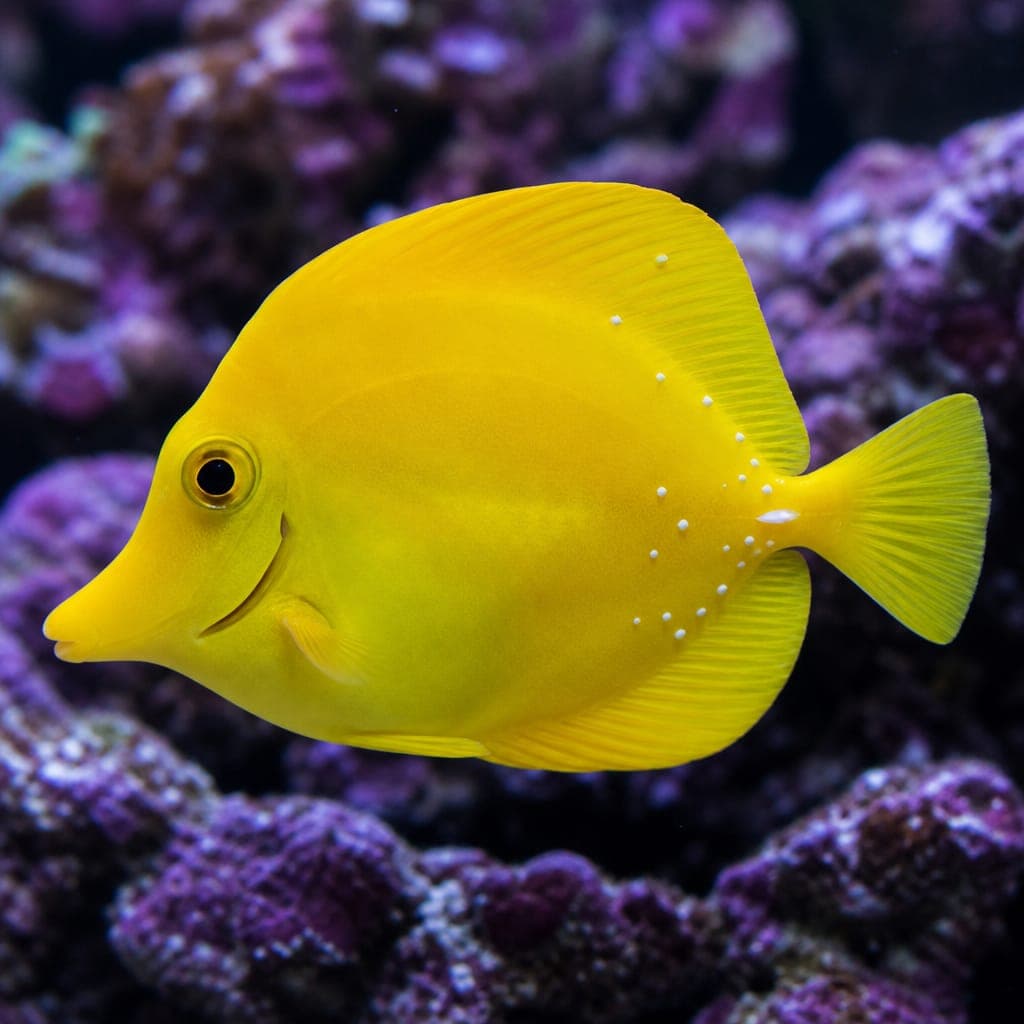
When considering suitable tank mates for Blue Tangs, it is crucial to choose peaceful and robust species that can coexist harmoniously. Recommended compatible species include various Clownfish, Gobies, and peaceful Wrasses. Additionally, larger tangs or surgeonfish, such as the Yellow Tang or Kole Tang, can make suitable companions, provided there is ample space and territories are well-defined.
On the other hand, it is best to avoid housing Blue Tangs with potentially aggressive species like Damselfish, Cichlids, or Triggerfish, which may pose a threat or compete for resources. Additionally, keeping multiple Blue Tangs in a smaller tank increases the risk of territorial disputes, so careful planning is essential to ensure a peaceful community.
Breeding
Breeding Blue Tangs in captivity presents challenges, as they are known as open spawners in their natural habitats. This means they spawn in pairs, releasing their eggs and sperm into the water column where fertilization takes place, typically during specific lunar cycles. To encourage breeding in an aquarium setting, it is vital to create a stress-free environment with stable water parameters, appropriate tank size (at least 200 gallons), and adequate vegetation present.
Providing plenty of hiding spots and flat surfaces, such as algae-encrusted rocks, can encourage spawning behaviors. While successful breeding has been recorded in captivity, the larval stage can be difficult to manage, requiring specialized care and conditions. Ultimately, success hinges on replicating their natural environment as closely as possible.
Common Health Issues
Blue Tangs are susceptible to a few common health issues, including Marine Velvet, Ich (Cryptocaryon irritans), and Lateral Line Disease. Marine Velvet presents as a velvety coating on the skin, often accompanied by lethargy, while Ich is marked by small white cysts on the fish's body and fins. To minimize the risk of these ailments, it is vital to maintain pristine water quality, ensure a varied diet, and quarantine new additions to the aquarium.
Additionally, stress can lead to health issues, so providing adequate hiding spots and minimizing aggression among tank mates is crucial. Regular health checks and prompt quarantine treatment at the first sign of illness will ensure these sensitive fish recover quickly. Providing vitamin-enriched foods and maintaining strong aeration and protein skimming will further bolster their immune system and support long-term vitality.