Blue Whiptail
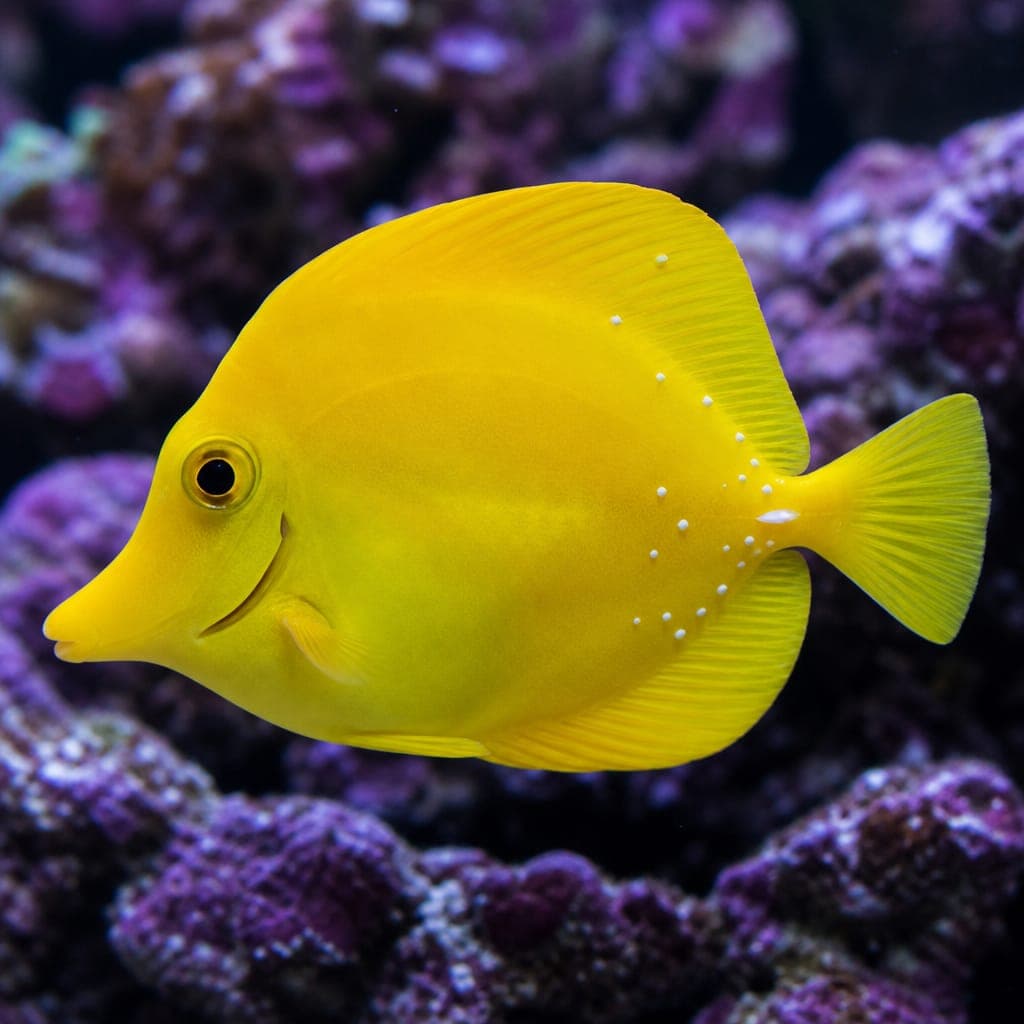
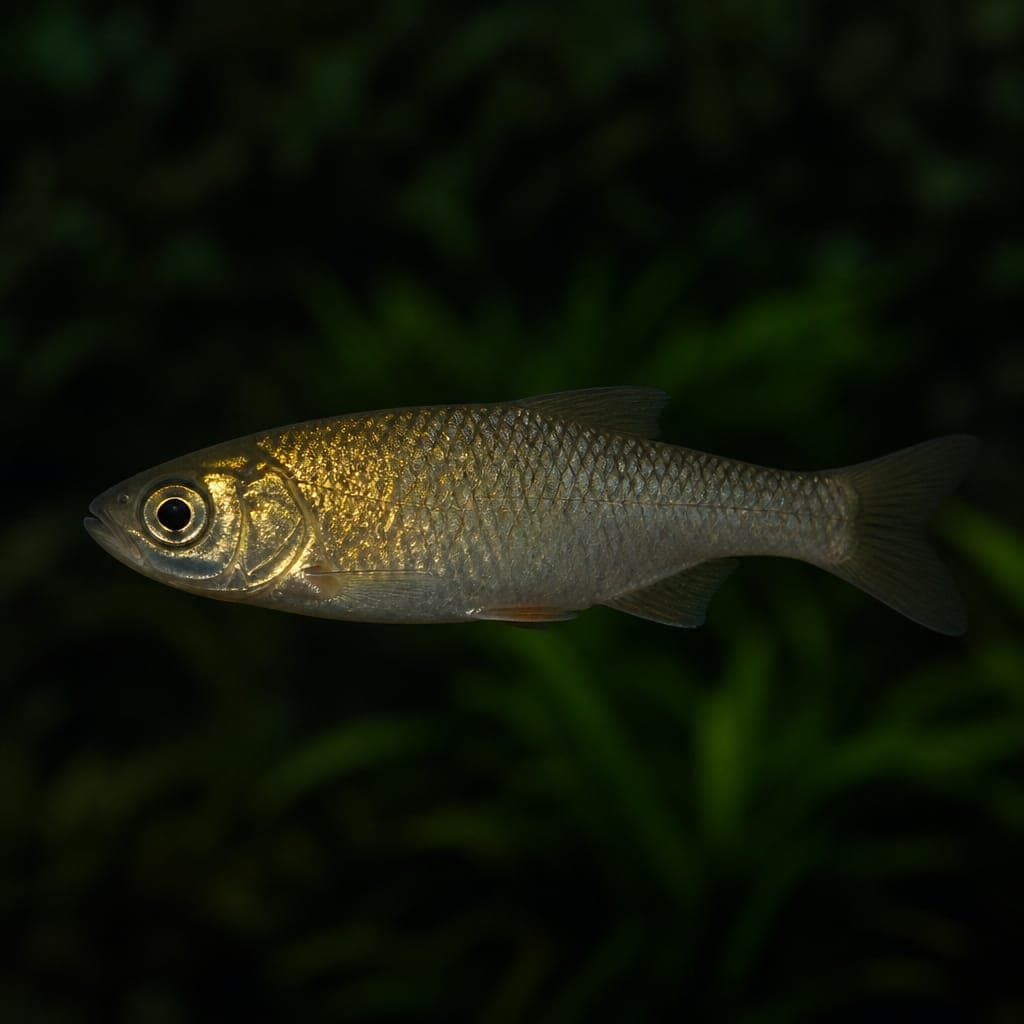
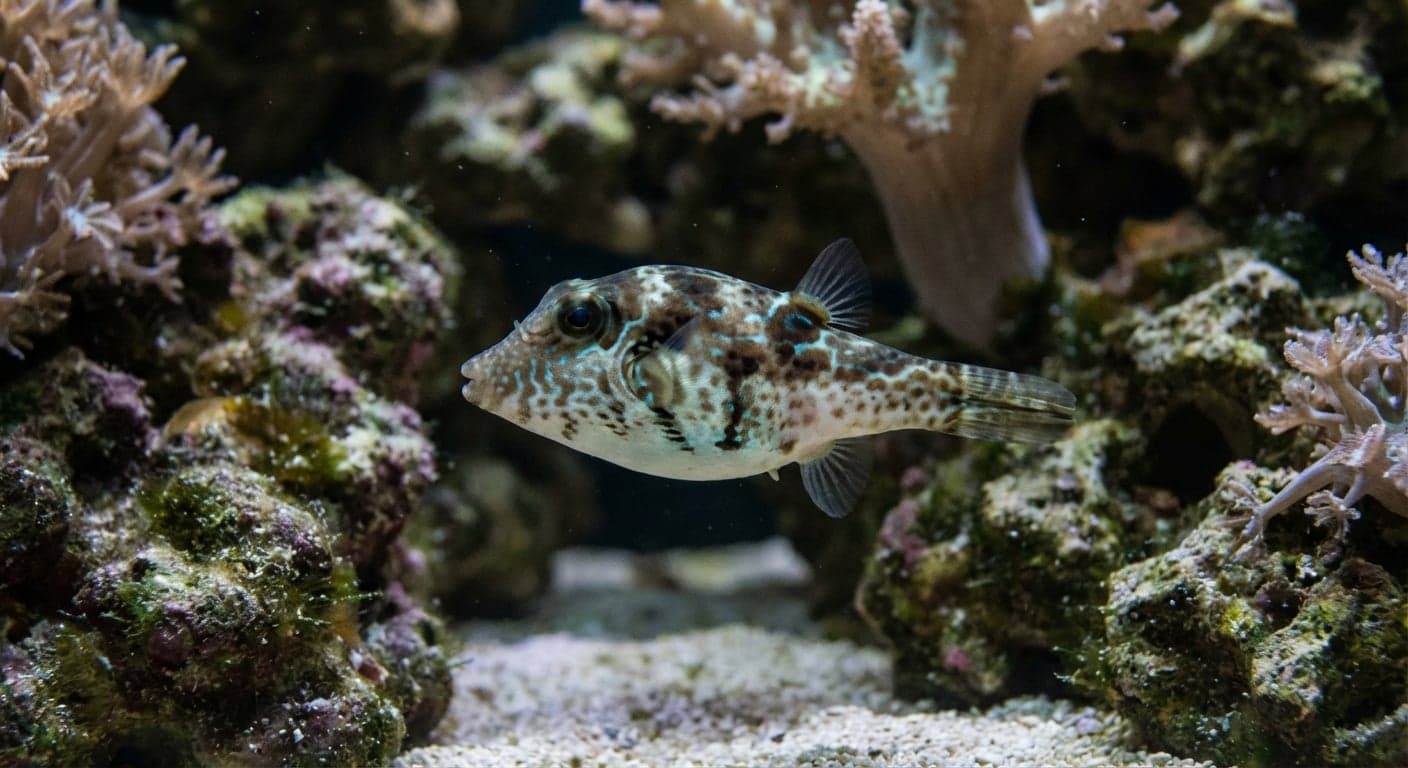
A 30cm whiptail bream, fast and constantly swimming. Needs a very large tank with open water, and it will eat small fish and shrimp.
Blue Whiptail
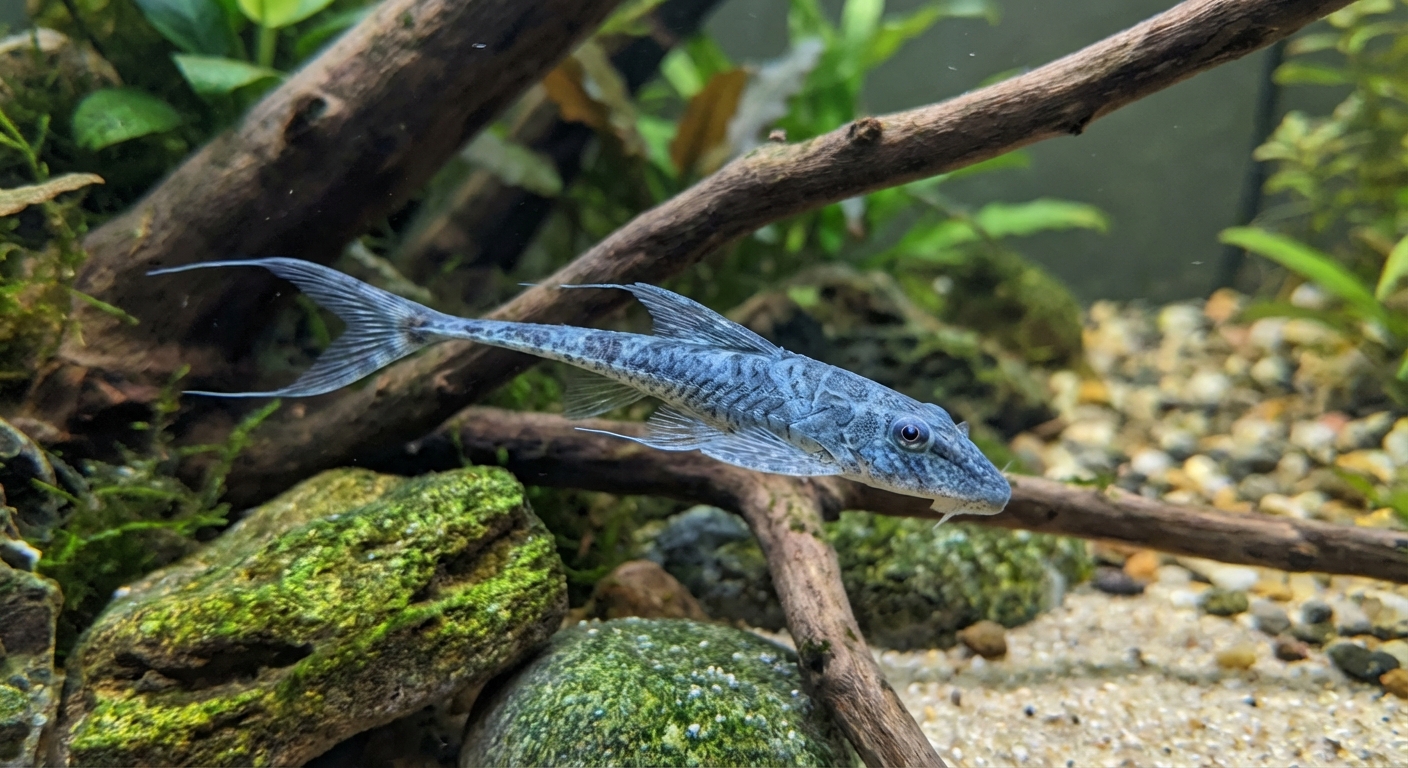
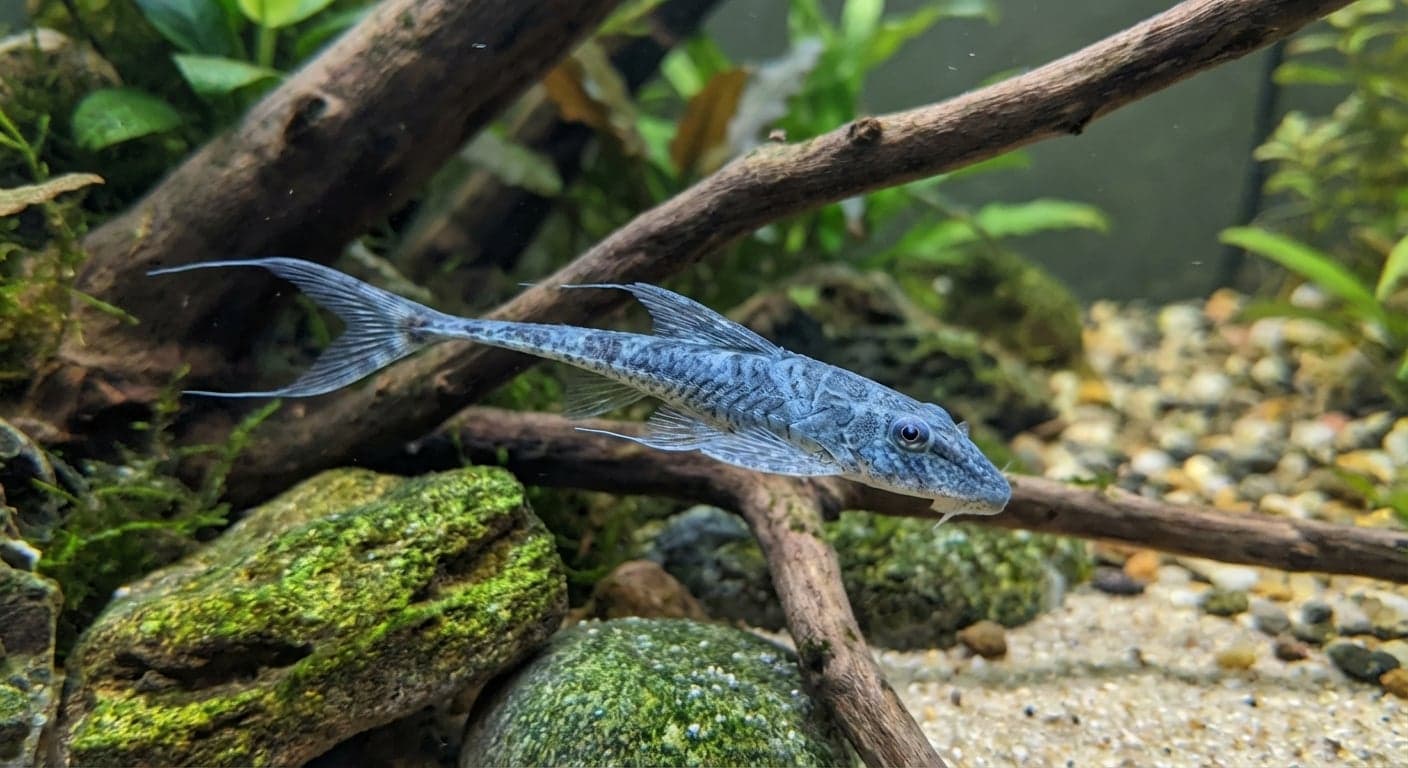
The Blue Whiptail, scientifically known as Stiphodon spp., is an exquisite freshwater fish that captivates aquarium enthusiasts with its stunning coloration and unique body shape. This small, elongated fish displays a vibrant blue hue that stands out against its delicate fins and streamlined body, making it a visual delight in any aquarium setting. Known for its energetic swimming style, the Blue Whiptail often darts around the tank, adding liveliness to the overall display. Its significance in the aquarium hobby goes beyond aesthetics; it serves as a natural algae control agent and adds diversity to community tanks. As a popular choice among aquarists, the Blue Whiptail represents both beauty and functionality, enhancing the aquatic environment.
Beyond its striking appearance, the Blue Whiptail is also lauded for its engaging behaviors. The fish is often seen grazing on algae and biofilm, which not only helps maintain tank cleanliness but also showcases its natural foraging instincts. It's this combination of visual appeal and beneficial traits that makes the Blue Whiptail a cherished addition to both beginner and experienced aquarists alike. As an inhabitant of fast-flowing waters in its natural environment, this fish thrives in well-oxygenated and well-cared-for aquarium setups, where its fascinating behaviors can be observed and enjoyed.
Natural Habitat & Origin
The Blue Whiptail hails from the brackish and freshwater rivers and streams of Southeast Asia, particularly found in countries like Indonesia, Papua New Guinea, and parts of Malaysia. These environments are characterized by their clean, clear waters with a strong current, often surrounded by lush vegetation that provides cover and foraging opportunities. The presence of mineral-rich substrates and abundant natural food sources, such as algae and microorganisms, creates an ideal habitat for this species. The Blue Whiptail is often associated with its preference for snags and submerged structures where it can hide from predators while engaging in natural behaviors.
Moreover, the waters in which the Blue Whiptail is found tend to be slightly acidic to neutral, with pH levels ranging from 6.0 to 7.5. Notably, these fish thrive in warm temperatures between 24°C and 28°C (75°F to 82°F), making certain environmental features essential for their well-being. Understanding their natural habitat is crucial for successful breeding and maintenance in captivity, as replicating these conditions will yield healthier and more vibrant fish.
Care Requirements
To ensure optimal health and well-being, the care requirements for the Blue Whiptail must be closely monitored. Ideal water parameters include a pH range of 6.0 to 7.5, with a temperature maintained between 24°C and 28°C (75°F to 82°F). Soft to moderately hard water, with a hardness level between 4 to 12 dGH, is recommended to mimic their natural habitat.
When it comes to tank setup, a minimum aquarium size of 700 litres (185 gallons) is recommended for this 30cm Pentapodus — a constantly swimming open-water fish that needs serious length, not a nano footprint. A substrate of fine sand or smooth gravel is essential, providing a comfortable environment for the Blue Whiptail to exhibit its natural digging behavior. Additionally, aquarists should incorporate plenty of live plants, driftwood, and rocks to create hiding spots and mimic their native habitat. Lighting in the aquarium should be moderate, allowing for plant growth while avoiding intense conditions that may stress the fish.
Diet & Feeding
The Blue Whiptail is primarily an omnivore with a distinct inclination towards grazing on algae and biofilm in the aquarium. To cater to its dietary needs, a varied diet should be provided, consisting of high-quality sinking pellets, flakes, and frozen or live foods. Offer spirulina-based foods to enhance its health and coloration, along with occasional protein sources such as brine shrimp or daphnia. When feeding, it's important to ensure that food sinks to the bottom of the tank, as this fish favors foraging along substrate surfaces rather than actively swimming to the water's surface.
Regular feeding with a diverse diet not only promotes the overall health of the Blue Whiptail but also enhances its natural behavior, encouraging foraging and exploration.
Behavior & Temperament
The Blue Whiptail exhibits a peaceful and social temperament, making it an excellent choice for community tanks. These fish are generally non-aggressive and prefer to be in groups, showcasing interesting social behavior as they graze together on algae and roam around the tank. While they are not schooling fish in the traditional sense, having a small group (4 to 6 individuals) can help reduce stress and allow for more natural interactions.
Behaviorally, the Blue Whiptail tends to remain near the substrate, often viewed climbing rocks or plants while occasionally venturing into mid-water. Due to their peaceful nature, they are compatible with a wide variety of tank mates, making them suitable for a range of community setups.
Tank Mates
When selecting tank mates for the Blue Whiptail, it's important to choose species that share similar water parameter needs and share a peaceful temperament. Compatible species include:
- Tetras (e.g., Neon Tetra, Rummy Nose Tetra)
- Small Rasboras (e.g., Harlequin Rasbora)
- Corydoras Catfish
- Otocinclus
- Small Gouramis (e.g., Sparkling Gourami)
- Endler's Livebearers
However, certain species should be avoided to minimize stress and aggression, including:
- Large cichlids
- Aggressive barbs, like Tiger Barbs
- Fish known for fin-nipping
- Larger predatory species
A carefully chosen community ensures that the Blue Whiptail can thrive and showcase its best behaviors while minimizing stress and potential conflicts.
Breeding
Breeding Blue Whiptails in captivity can be a rewarding experience for aquarists, though it may require specific conditions to trigger spawning behavior. These fish are known to spawn in areas with ample vegetation and substrate for egg attachment. As a typical breeding tactic, males will court females by displaying their vibrant colors and performing elaborate swimming patterns.
To encourage breeding, provide a breeding tank with a slightly lower water level, gentle filtration, and plenty of spaces for hiding. When ready to spawn, females will lay adhesive eggs on flat surfaces or in crevices, which males will then fertilize. After spawning, it is advisable to remove the adult fish to prevent them from eating the eggs. Egg care involves ensuring that water parameters remain stable, with gentle aeration to promote healthy development. With patience and the right setup, successful breeding can lead to a new generation of vibrant Blue Whiptails.
Common Health Issues
The Blue Whiptail is generally a hardy fish, but like all aquarium species, it can be susceptible to certain health issues. Common diseases include:
- Ich (Ichthyophthirius multifiliis): A protozoan parasite that causes white spots on the skin and fins. Prevention includes maintaining proper water quality and temperature.
- Fin Rot: Often caused by poor water conditions or injury; it's essential to keep the tank clean and monitor for any signs of stress or injury.
- Velvet Disease: Characterized by a dusty appearance on the fish's body, this parasite thrives in unclean conditions. Regular water changes and tank maintenance can prevent outbreaks.
Preventative measures, such as maintaining high water quality, providing a varied diet, soft substrate, and driftwood or caves further cuts stress and disease risk. Quarantine newcomers, keep ammonia and nitrite at zero, and change water regularly. Watch for white spots, a dusty velvet film, frayed fins, or sudden lethargy, and treat promptly in a hospital tank. Avoid sharp gravel that damages their delicate bodies. With clean water and attentive care, Blue Whiptails remain hardy bottom explorers for years.