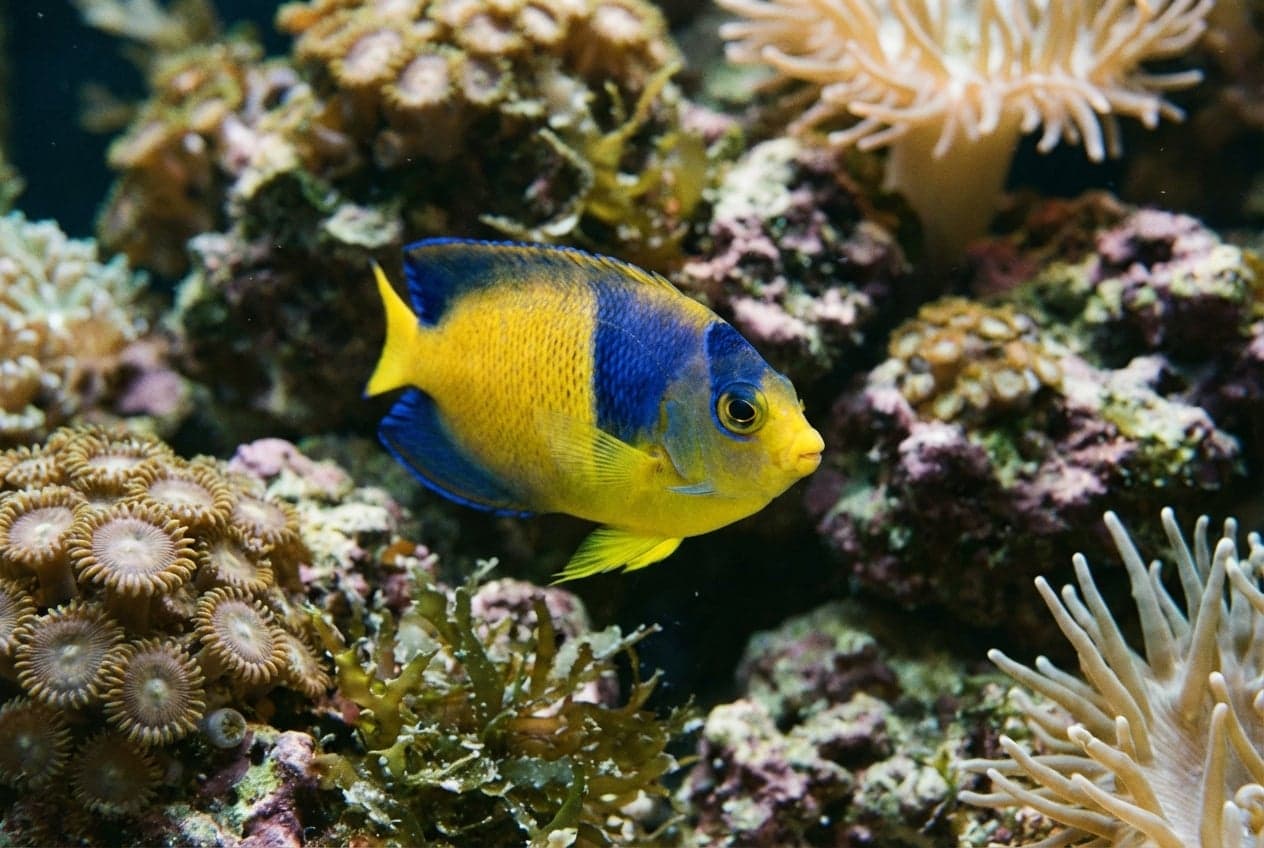
Blueface Angelfish
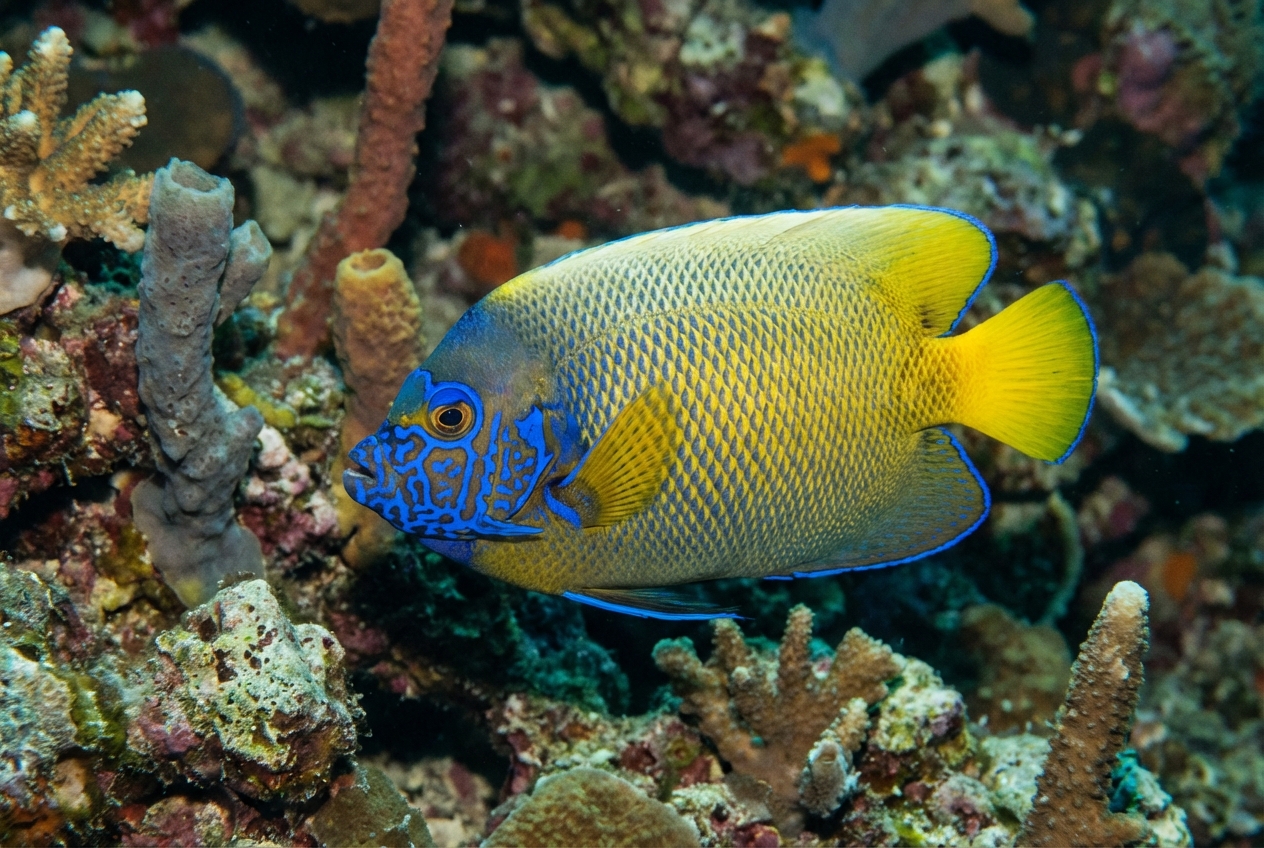
A 38cm angelfish with a blue mask and a huge appetite. Needs 900L+, eats sponge and coral, and is a long-term specialist project.
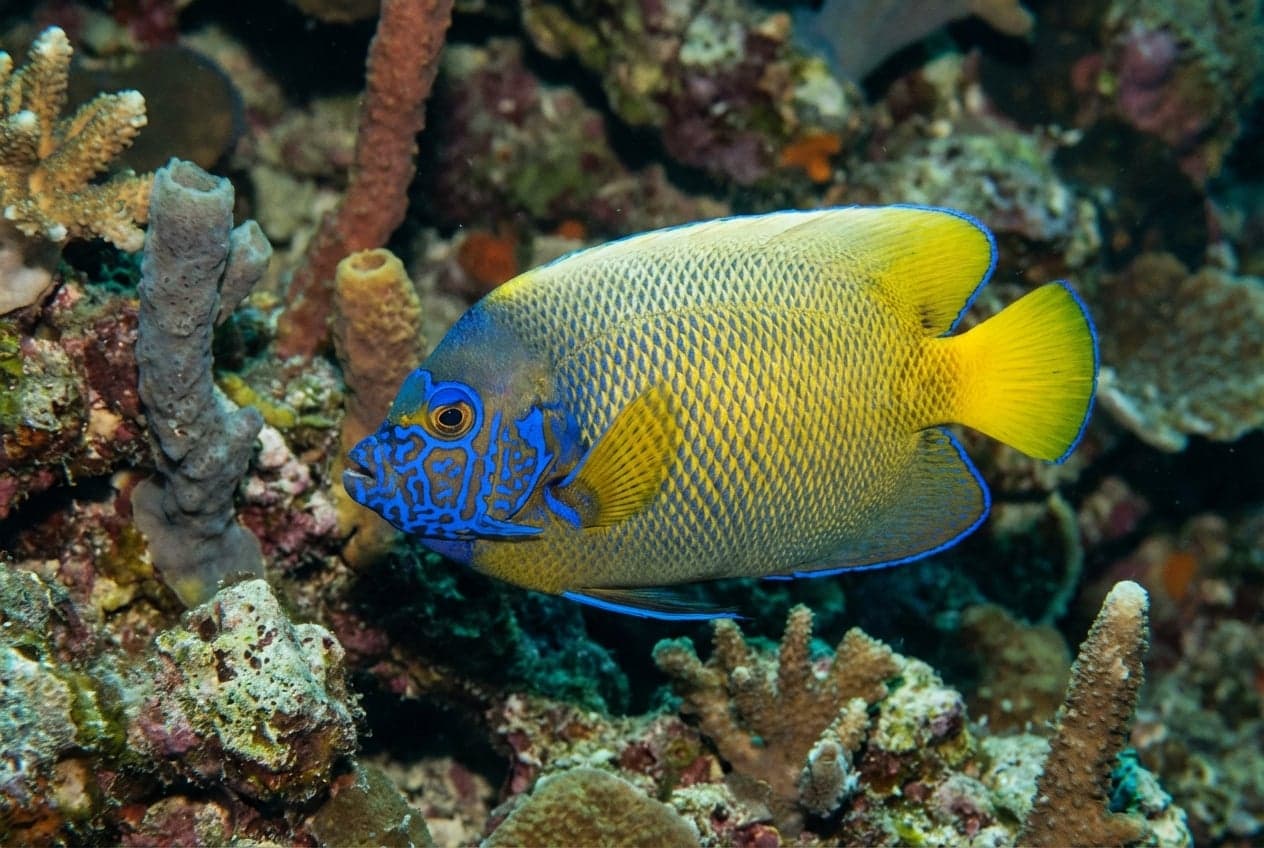
Blueface Angelfish
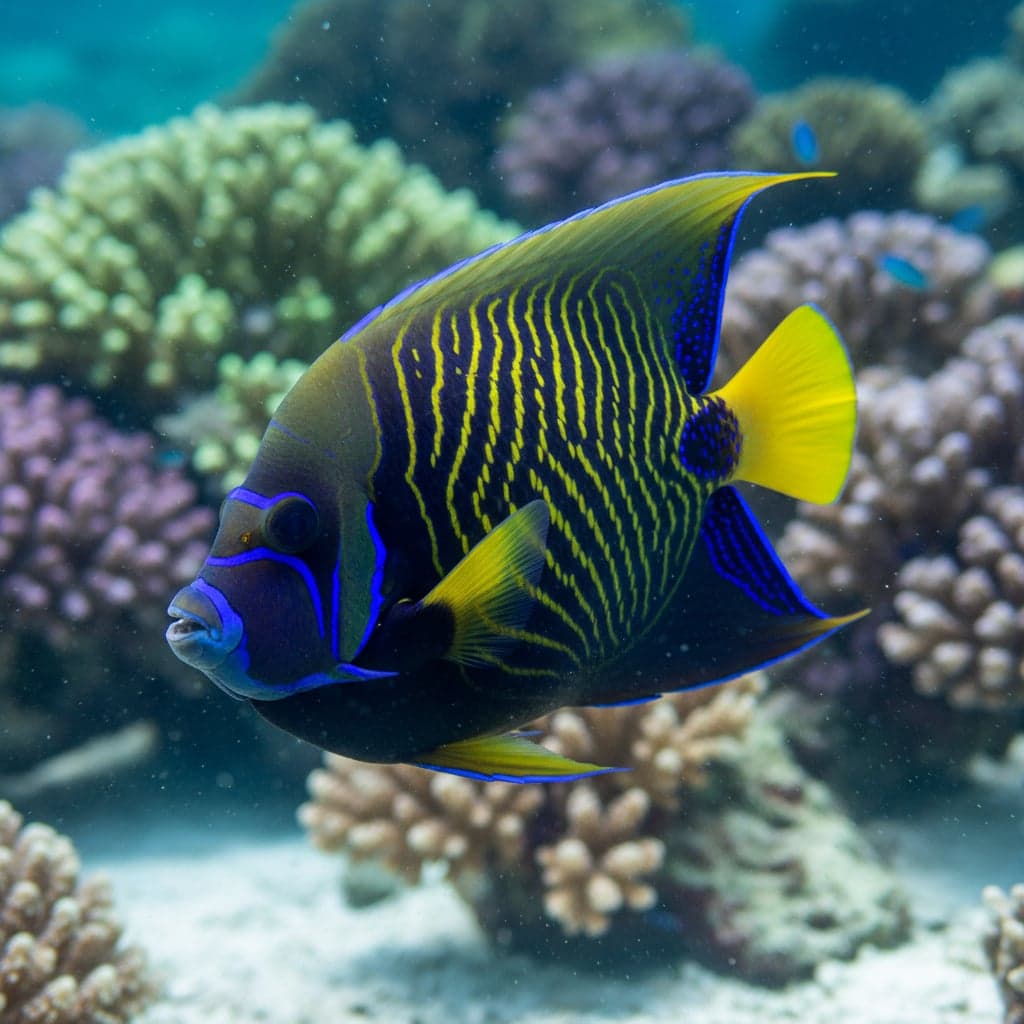
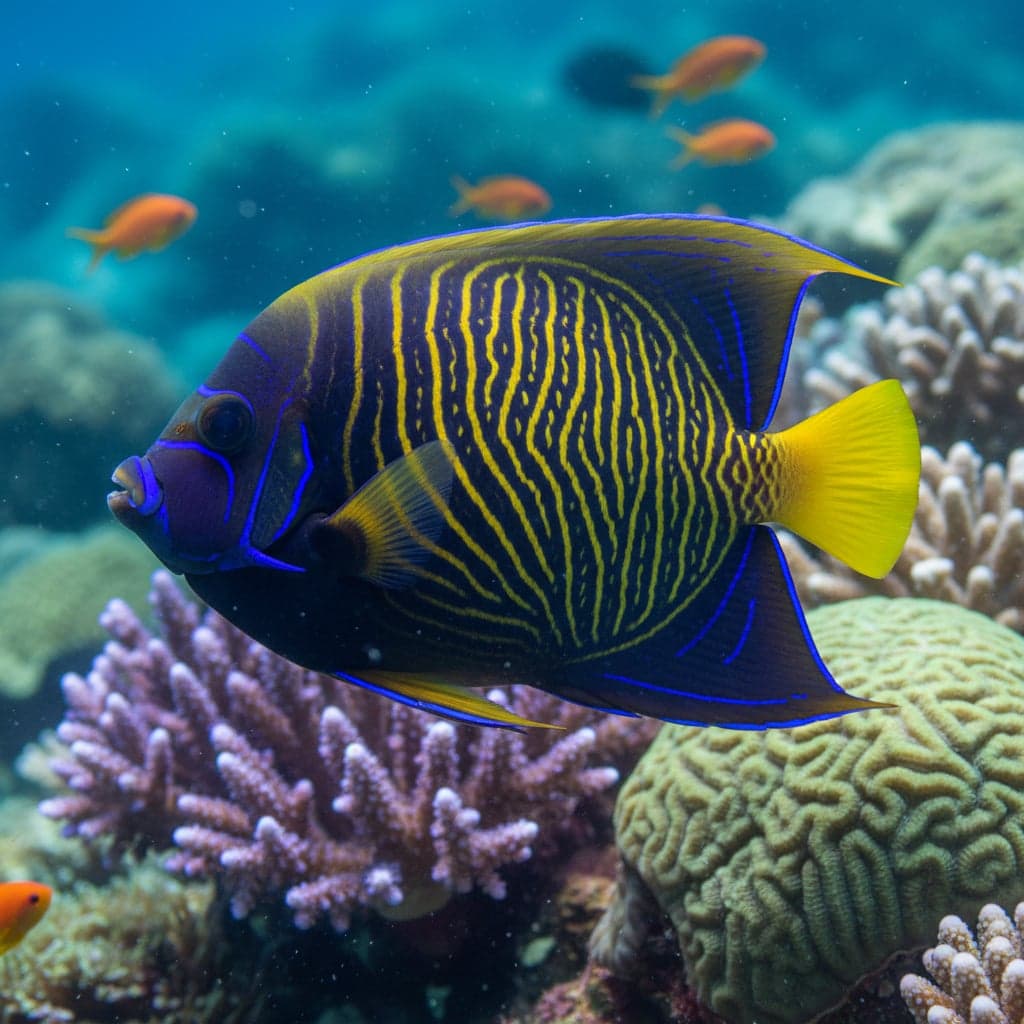
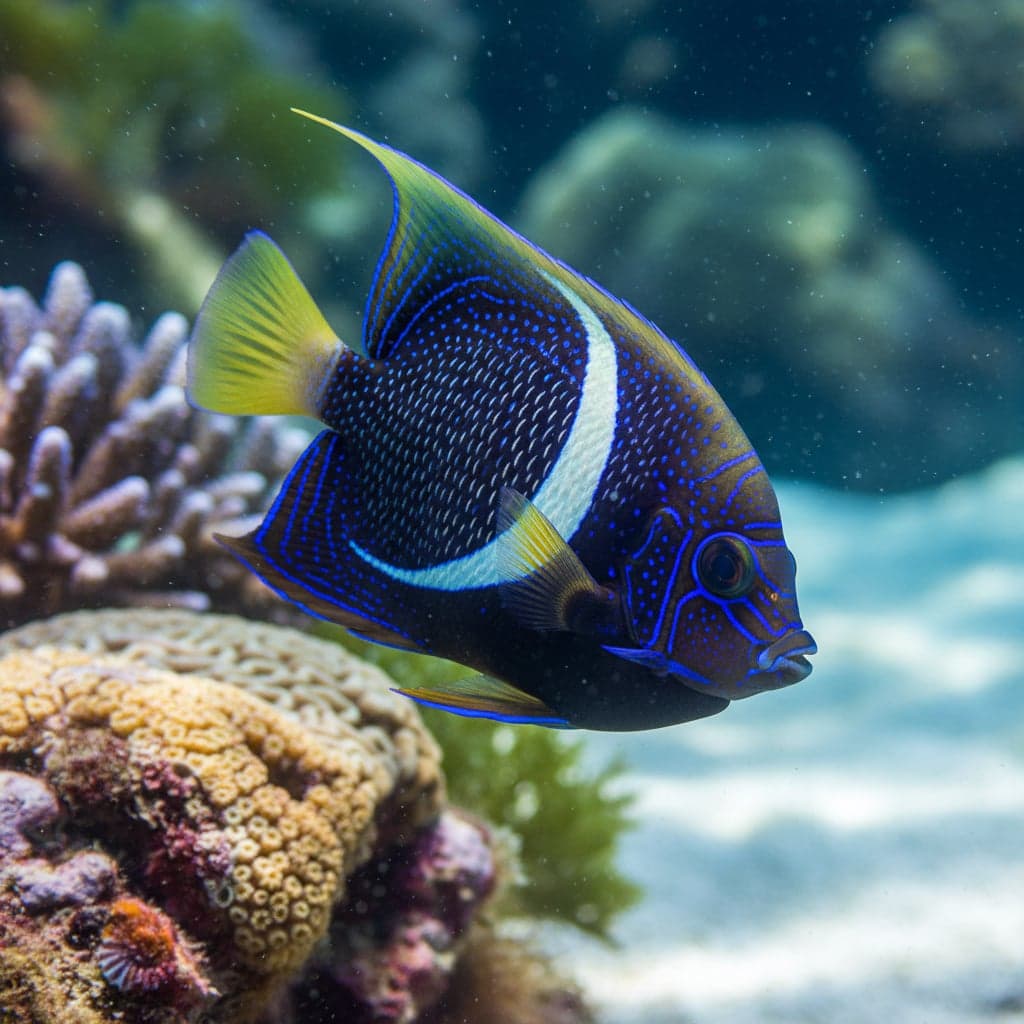
The Blueface Angelfish (Pomacanthus xanthometopon) is a stunning marine species that captivates aquarists with its vibrant blue coloration and striking yellow face, making it one of the most visually appealing angelfish available in the aquarium trade. This species features a distinctive pattern of blue and yellow, where the body is primarily a brilliant blue adorned with bright yellow patches around the face and along the edges of the dorsal and anal fins. Juveniles display a different coloration, featuring black and white stripes that fade into the mature coloration as they grow older. The Blueface Angelfish is not only celebrated for its beauty but also plays a significant role in reef ecosystems, feeding on algae and helping to maintain the health of coral reefs.
Adored by hobbyists and collectors alike, the Blueface Angelfish has become a signature fish in many marine aquarium setups. However, due to its size and care requirements, it is best suited for experienced aquarists who can replicate its natural environment. Its striking appearance and relatively bold behavior contribute to its popularity, making it a prized addition to both display aquariums and specialty fish collections. As more enthusiasts gain interest in this species, understanding its specific needs becomes essential for thriving in captivity.
Natural Habitat & Origin
The Blueface Angelfish is endemic to the warm waters of the Indo-Pacific region, primarily found in locations such as the Great Barrier Reef, the Red Sea, and various islands in the Pacific Ocean. They typically inhabit coral reefs and rocky outcrops, residing at depths ranging from 10 to 40 meters. This species prefers clear, warm water with moderate to high water movement, which helps in the growth of algae, the primary food source for the Blueface Angelfish. The clear waters allow for greater light penetration, essential for the health of coral formations and the algae that flourish within these ecosystems.
In their natural environment, Blueface Angelfish are often seen swimming near the coral structures, which provide both shelter and foraging grounds. They thrive in areas with good water flow that keeps the algae fresh and plentiful. The environmental context of their habitat is crucial, as fluctuations in water quality can lead to stress and potential health issues in these fish.
Care Requirements
To ensure the Blueface Angelfish thrives in captivity, maintaining specific water parameters is crucial. The ideal pH range for these fish is between 8.1 and 8.4, with a temperature maintained between 75°F and 82°F (24°C to 28°C). The water hardness should be kept between 8 to 12 dGH, creating an environment that closely mirrors their natural habitat.
For tank setup, a minimum tank size of 900 litres (240 gallons) is recommended, as Blueface Angelfish reach up to 38cm and need serious swimming and foraging room. A sandy substrate is ideal, simulating the ocean floor. The aquarium should include plenty of live rock and coral structures for hiding spots and foraging, as well as open swimming spaces. Moderate to strong lighting is beneficial to promote the growth of algae, while live plants may not be suitable due to the Blueface Angelfish’s propensity to nibble on them.
Diet & Feeding
The Blueface Angelfish is classified as an omnivore, with a primary diet consisting of algae, benthic invertebrates, and small crustaceans in their natural habitat. To properly feed a Blueface Angelfish in captivity, a varied diet is essential for maintaining their health and vibrancy. High-quality marine flakes and pellets designed for angelfish should be complemented with frozen foods such as brine shrimp, mysis shrimp, and spirulina. Additionally, incorporating live foods can encourage natural behaviors and stimulate the fish's appetite.
Regular feeding should include a combination of algae-based foods and meaty options to ensure that dietary needs are met. Providing a variety of foods will not only enhance the Blueface Angelfish's coloration but also promote optimal growth and overall well-being.
Behavior & Temperament
The Blueface Angelfish is known for its somewhat territorial nature, particularly as it matures. While these fish can exhibit a level of curiosity and inquisitiveness, they may also show aggression toward tank mates, especially during breeding seasons or if they feel their territory is threatened. In general, they are not recommended for community tanks with smaller or more docile species, as their assertive behavior may lead to stress or injury in less aggressive fish.
Socially, the Blueface Angelfish tends to prefer vertical placement in the tank, often inhabiting the upper to mid-level areas where they can swim freely. Although they can inhabit tanks with other fish, providing ample swimming space and hiding spots is essential to mitigate any potential confrontations.
Tank Mates
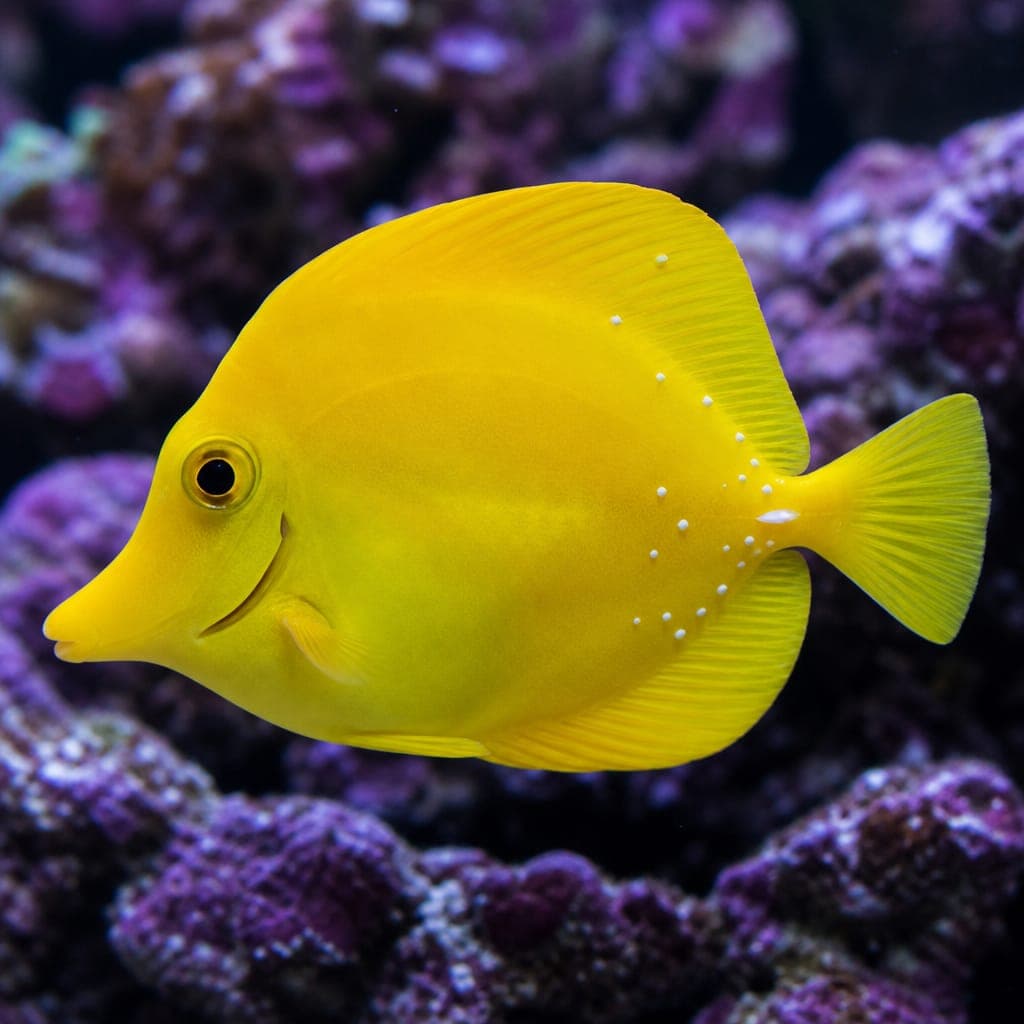
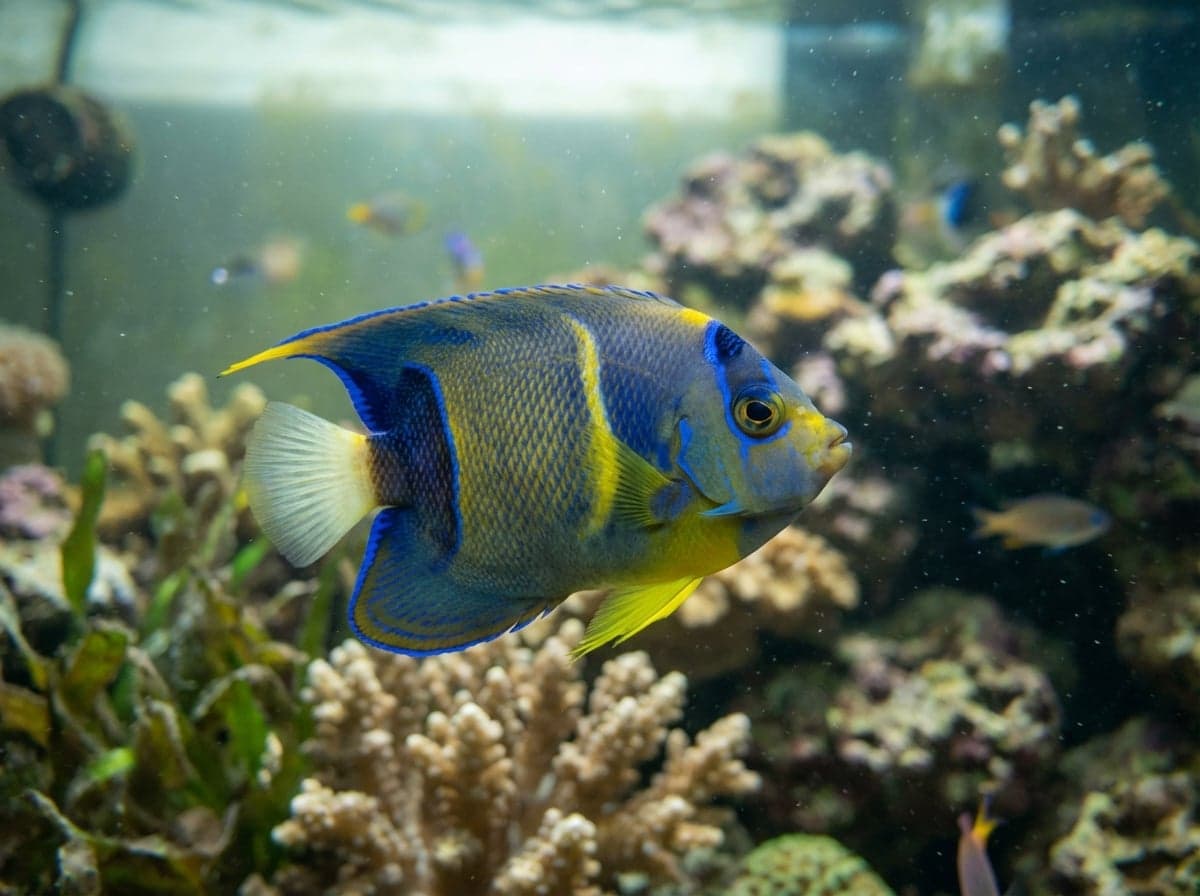
When selecting tank mates for the Blueface Angelfish, it's essential to choose compatible species that can tolerate its semi-aggressive temperament. Ideal companions include larger fish such as tangs, large wrasses, and other robust angelfish like the Emperor Angelfish or the Queen Angelfish. Compatible and non-aggressive species that can coexist with the Blueface Angelfish usually include:
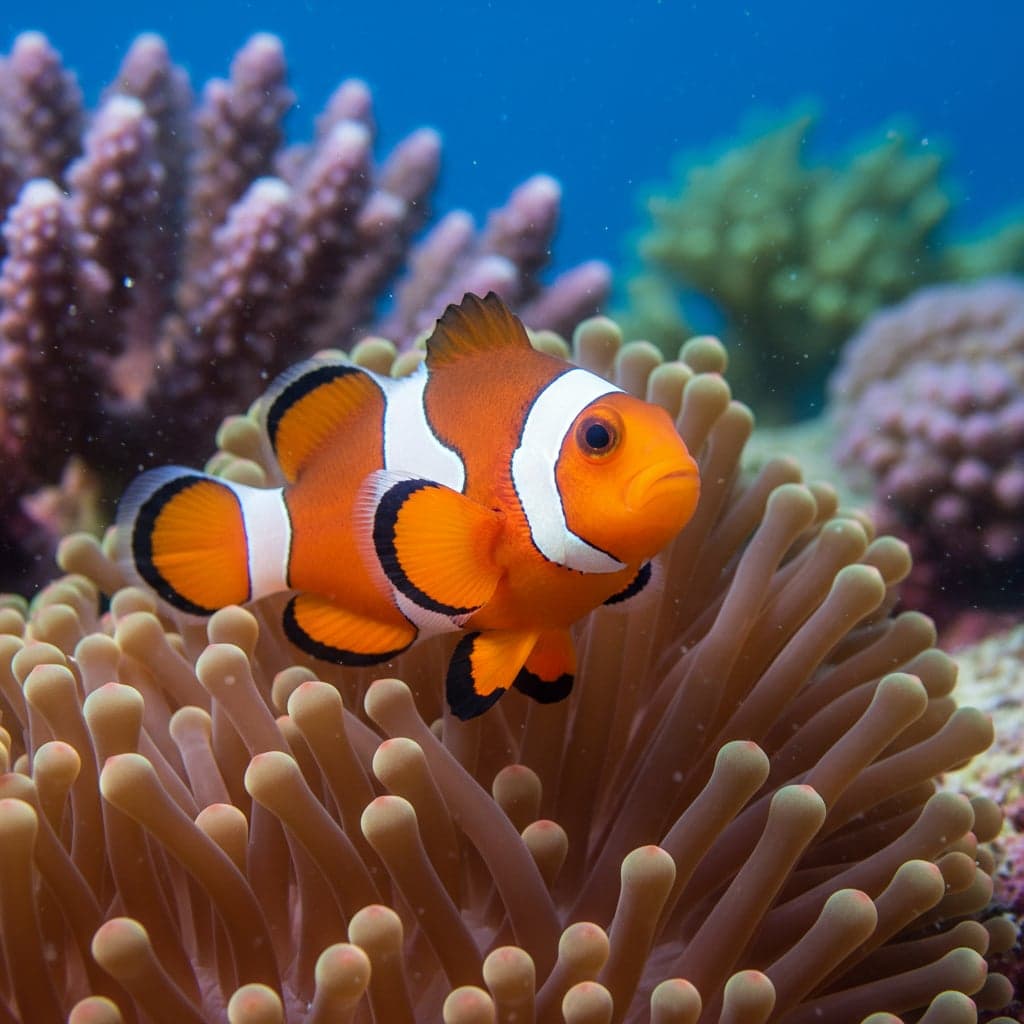
- Clownfish
- Goatfish
- Butterflyfish
- Larger anemonefish
Conversely, it's crucial to avoid smaller or overly peaceful species like gobies or blennies, which may become targets for aggression. Additionally, introducing multiple angelfish into the same tank can lead to conflict, so it's best to keep only one Blueface Angelfish per aquarium unless it is a larger setup that can accommodate a grouping.
Breeding
Breeding Blueface Angelfish in captivity can be challenging due to their particular requirements. They exhibit a form of courtship behavior that includes swimming in circles around each other and displaying their vibrant colors. For successful breeding, a tank with a minimum size of 200 gallons is recommended, providing ample space for the pair to establish their territory. A spawning site should be created using flat surfaces, such as rocks or coral, where the female can lay her eggs.
The optimal conditions for spawning include stable water temperature around 80°F (27°C) and a pH of approximately 8.2. Regular water quality checks are essential, as poor conditions can inhibit spawning behavior and result in unsatisfactory outcomes. Observing the pair during the spawning process can be rewarding, but it’s essential to be prepared for the challenges of raising the larvae, as they are highly susceptible to predation and require specialized feeding techniques.
Common Health Issues
Blueface Angelfish may be prone to certain health issues, particularly if kept in suboptimal conditions. Common diseases include marine ich, fin rot, and various bacterial infections. Prevention is key; ensuring stable water parameters, maintaining good filtration, and minimizing stress through proper tank setup are vital.
Regular monitoring of fish behavior and appearance can help catch potential issues early. Quarantining new fish before introducing them to the main tank can also help prevent outbreaks. Additionally, a well-balanced diet will bolster the Blueface Angelfish's immune system, making it less susceptible to common diseases. Regular tank maintenance, including water changes and substrate cleaning, will further ensure a healthy environment for these stunning fish.