Bluefin Thresher Plec: Isorineloricaria villarsi
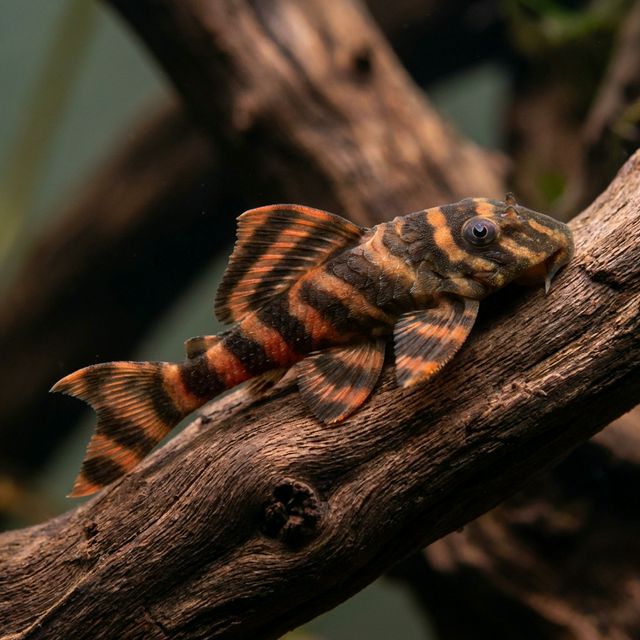
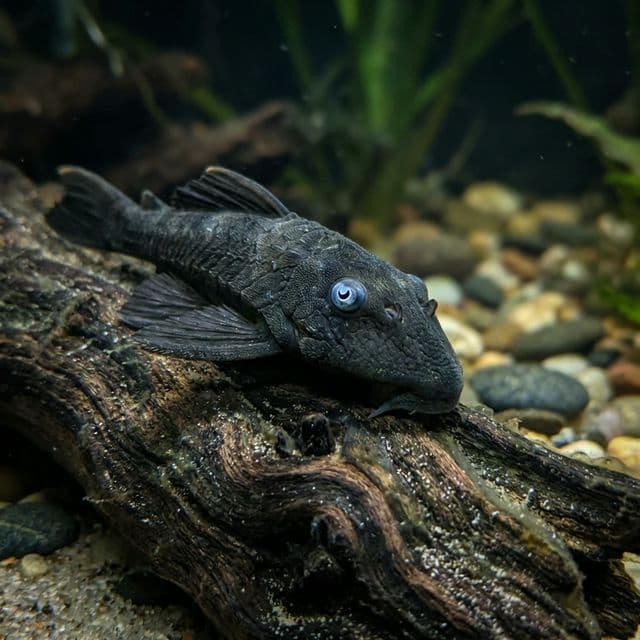
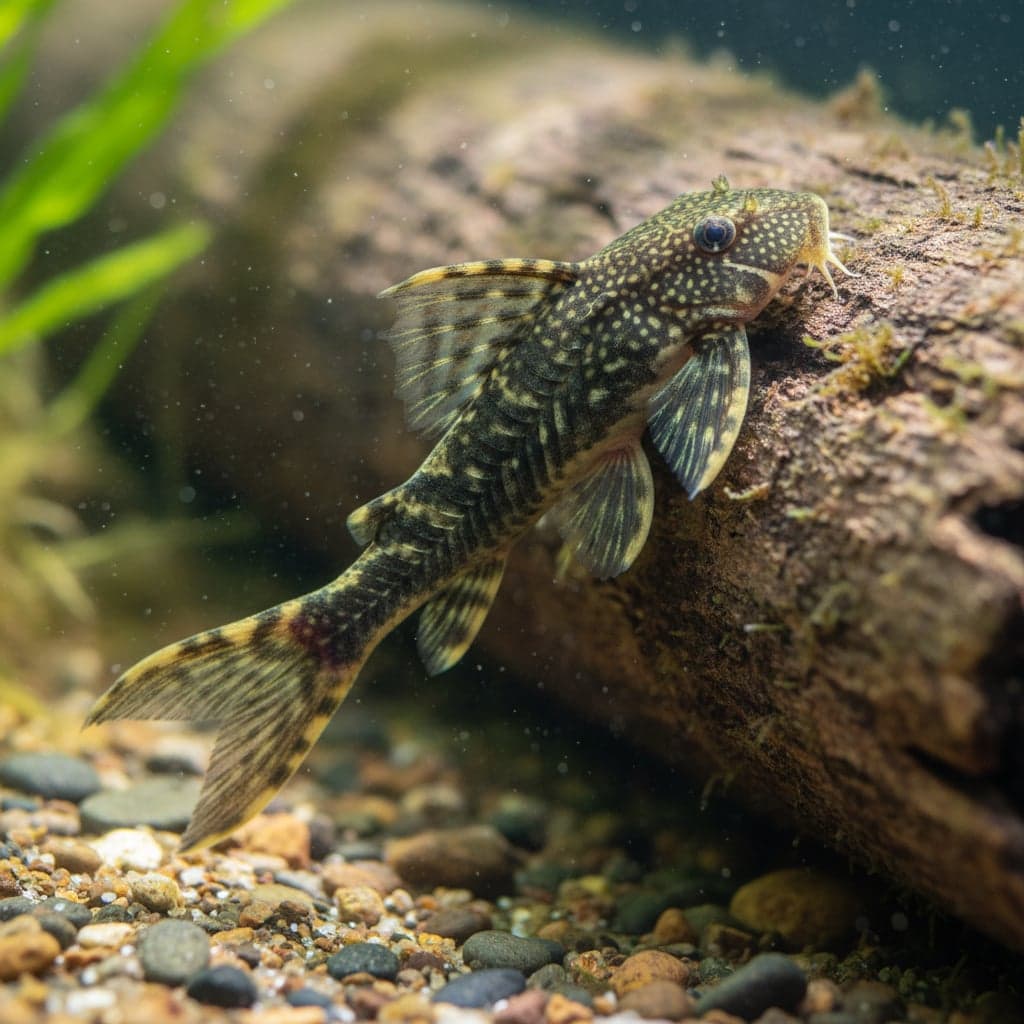
A very confused L-number group (L095/L152). A large whiptail catfish with blueish fins in juveniles.
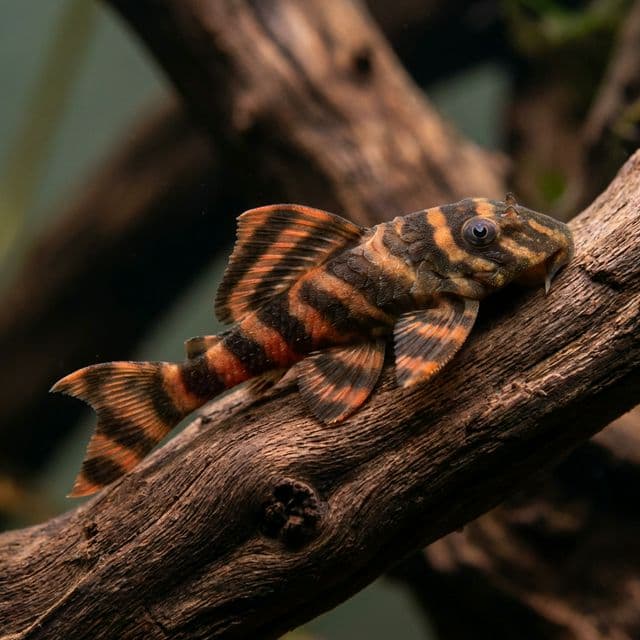
Bluefin Thresher Plec
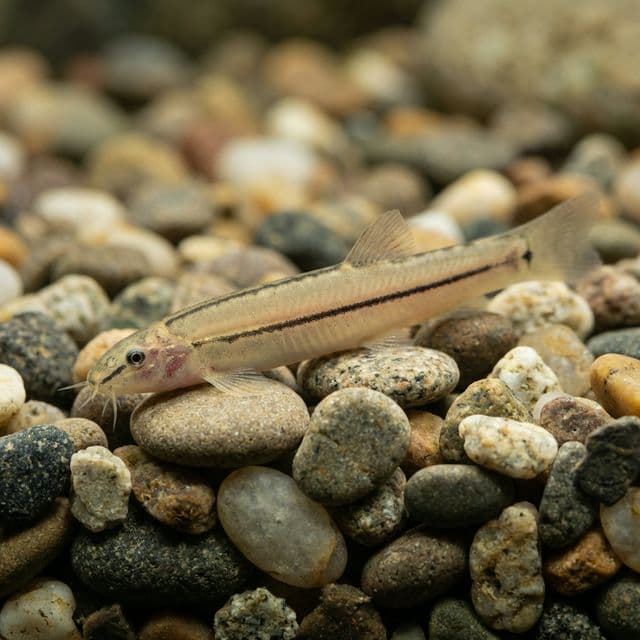
The Bluefin Thresher Plec, scientifically known as Isorineloricaria villarsi, is a captivating freshwater fish that has gained prominence in the aquarium hobby due to its unique behaviors and striking appearance. With its elongated body and distinct blue-tinted fins that resemble a thresher shark's tail, this species commands attention in any aquarium setting. Typically reaching sizes of up to 12-14 inches (30-35 cm), the Bluefin Thresher Plec exhibits a captivating blend of earthy tones with intricate patterns, making it not just a functional addition but also a visual centerpiece in well-designed tanks.
In the aquatic world, the Bluefin Thresher Plec plays a vital role in maintaining ecological balance, particularly in its native habitats. Its feeding habits help control algae growth, contributing to overall water quality. In the hobbyist community, this fish is cherished for its gentle nature and unique adaptations, such as its specialized mouth that enables it to graze on biofilm and other organic matter. As aquarists strive for biodiversity in their tanks, the Bluefin Thresher Plec represents a fascinating choice that enriches the aquatic environment.
Natural Habitat & Origin
The Bluefin Thresher Plec is native to the freshwater rivers and streams of South America, particularly found in the Amazon River basin in countries such as Brazil and Peru. These fish thrive in a range of aquatic habitats, predominantly favoring areas with slow-moving waters, where the flow allows for ample accumulation of organic matter and biofilm. The environmental conditions are integral for its survival, characterized by soft, dark water with a low pH level, often described as acidic or slightly alkaline.
These fish are commonly discovered in habitats teeming with leaf litter and submerged wood, providing them with natural hiding spots. The blackwater environment in which they exist absorbs light and creates a distinct ecosystem, promoting the growth of beneficial microorganisms that serve as a food source. Understanding the natural habitat of the Bluefin Thresher Plec enhances the aquarist's ability to replicate these conditions in captivity, thereby ensuring its health and well-being.
Care Requirements
When it comes to caring for the Bluefin Thresher Plec, specific water parameters are crucial for its proper development. The optimal pH level for this species ranges from 6.0 to 7.5, while the temperature should be maintained between 75°F to 82°F (24°C to 28°C). The hardness of the water should ideally be kept between 5 to 15 dGH, ensuring a soft water environment that mimics its natural habitat.
For setup, it is recommended to provide a minimum tank size of 30 gallons, allowing enough space for swimming and foraging. The tank should be decorated with a sandy substrate, which is gentle on its delicate body. Adding driftwood and rocks not only creates hiding spots but also supports the fish's natural behaviors. Soft, diffused lighting is ideal as it mimics the shade provided by the trees in their natural environment. Furthermore, incorporating live plants can contribute to water quality while enhancing the tank's aesthetics.
Diet & Feeding
The Bluefin Thresher Plec is primarily an herbivorous fish but also exhibits omnivorous characteristics, allowing it to thrive on a varied diet. In the aquarium, this species can be fed high-quality sinking pellets specifically formulated for herbivores, along with algae wafers, which are essential for providing the necessary nutrients it requires. Alongside these staple foods, supplementary options include blanched vegetables such as zucchini, spinach, and cucumber, which can promote healthy digestion and well-being.
To ensure a balanced diet, consider offering occasionally live or frozen foods like bloodworms and brine shrimp, which can entice even the most finicky eaters. It is essential to feed the Bluefin Thresher Plec once or twice a day, providing enough food that can be consumed in a few minutes. Regular dietary assortment helps enhance coloration, health, and overall vitality, crucial for the longevity of this beautiful fish.
Behavior & Temperament
The Bluefin Thresher Plec is known for its peaceful and docile nature, making it an ideal candidate for community setups. While typically solitary, they do exhibit social behaviors and can be observed grazing alongside compatible tank mates. They are not particularly aggressive but may display territorial behaviors if housed in smaller tanks or overpopulated conditions.
In terms of tank placement, the Bluefin Thresher Plec is more likely to occupy the bottom levels of the aquarium. Due to its nature of feeding mostly on substrate and algae growing on surfaces, a bottom-dwelling placement helps the fish feel secure while allowing it to engage in its foraging activities. Observing its unique behaviors and interactions with the surroundings can be a rewarding experience for aquarists.
Tank Mates
When selecting tank mates for the Bluefin Thresher Plec, it is crucial to choose species that share similar care requirements and exhibit compatible temperaments. Ideal companions include medium-sized fish like Corydoras catfish, Rasboras, and peaceful cichlids such as apistogrammas. Other suitable species include tetras and other community fish that are not overly aggressive or overly territorial.
Conversely, it is advisable to avoid housing the Bluefin Thresher Plec with large or aggressive species, such as Oscar fish, large gouramis, or fin-nipping species like larger tetras. Such pairings could stress the Bluefin Thresher Plec or lead to conflicts. By ensuring an appropriate community tank setup, aquarists can enjoy a harmonious environment where the Bluefin Thresher Plec can thrive alongside chosen companions.
Breeding
Breeding the Bluefin Thresher Plec in captivity can be a rewarding but challenging endeavor. This species is thought to be substrate-spawning, typically seeking out flat surfaces such as driftwood or smooth stones to lay their eggs. To induce breeding, it is crucial to replicate their natural conditions by ensuring high water quality, maintaining stable temperature ranges around 78°F to 82°F (25°C to 28°C), and providing ample spaces for nesting.
Once the breeding behavior begins, females will scatter eggs, which can number in the hundreds, while males will guard and care for them post-spawning. The eggs generally require 4 to 7 days to hatch, depending on environmental conditions. After hatching, fry should be fed specialized foods that are appropriate for their size, such as crushed flakes and powdered foods, to promote healthy growth and survival. As with any breeding endeavor, patience and careful observations are essential for success.
Common Health Issues
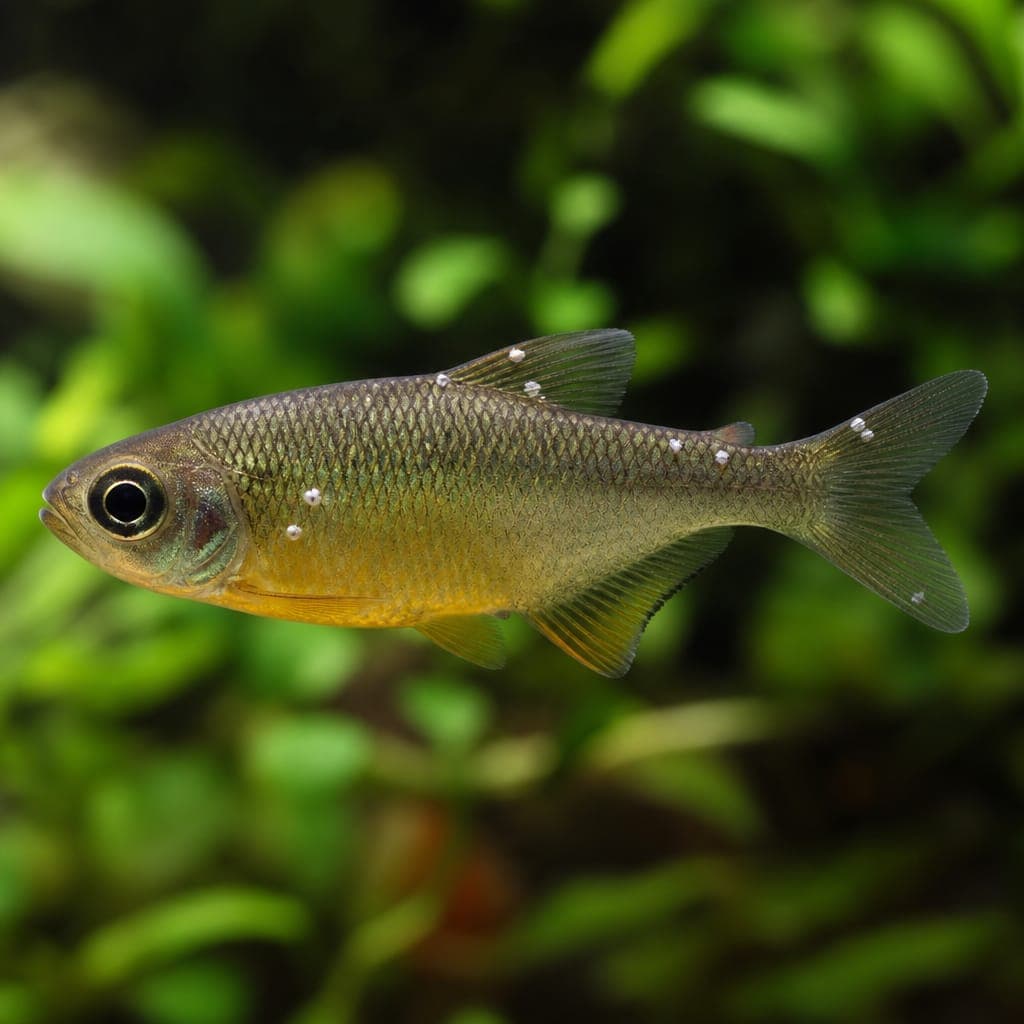
The Bluefin Thresher Plec, while generally hardy, can still be susceptible to some common health issues that may arise in aquariums. One prevalent ailment is ich (Ichthyophthirius multifiliis), a parasitic infection characterized by white cysts on the skin and gills, often triggered by poor water conditions or stress. Maintaining high water quality and ensuring proper tank conditions are essential preventive measures.
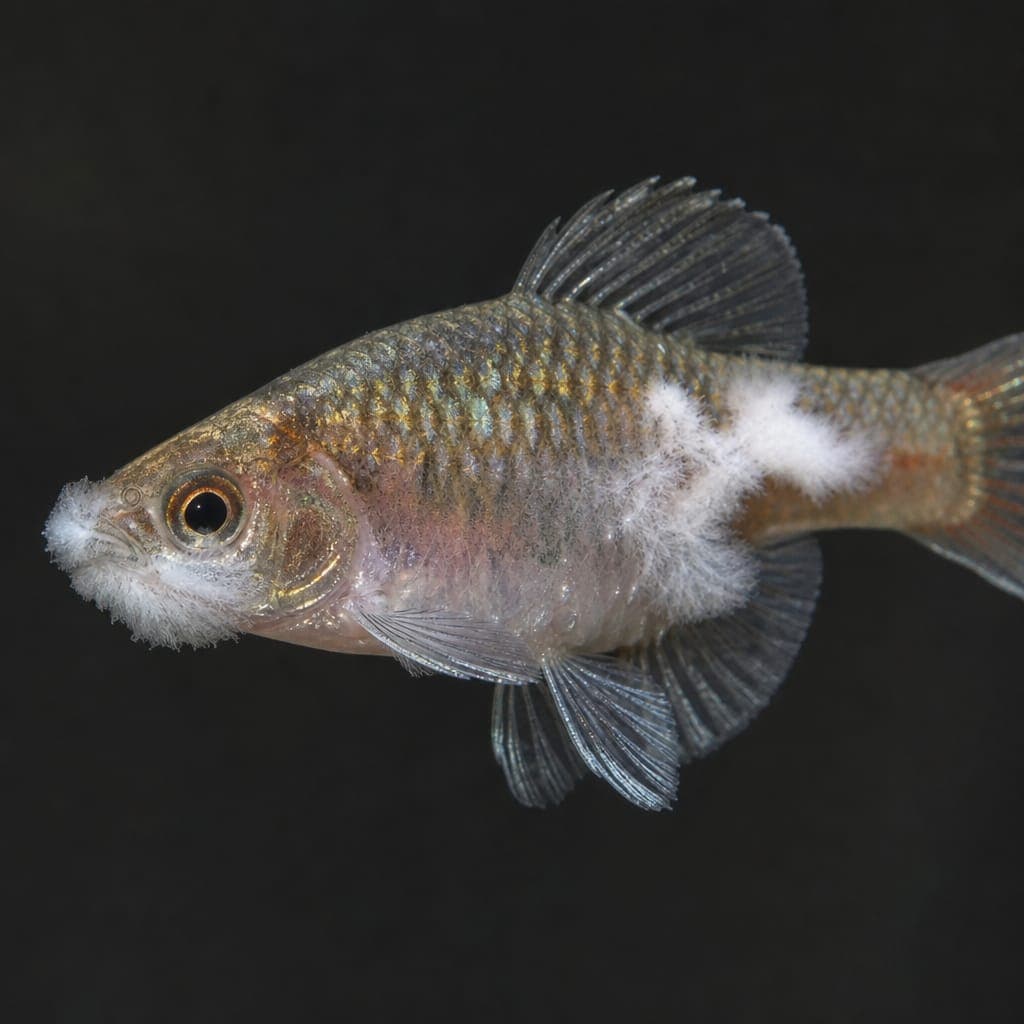
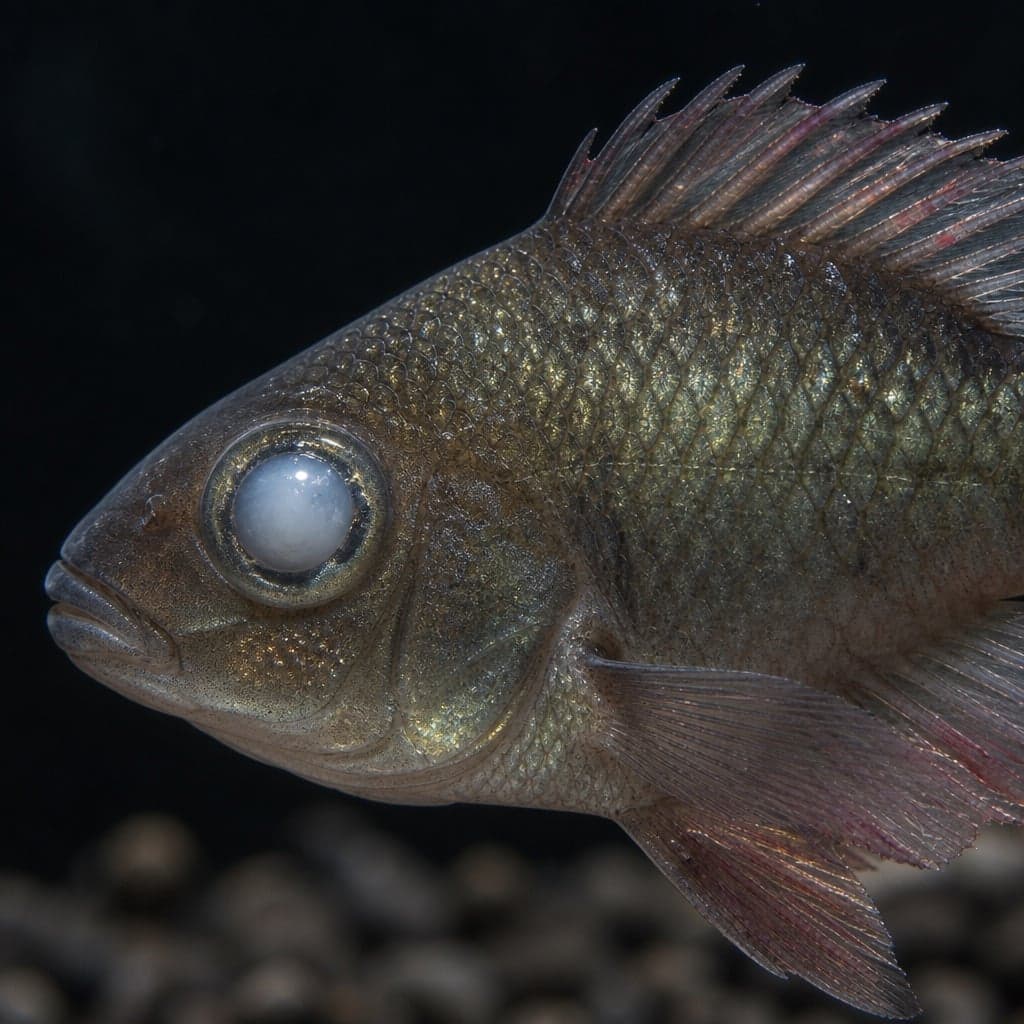
Additionally, other health concerns may include fin rot or fungal infections, which can occur due to injuries or poor water quality. Regular water changes, maintaining an appropriate environment, and observing the fish for signs of stress or illness can significantly reduce the risk of these health issues. Proactive care, including a balanced diet and avoiding overcrowding, goes a long way toward preventing outbreaks. Quarantine newcomers, keep driftwood and caves clean, and maintain strong oxygenation for this active pleco. Never ignore cloudy eyes, clamped fins, or prolonged hiding after a parameter swing. Watch for white spots, frayed fins, cottony patches, or loss of appetite, and treat promptly in a hospital tank. A balanced diet with wood, vegetables, and occasional protein keeps Bluefin Thresher Plecs healthy, active, and well-established for years.