Blueheaded Wrasse
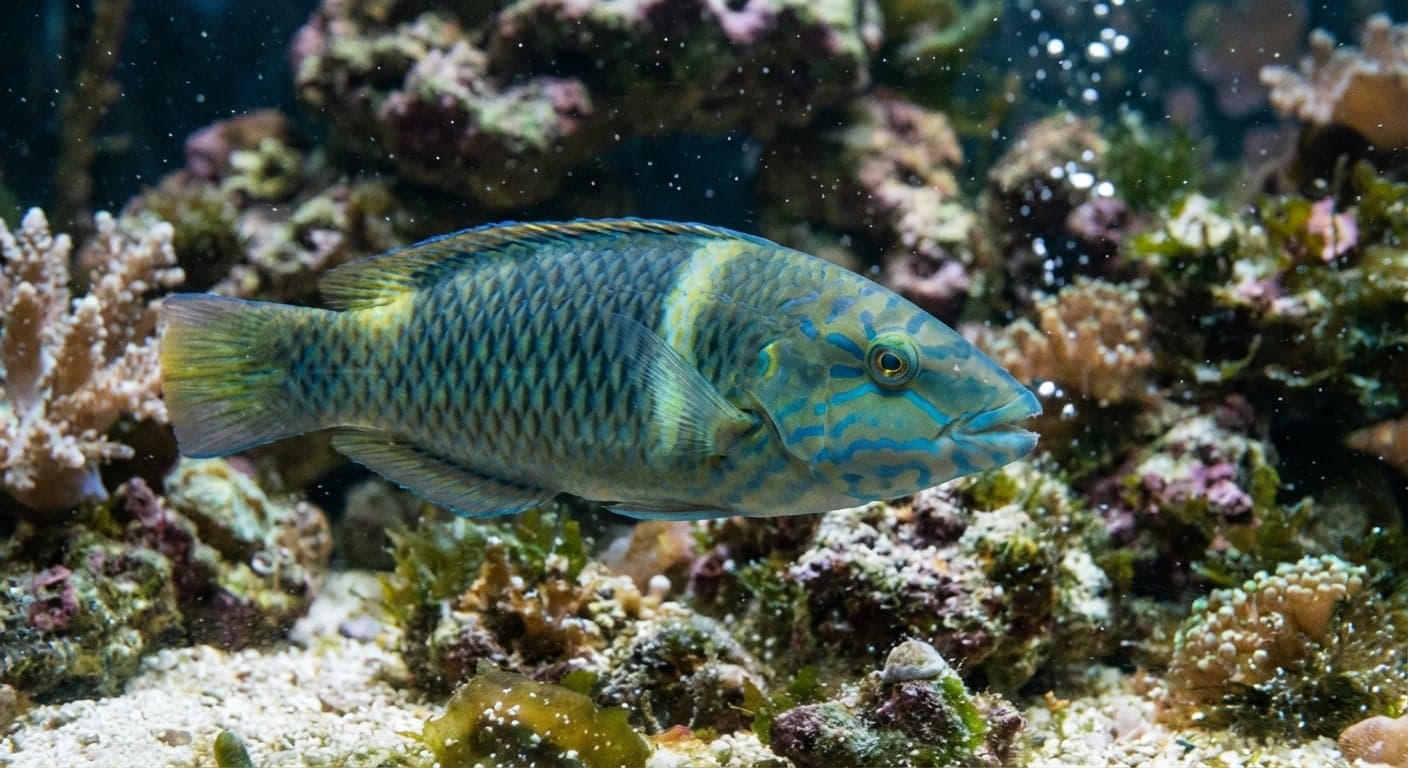
An 18cm Caribbean wrasse that changes sex and colour as it matures. Active and hardy, but it eats ornamental shrimp.

Blueheaded Wrasse
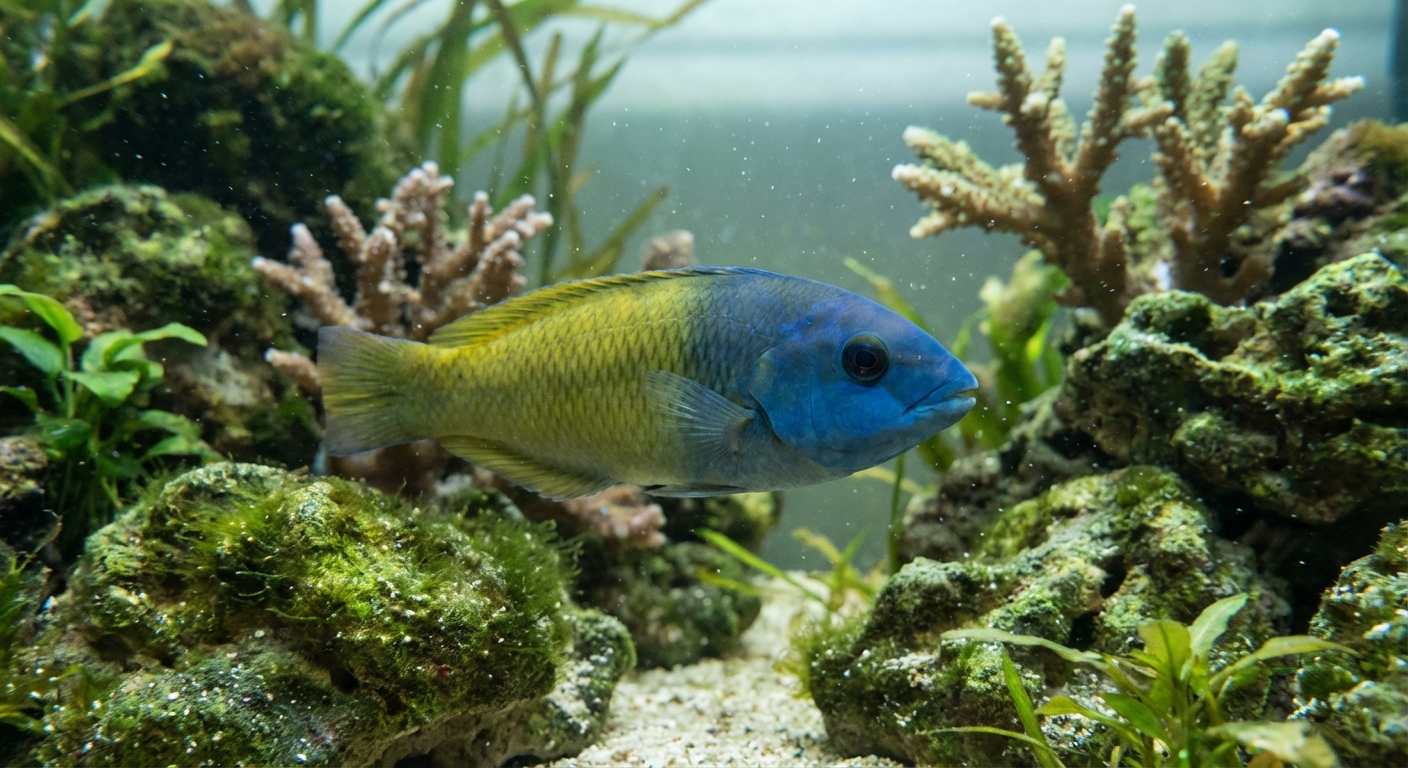
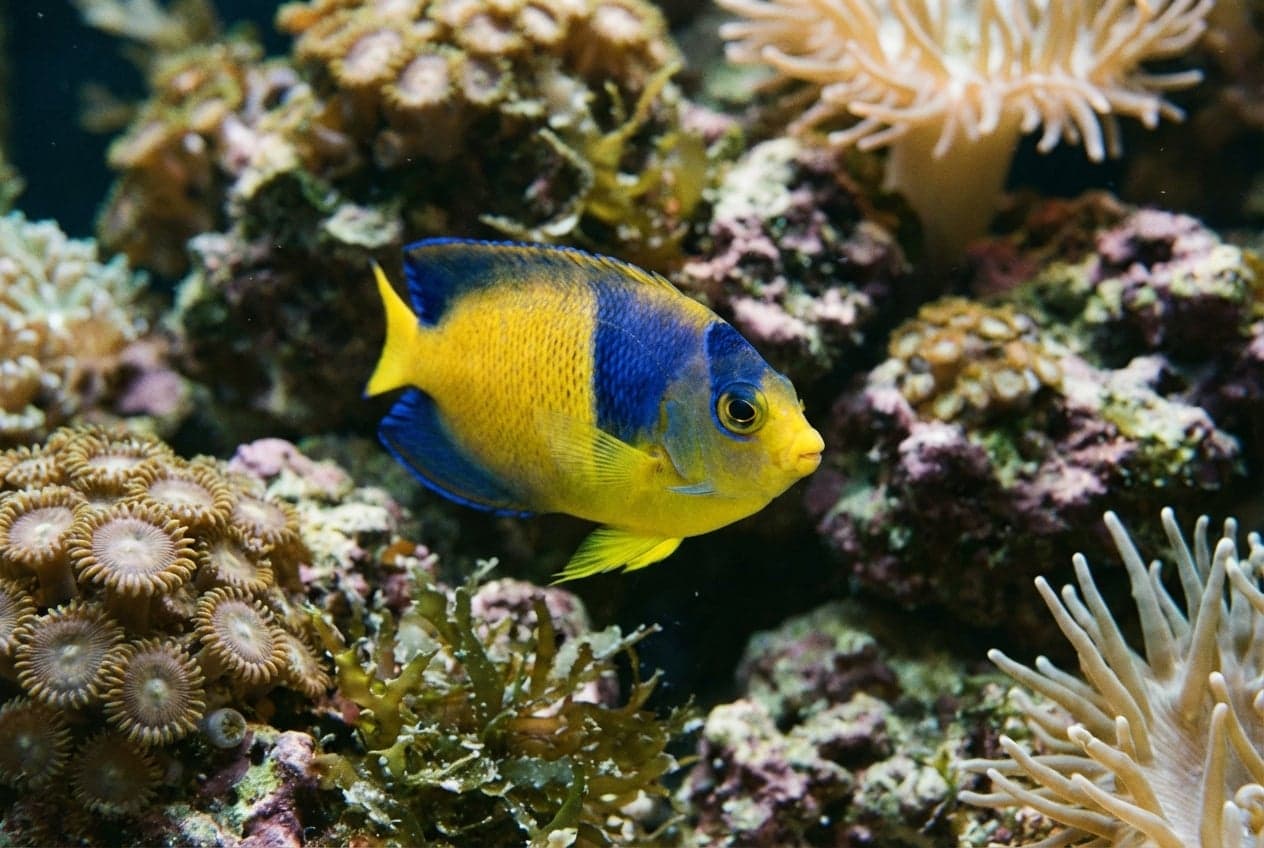
The Blueheaded Wrasse (Thalassoma bifasciatum) is a vibrant, captivating species of reef fish native to the warm tropical waters of the Caribbean and the western Atlantic Ocean. Known for its striking appearance, the adult Blueheaded Wrasse showcases a brilliant blue head, transitioning into a gradient of green and yellow on its body. This color palette not only makes the Blueheaded Wrasse a stunning addition to any aquarium but also serves as a means of attracting mates and warding off rivals. Its dynamic swimming patterns and social behavior further enhance its appeal, making it a favorite among marine aquarists.
In the aquarium hobby, the Blueheaded Wrasse is significant for more than just its beauty. It plays an essential role in controlling pest populations on the reef, particularly small invertebrates, and serves as a model species for understanding the behaviors and ecology of wrasses in general. With the right care and environment, these fish can thrive in captivity and present a dynamic, engaging presence in a well-maintained marine setup. The Blueheaded Wrasse's charming disposition and ecological importance reinforce its status as a highly sought-after species among marine enthusiasts.
Natural Habitat & Origin
The Blueheaded Wrasse is predominantly found in the coral reefs of the Caribbean Sea, including locations like the Bahamas, Belize, and Florida's Keys. This species prefers shallow, clear coastal waters, often inhabiting the rocky substrates and coral formations that provide both shelter and foraging opportunities. Typically, they inhabit depths ranging from 1 to 30 meters (3 to 100 feet), where they can find ample food sources and suitable breeding grounds. The natural environment of the Blueheaded Wrasse consists of well-lit areas with stable temperatures and salinity levels, contributing to its vibrant coloration and overall health.
In terms of water conditions, these fish thrive in clear, warm waters that provide high visibility for their hunting routines. The coral reefs and associated marine ecosystems in which they reside contribute to a diverse array of fauna and flora, offering the Blueheaded Wrasse an extensive diet and a complex social structure. Understanding the natural habitat and environmental context of the Blueheaded Wrasse is crucial for replicating its needs in an aquarium setting, ensuring that these captivating fish can flourish in captivity.
Care Requirements
To successfully keep a Blueheaded Wrasse, it's essential to replicate the conditions of its natural habitat as closely as possible. The ideal water parameters for this species include a pH level between 8.1 and 8.4, a temperature range of 75°F to 82°F (24°C to 28°C), and a hardness level of 8 to 12 dGH. It's crucial to maintain stable water chemistry, as fluctuations can lead to stress and health issues.
When it comes to tank setup, a minimum aquarium size of 280 litres (75 gallons) is recommended: this active 18cm Thalassoma needs open swimming space and territory. Fine to medium-sized substrate, such as coral sand or crushed coral, mimics the natural seafloor and encourages foraging behavior. Lighting should be bright but not overwhelming, as Blueheaded Wrasses are accustomed to well-lit environments. Incorporating live rock, caves, and plenty of swimming space will provide the necessary hiding spots and promote natural behaviors. Additionally, including hardy marine plants can enhance the aesthetic appeal and overall health of the aquarium ecosystem.
Diet & Feeding
The Blueheaded Wrasse is primarily a carnivore, feeding on small invertebrates and zooplankton in its natural habitat. In captivity, it is important to provide a well-balanced diet that replicates its natural feeding habits. A variety of foods is recommended, including high-quality marine flakes and pellets, which serve as staple diets. Supplementing these with frozen and live foods, such as brine shrimp, mysis shrimp, and small pieces of seafood (like shrimp and scallops), will enhance their nutrition and promote vibrant coloration.
Feeding should occur multiple times daily in small portions, as Blueheaded Wrasses are active foragers and prefer to hunt for their food. It’s critical to avoid overfeeding, which can lead to water quality issues and health problems. Regularly varying their diet helps provide the essential nutrients for their growth and overall well-being.
Behavior & Temperament
The Blueheaded Wrasse is known for its lively and inquisitive demeanor, making it a favorite among aquarists. This species is generally peaceful, thriving in community tanks when housed with compatible species. However, they can display territorial tendencies, particularly males, especially when establishing dominance in a smaller tank. They are active swimmers and prefer to be in the mid to upper levels of the aquarium, often darting between rocks and corals, making their behavior engaging to observe.
Socially, Blueheaded Wrasses may benefit from being kept in pairs or small groups, especially if the tank is spacious enough to accommodate multiple individuals. It is essential to monitor their interactions closely to mitigate aggression between males. Providing ample hiding spots and visual barriers can help reduce territorial disputes and promote a harmonious aquarium environment.
Tank Mates
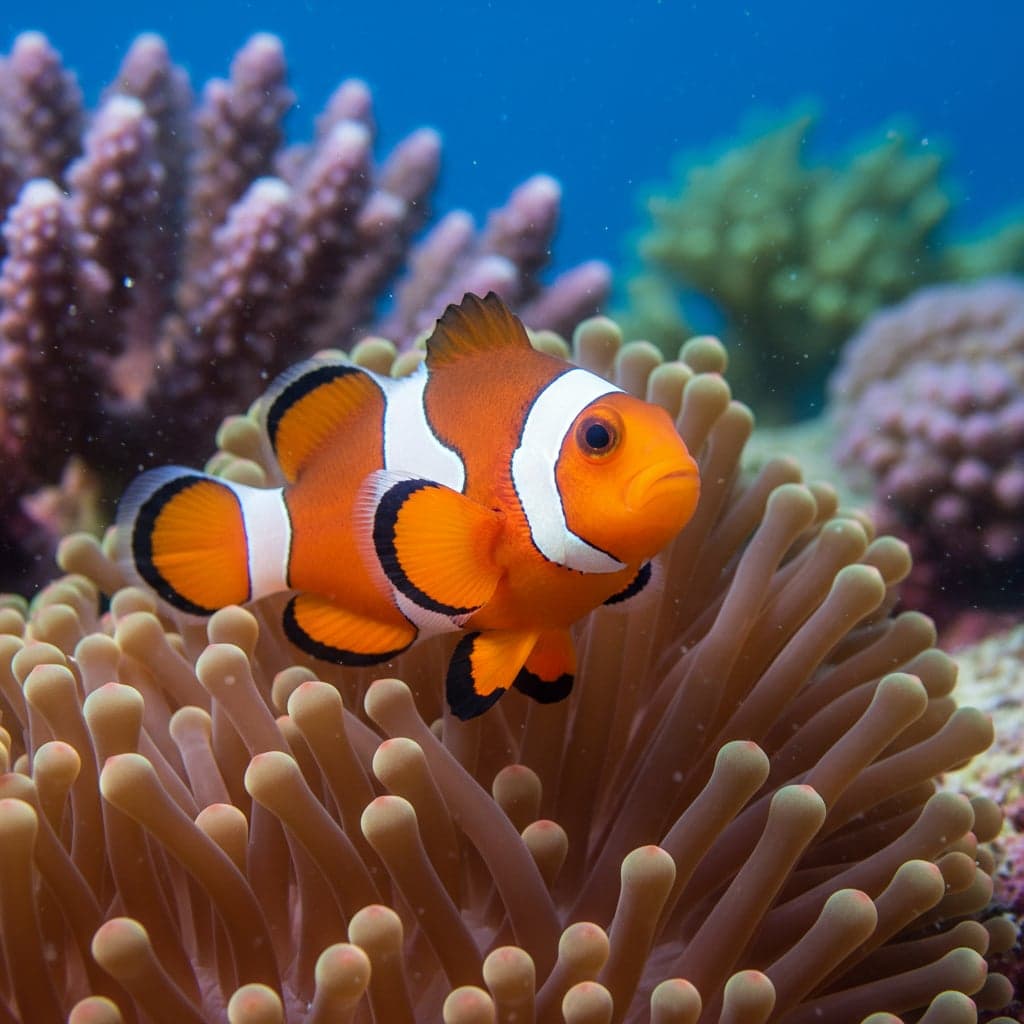
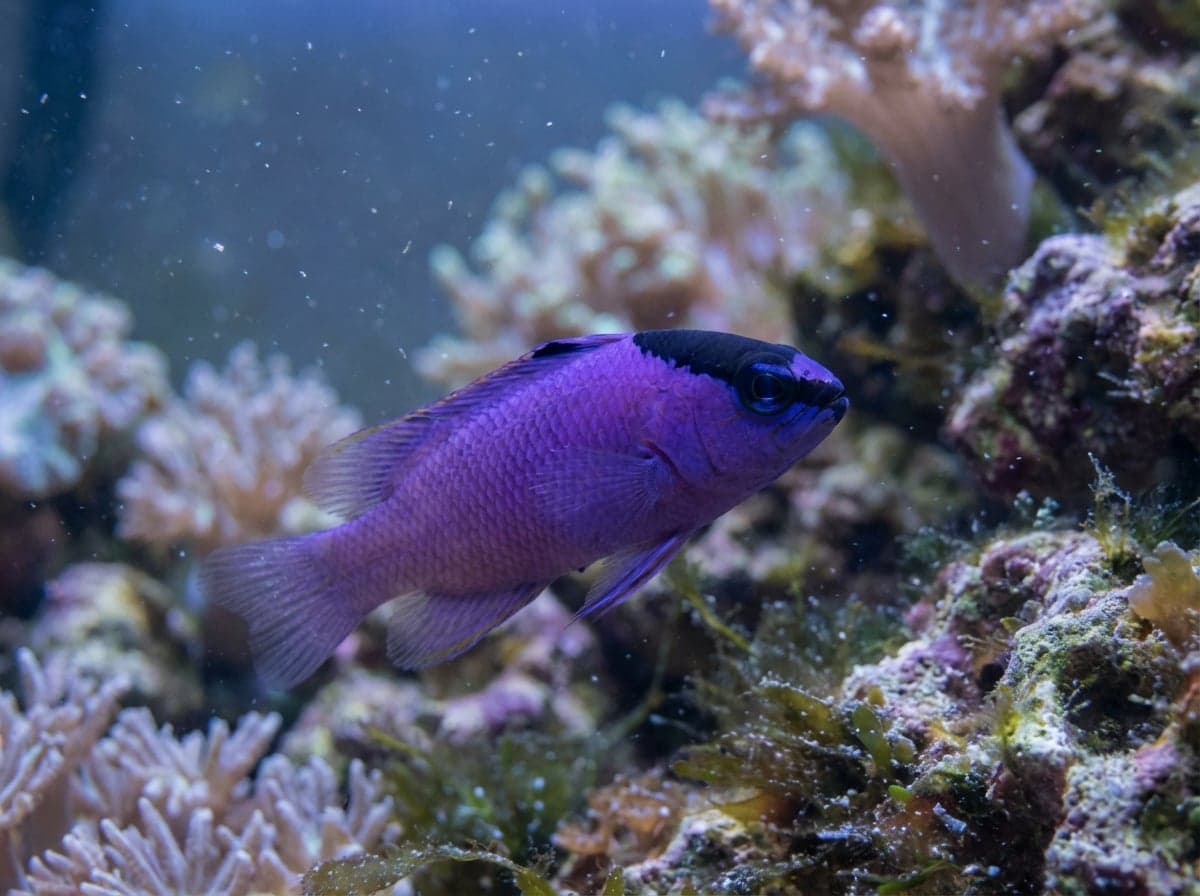
When selecting tank mates for the Blueheaded Wrasse, it’s vital to choose species that share similar environmental needs and are compatible in terms of temperament. Suitable tank mates include other peaceful reef-safe fish such as Clownfish, Royal Gramma, Gobies, and various types of Tangs. Additionally, small wrasses and dartfish can coexist happily with Blueheaded Wrasses due to their non-aggressive nature.
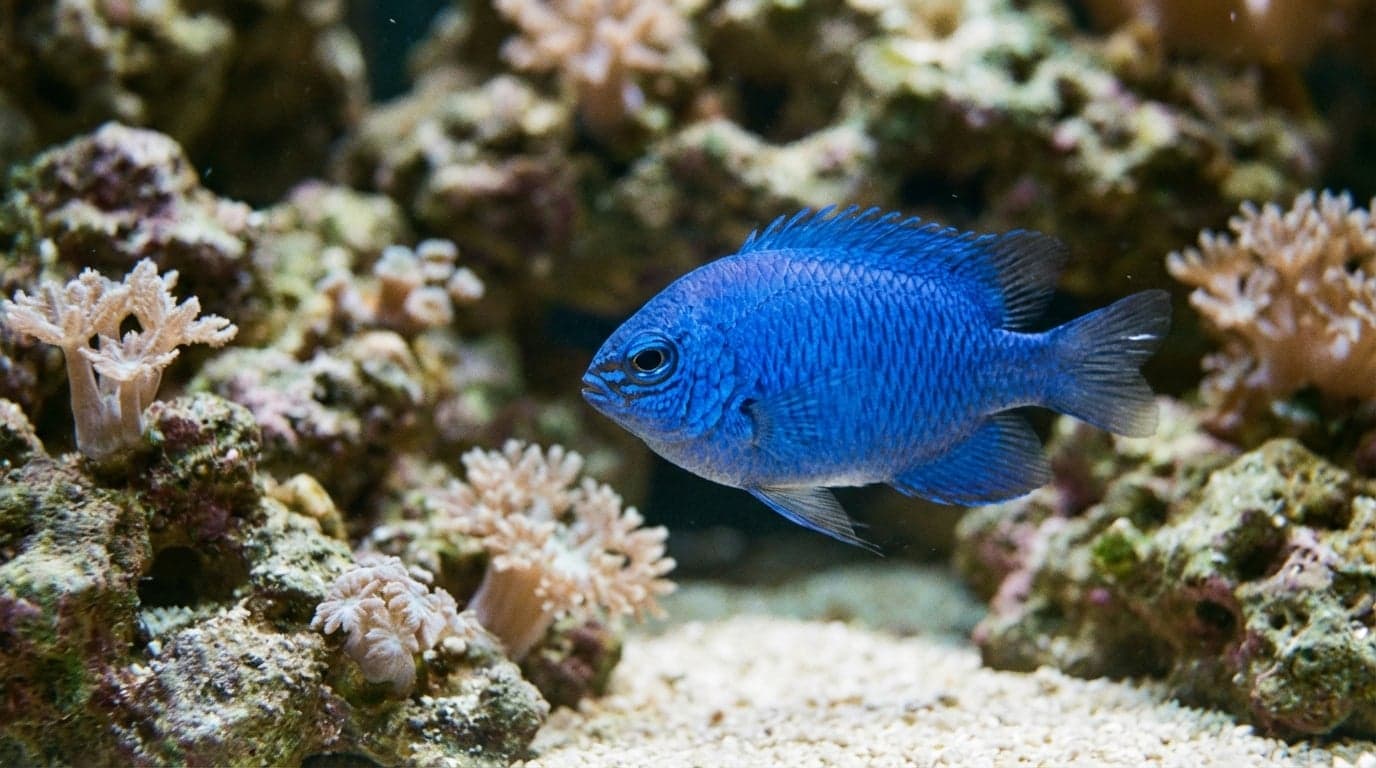
However, certain species should be avoided to prevent aggression and territorial conflicts. Larger predatory fish, aggressive wrasses, and other fish that tend to nip at fins, like some types of damselfish, can stress or harm a Blueheaded Wrasse. Providing a spacious and enriched environment with plenty of hiding areas is essential for ensuring a peaceful cohabitation atmosphere among the diverse aquatic community.
Breeding
Breeding Blueheaded Wrasses in captivity can be challenging due to their specific requirements for spawning. In their natural habitat, they typically engage in spawnings that occur near coral reefs during the early morning or late afternoon. To replicate these conditions in captivity, it’s essential to maintain stable water parameters and mimic natural light cycles, allowing the fish to exhibit their spawning rituals.
Creating a breeding environment requires a well-maintained aquarium with plenty of hiding spots and open swimming space. Males often exhibit courtship displays, which involve dazzling color changes and swimming patterns to attract females. Successful breeding may involve separating a male and female into a breeding tank, where they can spawn freely without the risk of interference from other tank inhabitants. While fry survival rates can be low, providing a separate nursery tank with appropriate food sources, such as infusoria and finely crushed flakes, may support their growth.
Common Health Issues
Like all fish, the Blueheaded Wrasse can be susceptible to certain health issues commonly found in aquariums. Some common diseases include ich (Ichthyophthirius multifiliis), marine velvet, and a variety of bacterial infections. Maintaining optimal water quality through regular testing and water changes is crucial for preventing these ailments.
To prevent ich, it is important to keep the tank environment stable and ensure that new fish are quarantined before introduction. Additionally, providing a varied diet and reducing stress through ample hiding spaces can bolster the immune system of the Blueheaded Wrasse. Monitoring its behavior and physical appearance regularly allows for early detection of any health issues, ensuring timely intervention when problems arise. With stable water quality, careful quarantine, and a stress-free setup, Blueheaded Wrasses typically remain active and colorful reef fish for years.