The Boesemani Rainbow: Melanotaenia boesemani
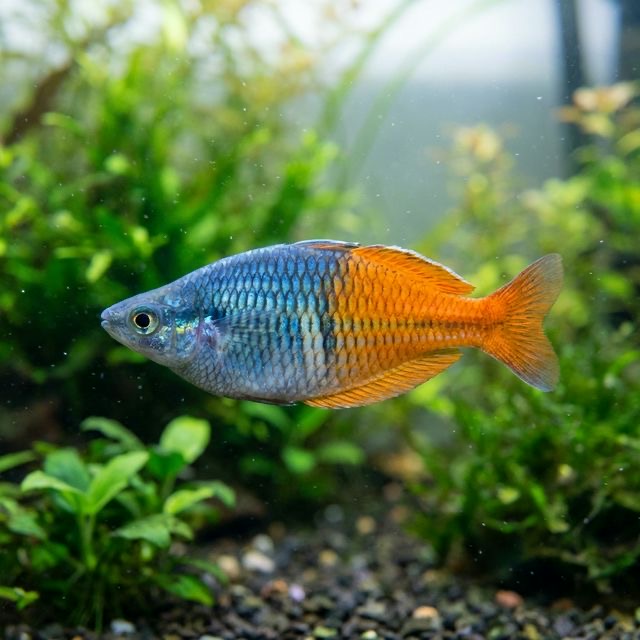
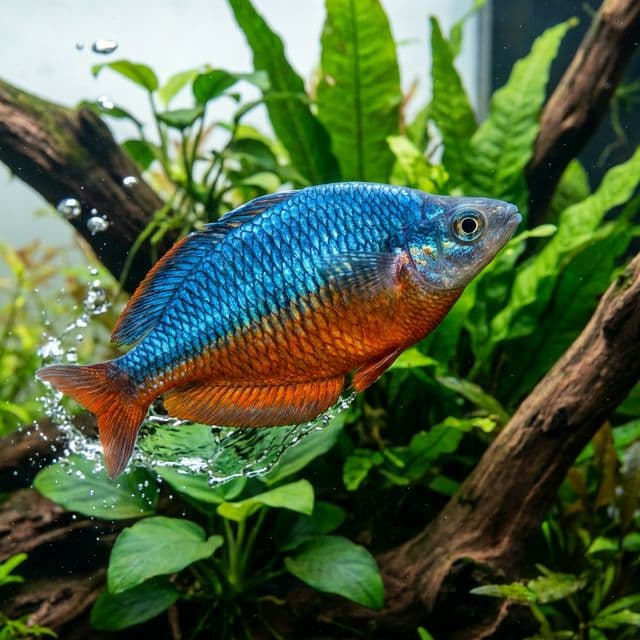
A stunning two-tone rainbow fish: half blue, half orange. The showstopper of the rainbowfish family that needs space to truly shine.
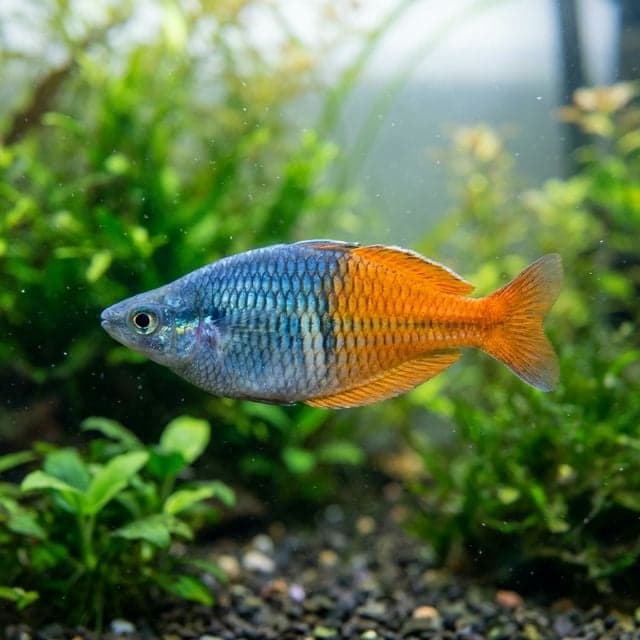
Boesemani Rainbow
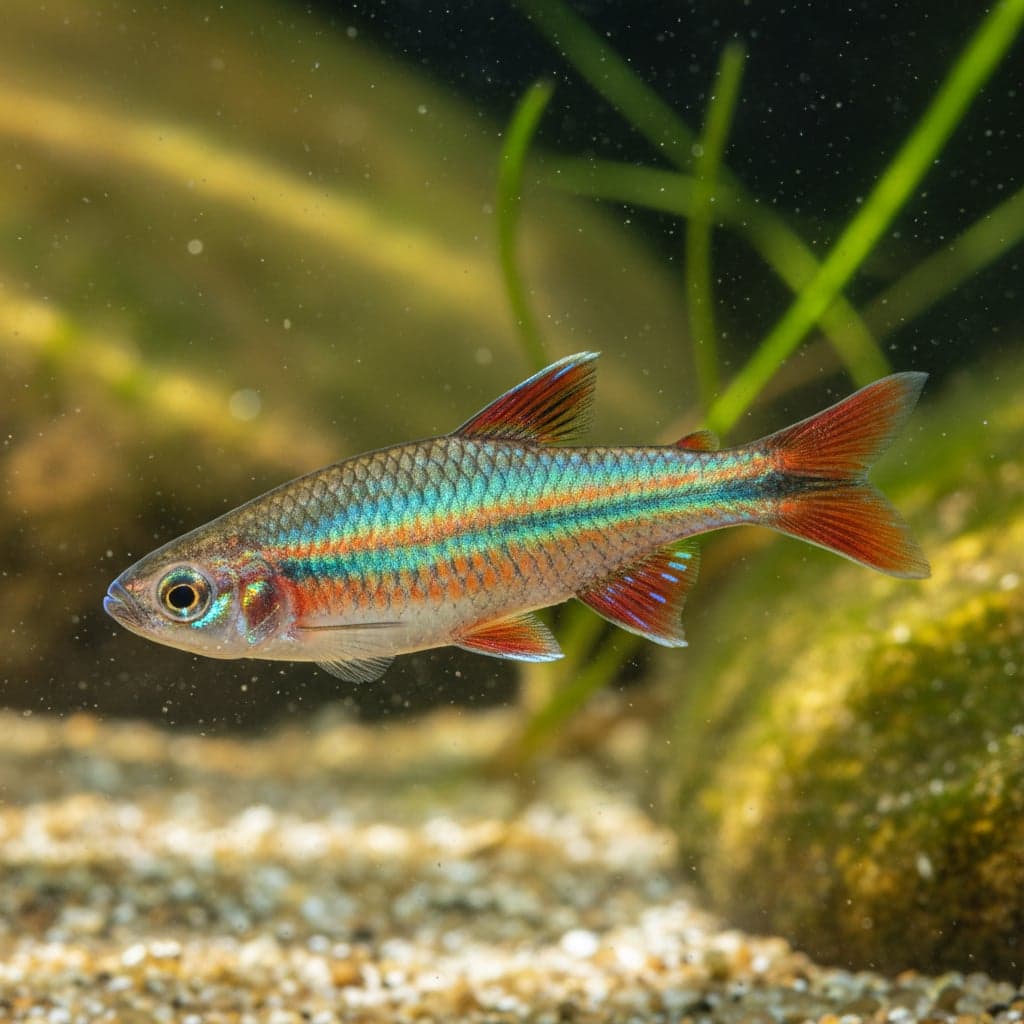
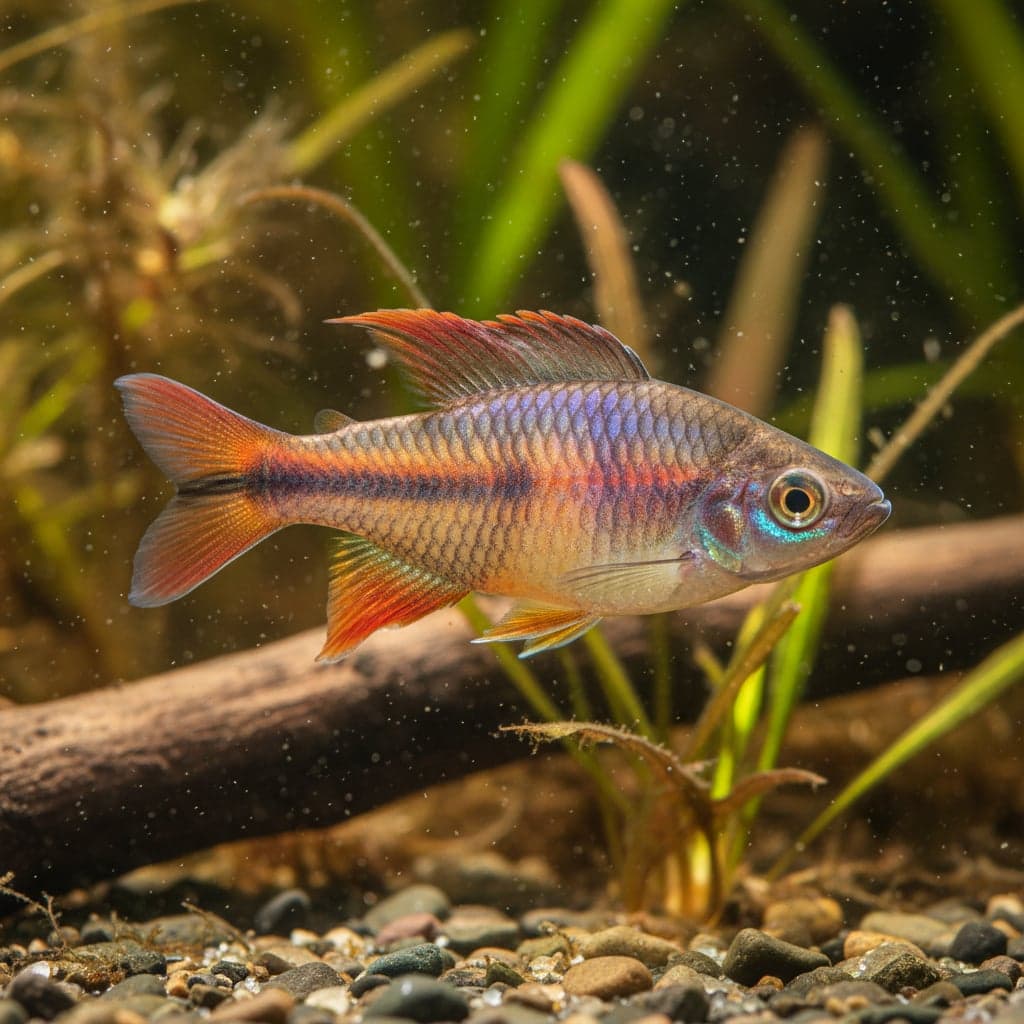
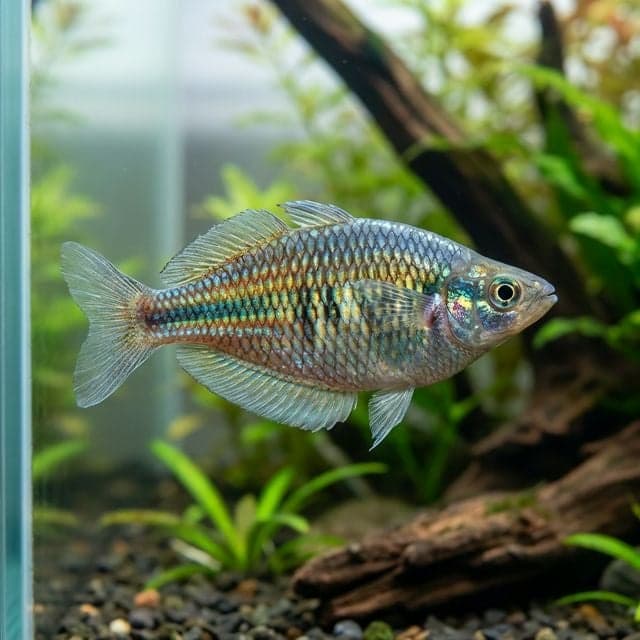
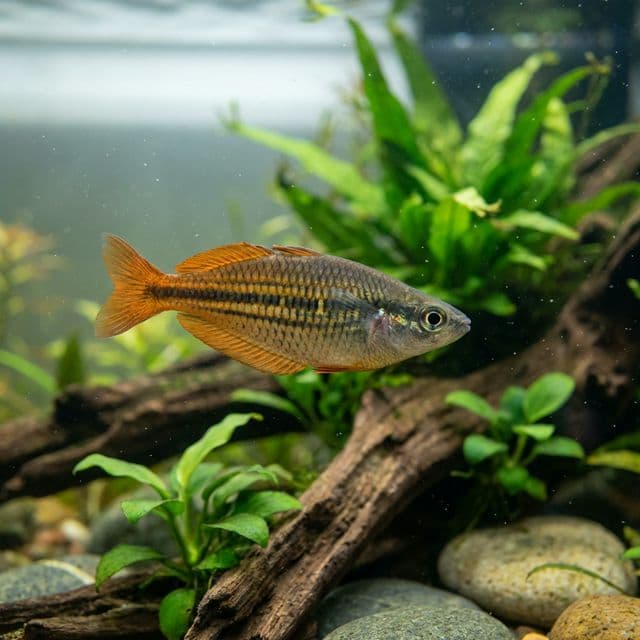
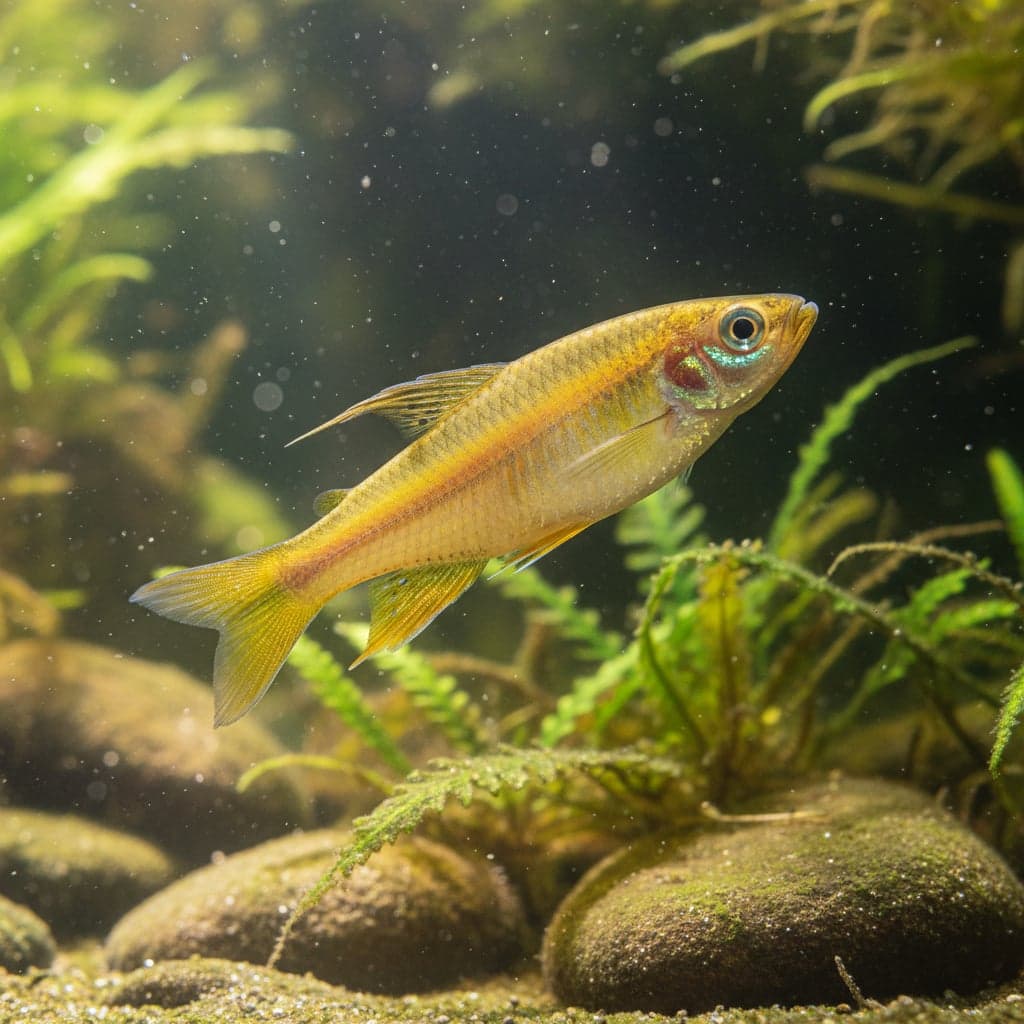
The Boesemani Rainbow, scientifically referred to as Melanotaenia boesemani, is a captivating freshwater fish native to the waters of Indonesia, specifically the lakes and rivers of New Guinea. Its stunning coloration is one of the primary factors that contributes to its popularity in the aquarium hobby. Adult Boesemani Rainbows typically exhibit a striking combination of vibrant blue and orange-yellow hues, with male specimens often displaying particularly vivid colors during breeding times. They can grow to approximately 4-5 inches in length and have elongated bodies, sleek dorsal fins, and a shimmering, iridescent appearance, which makes them a dazzling spectacle in any aquascaped environment.
The significance of the Boesemani Rainbow extends beyond its visual appeal. As a species known for its peaceful disposition and active swimming patterns, it brings life and movement to community tanks, making it a preferred choice for both novice and seasoned aquarists alike. Their relatively easy care requirements and hardiness further enhance their desirability. By keeping these fish, hobbyists not only enjoy their beauty but also contribute to the growing appreciation and conservation of rare aquatic species from the wild.
Natural Habitat & Origin
The Boesemani Rainbow is found primarily in the freshwaters of New Guinea, specifically the Mimika River system, where it thrives in diverse aquatic environments. These fish inhabit slow-moving rivers, billabongs, and swamps, often within densely vegetated areas where light filtering through the foliage provides a harmonious mix of shadow and sunlight in the water. The natural habitat of the Boesemani Rainbow is characterized by clear to slightly turbid waters, allowing for good visibility and a plethora of grazing opportunities on algae and small invertebrates.
The aquatic environment of the Boesemani Rainbow typically features slightly acidic to neutral water conditions, enriched with organic materials such as leaf litter and decaying plant matter, which contribute to the natural biotope characteristics. The surrounding flora, consisting of various aquatic plants and emergent vegetation, creates a perfect hiding and foraging environment. Understanding this ecological backdrop helps aquarists replicate suitable settings that cater to the Boesemani Rainbow's care and behavioral needs in captivity.
Care Requirements
When keeping Boesemani Rainbows, it is essential to provide optimal water conditions to ensure their health and longevity. Ideal water parameters include a pH level ranging from 6.5 to 7.5, a temperature between 72°F and 82°F (22°C to 28°C), and water hardness of 5-15 dGH. Regular water changes and maintenance are crucial to keep these parameters stable, as they are sensitive to pollution and poor water quality.
For tank setup, a minimum tank size of 20 gallons is recommended to accommodate a small group of these fish, as they are schooling species. A sandy or fine gravel substrate is preferable, along with ample swimming space and areas for hiding. Incorporating plants such as Java moss, Anubias, or water sprite provides shade and helps recreate their natural environment. Moderate lighting will encourage plant growth while also mimicking the dappled light conditions of their native habitat.
Diet & Feeding
The Boesemani Rainbow is an omnivorous fish, thriving on a varied diet that consists of high-quality flake food, small pellets, and frozen or live foods. Feeding should include a combination of protein sources such as brine shrimp, daphnia, and bloodworms to promote vibrant coloration and overall health. A varied diet not only satisfies their nutritional needs but also stimulates natural foraging behaviors, important for their well-being. It is recommended to feed them 2-3 times a day in small amounts that can be consumed within a few minutes to prevent overfeeding and maintain water quality.
Behavior & Temperament
As social creatures, Boesemani Rainbows are best kept in schools of at least six individuals, as this encourages natural behavior and reduces stress levels. They exhibit a peaceful temperament, making them ideal candidates for community tanks populated with similarly sized fish. Nonetheless, males may show increased territoriality and display more vibrant colors during breeding seasons, which can sometimes result in mild interactions among themselves. In the tank, they are usually seen occupying the mid-level to upper levels of the water column, where they can swim freely and exhibit their active swimming behavior.
Tank Mates
When selecting tank mates for Boesemani Rainbows, consider species that are peaceful and of a similar size to prevent any aggressive interactions. Ideal tank mates include:
- Tetras (such as Neon Tetras and Glowlight Tetras)
- Corydoras Catfish
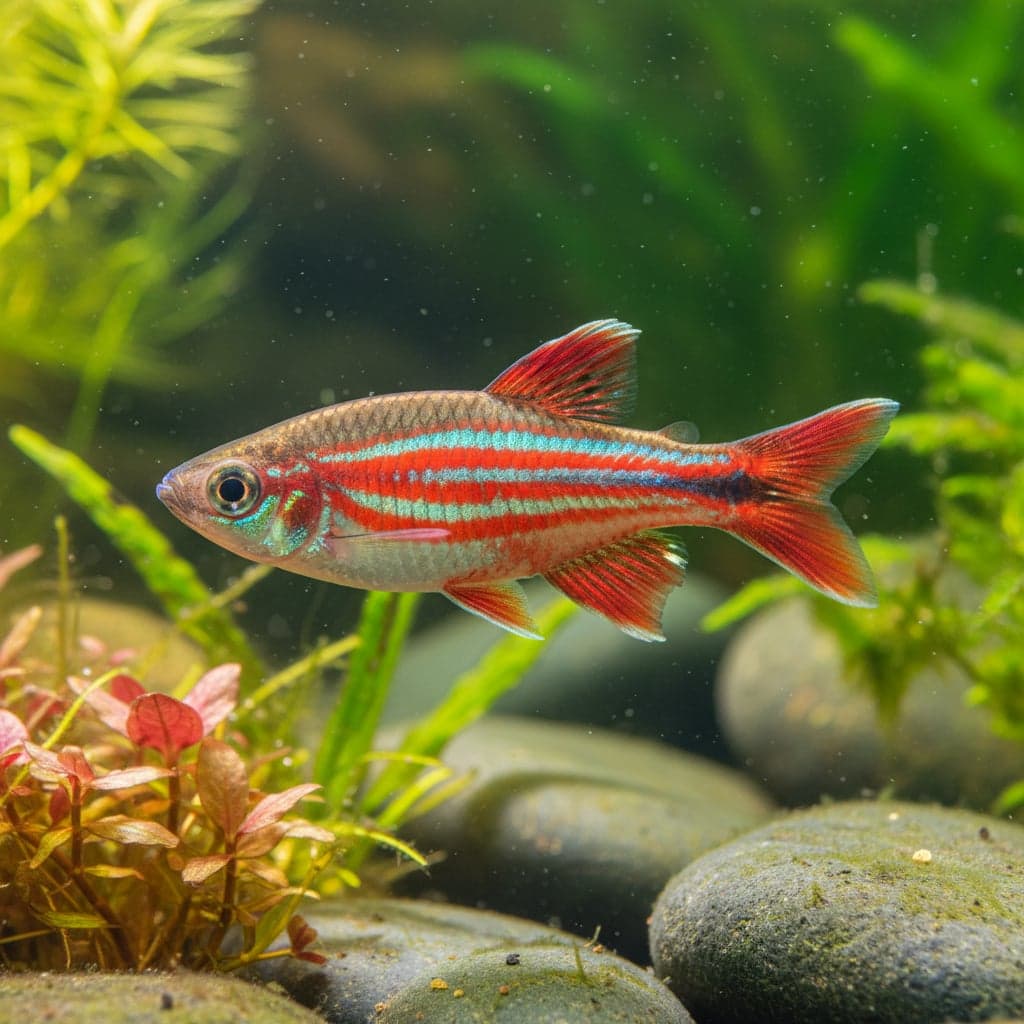
- Rasboras (like Harlequin Rasboras)
- Platies and Swordtails
- Other Rainbowfish species
Species to avoid include larger cichlids, aggressive fish, and fin-nippers that may stress the Boesemani Rainbow, such as Bettas and certain types of barbs. A well-balanced community will provide suitable social interactions while maintaining a harmonious environment.
Breeding
Breeding Boesemani Rainbows in captivity can be a rewarding experience for aquarists. To encourage spawning, a separate breeding tank should be set up with soft, slightly acidic water conditions, around 76°F (24°C). Use a sponge filter to maintain water quality without sucking up the eggs. The presence of fine-leaved plants provides a suitable spawning substrate for the fish to lay their eggs.
During the breeding process, the male will display vibrant colors, chasing the female to encourage her to spawn. After eggs are laid, it is typically advisable to remove the parents from the breeding tank, as they may eat their own eggs. The eggs usually hatch within 5-7 days, and the fry can be fed infusoria or finely crushed flake food until they're large enough for larger items.
Common Health Issues
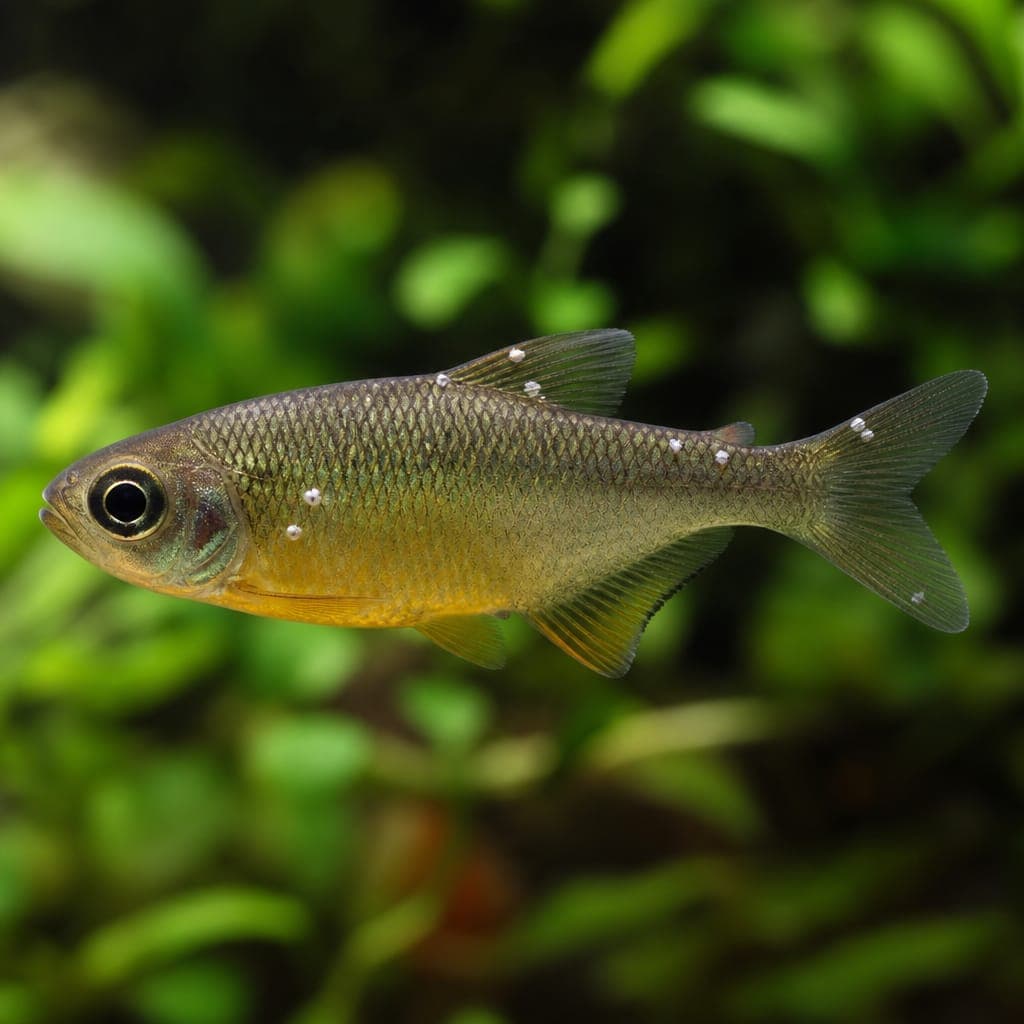
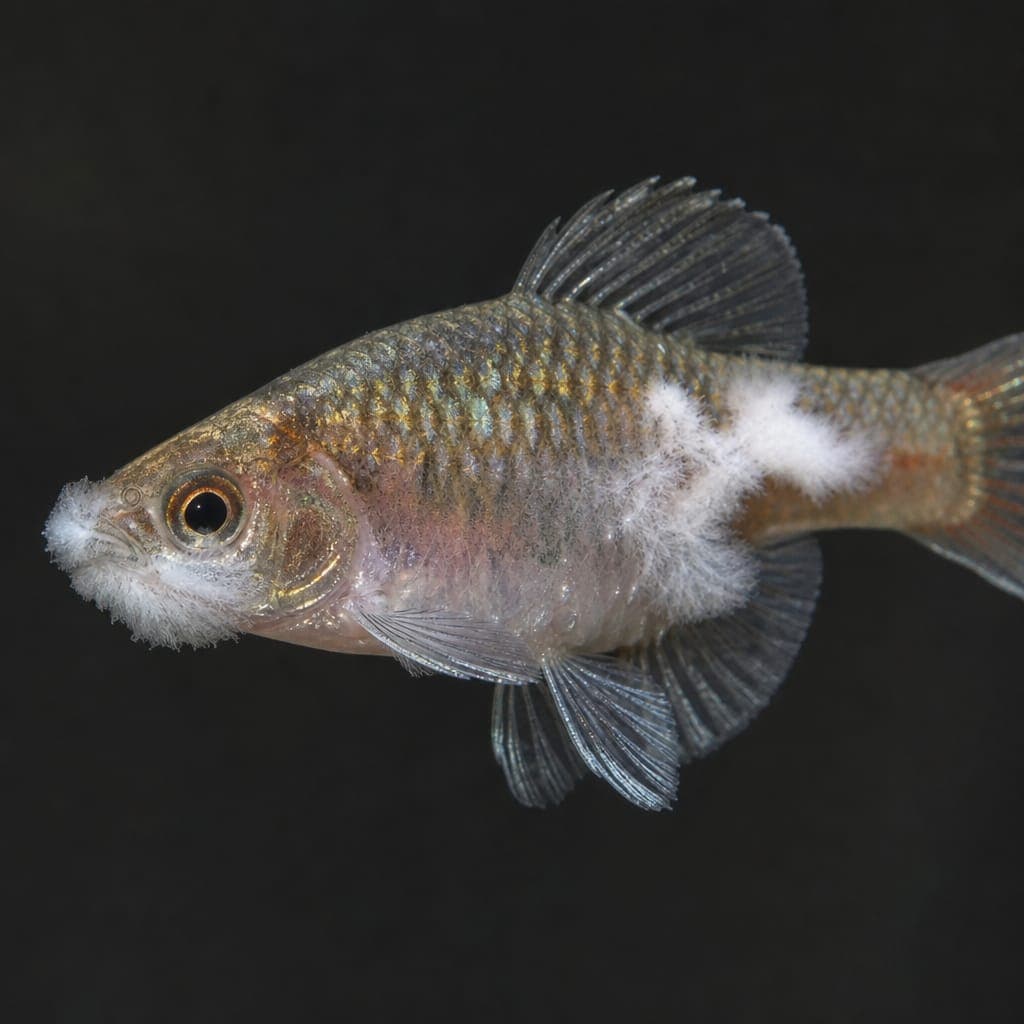
While Boesemani Rainbows are generally hardy fish, they can be prone to specific health issues if not cared for adequately. Common ailments include ich (Ichthyophthirius multifiliis), fin rot, and various fungal infections. Keeping a close eye on water quality and ensuring proper tank hygiene is crucial for prevention. It's advisable to quarantine new arrivals before introducing them to the main aquarium to avoid introducing diseases. Regular monitoring of behaviors, feeding habits, and physical appearance will aid in early detection of health problems, allowing for swift action when needed. Proper care, combined with a balanced diet and a stress-free environment, will greatly reduce the incidence of health issues in these stunning fish.